The animation landscape is shifting, and Pixar Animation Studios—a powerhouse synonymous with the polished, hyper-realistic 3D aesthetic that defined a generation of filmmaking—is preparing to take a bold, stylistic detour. As the studio looks toward 2027, all eyes are on Gatto, a project that promises to challenge the status quo. Yet, perhaps more exciting than the film’s unique aesthetic is the whisper of a return to a cherished legacy: the return of the theatrical short film as a companion to feature-length storytelling.
The Main Event: Stepping Outside the 3D Comfort Zone
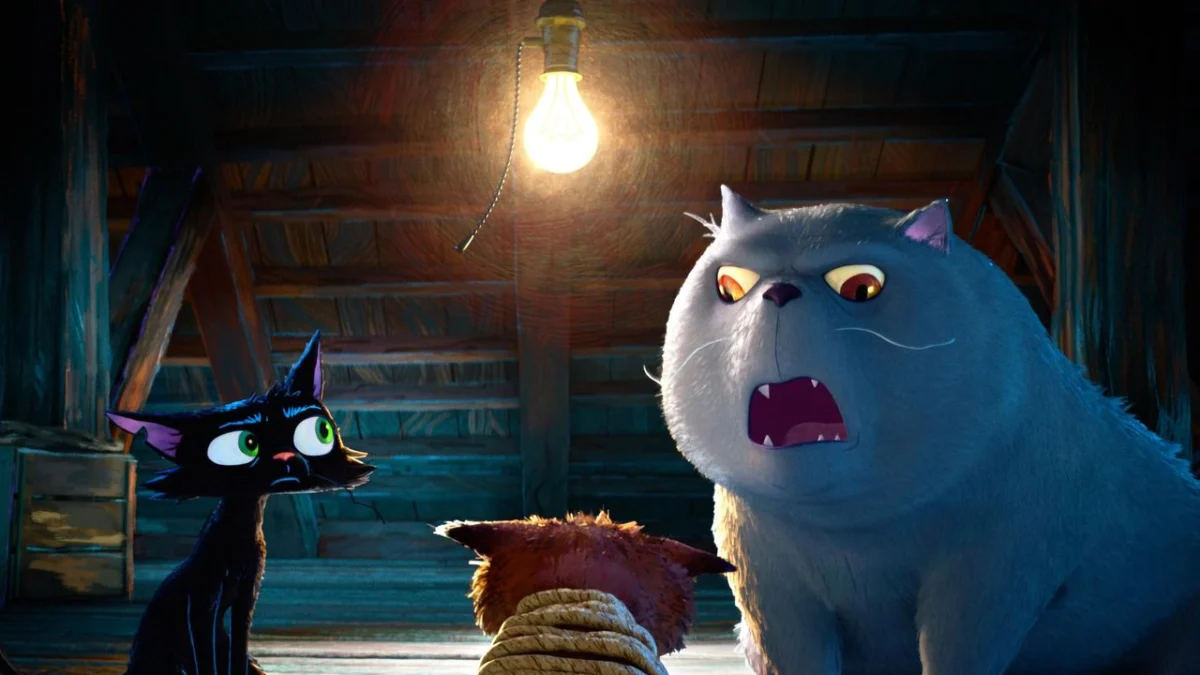
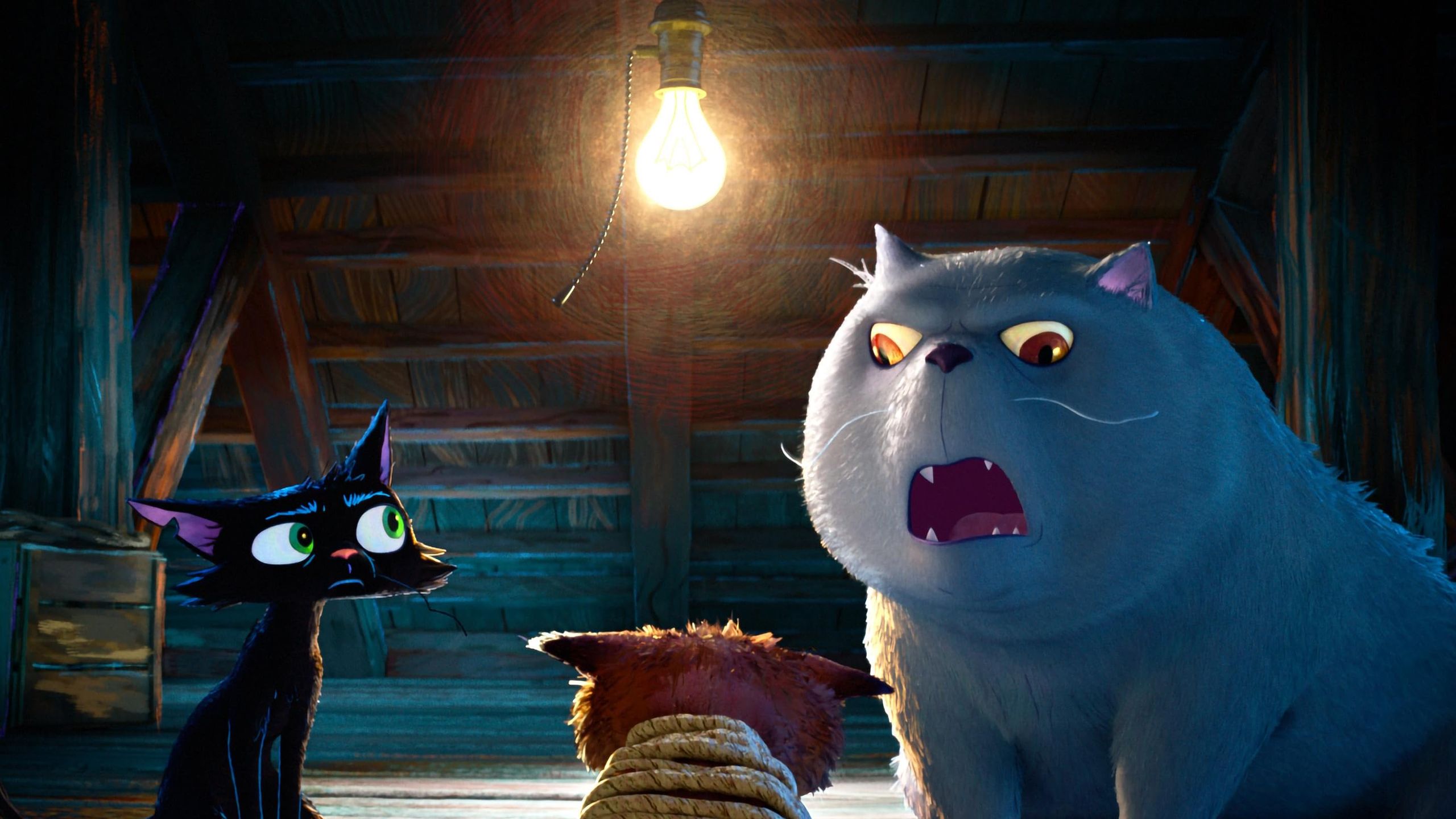
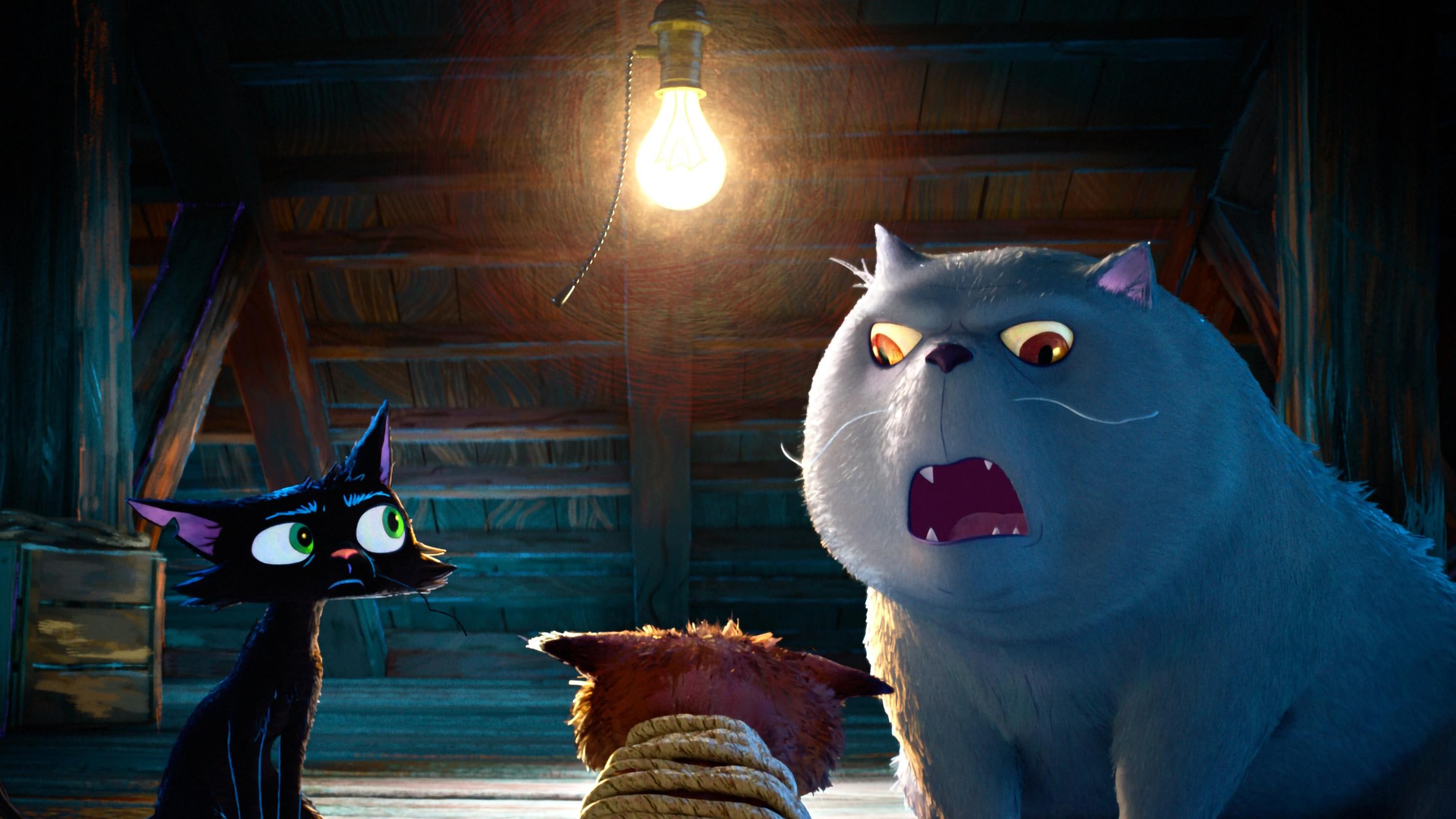
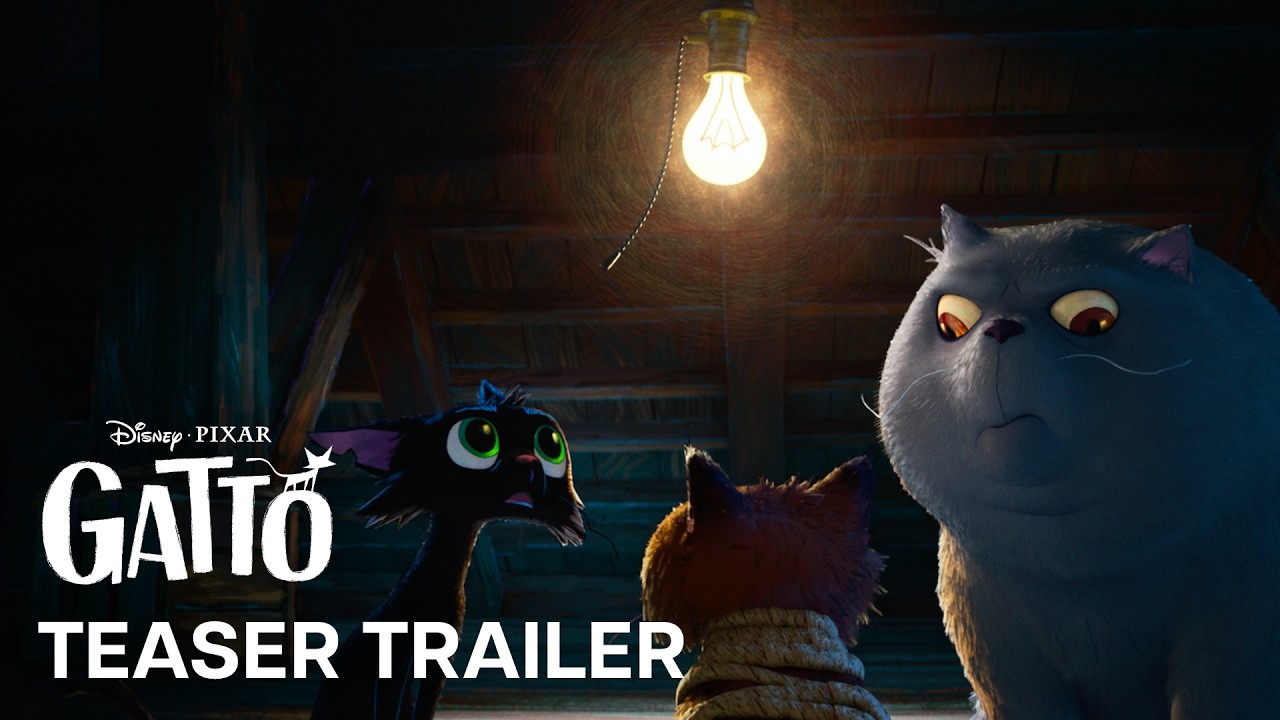
The buzz surrounding Gatto began with its teaser trailer, which immediately caught the attention of animation enthusiasts and industry critics alike. The film, which centers on the life of a black cat navigating the winding, atmospheric streets of Venice, represents a tectonic shift for the Disney-owned studio.
For decades, Pixar has been the gold standard for 3D computer-generated imagery (CGI). From the pioneering work in Toy Story to the emotional depths of Inside Out, the studio’s signature "look" has become its brand identity. Gatto, however, ditches this polished 3D aesthetic in favor of a distinct, stylized 2D animation approach. This choice is not merely an artistic whim; it is a calculated risk that reflects a broader industry trend toward embracing hand-drawn sensibilities within a digital framework. By leaning into a more painterly, expressive style, Pixar is signaling that it is not content to rest on the laurels of its technological dominance, but is instead looking to push the medium of animation into more experimental territories.
Chronology: The Evolution of Pixar’s Shorts
To understand why the potential pairing of Gatto and a new Dory-centric short is so significant, one must look at the history of the "Pixar Short."
- The Golden Age (1998–2018): Starting with Geri’s Game, which accompanied A Bug’s Life in 1998, Pixar cemented the tradition of pairing every theatrical feature with a bespoke short film. This practice served a dual purpose: it acted as a showcase for emerging directors and experimental technology, and it provided audiences with a complete "package" that felt like an event. Classics like Boundin’, One Man Band, and Piper became cultural touchstones in their own right.
- The Shift to Streaming (2018–Present): Following the release of Incredibles 2 and its accompanying short, Bao, the studio began to pivot. As Disney+ rose to prominence, the role of the short film changed. Initiatives like SparkShorts were moved directly to the streaming platform, bypassing theaters entirely. For many fans, the experience of seeing a short film on the big screen became a "much-missed tradition."
- The Future (2027): With the announcement of Loving Dory—a short film featuring the beloved blue tang from Finding Nemo—and its proximity to the reveal of Gatto, the industry is bracing for a potential restoration of the theatrical "double feature" model.
Supporting Data: What We Know About ‘Loving Dory’
During a recent presentation at the Annecy International Animation Film Festival, Pixar executives peeled back the curtain on Loving Dory. Directed by Lou Hamou-Lhadj, a veteran of the studio whose credits include WALL-E, Toy Story 3, and the miniseries Win or Lose, the project is being framed as a significant new chapter for the character.
The narrative premise is, in true Pixar fashion, both whimsical and poignant: Dory finds herself developing an emotional attachment to a plastic bag. While the premise is simple, the depth of characterization that Hamou-Lhadj brings to the table suggests that this will be more than just a lighthearted diversion.
The production timeline is equally ambitious. Set for a 2027 release, the short arrives over two decades after the original Finding Nemo (2003) and more than a decade after Finding Dory (2016). This enduring popularity of the Finding Nemo franchise suggests that Disney is keen to keep the IP relevant, using the short-film format to experiment with the characters in a low-stakes, high-creativity environment.
The Vision of Lou Hamou-Lhadj
Lou Hamou-Lhadj is no stranger to the delicate balance of technical precision and emotional resonance that defines Pixar. His directorial work on the 2015 short Borrowed Time—a stark, mature, and visually stunning piece—demonstrated his ability to tell heavy, complex stories in a compressed timeframe. His work as an art director on the 2025 series Win or Lose further cements his role as a bridge between the traditional Pixar style and the studio’s future, more experimental phase.
When Hamou-Lhadj spoke at Annecy, his comments were telling. He noted that the short "allows us to have fun" with Dory, suggesting that the film will likely lean into the character’s inherent comedic chaos while maintaining the heart that made her a global icon.
Implications: Why the Return of the Theatrical Short Matters
The decision to pair these two projects would be more than just a logistical choice; it would be a strategic move to reinvigorate the theatrical experience.
1. Reclaiming the "Event" Experience
In an era where audiences can consume content on demand, the "theatrical experience" needs to offer something that home viewing cannot. A high-quality, exclusive short film provides an incentive for audiences to show up at the cinema on time and creates a sense of occasion that streaming services struggle to replicate.
2. Cultivating New Talent
The history of Pixar shorts is a history of the studio’s leadership. Directors who cut their teeth on shorts often went on to helm the studio’s most successful features. By moving these projects back into the theater, Pixar is signaling a renewed commitment to its internal incubator system, allowing directors to test their voice before handing them the reins to a massive, nine-figure feature production.
3. Adapting to a Changing Market
The shift toward 2D in Gatto is a direct response to the saturation of 3D animation. By pairing a visually experimental film like Gatto with a familiar, high-comfort character like Dory, Pixar is balancing risk and reward. It ensures that the brand remains accessible to families while simultaneously pushing the boundaries of what animation can look like.
Looking Ahead
As we approach 2027, the industry will be watching Gatto closely. Will it be the catalyst that brings back the golden age of the theatrical short? The logistics of exhibition remain unconfirmed, but the narrative—both on and off the screen—is clear. Pixar is in a period of transition. It is honoring its past by revisiting iconic characters like Dory while aggressively pursuing a future that looks, feels, and moves differently than anything it has done before.
For fans of animation, the prospect of sitting in a darkened theater, hearing the familiar notes of a Pixar score, and seeing a new, hand-drawn vision of Venice followed by a classic character’s new adventure is a tantalizing one. Whether or not this becomes the new norm for the studio, it is a testament to the fact that, even after all these years, Pixar is still finding new ways to tell stories that matter.
As the studio continues to evolve, the combination of Gatto and Loving Dory may well be remembered as the moment Pixar successfully bridged its legendary history with its experimental future. The stage is set, the characters are ready, and the audience—as always—is waiting for the next great story to unfold on the big screen.