Sagoh
Sagoh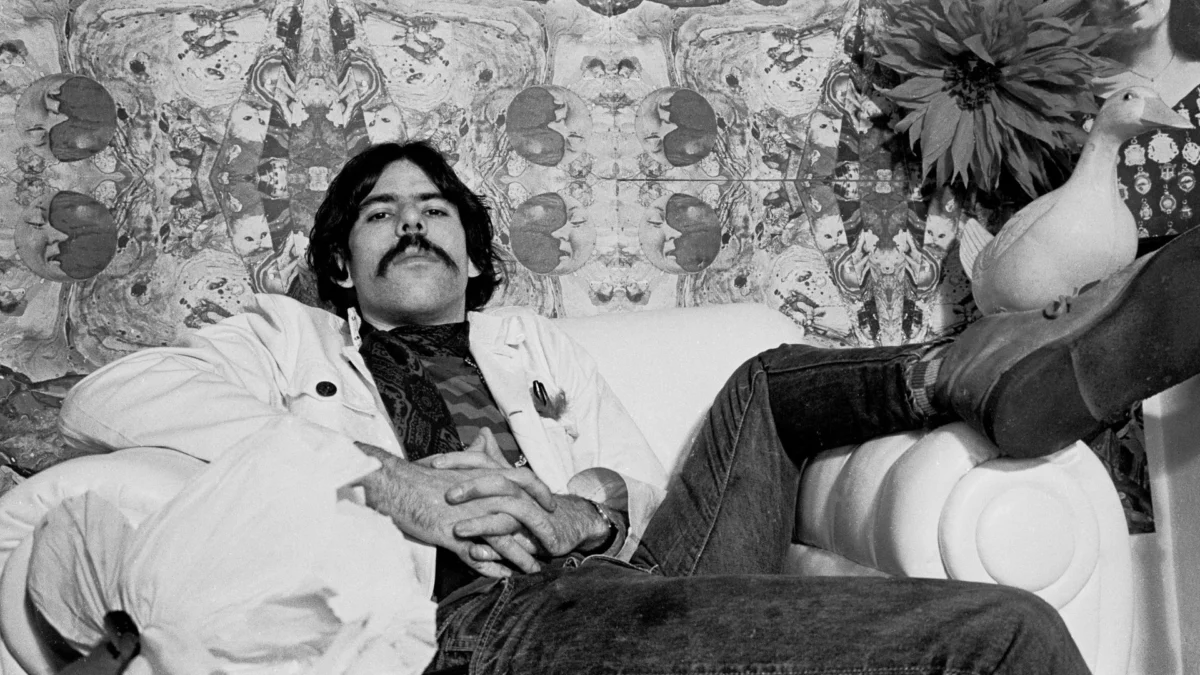
The world of art and design has lost one of its most recognizable figures. Peter Max, the German-born American artist whose kaleidoscopic, psychedelic aesthetic became the visual shorthand for the 1960s counterculture, has passed away at the age of 88. His death marks the end of an era defined by bold experimentation, pop-art sensibilities, and a relentless, optimistic pursuit of cosmic harmony.
Max did not merely create art; he curated a cultural atmosphere. His work, characterized by vibrant color palettes, fluid lines, and celestial iconography—suns, stars, and soaring, ethereal figures—did more than decorate the walls of the era; it articulated the spirit of a generation striving for unity, love, and peace.
A Life in Color: The Chronology of an Icon
Born Peter Max Finkelstein in Berlin in 1937, his early life was marked by the upheaval of World War II. His family’s journey—fleeing Nazi Germany to Shanghai, China, and later residing in Israel and Paris—exposed him to a global tapestry of influences. It was this nomadic childhood that many critics believe seeded his later fascination with universal, cross-cultural symbols.
In 1953, the family settled in the United States, where Max enrolled at the Art Students League of New York. It was in the vibrant, kinetic environment of 1960s Manhattan that he began to find his voice. By the mid-60s, Max had abandoned traditional rigid artistic constraints. He began experimenting with photographic collage, printmaking, and an increasingly bold use of primary colors.
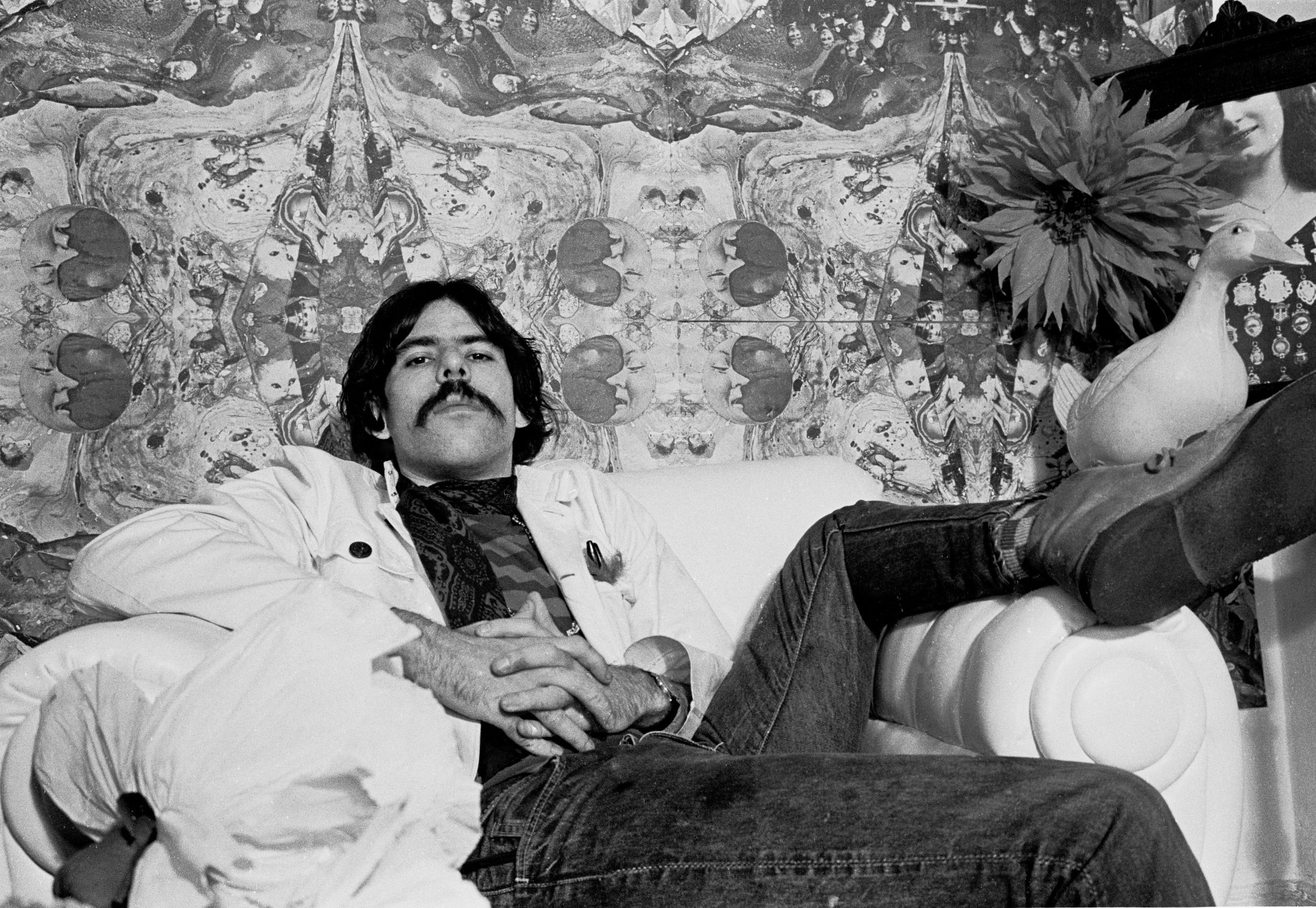
The late 1960s saw his meteoric rise. His designs were everywhere: on posters, textiles, kitchenware, and even the hulls of ships. He was the visual equivalent of the British Invasion, a man who, as he famously noted, captured the "visual mood" of the era just as the Beatles captured the auditory one.
The Intersection of Art and Commerce
Max was a pioneer in the commercialization of fine art. Unlike the elitist tendencies of the traditional art gallery circuit, Max sought to democratize his output. He famously licensed his designs to an array of products, ensuring that his "cosmic" philosophy was accessible to the average person.
Critics occasionally labeled his work as overly commercial, yet his influence on graphic design and pop culture remains undeniable. He broke the barrier between "high art" and "low art," proving that a canvas could be just as impactful on a mass-produced coffee mug or a magazine cover as it was in a museum. His work for Life magazine, which featured his art on the cover, solidified his status as a mainstream pop culture icon.
Spiritual Awakening: The Source of the Flow
Central to Max’s process was his spiritual evolution. In the mid-1960s, he became deeply involved with Eastern philosophy, specifically yoga and the teachings of his Swami. This was not a mere hobby; it was the catalyst for his signature style.
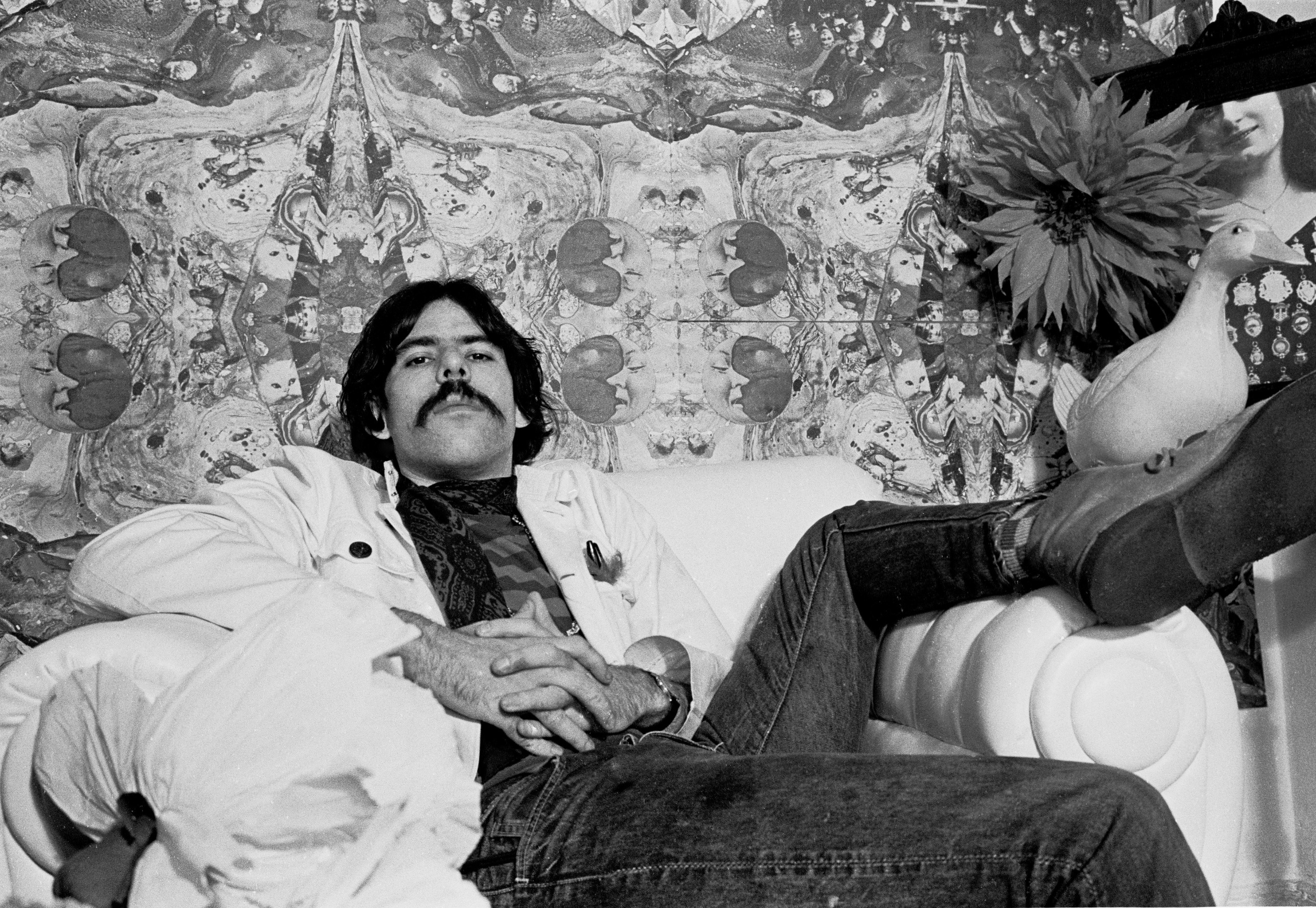
"The Swami and yoga taught me a whole new way to draw," Max reflected in his later years. "It empowered me to feel the cosmic consciousness within, and to allow that to flow out of me into my art."
This spiritual grounding transformed his approach to the canvas. He often spoke of the "inner cosmos," a reservoir of creativity that he accessed rather than controlled. This surrendered approach—the belief that the "canvas paints itself" and that the artist is merely a conduit—allowed him to maintain a prolific output for decades. His later work, including his famous portraits of celebrities and politicians, continued to employ this fluid, energetic application of color, proving that his aesthetic was not a fleeting trend but a sustainable language.
Supporting Data and Historical Impact
The scale of Max’s career is difficult to overstate. Throughout the 1970s and 80s, he evolved from a counterculture hero into an American institution. His portfolio includes:
- The Statue of Liberty Project: In the 1980s, Max launched a campaign to restore the Statue of Liberty, creating a series of paintings that revitalized interest in the national monument.
- Official Artist Status: He served as the official artist for six U.S. Presidents and multiple major sporting events, including the Super Bowl and the World Cup.
- Cultural Preservation: His work is held in the permanent collections of major institutions, including the Museum of Modern Art (MoMA) and the Philadelphia Museum of Art, cementing his legacy as a significant contributor to 20th-century American art.
Official Responses and Industry Tributes
The design and art world has been quick to honor the legacy of a man who brought joy and color to millions.
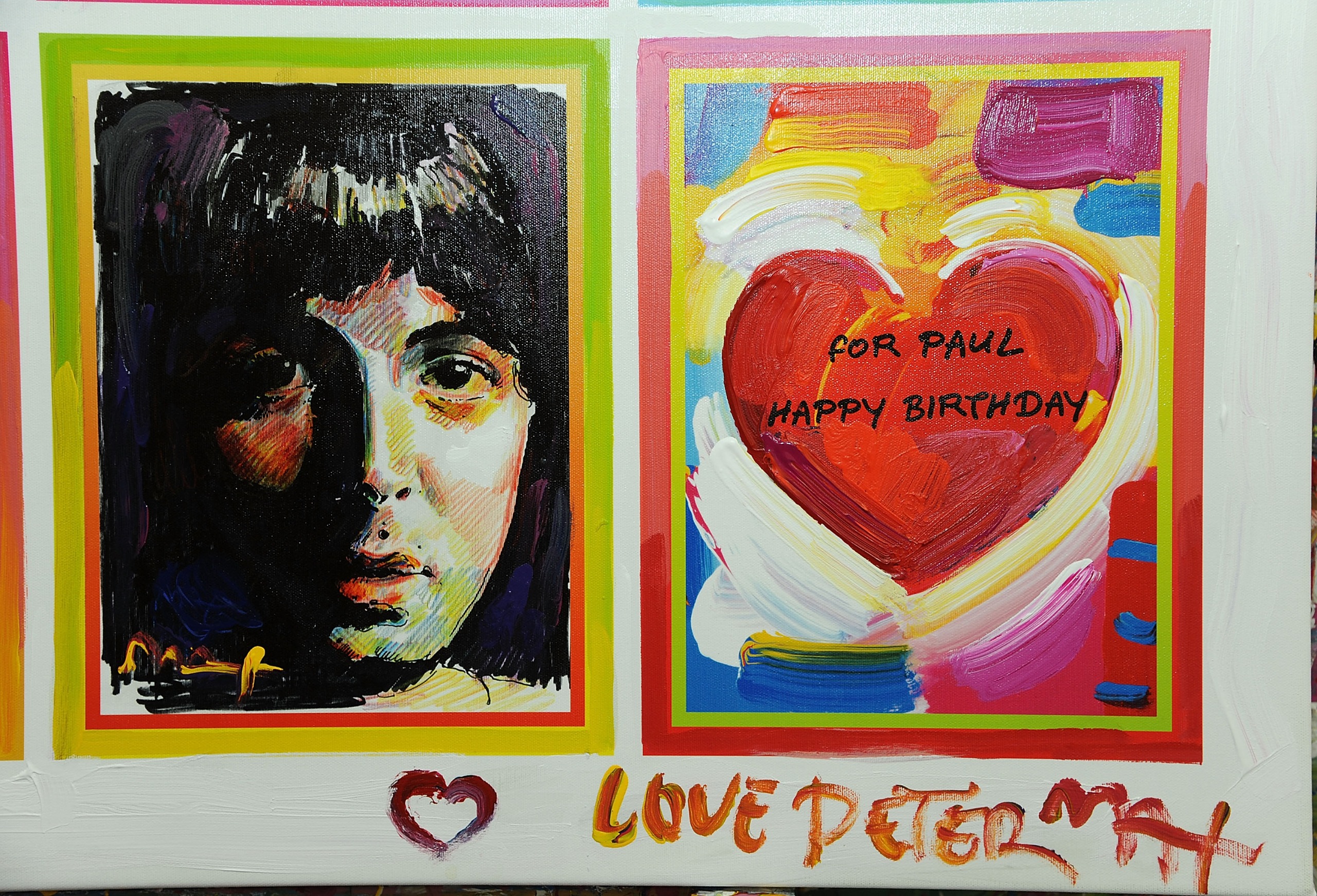
"Peter Max was more than an artist; he was an ambassador of optimism," said one prominent art historian. "In a world that is often gray, he insisted on the brilliance of the spectrum."
Designers have cited his influence on modern branding and illustration, noting that his ability to use color to evoke emotion remains a masterclass for contemporary creatives. His death has sparked a renewed interest in his archives, with many galleries planning retrospective exhibitions to celebrate a career that spanned over six decades.
The Implications: A Legacy Beyond the Canvas
As we look back at the career of Peter Max, the implications of his work are profound. He taught us that art does not have to be dour to be meaningful. He proved that the pursuit of "creative freedom"—a concept he valued above all else—is a lifelong journey that requires both discipline and surrender.
His life was a testament to the idea that an artist can remain relevant across generations by staying true to a core philosophy. Even as his physical health declined in his final years, his commitment to his work never wavered. He viewed himself as a participant in the universe’s ongoing creative expression.
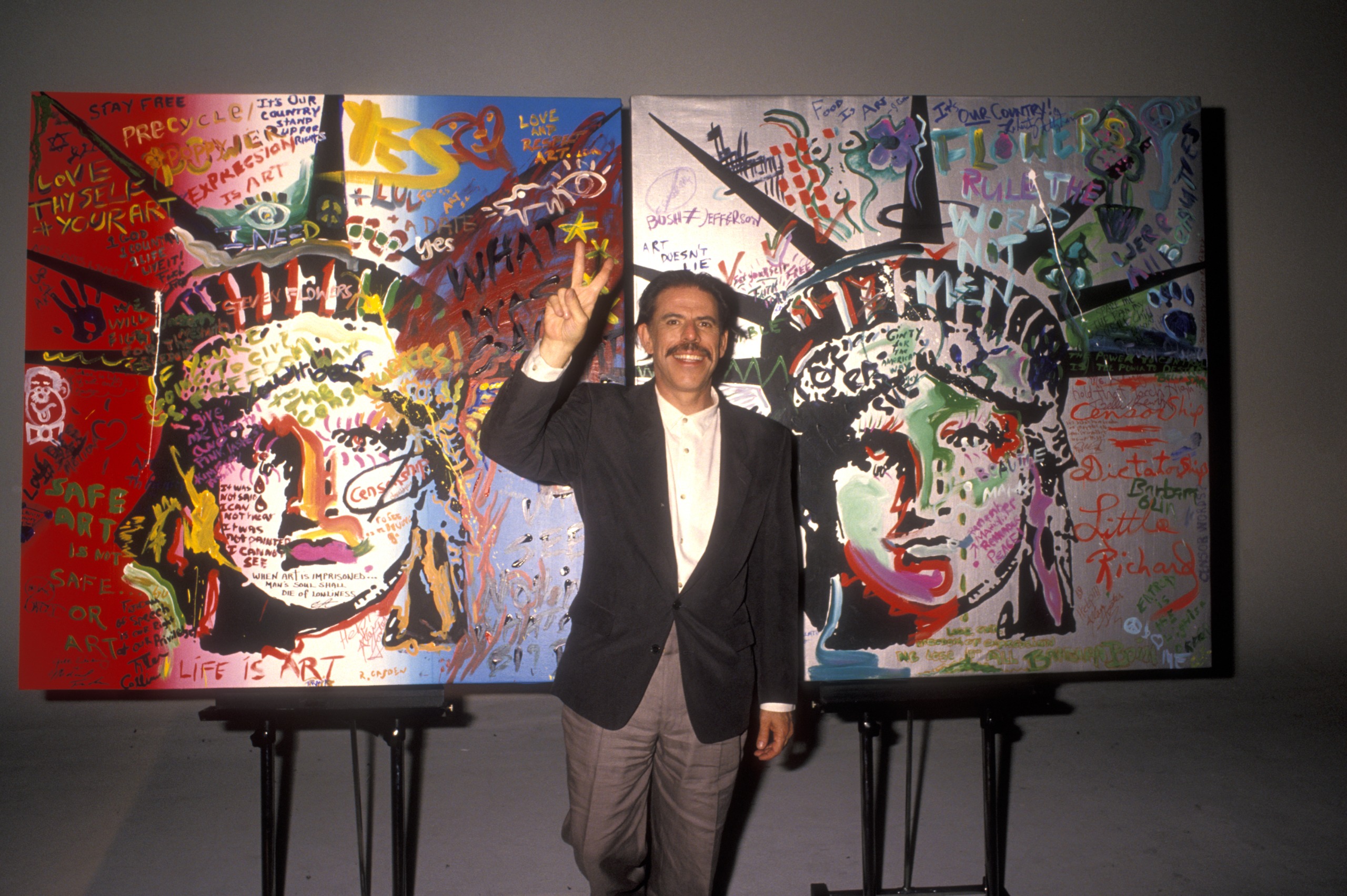
"I’m just wowed by the universe," he once remarked. "I’m just glad to do something I love to do. My legacy is in the hands of other people."
Looking Forward: The Cosmic Spirit Lives On
Peter Max’s passing is a reminder of the fragility of the creative spirit, yet his work stands as an enduring monument to human potential. He leaves behind a world that is objectively more colorful because of his presence. Whether through his iconic posters that defined the bedrooms of teenagers in the 1960s or his high-profile commissions that graced the halls of power, Max’s reach was global and his impact, indelible.
He once advised young artists not to fear mistakes, noting, "Making things out of mistakes, that’s creativity." It is a philosophy that will continue to guide the next generation of designers, painters, and dreamers who look at the world and see not just what it is, but what it could be if viewed through a lens of cosmic wonder.
As we bid farewell to the man who captured the visual soul of the 20th century, we are left with his vibrant colors and his unwavering message of unity. The odyssey through time and space that he described as his life’s journey may have reached its conclusion, but the art he left behind—that ever-expanding source of possibilities—will continue to resonate for generations to come.
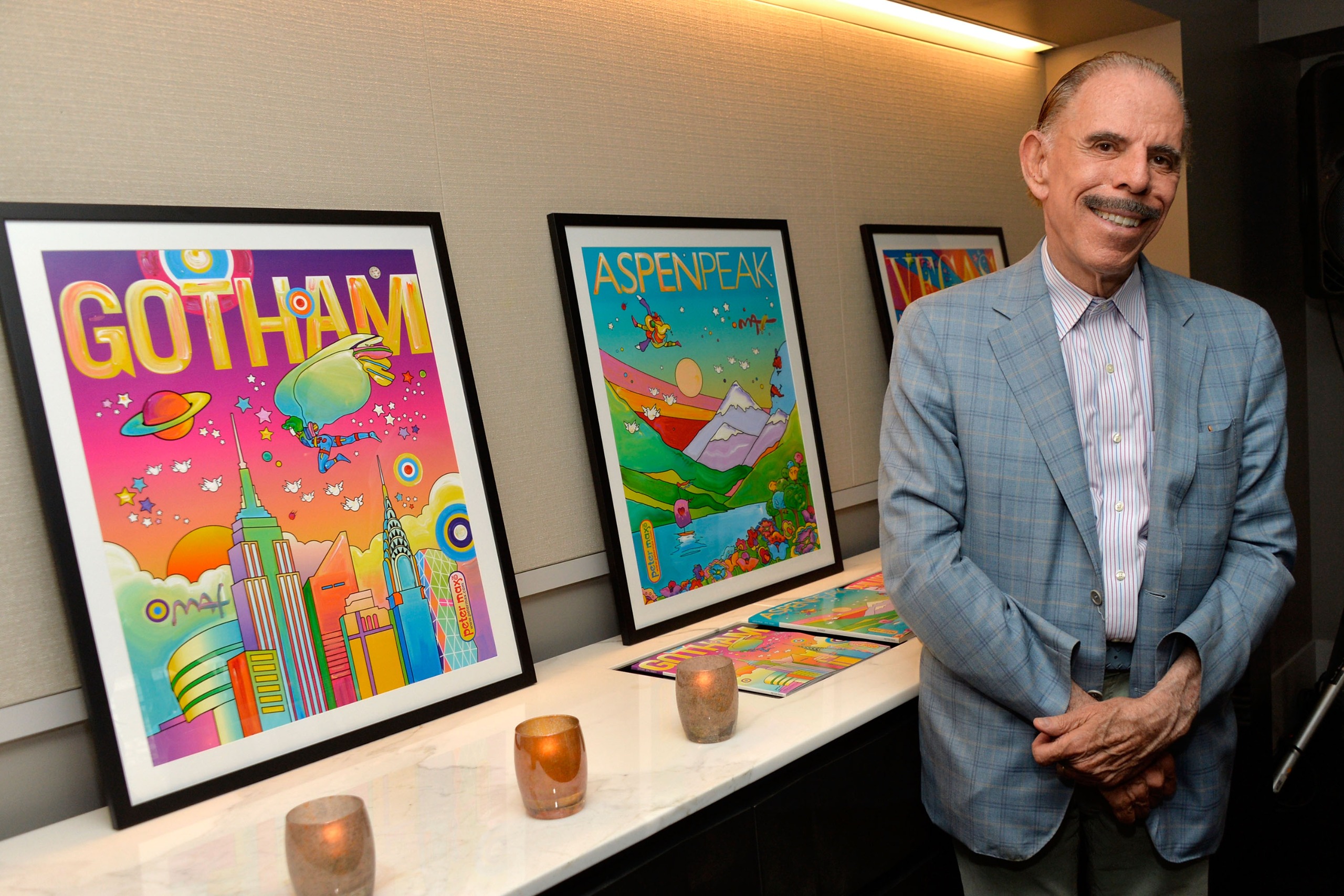
Peter Max may no longer be here to paint the suns and stars, but he has ensured that we will always have a map to find them ourselves. In the harmony of his color palettes, the spirit of love, peace, and togetherness that he championed remains as vital as it was when he first put brush to canvas. He was, and remains, the architect of a visual utopia, a reminder that in unity, there is indeed strength.


 Muslim
 Nana Muazin