Nana
Nana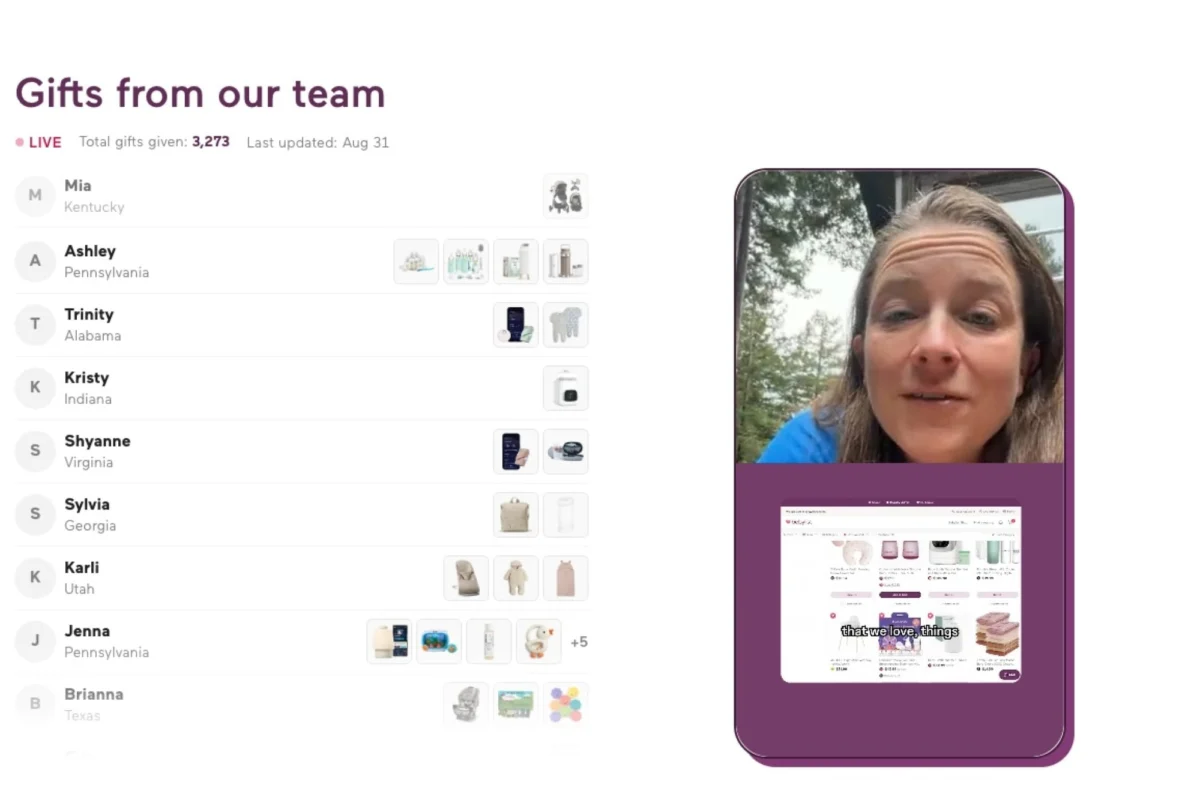
The internet, often criticized for its tendency to amplify division and cynicism, has recently pivoted toward a surprisingly wholesome collective endeavor. In a digital landscape where viral trends are typically fleeting and performative, a new movement has emerged that is providing tangible, life-changing support to thousands of expectant families. What began as a personal gesture of gratitude from Call Her Daddy host Alex Cooper has snowballed into a massive, multi-platform philanthropic chain reaction known as the #BabylistItForward movement.
As of September 2026, thousands of parents-to-be—ranging from military families to those facing financial hardship—are receiving everything from essential diapers and bottles to high-end strollers and nursery furniture, funded entirely by strangers, celebrities, and corporate partners. This phenomenon represents a unique intersection of influencer culture, community support, and the evolving nature of digital altruism.
The Genesis: A Personal Cycle of Giving
The trend traces its roots to May 2026, when Alex Cooper, the powerhouse behind the Call Her Daddy podcast, announced she was expecting her first child with her husband, film producer Matt Kaplan. Throughout her pregnancy, Cooper utilized her massive social media presence to solicit advice and share the realities of the parenthood journey with her audience.
In a move to show appreciation for the support and community she found online, Cooper began quietly purchasing items from the Babylist registries of her followers. These weren’t just token gifts; videos surfaced across TikTok and Instagram showing Cooper clearing entire registries, ensuring expectant parents had the equipment they needed to welcome their newborns.

"Clearing out registries was a way to thank the community for all their incredible support and advice," Cooper stated in a press release. "Reading their stories and seeing what that meant to them made me want to find a way for Unwell [her media network] to keep paying that forward."
This act of kindness resonated deeply with her followers, who began posting emotional "unboxing" videos as their much-needed supplies arrived. However, the movement truly solidified when the gesture transcended the creator-fan dynamic and became a horizontal network of peer-to-peer generosity.
A Chronology of the #BabylistItForward Movement
The evolution of this trend moved at a lightning pace, typical of digital culture but rare in its sustained positive impact.
- Phase 1: The Celebrity Catalyst (Early Summer 2026): Alex Cooper and the Unwell network begin the initial wave of surprise gift-giving. The emotional weight of these videos encourages viewers to investigate the registries themselves.
- Phase 2: Grassroots Adoption (Mid-Summer 2026): Viewers who were not wealthy influencers began participating. Individuals started scanning the comments sections of viral videos, seeking out expectant parents to purchase smaller, essential items like a single box of diapers or a pack of bottles.
- Phase 3: Formalization (August 2026): Seeing the scale of the organic movement, the registry platform Babylist officially stepped in to support the effort, branding it #BabylistItForward. This allowed the platform to facilitate a more organized vetting and donation process, ensuring that the aid reached those who needed it most.
- Phase 4: Corporate Integration (Late August–September 2026): Major brands and other celebrities joined the fray. Companies like UPPAbaby, Mina Baie, and Itzy Ritzy began dedicating specific resources to clear lists, creating a corporate social responsibility (CSR) model tied to social media sentiment.
Supporting Data: The Scale of Compassion
The statistics behind this movement offer a glimpse into the power of the "kindness economy." When Babylist officially launched the #BabylistItForward campaign, the response was instantaneous. According to data shared with Mashable, more than 15,000 expectant parents reached out to the platform’s launch post within the first sixty minutes.

As of August 31, 2026, Babylist reported that their own team had fulfilled 3,279 registry gifts. This, however, represents only a fraction of the total movement, as it does not account for the thousands of independent transactions facilitated by individuals, smaller brands, and other influencers.
The diversity of the participants is equally noteworthy. The trend drew in reality stars like Colton Underwood, Harry Jowsey, and actors such as Jenna Ushkowitz and Anneliese van der Pol, who used their platforms to amplify the registries of their followers. This effectively created a decentralized "safety net" where users could nominate friends, family, or colleagues who were struggling, effectively crowdsourcing the "village" that modern parenting so often lacks.
Official Responses and the Role of Corporate Stewardship
The involvement of corporate entities like Babylist, Pampers, and UPPAbaby has been a subject of significant discussion in the marketing and digital culture spheres. Jennifer Hyman, the incoming CEO of Babylist, noted that the movement proved parents are searching for more than just physical goods—they are seeking connection, validation, and expertise.
"The partnership was intended to reach parents when they need answers, reassurance, and connection," Hyman said. The campaign has since pivoted to include the sharing of parenting tips and product recommendations, ensuring that the platform serves as a knowledge base as well as a donation hub.

Other brands have adopted specific niches within the campaign. For example, Mina Baie provided diaper bags, while Itzy Ritzy committed to purchasing up to $300 worth of goods per selected registry. This targeted approach allowed smaller businesses to contribute in meaningful ways that aligned with their specific product lines while still providing substantial relief to the families involved.
The Human Impact: Real Stories, Real Relief
While the numbers and corporate endorsements are impressive, the heart of the movement lies in individual stories. Consider the case of Wyatt Morris, an active-duty service member expecting his first child. After posting his registry on TikTok, the community rallied around his family. In a follow-up video, he confirmed that his entire list had been purchased by strangers.
For many parents, these registries represented the difference between financial stability and a stressful transition into parenthood. By removing the financial barrier of essential baby gear, the internet has effectively lowered the baseline of anxiety for thousands of households.
Implications for Digital Culture and Altruism
What does this suggest for the future of the internet?

First, it highlights the potential for "viral" energy to be directed toward constructive outcomes. In a digital environment dominated by algorithmic polarization, the #BabylistItForward movement provides a template for how social media can be used as a tool for wealth redistribution and community building.
Second, it challenges the cynical view of influencer culture. While creators are often accused of vanity, this trend demonstrates that they possess a unique ability to mobilize massive resources quickly. When that influence is pointed toward altruism, the scale of the impact is unparalleled.
Finally, the trend points to a growing "loneliness epidemic" in modern parenting. The eagerness with which people participated suggests a deep-seated desire to recreate the communal support systems of the past—systems that have largely disintegrated in the era of nuclear families and geographic isolation. By participating in these registries, strangers are not just buying car seats; they are signaling that they care about the success of a new life and the wellbeing of a new parent.
As the movement continues to evolve, it serves as a powerful reminder that while the internet is an unpredictable and often harsh place, it is also capable of profound, sustained kindness. The trend may eventually fade from the front pages of our social feeds, but for the families who received these gifts, the impact—a nursery prepared, a diaper bag filled, a transition made easier—will endure for years to come.


 Asep Darmawan
 Sagoh
Sagoh