Suro Senen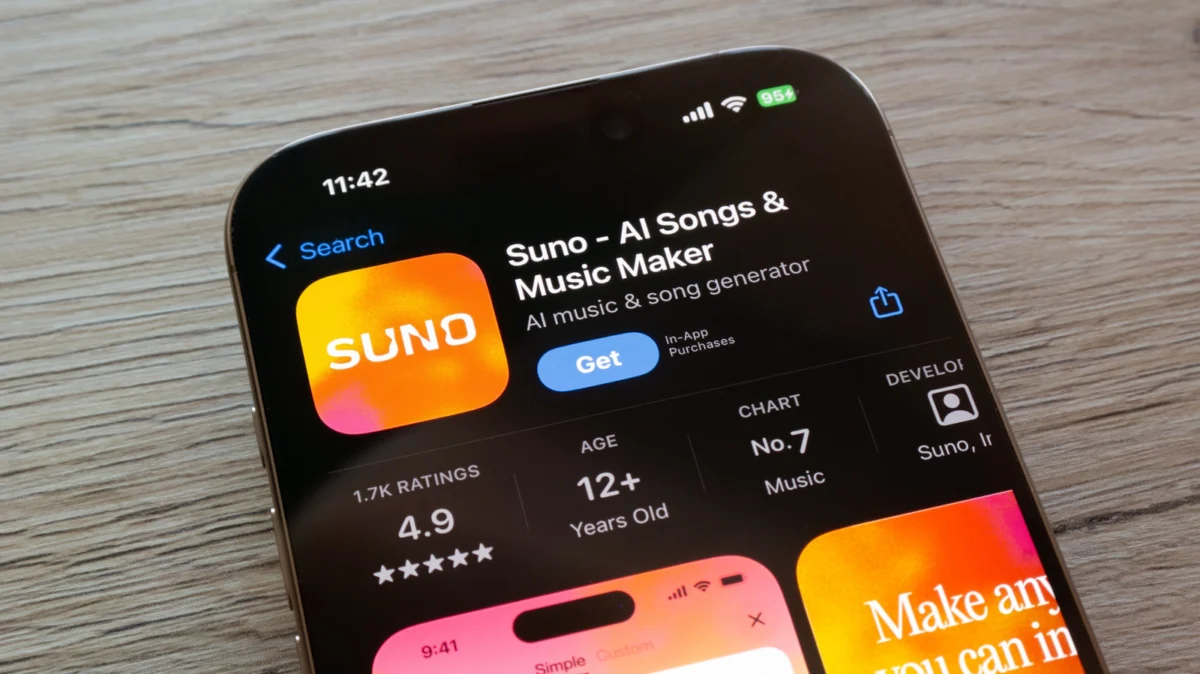
The generative artificial intelligence sector is facing a new, existential reckoning. In a significant escalation of the ongoing legal skirmish between the music industry and AI developers, global music giants Sony Music Entertainment and Universal Music Group (UMG) have filed a new lawsuit against the AI music generator Suno. The core of this legal challenge strikes at the heart of Suno’s "v6" model architecture, alleging that while the company has sought to legitimize its operations through recent licensing deals, its underlying technological framework remains built upon a foundation of systematic copyright infringement.
This latest litigation, which threatens billions of dollars in potential damages, represents more than just a business dispute; it is a high-stakes test of whether AI companies can "launder" copyright-infringing data through iterative training processes.
The Core Allegation: Fruit of the Poisoned Tree
The central contention in the lawsuit, which has been obtained by Music Business Worldwide, is that Suno’s v6 model is the technological equivalent of a "poisoned tree." While Suno has publicly touted its v6 models as a triumph of collaboration—having signed licensing agreements with industry titans such as Warner Music Group (WMG), BMG, and Believe—the plaintiffs argue that these partnerships are a veneer.
Sony and UMG assert that the v6 models were not trained exclusively on licensed content. Instead, they claim that Suno utilized "user interactions" and "preference signals" derived from previous, unlicensed models. In the eyes of the plaintiffs, these "preference signals" are inextricably linked to the millions of copyrighted tracks that were scraped from platforms like YouTube, Deezer, and Genius during the development of Suno’s earlier iterations.
By using data generated by models that were built on unauthorized content, the labels argue that Suno has essentially created a "feedback loop" of infringement. The lawsuit alleges that this process implicates at least 60,202 specific sound recordings. Under the rigid framework of U.S. copyright law, which allows for statutory damages for willful infringement, the potential financial liability for Suno could reach a staggering $9 billion. Furthermore, the labels are seeking additional damages for what they describe as the deliberate circumvention of digital rights management (DRM) and anti-scraping technologies employed by platforms like YouTube.
A Chronology of Conflict
To understand the severity of this new filing, one must look at the timeline of tension between the tech startup and the record industry.
- The Scraping Era (2023–Early 2024): During its foundational phase, Suno operated under the "fair use" defense, arguing that the massive ingestion of internet-wide audio data was a transformative process necessary for technological innovation. Reports and investigative leaks, including a July 2026 hack of the platform’s internal data, revealed that Suno had scraped millions of songs and lyrics without consent.
- The Initial Litigation (Mid-2024): Sony, UMG, and WMG launched their first massive offensive against Suno and Udio, another prominent AI music generator, alleging wholesale copyright infringement.
- The Pivot to Licensing (Late 2024–2025): Recognizing the existential threat posed by these lawsuits, Suno began aggressively pursuing licensing deals. They successfully secured agreements with Warner Music Group, BMG, and Believe. With the release of the v6 models, Suno effectively retired its older, more controversial versions, signaling a pivot toward a "licensed-first" business model.
- The Escalation (September 2026): Sony and UMG filed their second lawsuit, rejecting the notion that the v6 models are "clean." They argue that even if the v6 model ingested licensed data, the "accumulated learnings" from its predecessor models—which were trained on illegal scrapings—taint the new output.
Supporting Data and Technical Nuance
The legal complaint delves into the technical mechanisms of AI training, a subject that has historically been opaque. The labels argue that in modern deep learning, the "weights" and "parameters" of a model are directly influenced by the data it processes. Therefore, if a model’s initial architecture was shaped by stolen data, the "intelligence" of the model is inherently derivative of that theft.
The plaintiffs are highlighting the specific volume of the infringement. By identifying 60,202 sound recordings that were purportedly processed without a license, the record labels are setting a specific threshold for statutory damages. The claim that Suno bypassed YouTube’s anti-downloading software adds a layer of "willful infringement," which, if proven, allows for significantly higher financial penalties under the Digital Millennium Copyright Act (DMCA).
Official Responses: A Clash of Ideologies
The public discourse surrounding this lawsuit highlights the fundamental disconnect between the music industry’s desire to protect creative property and the AI sector’s drive to democratize production.
In a statement provided to Engadget, Suno maintained its innocence, characterizing the lawsuits as a misunderstanding of how generative technology functions: "These claims remain fundamentally flawed on both the facts and the law," a company spokesperson stated. "Suno exists so that more people can make new music. Over the past two years, we have doubled down on this goal, launching v6 in partnership with WMG, BMG, and Believe."
Suno’s defense rests on the argument that their models represent a synthesis of human creativity, community feedback, and licensed assets. "We are excited for a future where AI and the music industry continue to strengthen one another and build entirely new product experiences for artists, fans, and the broader music community," the statement added.
The record labels, however, remain unmoved by the promise of "new product experiences." They view the AI-generated music output not as a new tool for artists, but as a direct market competitor built using their own intellectual property without compensation.
The Broader Implications for AI and Creativity
The outcome of this lawsuit will likely set a precedent for the entire generative AI industry, extending far beyond the music sector.
1. The "Clean Data" Standard
If the court agrees with Sony and UMG that "preference signals" derived from unlicensed training constitute copyright infringement, it will set an incredibly high bar for AI companies. It would mean that developers cannot simply "clean up" their act by signing a few licensing deals; they may be required to delete their entire model history and start training from scratch using only verified, licensed datasets.
2. The Economics of Training
The cost of training a state-of-the-art AI model is already in the hundreds of millions of dollars. If companies are forced to license every single track used in a training set, the cost of development could skyrocket, potentially creating an insurmountable barrier to entry for smaller startups. This could effectively turn the AI industry into an oligarchy, where only the wealthiest tech conglomerates can afford to build compliant models.
3. The Future of Human Authorship
At the heart of the matter is the definition of authorship. Is an AI output that mimics the "style" or "sound" of a major artist an infringement, or is it a new, transformative work? The music industry is fighting to ensure that their catalog remains the primary source of value in the ecosystem, while AI companies are fighting for the right to use that catalog as the "training fuel" for a new era of digital creativity.
4. Regulatory Uncertainty
As this case proceeds through the courts, it is likely to draw the attention of lawmakers. With the music industry lobbying for stricter protections and the tech industry pushing for "fair use" interpretations, the judiciary is being forced to act as a de facto regulator of the AI revolution.
Conclusion
The lawsuit between Sony Music/UMG and Suno is a landmark moment in the collision between legacy copyright law and frontier technology. While Suno attempts to position itself as a collaborator with the industry, the labels are demanding a full accounting for the data that made the current generation of AI music possible.
As the case moves toward discovery and potential trial, the tech and music industries will be watching closely. Whether this leads to a settlement—perhaps a grand, industry-wide licensing deal—or a court ruling that drastically curtails the development of generative models, one thing is certain: the era of "move fast and break things" in AI music generation has officially come to an end. The industry is moving into an era of accountability, where the provenance of every data point is as important as the model’s ability to generate a hit song.


 Jia Lissa
 Ammar Sabilarrohman