

In the high-stakes world of PC hardware, innovation is often measured by clock speeds, latency, and RGB aesthetics. However, at this year’s Computex, the most significant breakthrough wasn’t found in a record-breaking overclock or a flashy new chassis. Instead, it was found tucked away on the DIMM slots: a collaborative effort between Cooler Master and G.Skill that introduces active cooling directly to DDR5 memory modules.
While initially dismissed by many industry analysts as a "Computex gimmick"—the type of flashy prototype designed to grab headlines rather than solve real-world problems—the technology proved itself on the show floor. By integrating miniature fans directly into the RAM modules, these companies are addressing a critical, often overlooked bottleneck in modern high-performance computing: thermal throttling in DDR5 memory.
The Core Innovation: Active Cooling on the DIMM
The concept of active cooling for RAM is not entirely new, but previous iterations were bulky, cumbersome affairs. Typically, enthusiasts would install dedicated RAM fans that hovered over the memory banks, requiring awkward mounting brackets and additional cable management. These solutions were often noisy, obtrusive, and incompatible with many large air-cooled CPU heatsinks.
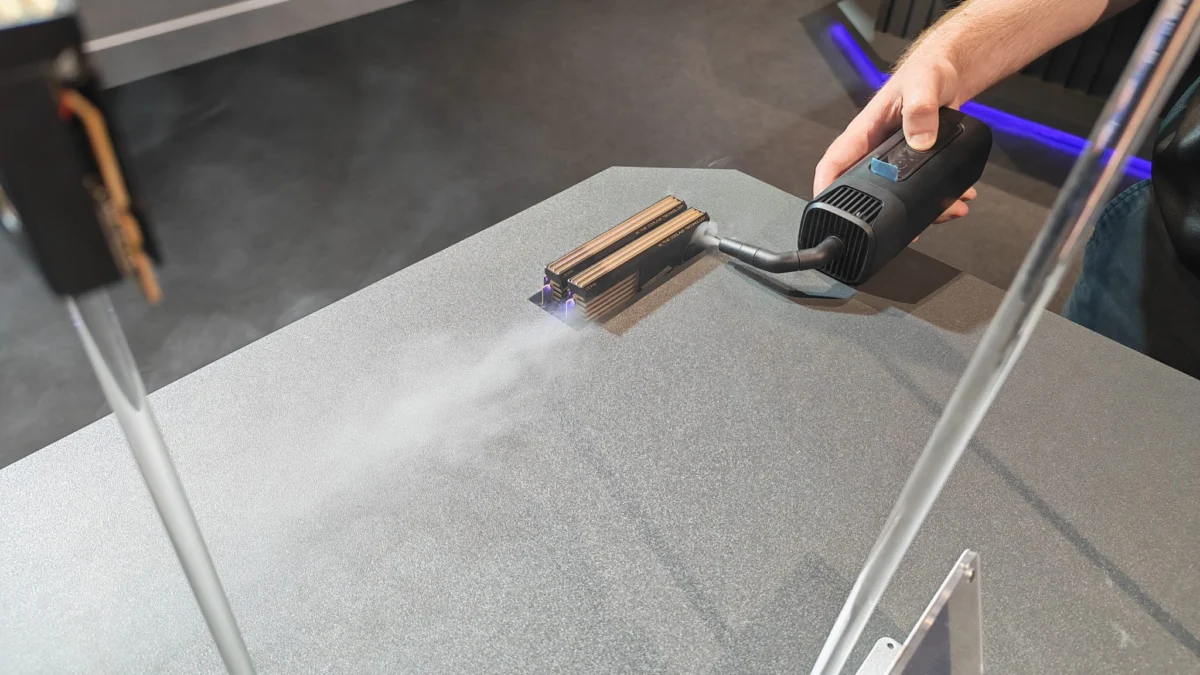
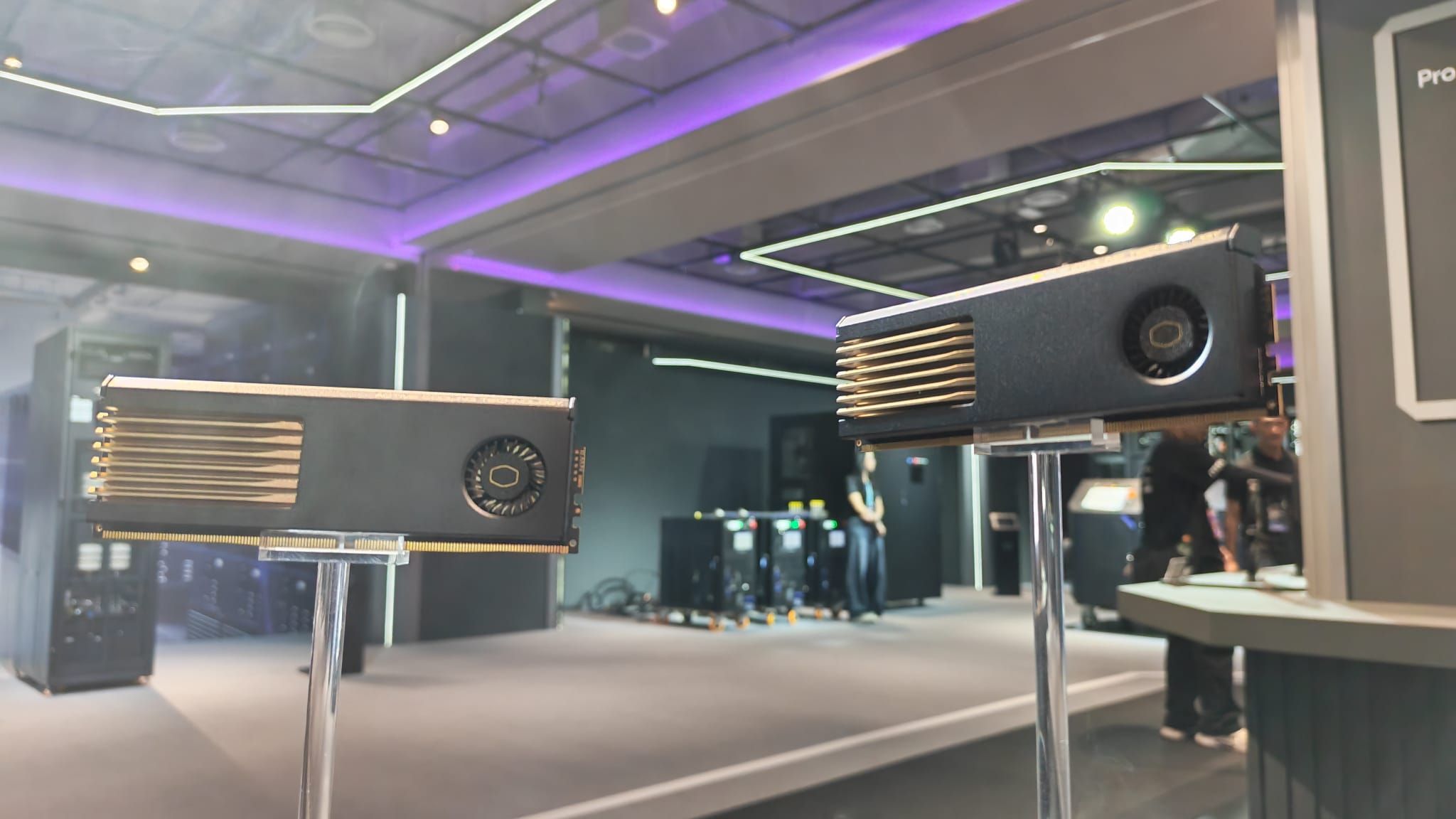
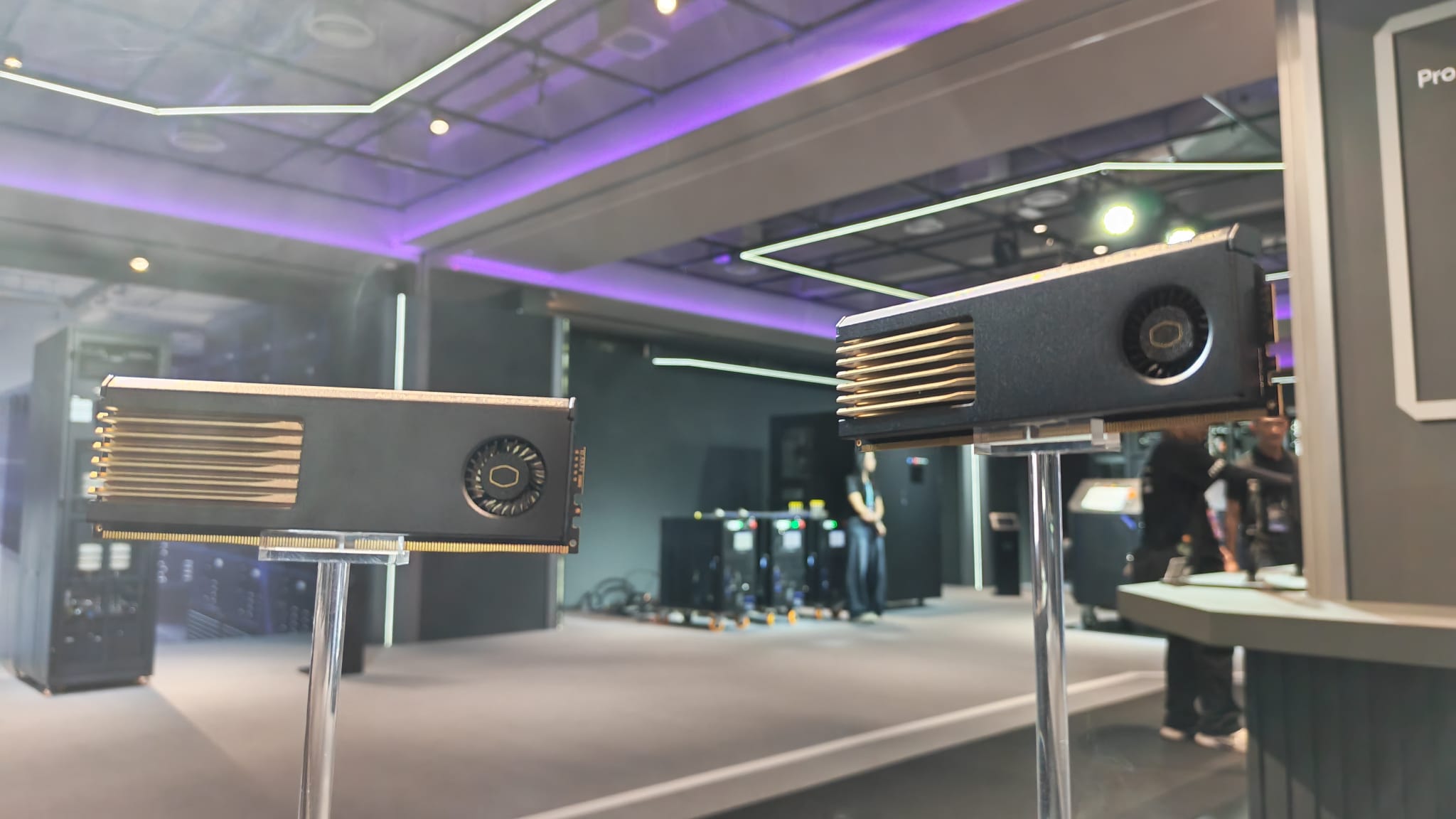
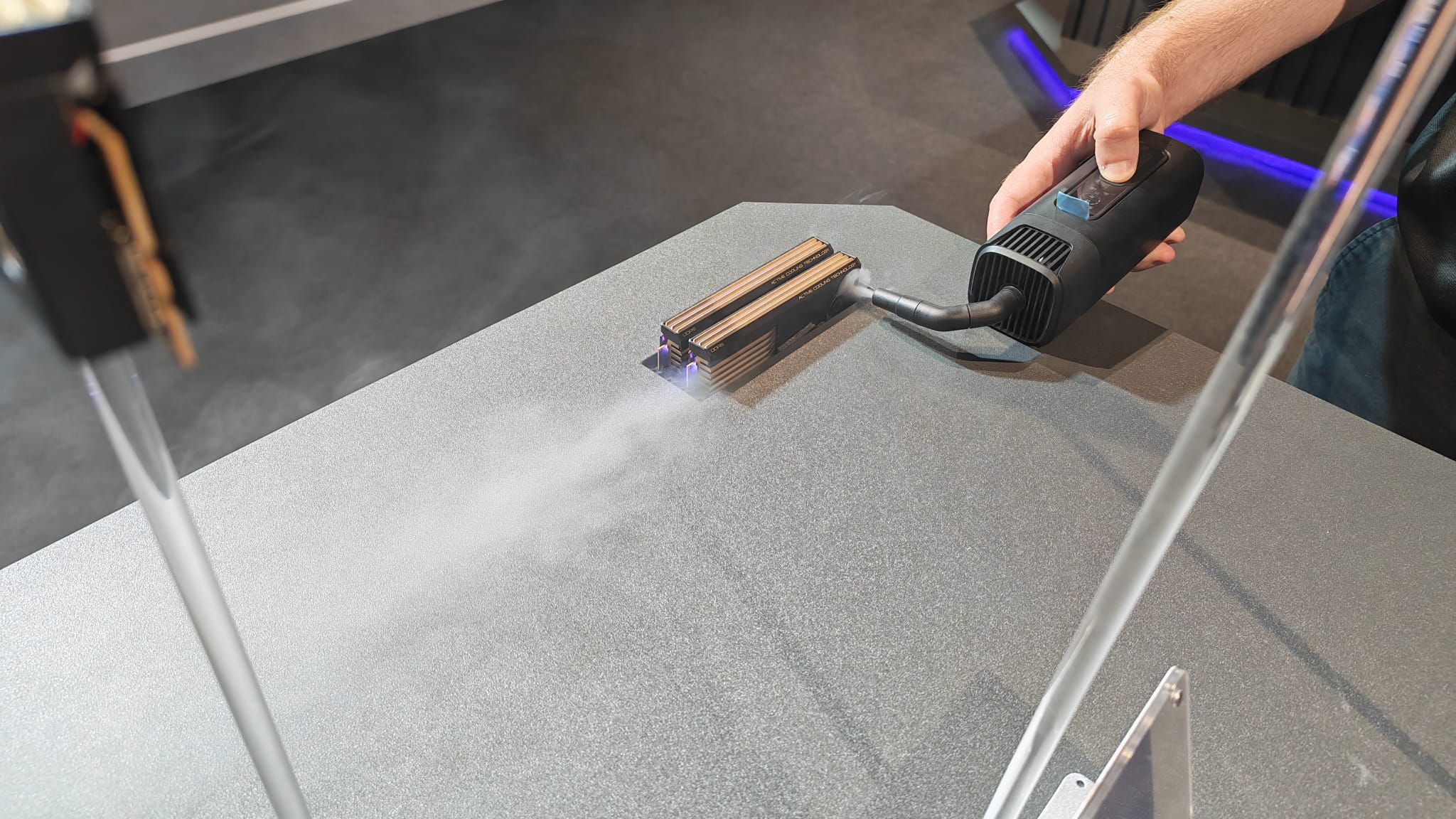
The solution presented by Cooler Master and G.Skill abandons the "add-on" philosophy in favor of integration. These DDR5 modules feature micro-fans built directly into the top of the heat spreader. During a live demonstration at the show, the effectiveness of this design was put to the test. A booth representative utilized a smoke machine to visualize airflow; the small fans, while operating at whisper-quiet levels, generated enough focused static pressure to dissipate a thick stream of smoke from over a meter away.
Crucially, this engineering feat does not require external power connectors. There are no PWM headers to plug into your motherboard, no proprietary controllers to hide in your case, and no extra cables to clutter your build. The power is delivered through the DIMM slot itself, making the installation process identical to any standard RAM kit. It is a "plug-and-play" solution to a complex thermal problem.
A Chronology of Memory Evolution
To understand why this development is significant, one must look at the history of RAM thermal management. For decades, RAM operated at voltages and frequencies that generated negligible heat. Passive heatsinks were largely decorative, serving as a canvas for branding or RGB lighting.
However, the transition to DDR5 changed the landscape entirely. With higher base frequencies, on-board Power Management Integrated Circuits (PMICs), and aggressive XMP/EXPO overclocking profiles, DDR5 modules run significantly hotter than their predecessors.
- The DDR3/DDR4 Era: RAM was relatively cool, and standard heat spreaders were more than sufficient to prevent instability.
- The DDR5 Shift: The introduction of the PMIC on the PCB meant that voltage regulation was now localized on the stick itself, concentrating heat in a small, dense area.
- The Current Bottleneck: Enthusiasts pushing for 8000MT/s+ speeds found that even with decent case airflow, the localized heat on the modules caused "thermal walling," where the memory controller or the modules themselves would down-clock to preserve integrity, resulting in performance drops during heavy gaming or productivity workloads.
- The Computex 2026 Breakthrough: Cooler Master and G.Skill introduce the first mass-market attempt at integrated active cooling, signaling that the industry is finally acknowledging the thermal limits of high-frequency silicon.
Supporting Data: Why Cooling Matters
Cooler Master’s internal research suggests that thermal throttling is an "unforeseen" performance killer in the current generation of gaming PCs. While users obsess over CPU and GPU temperatures, RAM is often ignored, leading to inconsistent frametimes and system instability in high-load scenarios.
The specifications of these new modules are impressive. The lineup includes support for AMD EXPO up to DDR5-6000 with a tight CL26 latency, and for Intel enthusiasts, it supports extreme-frequency DDR5 CU-DIMM up to 8400MT/s via XMP 3.0. Despite the added mechanical complexity of the fans, the modules operate at a noise floor below 35dB. Most impressively, testing has shown a reduction in operating temperatures of up to 15°C compared to traditional passive cooling solutions.
For the average gamer, a 15°C drop might seem excessive, but for the competitive overclocker or the professional workstation user running memory-intensive simulations, that buffer is the difference between a stable system and a hard crash.
The Market Landscape: A Question of Availability
Despite the excitement surrounding this technology, there is a caveat. The current global supply chain for memory remains volatile, with periodic shortages and pricing fluctuations affecting the accessibility of high-end DDR5 kits.
Due to the specialized nature of these active-cooling modules, consumers will not be able to purchase them as standalone kits at retail for the immediate future. Instead, Cooler Master has announced that this memory will be integrated exclusively into their upcoming pre-built system line. This strategy serves two purposes: it ensures the hardware is validated in a controlled environment and allows Cooler Master to maintain quality control over the integration of this new cooling technology.
For the DIY enthusiast, this is a bittersweet reality. While the technology is ready, it will remain an exclusive feature of premium, pre-configured gaming rigs until the manufacturing process for the fan-integrated modules scales to meet retail demand.
Implications for the Future of PC Building
The move toward active cooling on memory modules sets a new standard for high-performance builds. As we move toward even faster memory standards—DDR6 and beyond—thermal density will only increase. If the industry follows Cooler Master’s lead, we may see a paradigm shift where "smart" components with integrated, self-regulating cooling become the standard for high-end gaming.
Furthermore, this development highlights the growing importance of the "system-level" approach to PC building. By focusing on the ecosystem rather than just the individual components, Cooler Master is effectively demonstrating that thermal management is no longer a peripheral concern—it is a core requirement for next-generation performance.
Will This Become the New Standard?
Whether this technology remains a niche feature or becomes the new industry standard depends on three factors:
- Durability: The longevity of a tiny fan running at high speeds within a confined, high-heat environment remains a valid concern for long-term reliability.
- Cost: Integrating active components into a module increases manufacturing costs significantly. Can this be passed on to the consumer without alienating the mid-range market?
- Form Factor: As ITX (small form factor) builds continue to rise in popularity, the extra height and bulk of these modules may create compatibility issues with compact CPU coolers.
Regardless of the challenges, the collaboration between Cooler Master and G.Skill is a breath of fresh air in an industry that has felt stagnant in its approach to memory cooling. By proving that fans can be silent, effective, and "cablery-free," they have opened the door to a new generation of high-speed, high-stability computing.
For now, these modules remain a fascinating glimpse into the future—a "no-joke" solution that tackles the thermal realities of modern DDR5, ensuring that the fastest memory in the world can finally run at its full potential without breaking a sweat. As we look toward future iterations, it is clear that in the race for performance, cooling is no longer just for the CPU and GPU; it is for every single component that drives the modern PC.











No comments yet. Be the first to join the conversation!