Ammar Sabilarrohman
After a year of anticipation that began on the bustling floor of CES 2026, the gadget maker Clicks is finally ready to test the market’s appetite for a modern-day digital throwback. The Clicks Communicator—a smartphone that unapologetically channels the aesthetic and functional spirit of the BlackBerry era—has officially confirmed that shipments will commence this December. While the device promises to bridge the gap between retro-enthusiasts and modern mobile users, the rollout is accompanied by a significant price adjustment and a suite of hardware enhancements that suggest the company is aiming for more than just a novelty play.
Main Facts: A Modern Twist on a Classic Concept
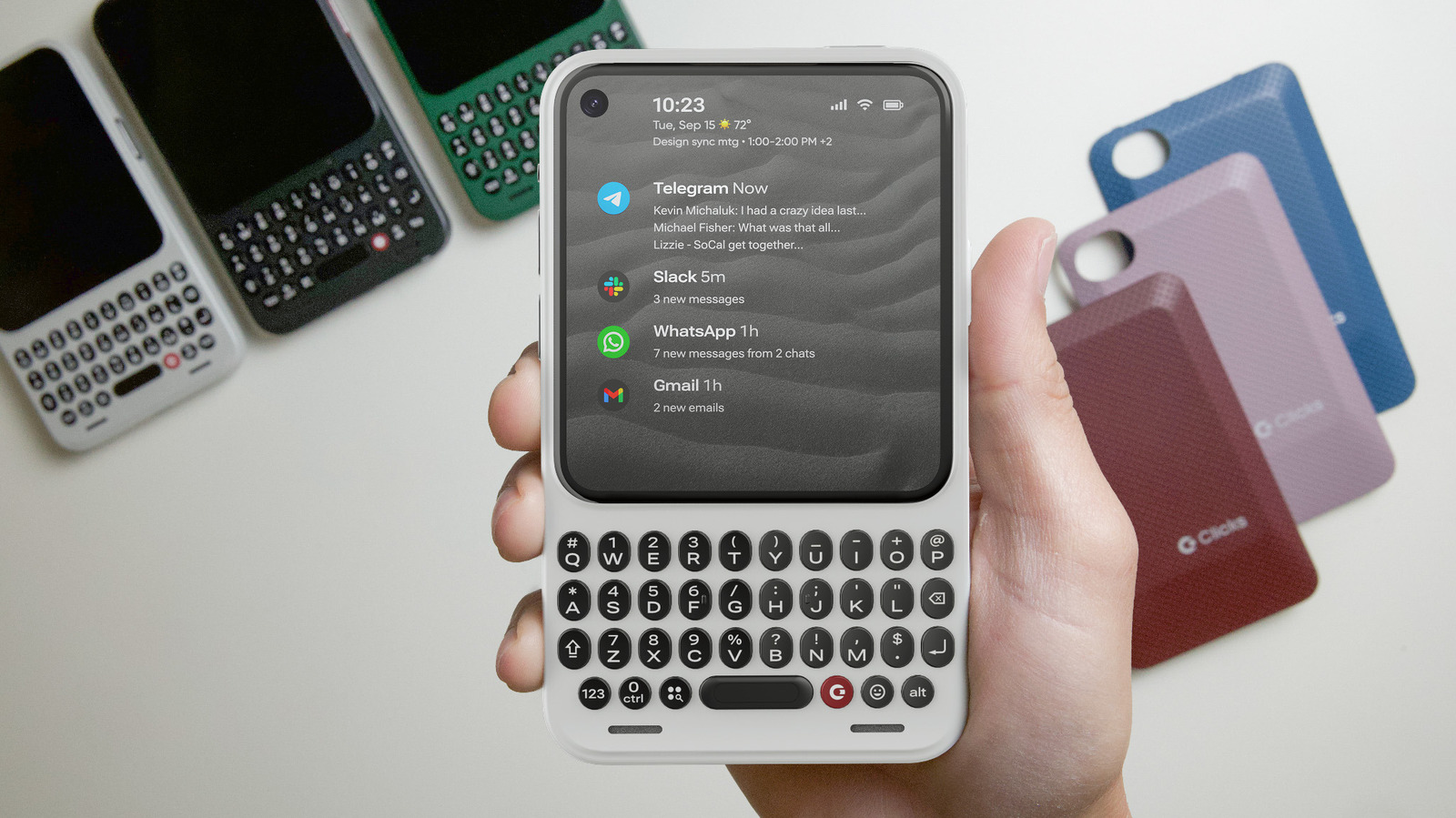
The Clicks Communicator is not designed to replace your current flagship smartphone. Instead, the company is positioning it as a specialized "second phone"—a dedicated device for communication, focused writing, and streamlined productivity. The philosophy is simple: strip away the distraction of infinite scrolling and replace it with the tactile precision of a physical keyboard.
Despite its nostalgic inspiration, the internal architecture is firmly rooted in the current decade. The device features a 4.03-inch, 120Hz AMOLED display that offers a sharp, fluid visual experience. Beneath the hood, the Communicator is powered by the MediaTek Dimensity 8300 chipset, providing a balance of performance and efficiency. For storage, users get 256GB of internal space, which is conveniently expandable via a microSD card slot—a feature that has largely vanished from the modern flagship landscape.
Perhaps the most defining feature remains the keyboard. It is not merely a set of clicky buttons; it is a sophisticated input peripheral. The surface of the keys is touch-sensitive, allowing users to scroll through web pages, emails, and documents without obstructing the screen with their fingers. Furthermore, the spacebar cleverly doubles as a secure, biometric fingerprint sensor, blending form and function seamlessly.
Chronology of Development: From CES Concept to Consumer Reality
The journey of the Clicks Communicator has been a lesson in iterative hardware development. When the device was first teased at CES 2026, it captured the attention of tech enthusiasts and former BlackBerry loyalists alike. The early prototype showcased the potential of a QWERTY-equipped Android device, but the company recognized that the "novelty" factor would only carry the product so far.
Over the last nine months, the engineering team at Clicks has been busy refining the internal components based on feedback and the rapidly evolving standards of the mobile market.
- January 2026: The Clicks Communicator makes its public debut at CES, generating significant buzz for its "retro-modern" design.
- Spring 2026: Engineering phase shifts toward optimizing battery life and software stability.
- Summer 2026: The company finalizes its manufacturing partnerships and confirms the shift to Android 17 as the baseline operating system.
- September 2026: Clicks announces the final hardware specifications—including the RAM boost—and prepares the supply chain for the December launch.
- October 1, 2026: The company institutes a price hike, moving from the "early bird" pricing to the full retail cost, signaling the transition from pre-order phase to commercial availability.
- December 2026: First units are slated to reach the hands of early adopters.
Supporting Data: Refined Specifications and Technical Capabilities
To ensure the device remains relevant in an era dominated by heavy apps and resource-intensive OS environments, Clicks has quietly boosted several core specs since the initial announcement.
Hardware Upgrades
- RAM: The device has been upgraded from the initially planned 8GB to 12GB, ensuring smoother multitasking for those who treat the device as a serious communication tool.
- Battery: The internal cell has been increased to 4,350mAh (up from 4,000mAh). Perhaps more importantly, Clicks has rated the battery for over 800 charge cycles, prioritizing longevity for a device intended to stay in a user’s pocket for several years.
- Imaging: The device is equipped with a 50MP rear camera and a 24MP front-facing sensor. While these aren’t designed to compete with the complex, multi-lens arrays of modern flagship phones, they are more than capable for document scanning and video conferencing.
Software Support
The Communicator will launch with Android 17 out of the box. In a commitment to long-term usability, Clicks has pledged software support through Android 20, supplemented by five years of security updates. This is a critical selling point for a niche device, as it reassures users that their investment won’t be rendered obsolete by security vulnerabilities or software incompatibility in the near term.
Linguistic Flexibility
The physical keyboard is designed with international accessibility in mind. While the default is the classic English QWERTY layout, the company is shipping regional variations, including French (AZERTY), German (QWERTZ), Korean, and Arabic, acknowledging the global community of tactile-keyboard lovers.
Official Responses and Strategic Positioning
In interviews surrounding the launch, leadership at Clicks has been careful to frame the Communicator not as a "dumb phone," but as a "refined tool."
"The goal was never to out-spec the biggest names in the industry," a company spokesperson noted during a recent briefing. "The goal was to create a mobile communicator that respects the user’s time and attention. By shifting the focus away from the visual clutter of current social media-driven interfaces and back toward the clarity of text and tactile interaction, we are offering an alternative to the status quo."
Regarding the price hike, the company maintains that the upgrades to the RAM and battery, combined with the complexities of producing a high-quality physical keyboard that integrates with a modern touchscreen, justify the shift from $499 to $649. They argue that as a niche device, the cost reflects a premium manufacturing process that mass-market electronics simply don’t require.
Implications: The Niche Market vs. The Mainstream
The Clicks Communicator sits at a fascinating intersection of trends. On one hand, there is a growing "digital minimalism" movement, where users are actively seeking ways to reduce screen time and focus on deep work. The Communicator is the perfect hardware companion for this lifestyle.
However, the $649 price point creates a significant hurdle. At this price, the device enters the territory of mid-range smartphones from major manufacturers that offer better cameras, more robust ecosystem support, and potentially faster processors. For the average consumer, spending over $600 on a secondary phone is a luxury, if not an outright impossibility.
The device also faces a fundamental software challenge: the aspect ratio of the screen and the presence of the physical keyboard mean that many Android apps—which are optimized for tall, bezel-less displays—may not render correctly or offer an ideal user experience. While the device handles messaging and emails with aplomb, users who rely on media-heavy apps may find the experience cumbersome.
Ultimately, the success of the Clicks Communicator will not be measured by how many units it sells compared to the latest flagship release, but by its ability to cultivate a loyal, niche following. If it can deliver a reliable, high-quality experience that genuinely improves the communication workflow of its users, it may well prove that there is still a vital space in the market for the tactile, the deliberate, and the physical.
As of now, the pre-order window remains open for those who want to secure their unit before the October 1 price change, offering a final opportunity for enthusiasts to lock in the early-adopter rate. Whether this device marks a true revival of the communicator or remains a high-end curiosity for power users, the industry will be watching the December shipments with keen interest.

 Suro Senen