Basiran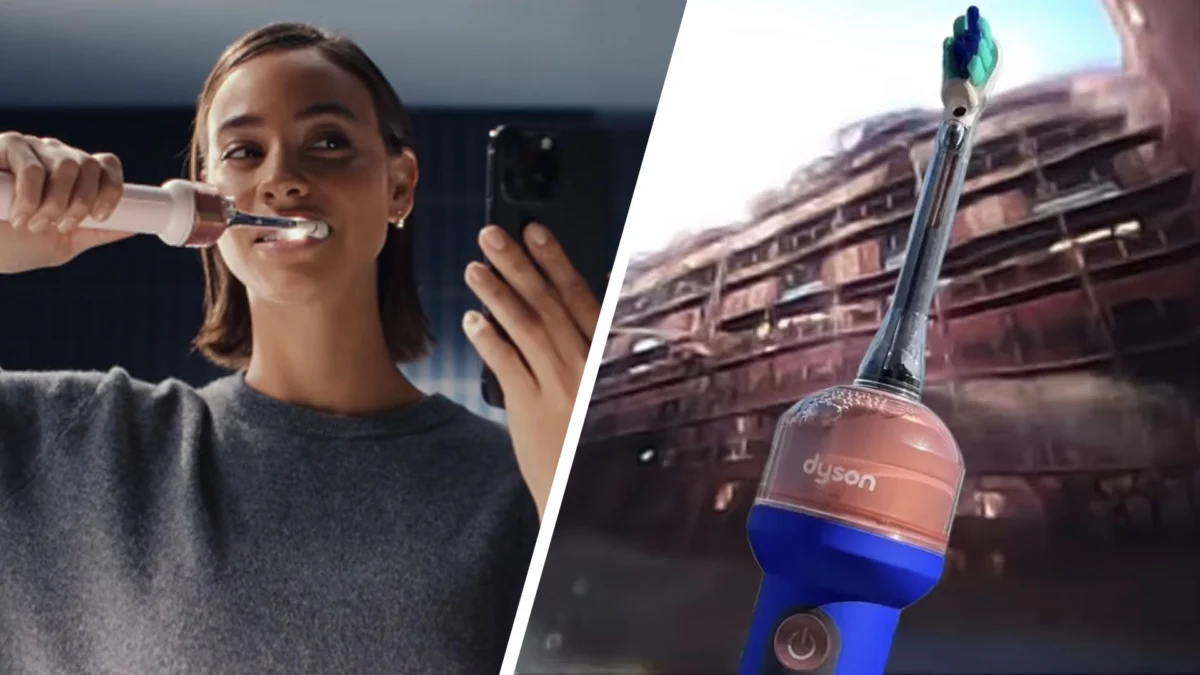
The tech world is no stranger to the phenomenon of "feature creep"—the tendency for manufacturers to cram unnecessary technology into everyday objects. Yet, even in a landscape defined by smart-fridges and internet-connected toasters, the release of the Dyson CameraJet has managed to shock both the appliance industry and the photography community.
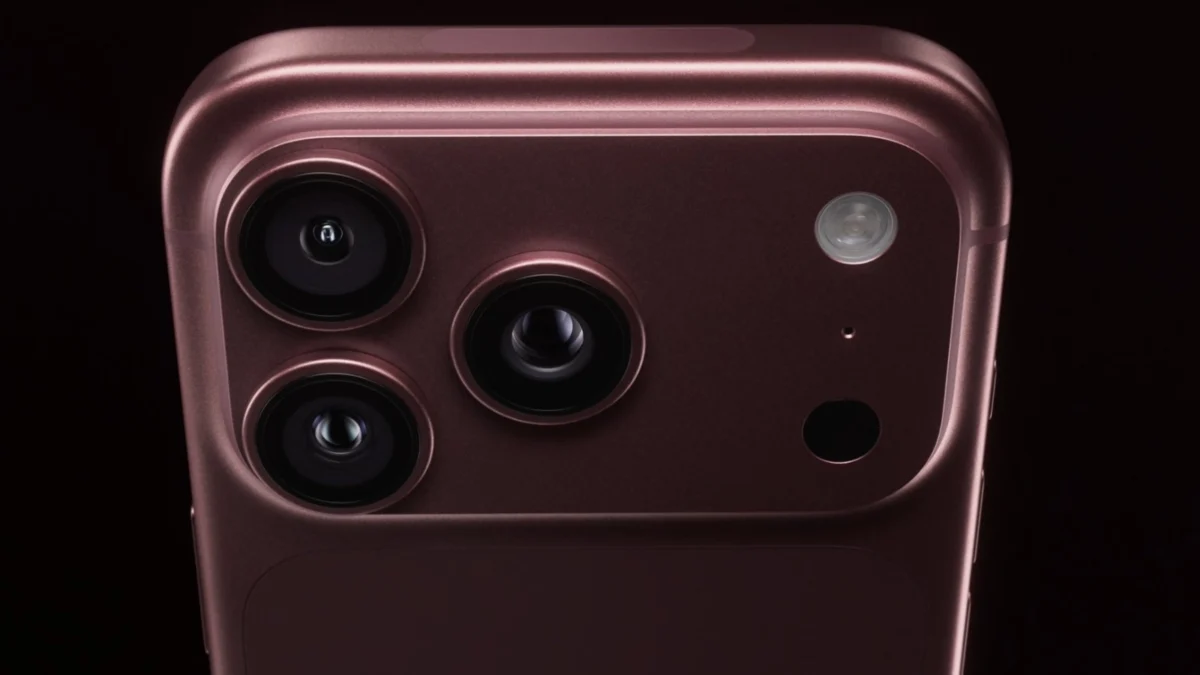
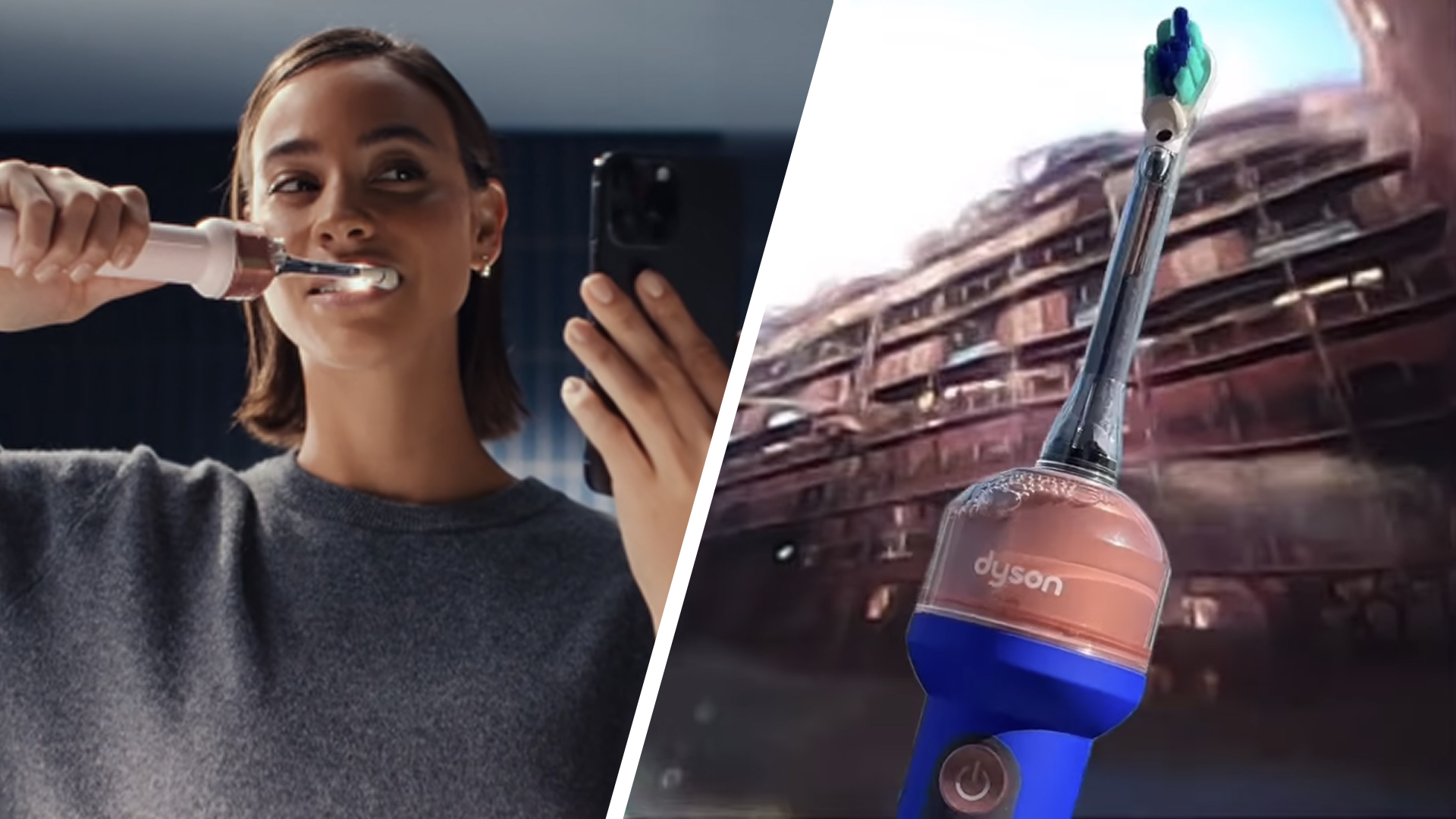
While Apple’s latest flagship, the iPhone 18 Pro, dominated headlines this week with its promise of mechanical variable apertures and computational imaging, the spotlight has been stolen by an unexpected usurper: a premium, camera-equipped electric toothbrush. The Dyson CameraJet, priced at $499, has transcended its primary purpose of oral hygiene to become a bizarre, cult-status tool for experimental street photography.
The Convergence of Oral Care and Optical Engineering
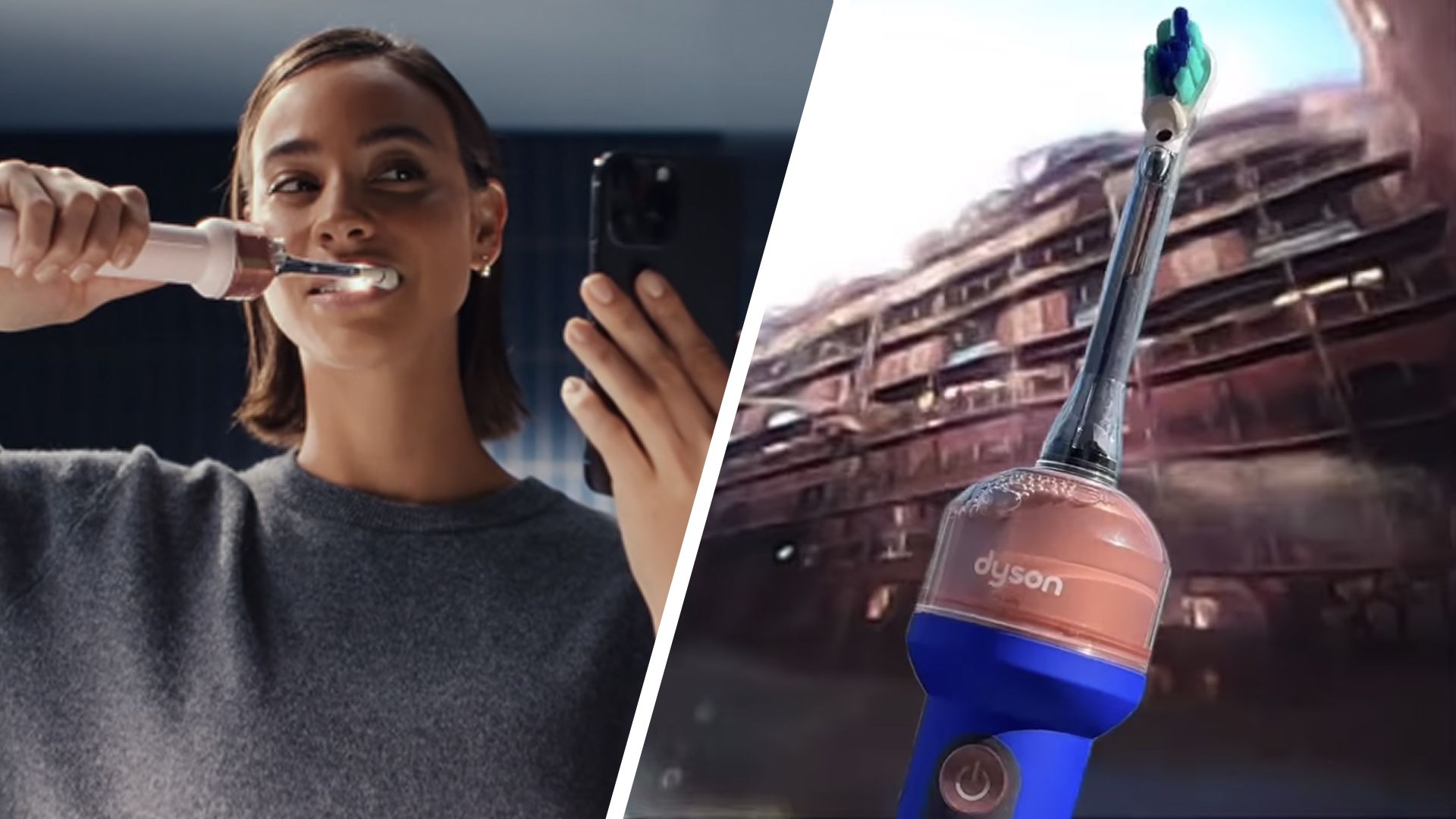
At its core, the Dyson CameraJet is a feat of miniaturization. Developed by the Singapore-based engineering giant, the device is marketed as the world’s first "connected" oral care system featuring an integrated high-definition optical sensor. While Dyson’s official literature highlights the camera’s ability to help users map their brushing habits through the MyDyson app—ensuring no molar is left unscrubbed—the hardware specifications tell a different story to the creative community.
The integrated lens provides a distinct, wide-angle "fisheye" aesthetic. When paired with the device’s high-speed oscillation motor, the resulting imagery captured via the app’s screen-capture functionality produces surreal, distorted urban landscapes. It is a tool that was never designed for the street, yet it is currently producing visuals that rival the grit and charm of 1990s-era lo-fi film photography.
A Chronology of the "Toothbrush Lens" Trend
The trajectory of the CameraJet from a bathroom utility to an avant-garde photography tool began shortly after its retail launch.
- Launch Week: Dyson officially releases the CameraJet in the US and UK markets. Despite the $499 price tag, initial stock sells out within hours, largely driven by tech enthusiasts curious about the device’s "smart" capabilities.
- The Viral Pivot: Within 48 hours of the release, Instagram creator All Gear No Skill posted a series of urban photographs. The images were immediately recognizable for their chromatic aberration, unpredictable color shifts, and a distinct, ethereal glow that mimicked infrared photography.
- The "Shot on a Toothbrush" Movement: As the hashtag began to circulate, professional photographers began to experiment with the device, utilizing it to capture candid street scenes that would be impossible to photograph with a traditional DSLR or a flagship smartphone. The stealth factor of a toothbrush—an object that draws zero suspicion in public spaces—has inadvertently made it an elite tool for "guerrilla" street photography.
- Current Status: As of this week, the device remains on backorder across major global retailers, with secondary market prices on platforms like eBay beginning to climb as collectors and experimental photographers clamor for the units.
Supporting Data: Technical Specifications and Limitations
While the Dyson CameraJet is not a camera in the traditional sense—it lacks a dedicated shutter button, internal storage, and raw file processing—it functions as a tethered optical device.
The Hardware Breakdown
- Optical Sensor: A proprietary wide-angle CMOS sensor optimized for low-light bathroom environments, which ironically excels in the high-contrast lighting of city streets.
- Connectivity: Bluetooth and Wi-Fi synchronization with the MyDyson app.
- Imaging Pipeline: The user must initiate a "brushing session" in the app, which activates the live feed. By taking manual screenshots of this feed, the user bypasses the lack of internal saving mechanisms.
- Form Factor: Ergonomically designed for the hand, the device’s slim, cylindrical chassis acts as a perfect grip for long-exposure photography, provided the user has a steady hand.
The technical "flaws"—such as the lack of focus control, the forced fisheye distortion, and the reliance on app-based screenshots—are precisely what photographers are finding attractive. In an era of hyper-realistic, AI-enhanced smartphone photos, the "toothbrush aesthetic" offers a refreshing, raw, and human-error-prone alternative.
Corporate Silence and Industry Implications
Dyson has yet to issue an official statement regarding the unintended use of their flagship toothbrush. Industry analysts suggest that the company is likely in a state of corporate bemusement.
"Dyson is a company that prides itself on engineering precision," says tech consultant Marcus Thorne. "To see their product used in such an unrefined, chaotic, and artistic manner is surely a disruption to their brand narrative. However, the viral nature of this trend is providing them with millions of dollars in organic marketing reach. It is a ‘good problem’ to have."
The question remains: will Dyson lean into this? There is already internal speculation within the creative community about a "Pro" model or a software update that might allow for higher-resolution exports or even manual exposure settings. For now, the company remains focused on the primary utility of the device, though the irony of a $499 toothbrush becoming a "best camera phone" contender is not lost on the market.
The Future of "Lifestyle" Hardware
The rise of the CameraJet raises profound questions about the nature of consumer electronics. Are we reaching a point where every household object will inevitably contain a camera?
Ethical and Privacy Concerns
The ubiquity of cameras in unexpected places, such as the CameraJet, has drawn immediate criticism from privacy advocates. The "Meta Glasses" phenomenon previously sparked debates regarding the ethics of recording in private or public spaces; the CameraJet takes this to an extreme. If an individual is walking through a cafe with a toothbrush in hand, there is no immediate visual cue that they are, in fact, capturing high-definition video of their surroundings.
The Democratization of the "Look"
From an artistic perspective, the implications are equally significant. The CameraJet proves that "pro-level" results are no longer tethered to $3,000 bodies and $2,000 lenses. Creativity is shifting toward the ability to manipulate "broken" or "incorrect" technology to achieve a specific emotional tone.
As one observer noted: "We have spent the last decade making our photos look more perfect. The CameraJet is a massive swing in the opposite direction. It’s dirty, it’s distorted, and it’s beautiful."
Conclusion: A Sign of the Times
Whether the Dyson CameraJet will remain a niche tool for experimental artists or be forgotten as a fleeting internet fad remains to be seen. However, its existence highlights a fundamental truth about modern technology: once a tool is placed in the hands of the public, the manufacturer no longer dictates its purpose.
For the photographer, the toothbrush is no longer a tool for cleaning enamel; it is a lens through which to view a distorted, dreamlike version of reality. For the tech industry, it is a stark reminder that consumers are always looking for the next "analog" thrill, even if it comes in the form of a $499, battery-powered brush.
As Apple and other tech titans continue to iterate on the traditional camera phone, they might want to look over their shoulders. The most disruptive competition may not be coming from a rival flagship, but from the most mundane objects in our daily lives.

 Ammar Sabilarrohman
 Asro
Asro