Ali Ikhwan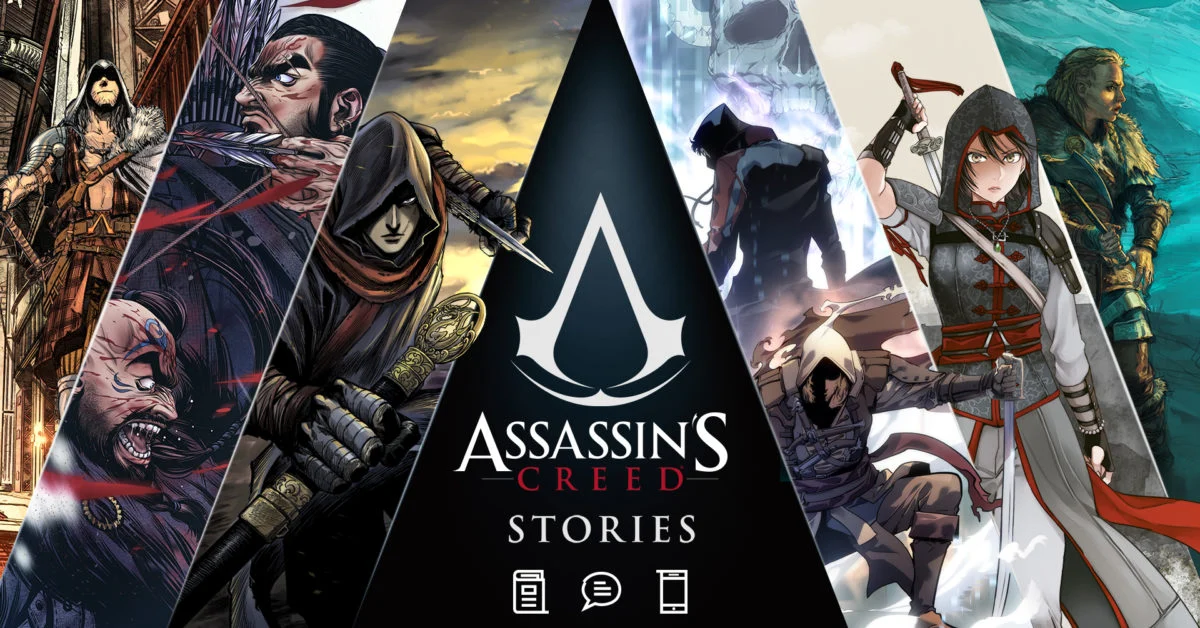
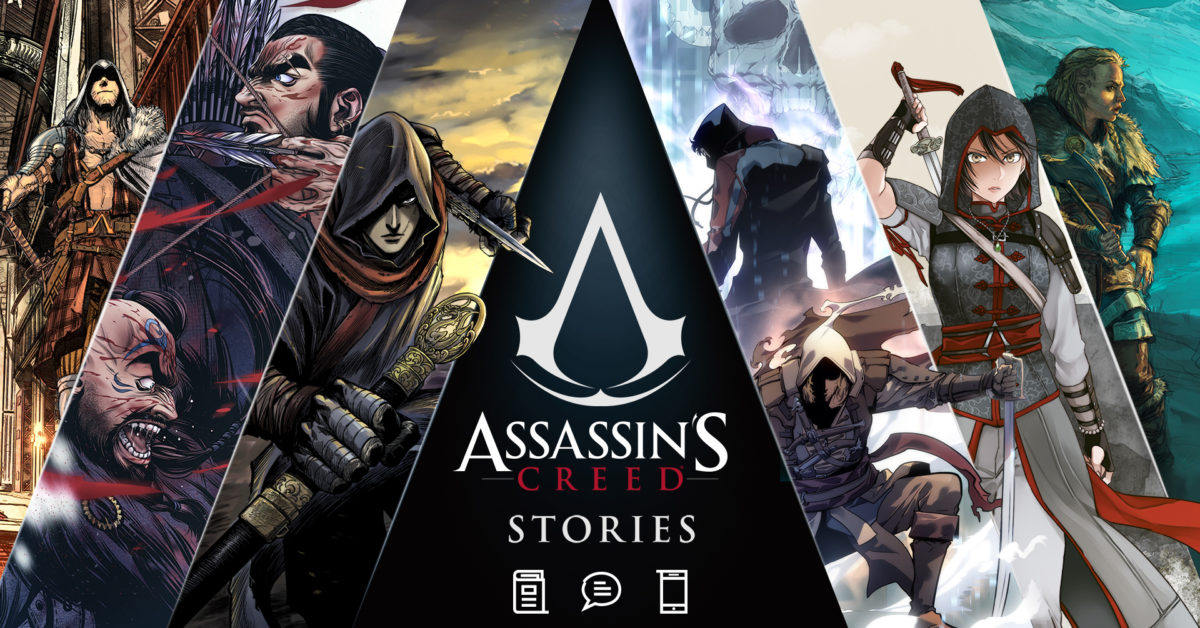
In a significant strategic pivot, Ubisoft has announced an ambitious expansion of its flagship Assassin’s Creed franchise. Moving far beyond the digital confines of console and PC gaming, the publisher is set to bring the long-standing conflict between the Assassins and the Templars to an array of new media platforms. The initiative, dubbed "Assassin’s Creed Stories," aims to transform the storied history of the brotherhood into a truly global, multi-platform narrative experience.
By integrating novels, graphic novels, manhuas, webtoons, and high-fidelity audio podcasts, Ubisoft is inviting a diverse pool of international creators to contribute to the lore. This marks the most significant effort in the franchise’s history to move away from a strictly game-first release cycle and toward a persistent, interconnected transmedia universe.
The Architecture of the Expansion
To maintain narrative cohesion across these disparate formats, Ubisoft has categorized its new publications into three distinct pillars, providing a clear roadmap for fans looking to navigate the expanding canon:
- Classics: These titles serve as direct, faithful adaptations of the narratives established within the existing video game library. They are designed to provide a deep-dive, prose-heavy look at the iconic moments that defined the series.
- Chronicles: These works focus on established fan-favorite characters. They aim to bridge the gaps between games, exploring the untold adventures of legendary Assassins in a format that allows for character-driven storytelling.
- Originals: Perhaps the most experimental of the three, this category introduces entirely new protagonists, unexplored historical time periods, and fresh conflicts within the overarching lore, allowing the franchise to experiment with new themes and settings without being tethered to previous game scripts.
A Global Narrative Approach
The backbone of this expansion is a commitment to global collaboration. Recognizing that Assassin’s Creed has a massive footprint in Asian markets, Ubisoft has specifically sought out partnerships with authors and illustrators from China, Japan, and Korea.
"With a license as rich as Assassin’s Creed, many creators are excited to offer their vision of the franchise," said Aymar Azaïzia, Transmedia Director at Ubisoft Montreal. "It’s a great creative opportunity to publish a work that is relevant to the genre in question and produced by authors or illustrators who are recognized in their field."
This sentiment is echoed by Julien Fabre, Associate Director of Publishing at Ubisoft, who emphasized the importance of regional authenticity. "With so many creators from all over Asia delivering innovative content, a priority for Ubisoft has been to forge new relationships with talented partners in the region."
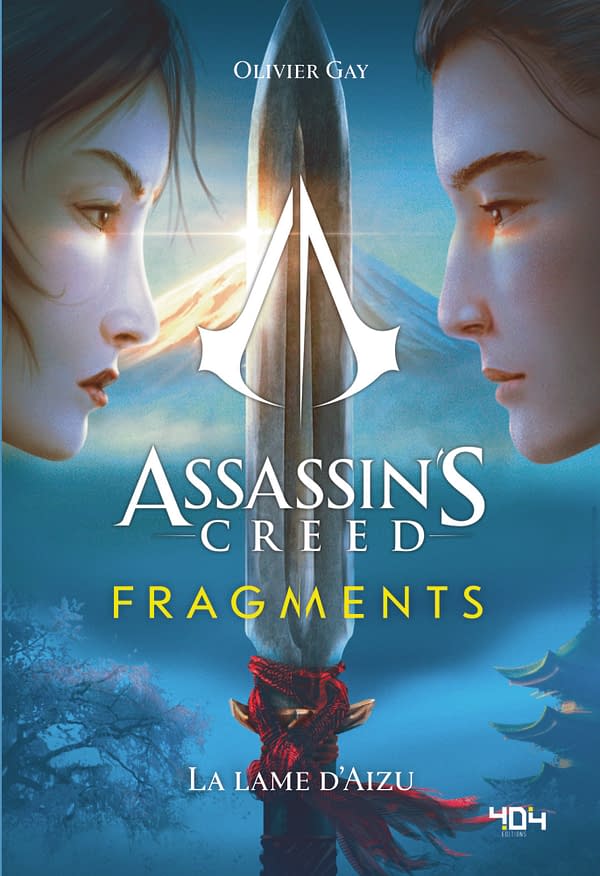
By engaging local creators, the company intends to craft stories that resonate with regional cultural sensibilities while maintaining the core tenets of the Assassin’s Creed mythology. As Publishing Content Manager Etienne Bouvier notes, the goal is to "offer our fans new content in formats they are familiar with, and with stories that are rooted in their cultural background and their history."
Roadmap of Upcoming Releases
The slate for the coming months and into 2022 is packed with diverse content. Here is a breakdown of the key titles currently in the pipeline:
The Fragments Young Adult Trilogy (Originals)
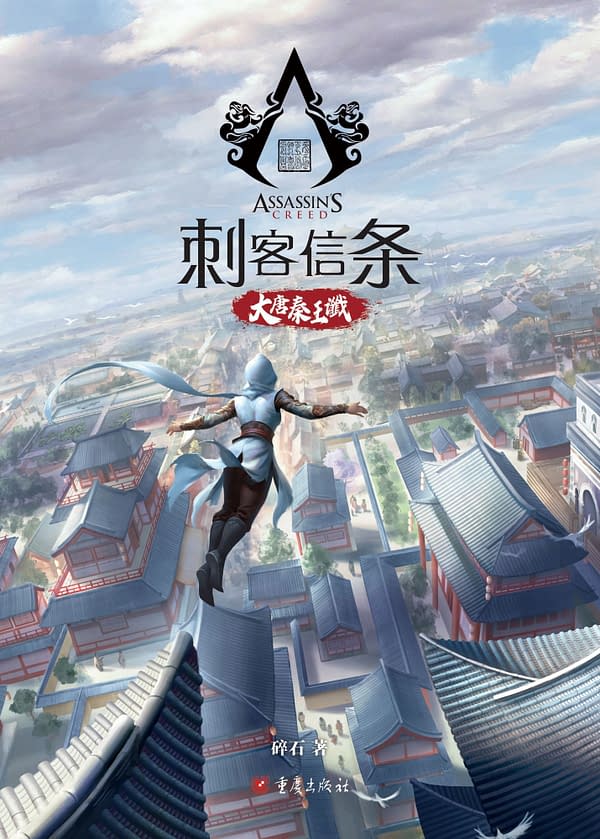
Developed in partnership with the French publisher Editis, this action-adventure saga targets a younger demographic. The trilogy focuses on the relationship between siblings caught in the crossfire of the Assassin-Templar feud. Each volume will feature a new setting and new protagonists, beginning with 19th-century Japan, followed by 13th-century Scotland, and concluding in 17th-century France.
The Jade Seal Collection (Originals)
This represents a massive undertaking in Chinese historical fiction. Spanning from the Zhou Dynasty to the Ming Dynasty, this collection consists of ten novels written by six renowned Chinese authors. It is designed to weave the franchise’s secret history into the rich tapestry of ancient Chinese politics, philosophy, and martial arts.
The Ming Storm (Chronicles)
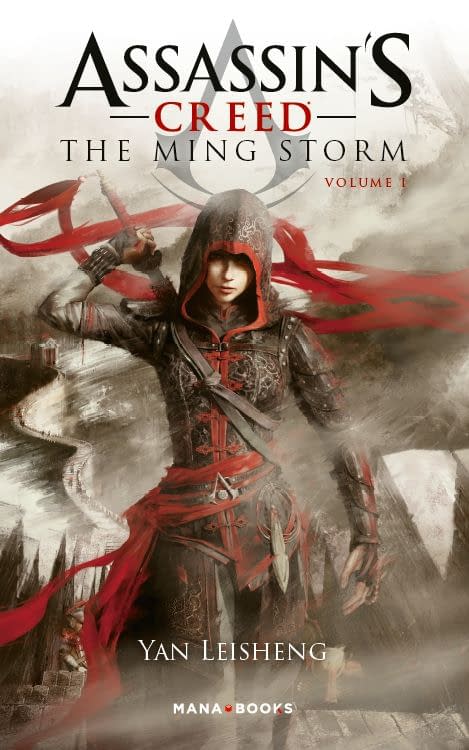
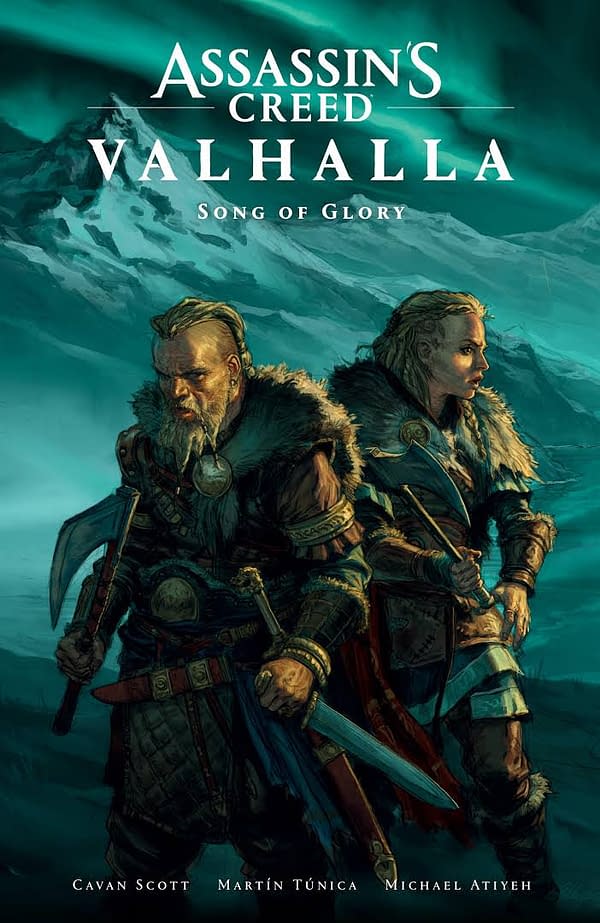
Written by best-selling author Yan Leisheng, this novel marks the return of Shao Jun, the fan-favorite protagonist from Assassin’s Creed Chronicles: China. Published in the U.S. and Canada by Aconyte Books, it serves as the first entry in an action-packed trilogy. Aconyte has also confirmed plans to release a series of novels set within the Assassin’s Creed Valhalla universe in 2022.
Assassin’s Creed Dynasty (Manhua/Originals)
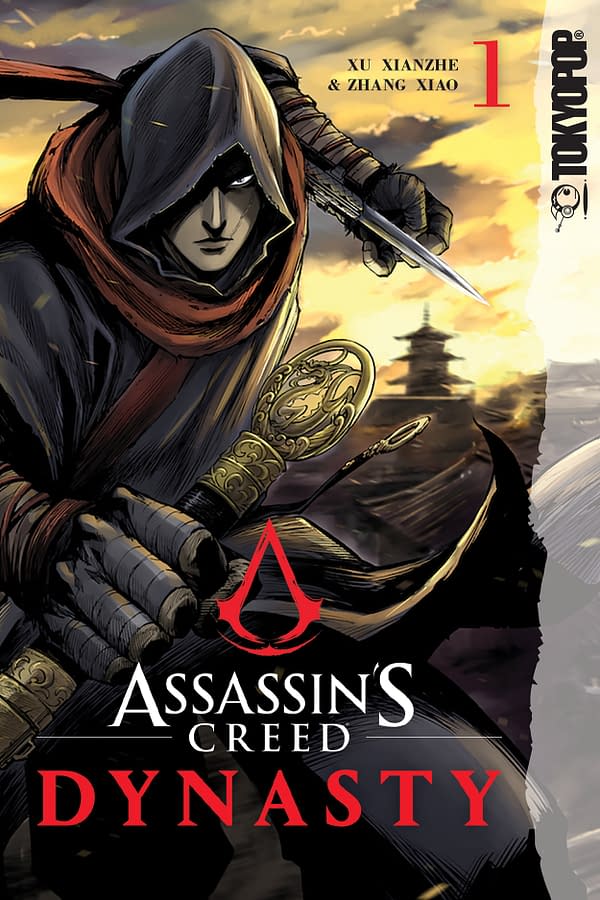
Originally launched as a digital webcomic in China, Dynasty has already achieved massive success, garnering over 150 million views on the Tencent platform. The story follows Li E, an Assassin struggling to preserve the Tang Dynasty amidst the chaos of civil war. TOKYOPOP is handling the North American release, with paperback editions arriving in early 2022.
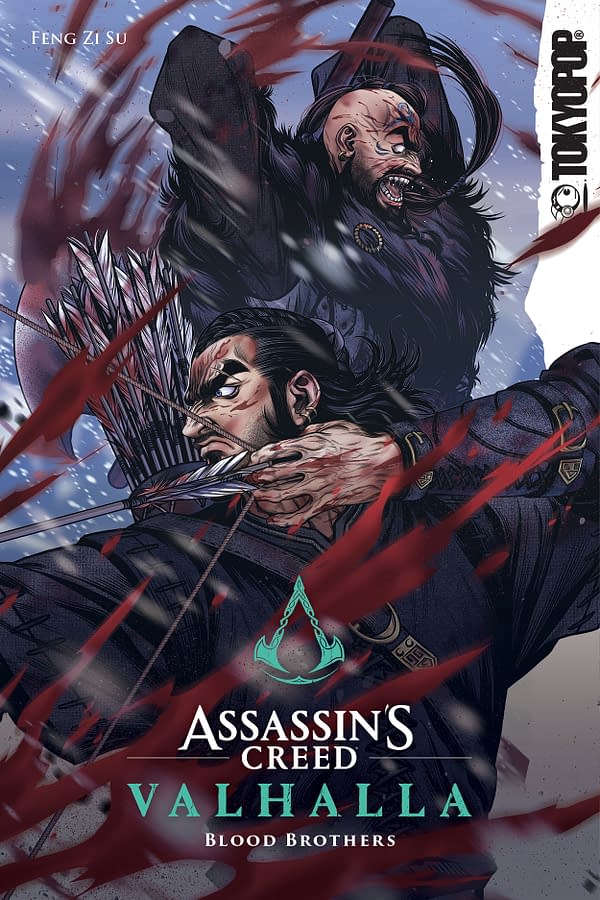
Assassin’s Creed Valhalla: Blood Brothers (Manhua/Chronicles)
This title offers a prequel look at the Viking age. Centered on two brothers living in the era preceding the exploits of Eivor, this manhua expands the world-building of the Valhalla game. It is slated for both digital and print releases through TOKYOPOP.
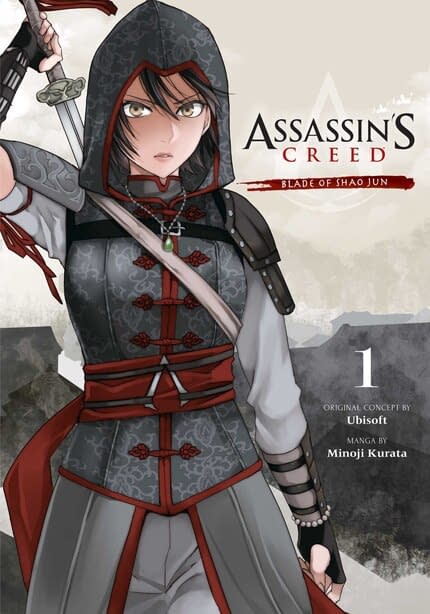
Assassin’s Creed: Blade of Shao Jun (Chronicles)
Viz Media is bringing this manga to North American shores. It adapts the Chronicles: China narrative but adds a modern-day twist: the story follows a teenager named Lisa who becomes embroiled in a dangerous plot orchestrated by Abstergo Industries, effectively linking the historical narrative to the series’ modern-day meta-plot.
Turbulence in the Ming Dynasty (Podcast/Chronicles)
In an effort to capitalize on the growing popularity of narrative audio, Ubisoft has partnered with Ximalaya, China’s leading podcast platform. Featuring a high-profile cast from the Chinese film industry and enhanced with professional-grade sound design and an original musical score, this audio series aims to provide a fully immersive historical experience.
Assassin’s Creed Black Flag Webtoon (Originals)
Perhaps one of the most anticipated announcements is the direct sequel to the beloved Black Flag. Developed with the Korean partner Redice, this webtoon will continue the story of Edward Kenway, long a fan-favorite character, expanding on his post-game trajectory.

Implications for the Future of the Franchise
The transition to a multi-format strategy is a clear signal that Ubisoft is attempting to solidify Assassin’s Creed as a lifestyle brand rather than a periodic gaming release. By diversifying its output, the company mitigates the risk of "franchise fatigue" that often plagues long-running video game series.
Furthermore, the "Originals" category provides a low-stakes environment for the developers to test new concepts, time periods, and protagonists. Should a specific character or setting prove popular in a webtoon or novel, it provides a "proof of concept" that could eventually lead to full-scale game development or television adaptations.
The move also addresses a long-standing criticism of the series: that its narrative can become convoluted. By utilizing different formats—podcasts for internal monologue and atmosphere, manhua for kinetic, action-heavy storytelling, and novels for historical depth—Ubisoft is allowing each format to play to its specific strengths.
Final Thoughts
The announcement of "Assassin’s Creed Stories" is a bold step forward that reflects the modern reality of intellectual property management. In an era where fans demand constant engagement, Ubisoft is moving away from the "event-based" release model to a "continuous engagement" model.
For the die-hard fan, this represents a golden age of lore. Whether one prefers the visual flair of a manga, the deep-dive historical research of a novel, or the convenience of a podcast, the Assassin’s Creed universe is positioning itself to be accessible anywhere, at any time. As the first of these titles hit the shelves and digital storefronts this year, the success of the initiative will depend on whether these stories can maintain the high quality of world-building that the gaming franchise is known for. If successful, Ubisoft will have set the gold standard for how to grow a massive, multi-media universe in the modern digital age.


 Nila Kartika Wati
 Nana Muazin