

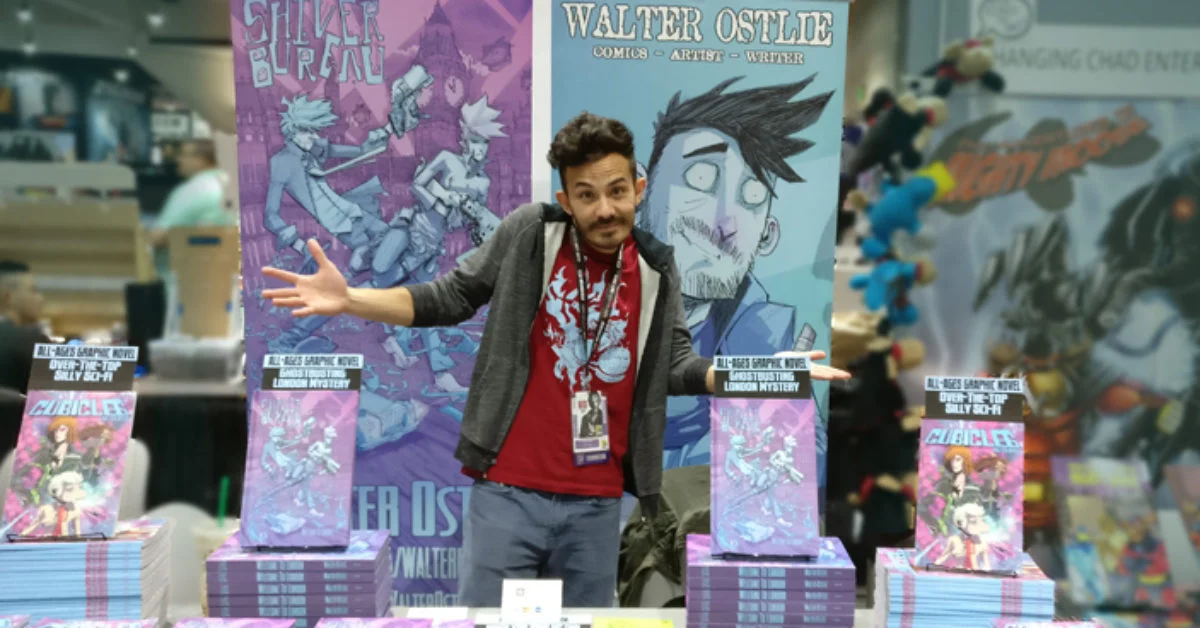
In the modern landscape of independent comics, few creators embody the transition from traditional print to digital-first storytelling as seamlessly as Walter Ostlie. An artist, writer, and educator who has spent over a decade refining his craft, Ostlie has become a quintessential example of the "self-made" comic creator. From his early days as a self-taught enthusiast to his current status as a powerhouse in the Webtoon ecosystem, Ostlie’s career offers a masterclass in adapting to an industry in flux.
A Chronology of Artistic Ambition
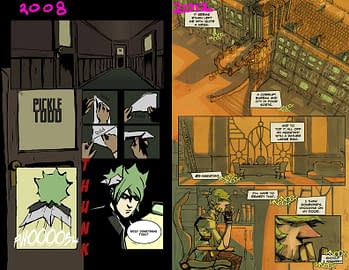
Walter Ostlie’s journey into the comic book industry began in 2008—a time when the digital distribution landscape was fundamentally different. Driven by a desire to bring his own narratives to life, he committed himself to the rigorous task of self-teaching. This dedication bore fruit in 2011 with the publication of his first graphic novel, Cubicles, released through Red5 Comics.
Following the moderate success of his debut, Ostlie pivoted to his sophomore project, Shiver Bureau. Recognizing the power of crowdfunding early on, he turned to Kickstarter, successfully raising over $13,000 to bring his vision of a Victorian-era London populated by supernatural threats to life. The project was initially self-published, but its distinct aesthetic and tight storytelling eventually caught the eye of Scout Comics, leading to a professional republication for Diamond distribution.
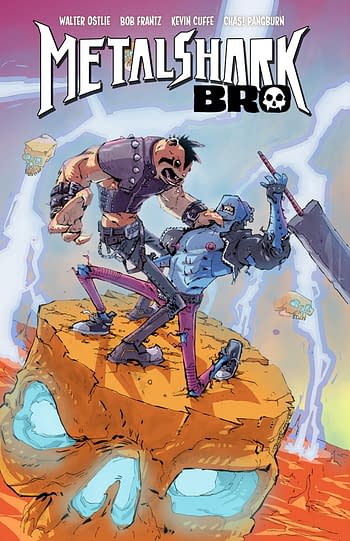
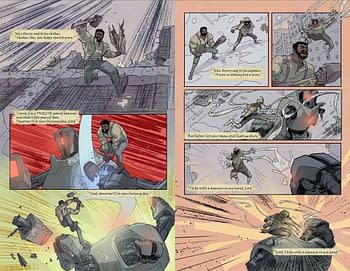
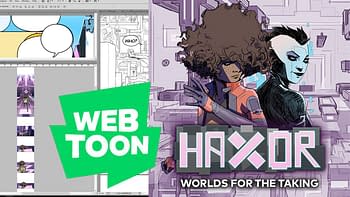
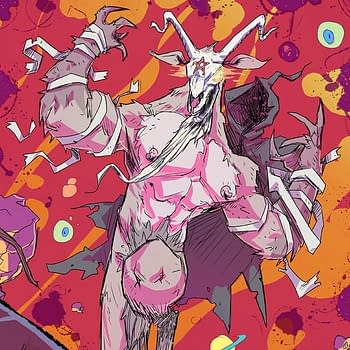
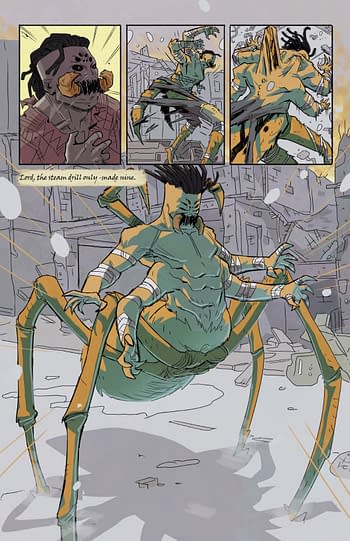
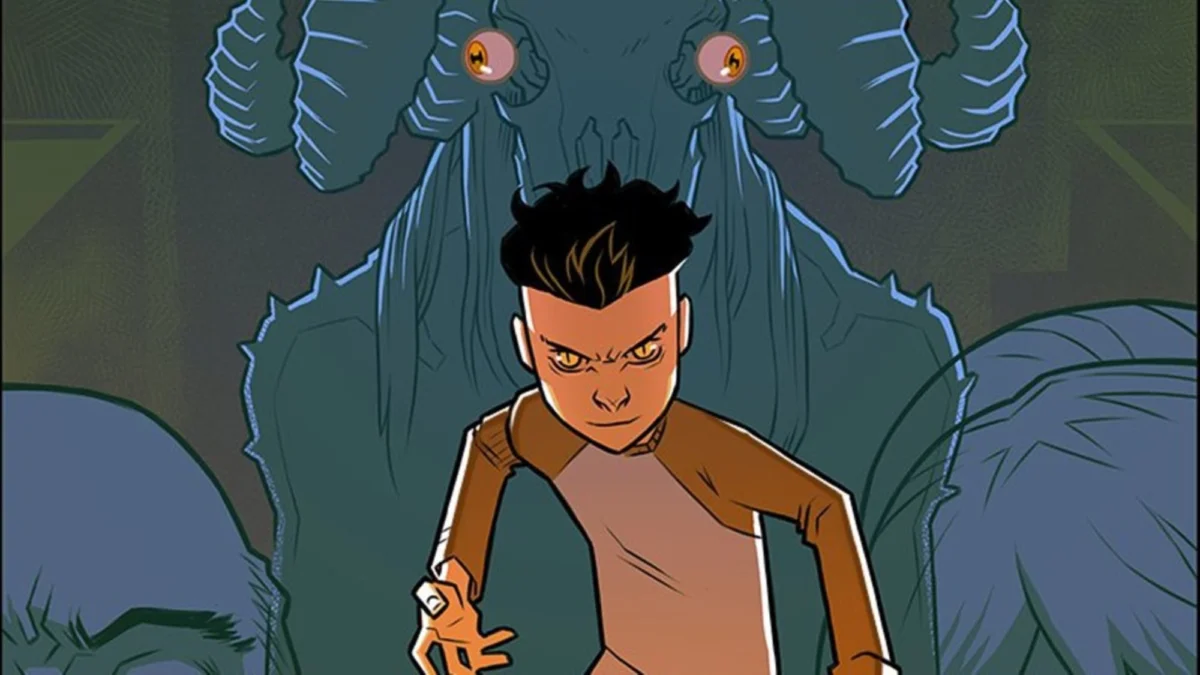
This upward trajectory did not go unnoticed by the industry’s digital giants. The editorial staff at Webtoon, the world’s leading digital comics platform, identified Ostlie as a talent to watch. This led to the development of Haxor, a featured Webtoon original. Most recently, Ostlie reached new heights of crowdfunding success with Metalshark Bro, a wildly inventive series centered on a were-shark battling demonic entities. The project shattered expectations, raising over $50,000 on Kickstarter. Beyond his solo work, Ostlie has been a vital collaborator, notably serving as a primary artist for the award-winning series Is’nana: The Were-Spider, written by Greg Anderson Elysee.
The "Webtoon" Revolution and the Shift in Business Models
One of the most significant shifts in Ostlie’s career was his decision to leave his traditional "9-to-5" job to pursue comics as a full-time profession. This decision was largely necessitated by the demanding nature of the Webtoon production schedule.
"The schedule for Webtoon is pretty intense," Ostlie explains. "They release a new episode every week. An episode equates to about 6–8 traditional American comic pages, which is nuts. That’s writing, drawing, coloring, and lettering."
When presented with the opportunity to produce Haxor as a featured Webtoon original, Ostlie was forced to make a binary choice: retain the stability of his day job or fully commit to his creative output. In November 2017, he took the leap into full-time self-employment.
According to Ostlie, the Webtoon model represents a fundamental "game-changer" in the industry. Unlike the traditional American model, which often relies on complex tiers of publishers and distributors, the Webtoon "Originals" system provides creators with a publishing fee while allowing them to retain their intellectual property rights. This platform, he notes, operates much like Netflix or YouTube, funding creative work and offering creators a viable path to financial sustainability that was previously elusive for many independent artists.
Technical Adaptation: The Infinite Canvas
The transition from traditional print to digital webcomics requires more than just a change in publication platform—it demands a fundamental reimagining of storytelling structure. Ostlie notes that working within the "infinite vertical scroll" format of Webtoon has been a profound learning experience.
"It’s a little bit of a learning experience, reprogramming everything I know about traditional comic storytelling," says Ostlie. "I have a ton of room to play with. I could use ten panels of the same face, slowly changing the expression from confusion to horror if I wanted. That really allows for a lot of character building."
However, this freedom comes with trade-offs. The classic splash page or the expansive, wide-format landscape shot—mainstays of the traditional comic book—often lose their impact on a phone screen. Consequently, Ostlie has had to recalibrate his approach, focusing on which panel types create the most impact within the specific constraints of mobile viewing.
The Daily Grind: Productivity and Sustainability
Behind the polished final products is an grueling, disciplined schedule. Ostlie adheres to a six-day work week, balancing the demands of his own creative projects with the logistical necessities of his career.
"I wake up at 7 am, break the fast, get to drawing around 8, draw until about 11:30, 30-minute lunch, draw till 5, and dinner," Ostlie details. While he allows for a "lazy" hour or two in the evenings, he emphasizes that sleep is the ultimate variable in his success. "I’ve learned not getting sleep puts my productivity into the crapper."
This disciplined approach extends to his educational efforts. His YouTube channel, which now boasts over 4,500 subscribers, serves as an extension of his work. Rather than focusing solely on the "art" side of things—which is already well-represented by other creators—Ostlie utilizes his channel to teach the "technical and mundane" aspects of comic creation, such as lettering, page formatting, and workflow management.
Artistic Philosophy and Future Implications
When asked about his evolving style, Ostlie reflects on the nature of growth. "I’ve been drawing for around 12 years now. I think I had a lot of growth in that first five years. But these last seven, I feel like I am at a standstill in regards to art skill."
Yet, he clarifies that "skill" is not just about aesthetics; it is about efficiency. "Stuff that would have taken me a few hours to draw, I can now draw in 30 minutes. Which isn’t something you can see on the surface, but making art for a living, it makes a huge difference."
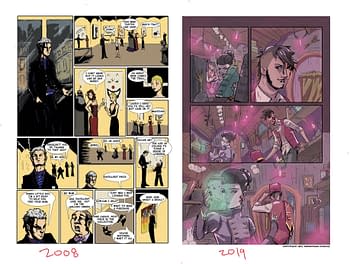
He views the creation of a comic book as an "obstacle course." Because a single comic book requires the artist to draw everything from hands and faces to architecture and vehicles, the creator is forced to improve through sheer repetition. This constant challenge is what keeps his work fresh and prevents him from becoming stagnant.
Looking toward the future, Ostlie remains tight-lipped about his next major project, having recently signed new contracts that will keep him occupied well into 2021. He has made a firm commitment to himself to avoid taking on additional freelance work, focusing instead on his own original stories.
Final Reflections
The career of Walter Ostlie serves as a vital case study for the modern independent creator. By leveraging the power of crowdfunding, embracing digital platforms like Webtoon, and maintaining a rigorous, professional work ethic, he has carved out a space where he can retain his creative autonomy.
Whether he is crafting the absurd, high-energy narratives found in Metalshark Bro or exploring the gothic, atmospheric worlds of Shiver Bureau, Ostlie’s work is characterized by a commitment to the "wacky" and the uniquely stylized. As he continues to navigate the complexities of the industry, one thing remains clear: for creators who are willing to adapt their vision to new formats and invest in the technical side of their craft, the possibilities for independent storytelling are more expansive than ever.









No comments yet. Be the first to join the conversation!