Raul Delapena Setiawan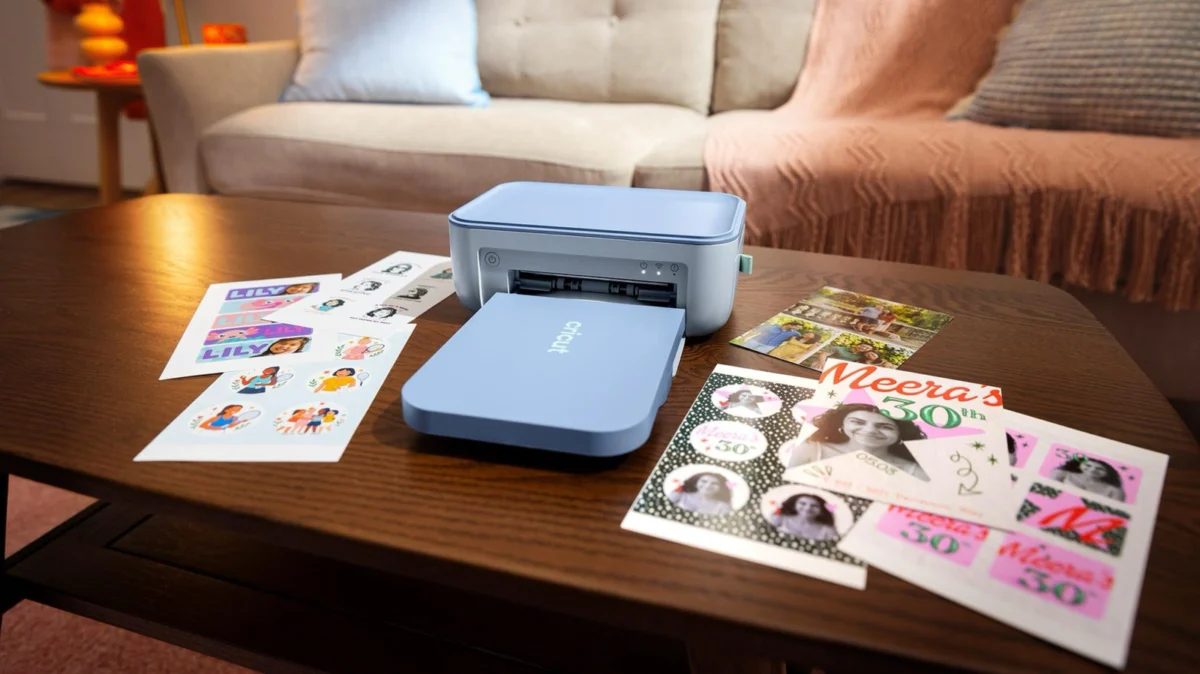
For years, the DIY crafting community has viewed Cricut as the gold standard for precision cutting, from vinyl decals to intricate fabric patterns. However, the process of creating professional-grade stickers—often requiring a separate inkjet printer, a cutting machine, and a meticulous lamination process—has long been a hurdle for casual creators. That barrier is now crumbling.
With the launch of the Cricut StickerPix Print and StickerPix Print + Cut, the company is shifting its strategy, aiming to turn home crafters into "sticker moguls" by simplifying a historically complex workflow. By integrating printing and cutting technology into compact, dedicated hardware, Cricut is betting that the future of home crafting is as simple as pressing a button.
Main Facts: A New Breed of Crafting Hardware
Cricut’s new lineup consists of two distinct models, both designed to streamline the production of high-quality, durable stickers and photo prints.
The StickerPix Print
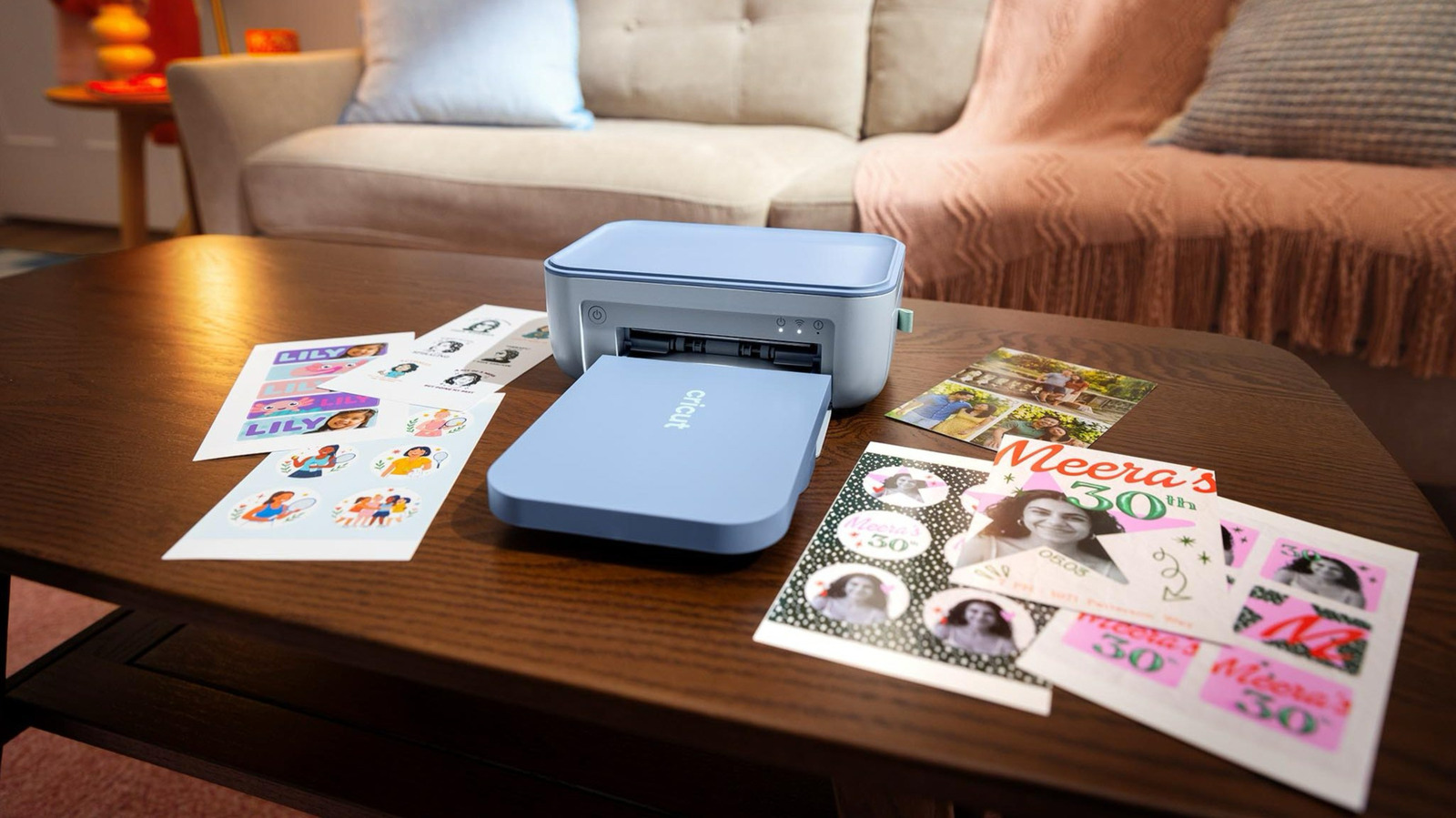
Priced at $169, the entry-level StickerPix Print is a compact unit measuring 7.8 x 5 x 3.5 inches. It is designed primarily for portability and ease of use, capable of printing on 4 x 6-inch photo paper or Cricut’s proprietary pre-cut sticker sheets. It is the ideal solution for hobbyists who want to print photos or ready-to-use stickers without needing an external inkjet printer.
The StickerPix Print + Cut
The flagship model, retailing for $299, expands the creative possibilities significantly. Measuring 8 x 11.3 x 4.1 inches, it handles 4 x 7-inch sticker sheets and 4 x 6-inch photo paper. The defining feature here is the integrated cutting engine. Unlike the standard Print model, the Print + Cut allows users to design and cut stickers in custom, non-standard shapes. This machine effectively merges the functions that previously required a dedicated printer and a separate Cricut cutting machine into one desktop-friendly footprint.
Dye-Sublimation and Durability
Both machines utilize dye-sublimation technology. Unlike traditional inkjet printers that deposit droplets of ink onto paper, dye-sublimation applies heat to transfer pigment directly into the material. The process concludes with the application of an integrated laminate layer. This finish renders the resulting stickers and photos water, scratch, and fade-resistant—a significant upgrade over standard home-printed paper stickers that are prone to smearing.
Chronology: The Evolution of the Sticker Market
To understand the significance of the StickerPix, one must look at the trajectory of the home crafting industry over the last decade.
- 2010–2015: The Rise of the Electronic Cutter. During this era, Cricut and its competitors focused almost exclusively on mechanical cutting. Users were expected to provide their own media and printing hardware.
- 2016–2020: The "Print Then Cut" Era. Cricut introduced "Print Then Cut" functionality for its Explore and Maker lines. While revolutionary, it was clunky. Users had to print on a standard desktop printer, align the page on a cutting mat, and hope the machine’s optical sensors could accurately read the registration marks.
- 2021–2023: The Subscription Pivot. Cricut leaned heavily into its digital ecosystem, Cricut Design Space, and the Cricut Access subscription model, standardizing the software experience across all devices.
- 2024–Present: Hardware Consolidation. The release of the StickerPix marks the end of the "all-in-one" machine era and the beginning of "specialized automation." By creating a machine dedicated to the specific chemistry of stickers, Cricut is moving away from general-purpose tools toward specialized, user-friendly production units.
Supporting Data: Why Specialized Hardware Matters
The shift toward the StickerPix system is driven by both space constraints and material waste. Traditionally, a home crafter attempting to make professional stickers required a minimum of three items: a high-quality printer, a cutting machine, and a cold-lamination machine or high-end laminate adhesive sheets.
- Space Efficiency: A typical home office setup for a serious sticker maker (printer + cutter) consumes roughly 4 to 6 square feet of desk space. The StickerPix Print + Cut occupies less than one square foot.
- Material Compatibility: By using a closed-loop system (where the machine only accepts specific paper/sticker sheets), Cricut eliminates the common "misalignment" errors that plague users of standard inkjet/cutter combinations.
- Cost Analysis: While the $299 price tag for the Print + Cut is a significant investment, it replaces the need for a $200–$300 photo printer, a $200+ cutting machine, and the recurring cost of specialty lamination supplies.
However, there is a trade-off. The StickerPix series is limited to "kiss-cut" stickers—where the sticker is cut but stays attached to the backing sheet. Users seeking "die-cut" stickers (where the backing is cut to the same shape as the sticker) will still require traditional, larger-format Cricut machines.
Official Responses and Strategic Vision
In its official launch communication, Cricut emphasized that the StickerPix ecosystem is designed to bridge the gap between "enthusiast" and "entrepreneur."
"We are empowering our users to go beyond simple paper crafts and into the world of tangible, durable goods," a spokesperson for Cricut noted in a recent company blog post. The company is positioning these devices not just as tools for scrapbooking, but as entry-level manufacturing hubs for small business owners looking to produce custom branding, stickers, and promotional materials.
By bundling these machines with initial sticker sheets, photo paper, and ink cartridges, Cricut is lowering the barrier to entry. They are not merely selling hardware; they are selling a business-in-a-box model that relies heavily on their recurring revenue stream: Cricut Access.
Implications: The Democratization of Professional Crafting
The introduction of these machines has profound implications for the crafting industry and the broader "creator economy."
The "Sticker Mogul" Phenomenon
Social media platforms like TikTok and Instagram have fueled a massive demand for small-batch, artisanal stickers. Previously, individuals wanting to sell their own designs had to outsource their production to professional print-on-demand services, which meant high upfront costs and long lead times. With the StickerPix, a creator can design a graphic in the morning, print and cut a small batch by lunch, and have them listed on an online storefront by the afternoon.
Software Dependency and the Subscription Model
The reliance on Cricut Design Space remains a contentious point for some power users. Because the StickerPix machines are essentially "smart" devices, they are locked into the Cricut software ecosystem. Users who prefer open-source design software or who object to subscription-based services may find the mandatory use of the cloud-based Design Space restrictive. Furthermore, the push toward Cricut Access—the paid subscription that unlocks templates, fonts, and images—is clearly aimed at ensuring long-term loyalty to the platform.
Market Saturation and Future Competition
Cricut’s move into dedicated sticker hardware will likely trigger a response from competitors like Brother or Silhouette. If the StickerPix becomes a commercial success, we can expect a rapid influx of compact, dye-sublimation print-and-cut hybrids entering the market. This competition will likely lead to lower prices and more robust features, ultimately benefiting the consumer.
Environmental Considerations
The move to an all-in-one system also has implications for waste. By using proprietary, pre-cut sheets, users may find themselves with less scrap material than when using standard 8.5 x 11-inch sheets. However, the reliance on proprietary ink cartridges and paper could create a "walled garden" that increases the long-term cost of ownership compared to the flexibility of using third-party inks and bulk paper rolls.
Conclusion
The Cricut StickerPix Print and Print + Cut represent a significant evolution in the company’s product strategy. By focusing on a single, high-demand product category—stickers—Cricut has managed to simplify a complex, multi-step process into a single, intuitive experience.
While the machines are not without their limitations—namely the restriction to kiss-cut stickers and the ongoing tether to the Cricut software ecosystem—they provide an undeniable value proposition for the hobbyist-turned-entrepreneur. As the market for custom, personalized goods continues to expand, the StickerPix series stands as a testament to the fact that, in the modern DIY world, the best tool is often the one that removes the friction between a creative idea and a finished product. Whether this leads to a "generation of sticker moguls" remains to be seen, but the tools to start that journey have never been more accessible.

 Lina Hope
 Nana Muazin