


In the high-stakes world of AAA game development, few names carry as much weight as Rockstar Games. Known for the record-shattering Grand Theft Auto franchise and the critically acclaimed Red Dead Redemption series, the studio has long stood as a titan of the industry. However, behind the glossy marketing of GTA 6 lies a growing narrative of labor unrest. Following the controversial dismissal of over 30 staff members last year, Rockstar’s workforce has taken an unprecedented step: going public with the Rockstar IWGB Game Workers Union.
This development marks a significant turning point in the relationship between one of the world’s most profitable entertainment companies and the people who power its multi-billion-dollar output.
The Core Conflict: A Timeline of Tension
The current friction between Rockstar Games and its workforce did not emerge in a vacuum. It is the culmination of years of industry-wide debates regarding working conditions, the "crunch" culture that has historically plagued the gaming sector, and the power dynamic between corporate management and creative talent.
The Mass Firings and Allegations of Union Busting
The situation reached a boiling point last year when Rockstar Games terminated the employment of more than 30 staff members. The studio justified these departures by claiming the employees were responsible for leaking sensitive, unannounced features from their upcoming projects. However, the affected employees and the Independent Workers Union of Great Britain (IWGB) saw a different reality: an act of calculated union busting designed to silence nascent organizing efforts within the company’s UK offices.
Legal Escalation and the Fight for Interim Relief
The IWGB wasted little time in challenging the studio. Legal claims were filed against Rockstar, alleging that the company refused to negotiate in good faith regarding the mass redundancies. Throughout the ensuing months, the legal battle has been grueling. Early in 2024, the fired developers suffered a significant setback when a UK court denied their request for "interim relief"—a legal mechanism that would have provided emergency financial support while the full case worked its way through the justice system.
The Public Unveiling
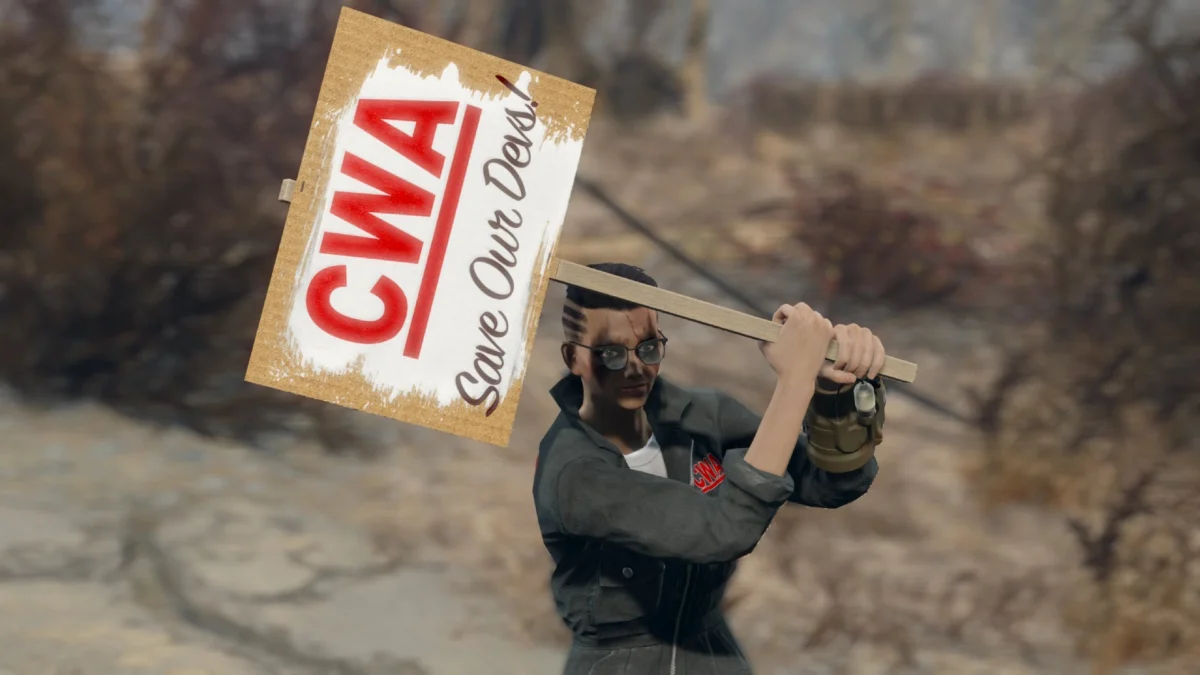
Despite the legal hurdles and the professional fallout of the firings, the union’s resolve has only hardened. In a recently released video, the Rockstar IWGB Game Workers Union officially introduced its public face. The message was clear: the attempt to stifle their collective voice failed. Instead of retreating, the union has expanded its reach, uniting staff from Rockstar’s diverse UK hubs, including Edinburgh, London, Leeds, Lincoln, and Dundee.
Organizing for Change: The Union’s Mandate
The newly public union is not merely a reactionary body formed in response to firings; it is a proactive movement aiming to redefine the labor landscape at Rockstar Games. Their platform is built on three fundamental pillars that address the systemic issues often cited by game developers worldwide.
1. Pay Transparency
In an industry where salary disparities are often shielded by opaque corporate policies, the union is pushing for radical transparency. By standardizing compensation structures and ensuring equitable pay, they hope to eliminate the pay gaps that frequently disadvantage junior staff and marginalized workers.
2. Flexible Working Conditions
The traditional "office-first" culture—or, conversely, the "always-on" expectation—has been a point of contention for years. The union is advocating for policies that respect the personal lives of developers, allowing for flexible working arrangements that prioritize employee mental health and work-life balance without sacrificing the quality of the games.
3. Ending the "Crunch"
Perhaps the most ambitious goal is the eradication of "crunch"—the industry-standard practice of mandatory, prolonged overtime, often lasting for months at a time, to meet project deadlines. The union argues that burnout is a management failure, not a necessity of production, and they are seeking contractual guarantees that protect workers from the physical and psychological toll of unsustainable working hours.

The Broader Implications for the Gaming Industry
The standoff at Rockstar Games is emblematic of a wider movement sweeping through the tech and gaming sectors. As employees realize the collective value of their labor, the traditional "top-down" management style of the 2000s and 2010s is facing a reckoning.
The Role of Regulatory and Political Scrutiny
The case has gained traction outside of gaming circles, drawing the attention of UK Members of Parliament (MPs). Several legislators have publicly criticized Rockstar for its lack of transparency and its perceived unwillingness to engage in meaningful dialogue with staff representatives. This political pressure suggests that the days of companies operating in a "black box" are numbered. When a studio generates billions in revenue, the public and the government are increasingly asking: at what human cost?
Setting a Precedent for AAA Development
If the Rockstar IWGB Game Workers Union succeeds in securing legal recognition and winning their case, the ripples will be felt across every major studio. It would provide a roadmap for developers at other massive corporations to organize, negotiate, and demand better standards. Rockstar, often seen as the trendsetter for game design, may inadvertently become the trendsetter for labor relations as well.
Supporting the Fight: The Legal Defense Fund
The union is currently preparing for a final, decisive court hearing. The outcome of this trial will not only impact the 31 individuals who were let go but will also determine the legal viability of union activity within Rockstar’s specific corporate structure.
To bolster their position, the union has launched a fundraising initiative. The goal is to cover the significant costs associated with a robust legal defense and to fund campaign activities that maintain pressure on Rockstar’s leadership. The union maintains that they are fighting for the people whose talent and creativity generate the studio’s massive financial success. They argue that these individuals deserve to be treated with dignity and protected from arbitrary dismissal.
Official Responses and Corporate Stance
Rockstar Games has maintained its position that the dismissals were strictly related to data security and the protection of intellectual property. The studio has consistently denied that the firings were motivated by anti-union sentiment. However, the union remains unconvinced, pointing to the timing of the events and the nature of the internal communications surrounding the layoffs.
As the legal proceedings continue, the gap between the studio’s official statements and the lived experiences of the developers remains the central point of contention. The union’s public launch is, in effect, a challenge to Rockstar: acknowledge the humanity of the workforce, or continue to face the scrutiny of the public and the courts.
Conclusion: A New Chapter
The formation of the Rockstar IWGB Game Workers Union is a testament to the resilience of the individuals who build the worlds we explore in games like Grand Theft Auto. While the road ahead is fraught with legal complexity and corporate resistance, the workers have made their intentions clear. They are no longer content to be passive recipients of management directives.
"Together, we are organising around the things we want to change," the union stated. Whether this leads to a landmark legal victory or a long, drawn-out battle, the emergence of this union represents a fundamental shift. The developers at Rockstar Games have reminded the industry that the magic behind the screen is made by people—and those people are finally finding their voice.
As we look toward the future of interactive entertainment, the industry would be wise to heed this shift. The era of the "unorganized developer" is coming to an end, and the era of collective bargaining is firmly on the horizon. Solidarity with the workers is not just a moral stance; it is the new reality of the gaming landscape.











No comments yet. Be the first to join the conversation!