Nila Kartika Wati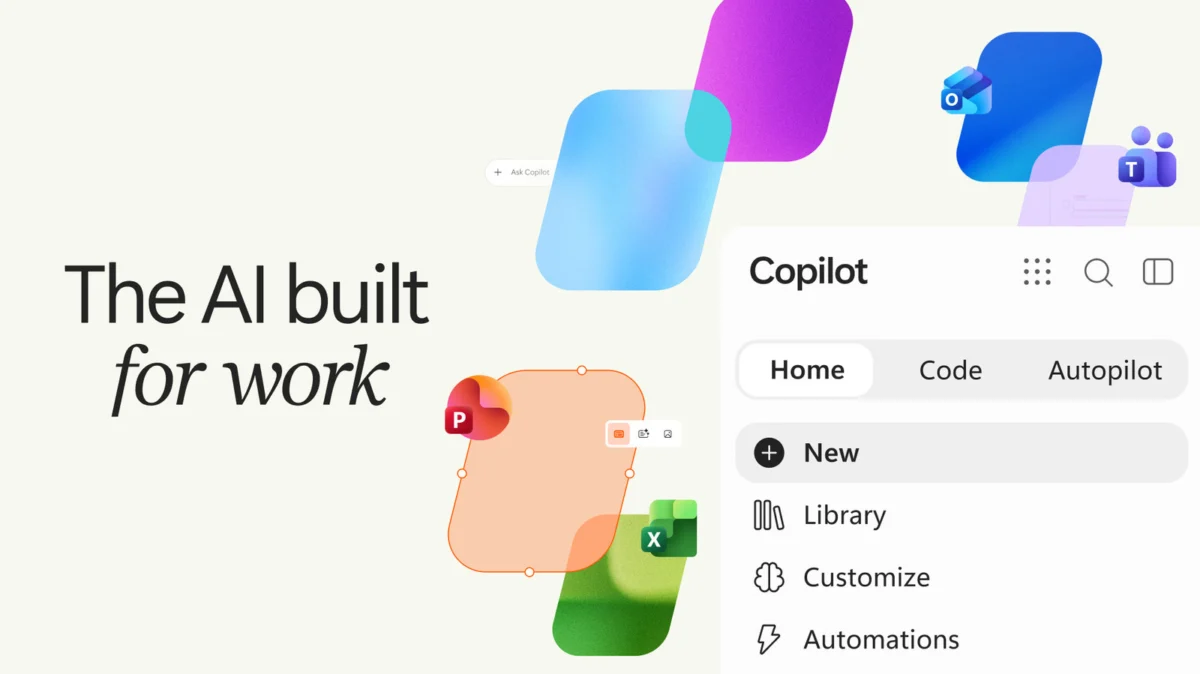
Microsoft is once again refining the identity of its flagship artificial intelligence assistant. While the tech giant has recently signaled a tactical retreat from embedding Copilot aggressively into the Windows operating system—a move aimed at curbing user frustration over bloatware—it is simultaneously doubling down on the standalone Copilot application.
In a significant update announced this week, Microsoft is rolling out a redesigned interface for the Copilot app, introducing a tabbed navigation system, deep Office 365 integration, and "agentic" automation capabilities. This shift represents a transition from a simple chatbot to a multifaceted productivity suite, moving Copilot from a passive conversational tool to an active participant in professional workflows.
The Core Transformation: A New Tabbed Interface
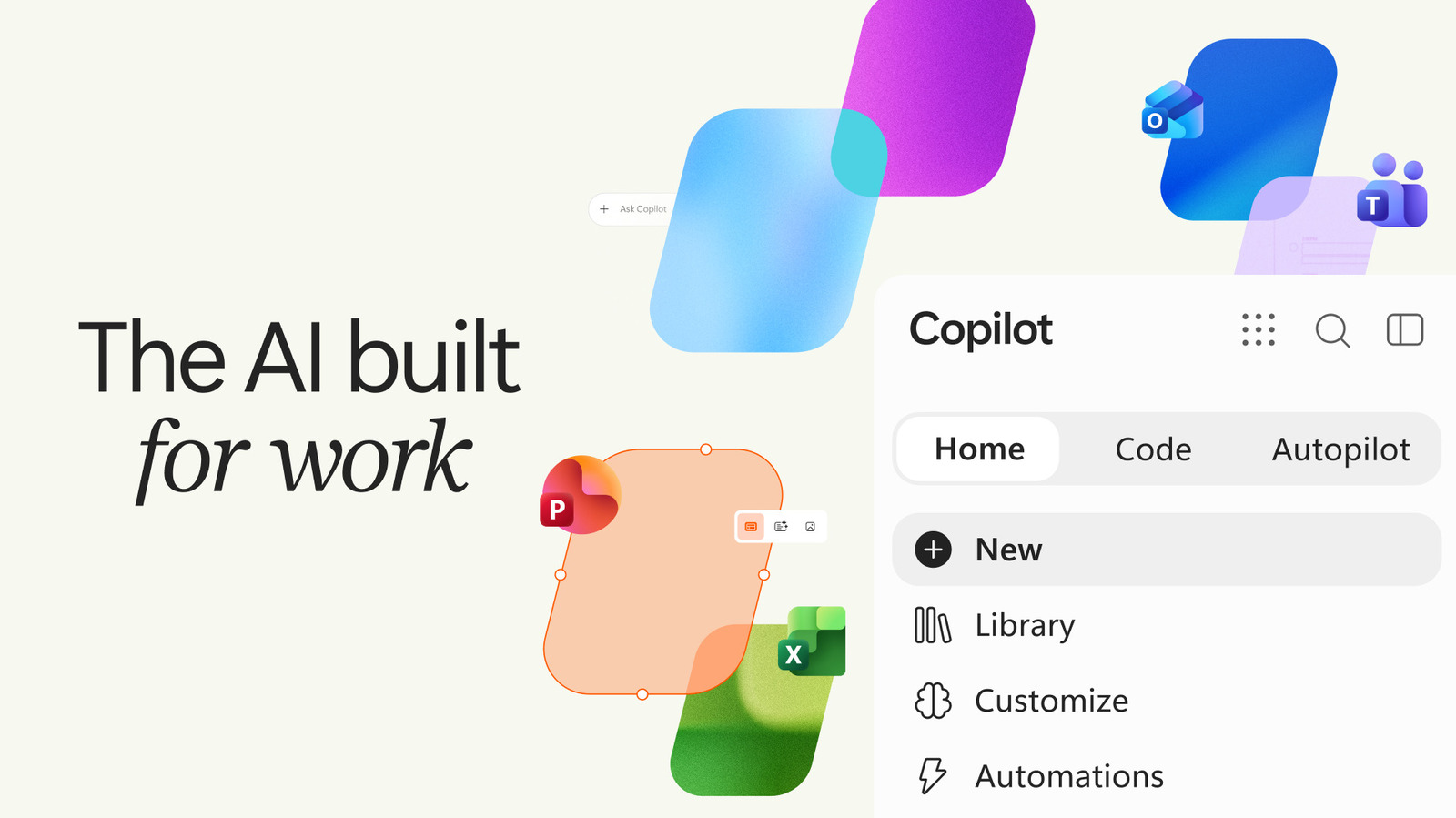
The most immediate change users will notice is the structural overhaul of the Copilot interface. Microsoft has moved away from the monolithic chat window, opting instead for a tabbed environment that categorizes AI interactions based on their specific utility.
The "Home" Tab: An Intelligent Routing Hub
The "Home" tab serves as the centralized command center for standard AI interactions. However, Microsoft is injecting a layer of intelligence into this space. According to the company, the Home tab will soon function as an intelligent traffic controller. When a user inputs a request, the system will analyze the complexity of the query.
Simple, low-stakes questions—such as "What is the weather in Seattle?" or "Summarize this email"—will remain within the standard Chat mode. Conversely, complex, multi-step requests that require data synthesis or document generation will be automatically routed to more sophisticated modes. This architectural shift aims to reduce the "cognitive load" on the user, ensuring that the AI’s capabilities are matched to the task at hand without requiring the user to navigate through complex settings or menus.
Empowering the Non-Coder: The Rise of Natural Language Programming
Perhaps the most disruptive element of the update is the new "Code" tab. For years, the barrier to entry for building custom software tools, dashboards, and automated workflows has been technical proficiency in languages like Python, SQL, or JavaScript. Microsoft is attempting to dismantle this barrier.
Bridging the Gap Between Intent and Execution
The Code tab allows users to describe an application, a data dashboard, or an automation workflow using plain English. Jared Spataro, Microsoft’s Chief Marketing Officer of AI at Work, emphasized that the goal is to democratize software creation.
"Describe an app, tracker, dashboard, automation, or workflow in natural language, and Copilot chooses an approach and builds it," Spataro stated. In practice, this means a project manager could request a "dashboard that tracks quarterly marketing KPIs and flags budget variances," and the system would theoretically architect the data connection, the visualization, and the logic required to display it.
This functionality is not intended to replace professional software engineering but to provide "citizen developers" with the tools to create bespoke solutions for recurring business problems. By allowing users to generate desktop widgets and data trackers on the fly, Microsoft is positioning Copilot as a low-code/no-code engine that lives inside the desktop environment.
Autopilot: The Era of "Agentic" Productivity
The third pillar of this update, the "Autopilot" tab, marks the company’s most ambitious leap into "agentic AI." While traditional AI chatbots are reactive—waiting for a user prompt to generate a response—agentic AI is proactive. It is designed to act on behalf of the user within predefined parameters.
Managing Complex Workflows Without Human Intervention
Autopilot is designed to handle multi-stage processes that are traditionally time-consuming and prone to human error. Microsoft provides the example of a supplier review process. In this scenario, an Autopilot agent could:
- Schedule: Establish the timeline and workback plan for the review.
- Prepare: Collate necessary documents and background information.
- Execute: Manage the meeting logistics and capture notes.
- Follow-up: Reach out to stakeholders for status updates and reminders.
By offloading these administrative burdens, Microsoft intends to carve out a permanent place for Copilot in the enterprise sector. For businesses, this represents a shift from paying for a "research assistant" to paying for a "digital employee" capable of managing recurring tasks.
Chronology: The Evolution of the Copilot Vision
The development of Copilot has been a rapid, iterative process defined by Microsoft’s desire to lead the generative AI race.
- February 2023: Microsoft introduces the "New Bing," integrating OpenAI’s GPT-4 technology into its search engine, signaling the start of its AI-first product strategy.
- September 2023: Microsoft officially launches "Microsoft 365 Copilot," bringing AI capabilities into Word, Excel, PowerPoint, and Outlook.
- January 2024: The standalone Copilot app receives a minor visual refresh to improve aesthetics and user experience consistency.
- Mid-2024: Following user feedback, Microsoft announces it will scale back the forced integration of Copilot into certain Windows 11 system elements, responding to criticism regarding system performance and user choice.
- Late 2024: The announcement of the tabbed interface and agentic capabilities marks the move toward a more specialized, professionalized suite of tools.
Supporting Data: Why Microsoft is Pivoting
The decision to focus on enterprise-grade automation is not arbitrary; it is driven by market demand and data on productivity. According to recent internal Microsoft surveys and independent industry analysis:
- Task Fragmentation: Enterprise workers spend an estimated 40% of their time on "work about work"—scheduling, follow-ups, and data consolidation.
- Enterprise Adoption: While consumer adoption of generative AI has been high, it is often sporadic. Enterprise adoption, however, is characterized by a high demand for reliability and integration. Companies are willing to pay for tools that demonstrably reduce the time required to close a project or complete a reporting cycle.
- Integration Metrics: Data suggests that users who utilize Copilot within the context of Office 365 apps are 30% more likely to continue using the tool long-term compared to those who use it solely through a browser-based chat interface.
Official Responses and Strategic Intent
Jared Spataro’s commentary surrounding this release underscores a change in Microsoft’s marketing narrative. The company is no longer attempting to sell Copilot merely as a "cool tool" for general consumers; they are positioning it as a fundamental layer of the digital infrastructure.
"We are moving from a world where AI is a thing you chat with, to a world where AI is a thing that acts on your behalf," Spataro noted in his blog post. This sentiment is echoed across the leadership at Microsoft, reflecting a broader industry trend where the "Chatbot" era is being superseded by the "Agent" era.
Microsoft acknowledges that it has yet to fully win over the average consumer who might view AI as a novelty. By focusing on the "Autopilot" and "Code" functionalities, the company is effectively building a "killer app" for the enterprise market, hoping that the utility for business will eventually trickle down into daily consumer habits.
Implications: The Future of the Workplace
The shift toward agentic AI has profound implications for the future of work. As Copilot becomes more capable of autonomous action, the role of the knowledge worker will necessarily change.
1. From "Creator" to "Editor"
As AI takes over the drafting of reports, the management of meeting schedules, and the creation of basic software tools, the human role will pivot toward oversight. Employees will become "editors-in-chief" of their own workflows, verifying the work of agents rather than performing the grunt work themselves.
2. The Productivity Paradox
While these tools promise to increase efficiency, they also raise questions about oversight and accountability. If an autonomous agent makes a mistake in a supplier review or a code snippet, who is responsible? Microsoft’s reliance on these features suggests they believe the efficiency gains outweigh the risks, but it necessitates a new framework for AI governance within organizations.
3. The End of "One-Size-Fits-All"
The move to a tabbed interface suggests that Microsoft recognizes that a single chat box is insufficient for the diverse needs of modern computing. The future of the OS, and the apps within it, is likely to be a collection of specialized agents, each triggered by specific user needs.
Conclusion
Microsoft’s latest update to the Copilot app is a clear signal that the "experimental" phase of generative AI is over. By focusing on modular, task-specific capabilities—Home, Code, and Autopilot—Microsoft is attempting to weave its AI deeper into the fabric of the professional workflow. Whether users will embrace this transition from "assistant" to "agent" remains to be seen, but the trajectory of the technology is unmistakable: the goal is no longer just to answer questions, but to get things done.


 Nana Muazin
 Raul Delapena Setiawan