Rifan Muazin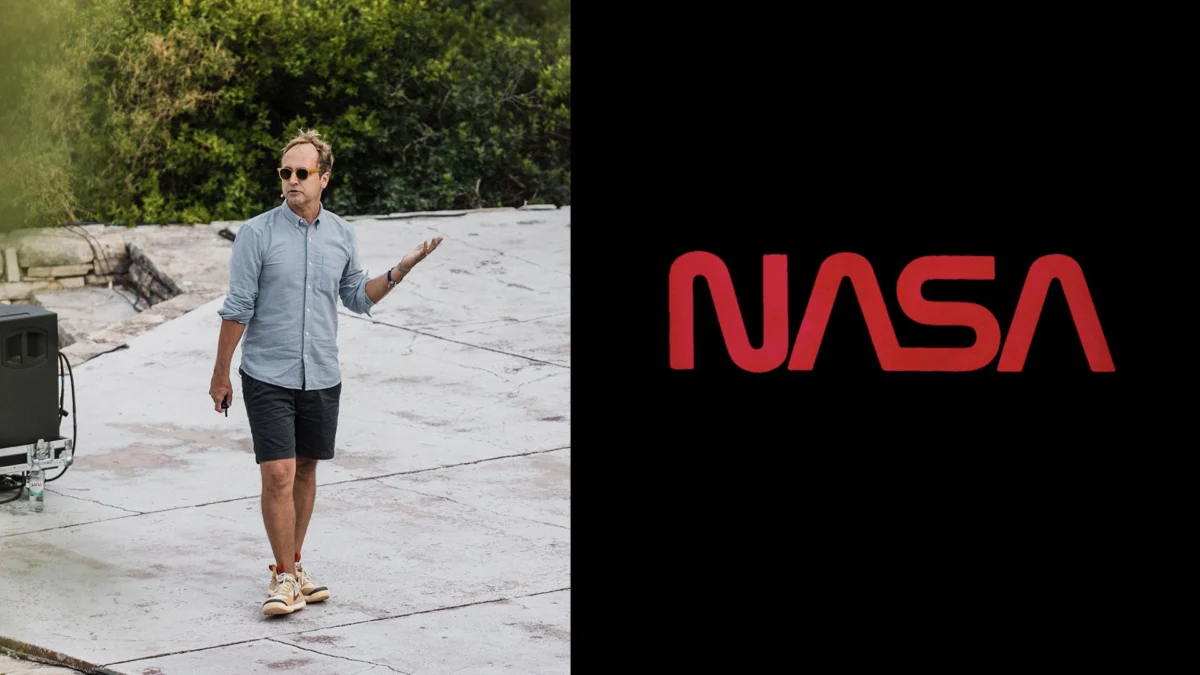
Last week, on the tranquil, sun-drenched shores of Obanjan Island in Croatia, the design world convened for Frontify’s Paradigms 2026 conference. Amidst a sea of creative directors from global fashion houses and tech giants, one voice stood out for the sheer weight of his organization’s legacy. David Rager, the Creative Director of NASA, took the stage to discuss a mandate that transcends traditional marketing: how to steward the visual identity of humanity’s greatest ambitions.
In an era where the boundary between reality and simulation is increasingly blurred, Rager is tasked with maintaining the integrity of an institution that is, by definition, synonymous with truth. From the resurrection of the cult-favorite "worm" logo to a firm, controversial stance on artificial intelligence, Rager is redefining what it means to lead a brand built on the bedrock of public trust.
The Unlikely Path to the Cosmos
Rager’s trajectory to the helm of NASA’s creative department was anything but linear. His professional origin story is rooted in the gritty, DIY aesthetic of the underground music scene.
"My beginning in graphic design came through music," Rager explained during our exclusive post-talk interview. "I’ve always been in bands, and when I was in college, I started making flyers, posters, and album covers for my own band and then for friends’ bands."
This grassroots design work served as a bridge to formal agency roles, eventually leading him to Los Angeles. From there, his career took a series of eclectic turns: working within the museum sector, helping launch new cultural institutions in New York, and eventually moving to Paris to co-found an architecture and design studio focused on hospitality.
When he eventually returned to the United States, Rager found himself settling into a neighborhood adjacent to NASA’s Jet Propulsion Laboratory (JPL) in Southern California. "I started discovering all these creative roles within NASA," he recalled. "They were going through a reorganization and needed a design leader, so I was brought in to manage a team."
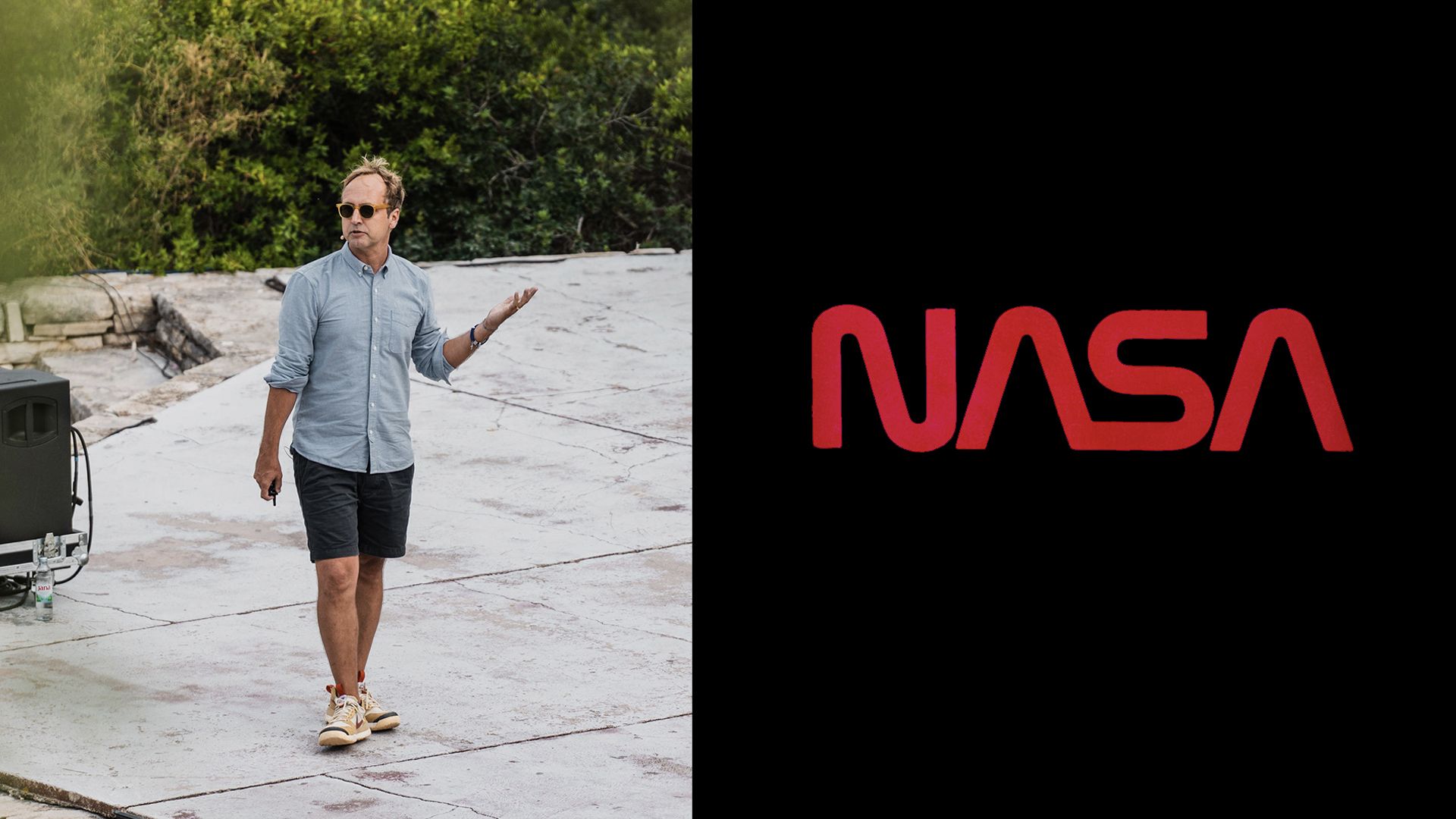
His transition to the federal agency was gradual. Initially brought on as a contractor, his influence expanded as he demonstrated the tangible value of a unified brand. By 2019, he was firmly embedded at JPL, and in 2023, he accepted the role of Creative Director for NASA Headquarters, a position that placed him at the center of one of the most high-stakes branding challenges in the modern era.
A Chronology of Identity: The Meatball vs. The Worm
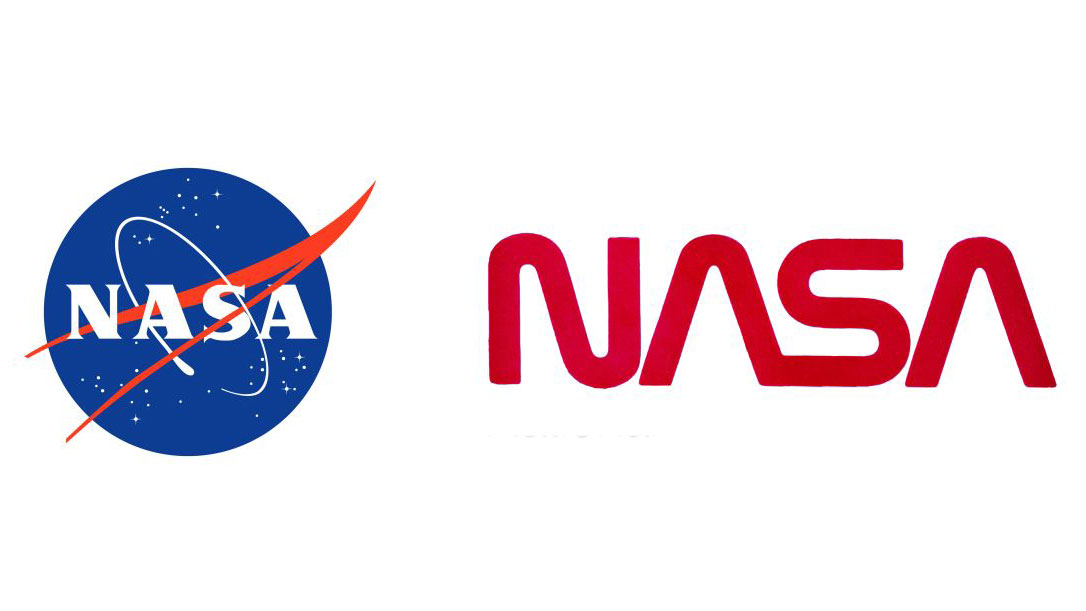
To understand the gravity of Rager’s work, one must understand the history of NASA’s visual identity. For decades, the agency has navigated a tug-of-war between two distinct visual languages: the "meatball" (the circular, traditional insignia) and the "worm" (the sleek, retro-futuristic logotype).
- 1975: The "worm" is introduced as part of a Federal Design Improvement Program, signaling a modern, streamlined era for the agency.
- 1992: A new administrator, seeking to restore the "Apollo era" pride and energy, scraps the worm in favor of the traditional meatball.
- 2020: In a move that sent waves of excitement through the design community, NASA officially resurrected the worm, acknowledging its status as a piece of cultural history.
- 2023-Present: Rager oversees a "peace treaty" between the two logos, establishing guidelines for how and where each is used to ensure maximum impact without diluting the brand.
"The designer of the worm is in his 90s now," Rager noted. "He never thought he would see it used anywhere again. Not only is it back, but it was recently acquired by the Museum of Modern Art in New York to be part of their permanent collection."
The Challenge of Internal Stewardship
Managing a brand with such immense heritage presents a unique set of challenges. Unlike a private company, where branding is often a top-down mandate, NASA’s workforce is comprised of scientists, engineers, and researchers who often view the brand as "wallpaper"—a background element they take for granted.
"A lot of my job has been reminding our internal teams of its value," Rager said. "I do a lot of education. Part of the work with these two logos was workshops and presentations to help them understand how it works. And also to help them understand that there is actual value in being consistent in the way that they communicate."
Rager’s approach involves fostering a sense of ownership among employees who have spent decades at the agency. By shifting the perspective of his colleagues—from seeing the logo as a bureaucratic necessity to viewing it as a symbol of their collective impact—he has successfully fostered a culture where brand integrity is considered a shared responsibility.
The Core Values: Selling Optimism
When asked about what NASA’s brand actually sells, Rager’s answer cuts through the noise of corporate branding jargon. "We’re not selling a product," he insisted. "What we are selling is sort of optimism and humanity."
This "optimism" is the agency’s greatest asset. In a fractured political and social climate, NASA remains one of the few institutions that commands near-universal admiration. When a mission succeeds, it is framed as a triumph for "all humankind."
"Those are core to our values," Rager explained. "We’re funded by the public. So we want to make sure the public understands that it’s a good investment. The brand values are really about sharing information and the value of the work that we do."
The AI Mandate: Protecting the Source of Truth
Perhaps the most significant aspect of Rager’s tenure is his uncompromising stance on the use of artificial intelligence in NASA’s visual output. In an era where deepfakes and AI-generated imagery are proliferating, Rager has implemented a strict policy: no AI-generated imagery for official brand communications.
This decision was met with resistance from tech-savvy teams within the agency who argued for the efficiency and creative possibilities of AI tools. Rager’s response was decisive.
"My response is: our brand is built on trust," Rager stated. "When people look at an image from NASA, they need to understand that it’s real, that they can believe what they see. There are already enough people out there who are looking for excuses not to believe something is true, and we don’t need to fuel the fire."
He argues that the agency possesses an embarrassment of riches when it comes to source material. "We have so many wonderful images and pieces of art that have been made, wonderful photographs. We have the kind of stuff that AI wishes it could make."
Implications for the Future of Institutional Branding
Rager’s philosophy provides a blueprint for other public-facing organizations. In a world of increasing skepticism, the "brand" is no longer just about aesthetics—it is about the curation of reality.
By prioritizing authenticity over the convenience of generative tools, Rager is ensuring that NASA remains an anchor for truth. His work serves as a reminder that for institutions with profound societal importance, the "visual brand" is the final line of defense against the erosion of public trust.
As Rager looks toward the future of the agency, his goal remains constant: to keep the human element at the forefront of the cosmos. Whether through the bold lines of the worm logo or the rigorous standards of image verification, his stewardship is ensuring that when humanity looks to the stars, the face they see is one they can believe in.

 Ammar Sabilarrohman
 Iffa Jayyana