
 Layla Zulfa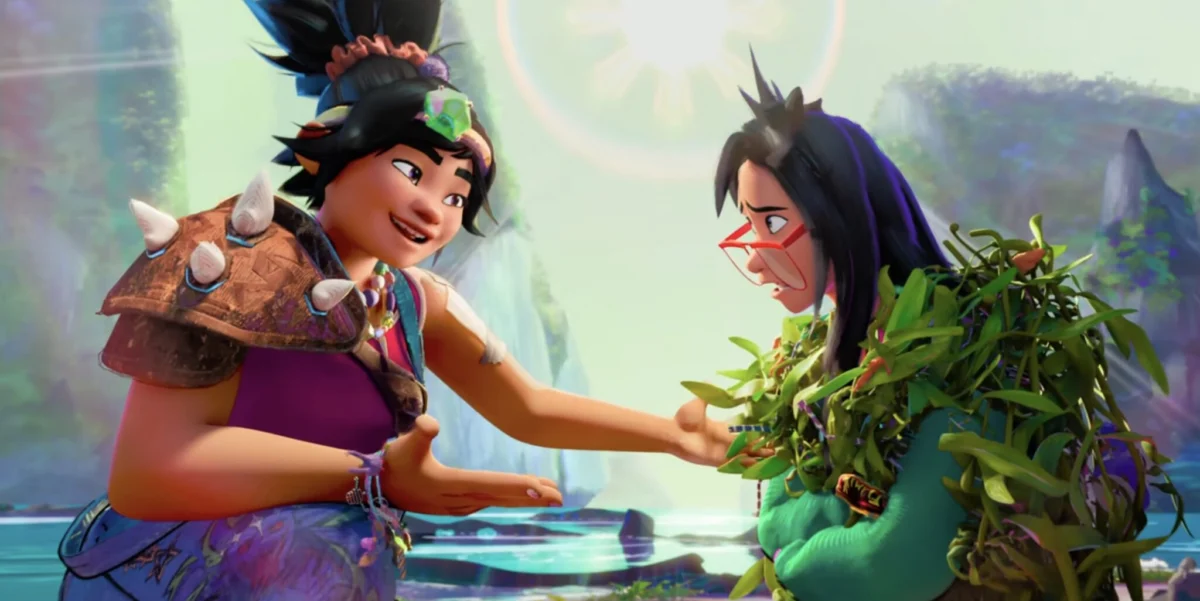
In an era where the animation industry is increasingly dominated by sequels, spin-offs, and the relentless homogenization of franchise IP, DreamWorks Animation has quietly carved out a sanctuary for original storytelling. While industry peers like Pixar find themselves tethered to the mandates of their corporate parent, Disney, and studios like Illumination prioritize the mass-market appeal of marketable mascots, DreamWorks has doubled down on its commitment to the "imaginative and affecting." Their latest cinematic venture, Forgotten Island, serves as a poignant, genre-bending reminder of why original animation matters.
Forgotten Island is not merely another entry in a crowded marketplace; it is a vibrant, culturally resonant exploration of the complexities of girlhood, set against the backdrop of rich Philippine folklore. By blending high-stakes adventure with the intimate, often volatile, and deeply emotional bonds of female friendship, the film establishes itself as a standout achievement in the studio’s modern portfolio.
The Genesis of an Iconic Duo: A Narrative Chronology
The narrative core of Forgotten Island hinges on the bond between two young women, Jo Yuson (voiced by H.E.R.) and Raissa Molina (Liza Soberano). Their story begins in the turbulent, often unforgiving environment of middle school. The two are brought together by a shared sense of defiance: Jo, having physically tackled a classmate for dismissing her grandmother’s stories as mere fairy tales, and Raissa, who stepped into the fray to defend the scientific and mythological legitimacy of the legendary Manananggal.
This inciting incident serves as a blueprint for their dynamic: Jo acts as the impulsive, adventurous spirit, while Raissa serves as the brilliant, pedantic anchor. Their friendship is meticulously chronicled through years of shared "shenanigans," punctuated by the stories told by Jo’s lola, Dolly de Leon, who serves as the bridge between their modern reality and the mystical heritage of Nakali—the titular forgotten island.
The conflict of the film is grounded in the universal anxiety of the transition from adolescence to adulthood. As the protagonists face their impending separation—with Raissa destined for CalTech and Jo struggling with the grief of losing her lola—they embark on a "final wild night" that leads them to the discovery of a key to Nakali. However, the stakes shift abruptly upon their arrival. The duo awakens on the island with no memory of the previous night, stripped of their return key, and forced to navigate a landscape where memories themselves are the currency.
The Mechanics of Memory and Myth
The film’s structure follows a "road-trip" progression, as Jo and Raissa attempt to piece together the events of their blackout. They are aided and hindered by a colorful cast of characters, including Raww (Dave Franco), a were-aspin, and Batiba (Jenny Slate), a memory demon who views the protagonists’ shared history as a commodity.

The film’s strength lies in how it externalizes the internal struggle of growing up. The "Forgotten Island" of the title is not just a geographical location, but a metaphor for the parts of ourselves we leave behind as we age. When Raissa is discovered wearing wings stolen from Manang (Lea Salonga), the legendary Manananggal, the stakes become personal. The film successfully navigates the tension between the whimsical, anime-inspired action sequences and the grounded emotional stakes of a long-term friendship being put to the test.
Technical Prowess and Cultural Integration
One of the most notable aspects of Forgotten Island is its visual and auditory synthesis. The animation team has managed a seamless marriage between traditional DreamWorks sensibilities and the kinetic, expressive language of anime. This aesthetic choice is not merely stylistic; it mirrors the film’s theme of bridging disparate worlds.
The soundtrack further reinforces this commitment to authenticity. Composer Nathan Matthew David went to great lengths to research indigenous Philippine music, integrating these traditional sounds into the film’s score. This sits alongside a curated selection of 1990s and early-aughts anthems, effectively anchoring the film in a specific, nostalgic time capsule that will resonate deeply with millennial viewers.
Visual gags are layered throughout the film, providing moments of levity that balance the more somber, emotional beats. A standout inclusion is a character named Mermahn (voiced by Kevin McCann), a sea-creature with a penchant for humor who accompanies the girls on their journey. While the supporting cast is predominantly male—a common convention in many animated features—their roles are designed to highlight, rather than overshadow, the central female relationship.
Implications for the Industry: The "Woke" Narrative and Beyond
The release of Forgotten Island has inevitably sparked discourse in the online sphere. Because the film highlights female friendship and draws heavily from Filipino mythology, it has faced criticism from a vocal contingent that labels such themes as "woke." However, these labels ignore the fundamental success of the film: its ability to connect with audiences on a visceral level.
The "woke" label often functions as a shorthand for dismissing content that centers diverse perspectives. Yet, the emotional resonance of Forgotten Island—the way audiences of all ages reportedly "roar" and "sniffle" in equal measure—suggests that the film is transcending these culture-war boundaries. The implication for DreamWorks and the broader industry is clear: audiences are starving for stories that feel personal, specific, and culturally rooted. When a studio leans into a specific cultural context, it often ends up reaching a broader, more universal truth.

A Critique of the "Eternal Sunshine" Ambition
While Forgotten Island is a triumph, it is not without its minor flaws. The marketing campaign for the film suggested a high-concept struggle to preserve memories, drawing parallels to films like Eternal Sunshine of the Spotless Mind. In practice, the film’s narrative regarding timelines and memory loss is more linear and "cut and dry" than the trailers promised.
There is a sense that the creative team may have missed an opportunity to lean further into the surreal, psychological nature of memory, which could have elevated the film from a great family movie to an absolute masterpiece of the genre. However, this is a minor quibble. The film’s ability to remain emotionally affecting, even with a more straightforward plot, speaks to the strength of the characters and the sincerity of the writing.
The Lasting Power of Female Friendship
Ultimately, Forgotten Island succeeds because it treats the "wilds of girlhood" as a legitimate frontier. It does not shy away from the messiness, the inherent weirdness, or the life-altering intensity of having a best friend in one’s formative years.
The reveal that Jo, not the island, was responsible for the situation they find themselves in—a desperate act born of the fear of losing her companion—is a masterstroke of character development. It frames the adventure not as a quest to defeat a villain, but as a quest to reconcile with one’s own fear of change.
As the industry continues to churn out safe, focus-grouped content, Forgotten Island serves as a vital reminder that risk, cultural specificity, and emotional honesty are not liabilities—they are the ingredients that make animation truly transcendent. Whether you are a millennial looking for a hit of nostalgia or a parent looking for a story that respects the intelligence and emotional capacity of children, Forgotten Island is a must-see. It is a rare film that manages to be both a riotous, fun-filled romp and a tear-jerking meditation on the people who shape our histories.
In the landscape of modern animation, Forgotten Island stands as a testament to the power of original stories. It is a beacon for those who believe that, even in the "wilds of girlhood," there is a profound, universal magic waiting to be discovered. If you have ever had a best friend who felt like the mirror to your soul, this film is for you. Don’t let it be forgotten.

 Nana Wu
 Ali Ikhwan





