
 Laily UPN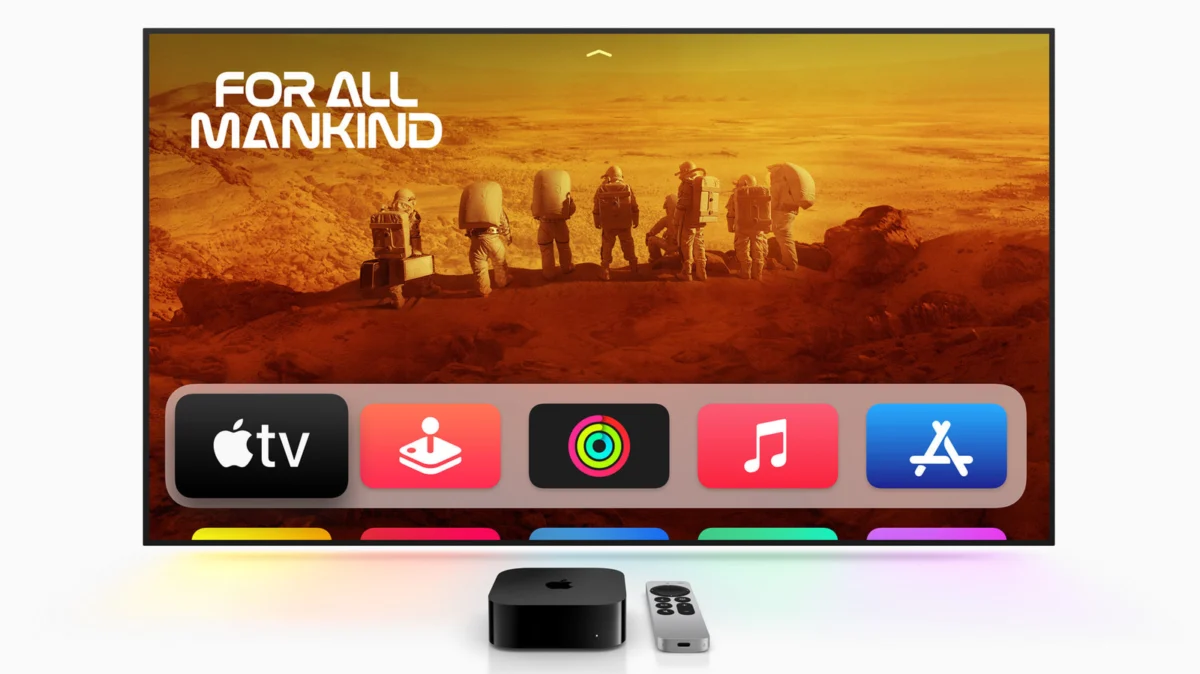
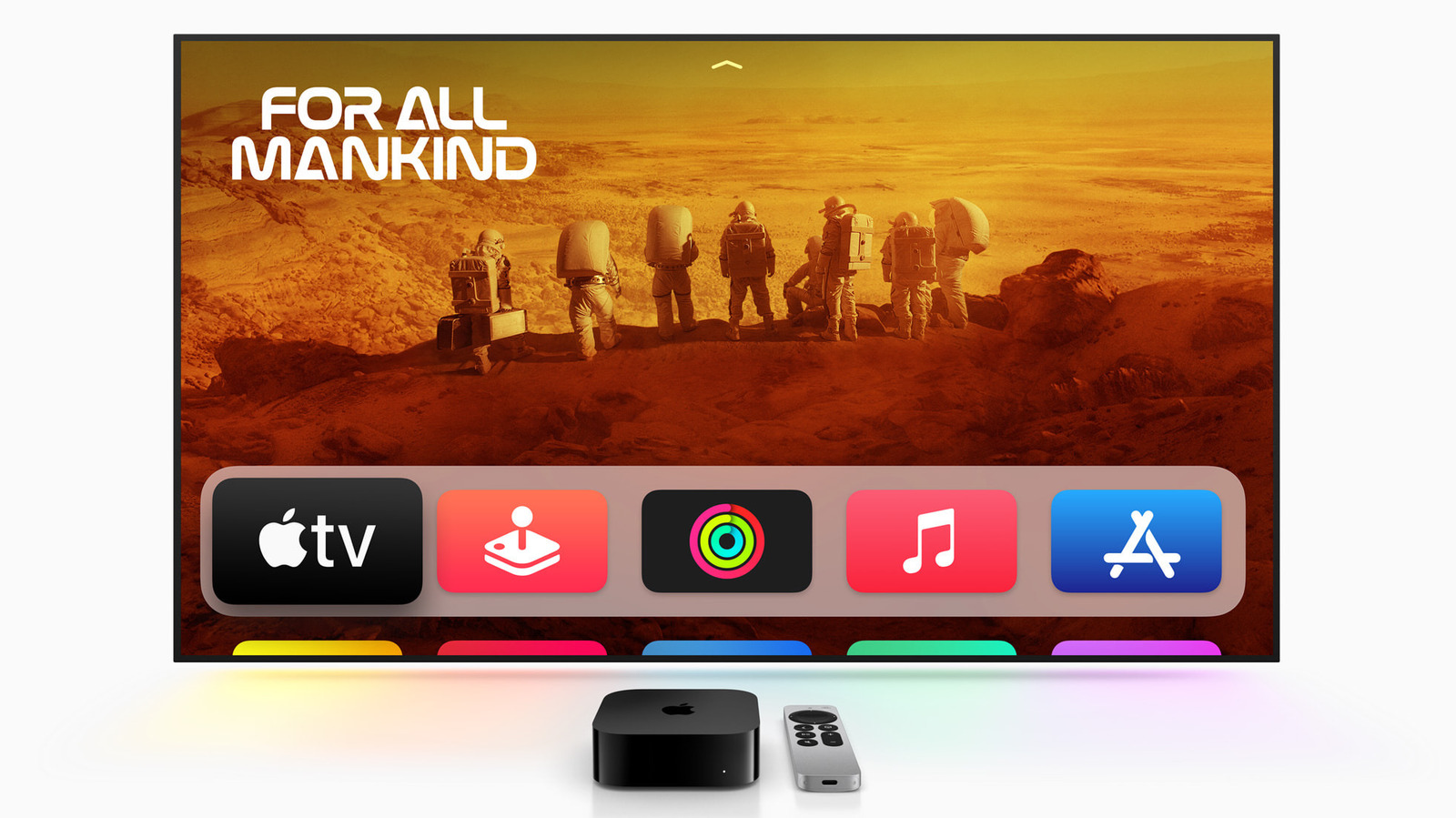
For millions of users across the globe, the evening of September 30 marked an unexpected disruption in their digital routines. Apple’s sprawling ecosystem of services, which users have come to rely on for entertainment, productivity, and subscription management, experienced a significant wave of instability. While the majority of these services have since been restored to full functionality, a persistent outage continues to plague the Apple TV platform, leaving subscribers unable to stream content or access their libraries.
The Scope of the Outage: A Sudden Disconnection
The trouble began at approximately 4:43 PM on September 30. Reports began flooding social media platforms and outage tracking sites as users found themselves locked out of their Apple TV accounts. What initially appeared to be a localized glitch quickly snowballed into a broader service failure.
According to technical reports and data aggregated by 9to5Mac, the instability was not confined to a single app. Users attempting to access the iOS App Store, the Mac App Store, Apple Music, and Apple Fitness+ reported persistent error messages, infinite loading screens, and an inability to authenticate their accounts. Additionally, the outage interfered with critical backend operations, specifically affecting AppleCare+ purchases and the management of active subscriptions.
For a company that prides itself on the seamless integration and reliability of its "walled garden," the simultaneous failure of these services represented a rare and highly visible lapse in infrastructure.
A Chronology of the Disruption
To understand the severity of the event, one must look at the timeline of the disruption and the subsequent recovery efforts by Apple’s engineering teams.
4:43 PM (September 30): The Initial Trigger
The first wave of complaints surfaced shortly before 5:00 PM. Users reported that when attempting to launch Apple TV, they were greeted by an "Unable to Connect" message or a blank interface. Within minutes, the outage expanded to include the App Store and Music services.
6:00 PM – 9:00 PM: The System Status Cascade
As traffic surged toward Apple’s support channels, the official Apple System Status page—a dashboard designed to provide transparency regarding service health—began to update in real-time. For several hours, the page was a sea of yellow and red indicators, confirming that multiple pillars of the Apple ecosystem were suffering from downtime.
10:00 PM and Beyond: Restoration of Core Services
By late evening, Apple’s internal teams managed to stabilize the majority of their services. The iOS and Mac App Stores, Apple Music, and Fitness+ were restored, allowing users to resume their digital tasks. However, the Apple TV platform remained stubbornly offline, defying the recovery trend that saw its sister services come back online.
Analyzing the Impact: Why Apple TV?
While the company cited "scheduled maintenance" as the primary driver for the initial outages, industry experts remain skeptical regarding why Apple TV—a flagship entertainment service—remains the outlier.
The Dependency Chain
Modern digital services are built on complex interdependencies. An outage in an authentication server, for instance, can prevent users from signing into Apple TV even if the video streaming servers are technically operational. It is possible that the "maintenance" triggered a synchronization error in the Apple TV’s proprietary content delivery network (CDN) that requires manual intervention or a more extensive data rebuild.
The Impact on Consumer Trust
Apple’s brand identity is built on the promise of "it just works." When a service like Apple TV goes down, it highlights the inherent risks of a subscription-heavy ecosystem. With the recent hype surrounding high-profile shows like Ted Lasso, the timing of the outage has been particularly detrimental to user satisfaction. Subscribers who pay for these services expect high availability; when that is interrupted, the perceived value of the subscription service diminishes rapidly.
Official Responses and Corporate Transparency
Apple’s communication regarding the outage has been, as is typical for the Cupertino-based tech giant, characteristically brief. On its System Status page, the company issued a notice stating that services "may be unavailable due to scheduled maintenance."
However, this explanation has been met with a degree of frustration from the user base. "Scheduled maintenance" usually implies a planned window where users are notified in advance. This outage arrived without warning, suggesting that the maintenance was perhaps an emergency patch or an unexpected reaction to a backend vulnerability that required immediate service suspension.
As of this report, Apple has not provided a specific timeline for when Apple TV will return to full functionality. This lack of granular communication creates a vacuum of information, often leading to speculation regarding potential cyber-attacks or catastrophic database failures. While there is no evidence to suggest a security breach, the extended nature of the Apple TV outage is causing increased concern among long-term subscribers.
Implications for the Future of Subscription Services
The September 30 outage serves as a case study in the vulnerabilities of cloud-dependent ecosystems. As Apple continues to pivot its business model away from hardware-only sales and toward high-margin services, the stakes for these outages become exponentially higher.
1. Infrastructure Resilience
The ability for one service to remain offline while others recover suggests a need for better architectural decoupling. If an outage in a central authentication system can bring down the entire portfolio, then Apple’s infrastructure lacks the "fault tolerance" required for a truly global service provider.
2. The Communication Gap
In the modern era, transparency is a commodity. Users are often more forgiving of technical failures if they are kept informed. Apple’s reliance on a static "System Status" page that offers little in the way of explanation or estimated time of resolution is becoming an outdated model. Moving forward, a more proactive communication strategy could help mitigate the reputational damage caused by such incidents.
3. Legal and Financial Considerations
While terms of service for most streaming platforms include clauses protecting the provider from liability due to service interruptions, persistent outages can lead to calls for refunds or service credits. If the Apple TV outage continues for an extended period, the company may face pressure to compensate users, particularly those who are currently paying for annual subscriptions.
Conclusion: A Waiting Game
As of now, the digital landscape remains quiet regarding the return of Apple TV. Engineers are undoubtedly working around the clock to reconcile the database issues preventing access. For the average user, the only course of action is to monitor the official Apple System Status page and wait for the "all clear."
The events of September 30 will likely be remembered not just for the inconvenience, but as a reminder that even the most powerful tech companies are susceptible to the complexities of modern network infrastructure. As the industry watches to see how quickly Apple can restore its premier video service, the event serves as a stark reminder of the fragile tether between our entertainment and the servers that host it.
Until the fix is deployed, the "Ted Lasso" fans and Apple TV loyalists will have to look elsewhere for their entertainment, marking a rare moment where the "walled garden" has left its inhabitants waiting outside the gate.


 Raul Delapena Setiawan
 Neng Nana




