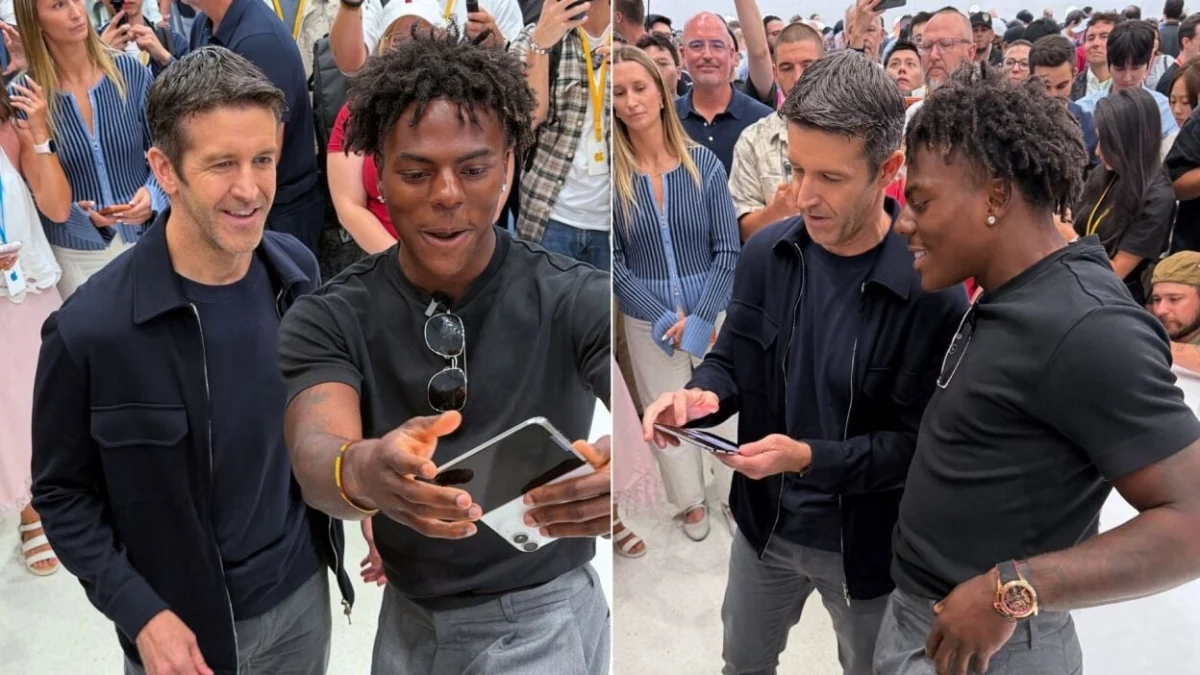
For decades, an invitation to an Apple event was the ultimate badge of honor for technology journalists. It meant a seat in a darkened theater, a front-row view of the future, and an opportunity to grill executives on the nuances of silicon and software. But in October 2026, the landscape of the "tech launch" has fundamentally shifted. As Apple prepares for its highly anticipated "Pro and Tell" event, the guest list isn’t just populated by the traditional press—it is increasingly dominated by social media creators, influencers, and digital personalities.
This shift, however, is not unique to Cupertino. From Silicon Valley to the tech hubs of New York, the industry is pivoting toward a strategy that prioritizes "brand love" over critical inquiry. By providing business-class travel, luxury accommodations, and direct access to C-suite executives, tech companies are effectively rewriting the rules of product PR, opting for the curated reach of creators over the skeptical scrutiny of traditional journalism.
The Evolution of the Apple Event
On a recent episode of Bloomberg’s Power On podcast, journalist Mark Gurman confirmed what many industry observers had begun to suspect: Apple is aggressively courting influencers for its upcoming "Pro and Tell" event in Los Angeles. The perks, as reported, are substantial: fully paid travel, high-end hotel stays, and intimate, scheduled sessions with top-tier executives, including the company’s new CEO, John Ternus.
This is a stark departure from the Apple of the past, which often operated with an aura of exclusivity that made reporters feel lucky to be in the room. As Gurman aptly put it, "There was a time when people were begging to go. It’s not the other way around, typically."
This strategy isn’t appearing in a vacuum. It is the culmination of a multi-year effort to pivot toward the creator economy. In March 2025, Apple hosted a group of student creators in Los Angeles—an event dubbed "Apple Campus"—to foster brand affinity among the next generation of power users. By January 2026, the company had refined this model, hosting an "Apple Experience" event to coincide with the launch of the Apple Creator Studio, a subscription-based suite of creative tools.
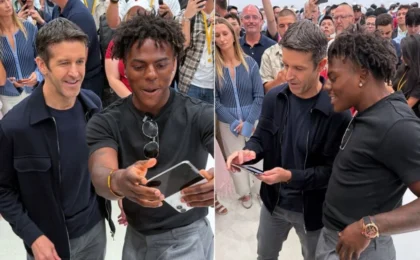
Even the high-stakes world of hardware launches has been infected by this trend. During the September 2026 iPhone event, the spectacle featured livestreamer IShowSpeed performing a backflip while holding an iPhone Duo—a stunt that generated over 6 million views on YouTube. It was a clear signal that for Apple, the metric of success is no longer just the depth of a technical review; it is the viral reach and the "cool factor" provided by a creator.
The Industry Standard: A Race for "Brand Love"
Apple is not a pioneer in this regard; they are simply catching up to the industry standard. Competitors like Samsung and Google have long been utilizing influencer marketing as a primary pillar of their product rollouts.

For the February 2026 launch of the Galaxy S26, Samsung flew approximately 140 influencers from 35 countries to San Francisco. The three-day agenda was packed with product demos, collaborative content sessions, and elaborate closing celebrations. When viewed through the lens of traditional PR, the cost-per-impression of such an event is staggering. However, when viewed through the lens of modern marketing, it is a necessary investment.
The stakes are even higher for Artificial Intelligence firms, which are currently battling a PR crisis rooted in public skepticism. Concerns regarding job displacement, environmental impact, and ethical usage have created a wall between these companies and the average consumer. To bridge this gap, companies like OpenAI and Anthropic are turning to creators to act as human "trust bridges."
OpenAI, in particular, made a bold statement in early 2026 by hiring Charles Porch, a veteran of Instagram’s partnership division, as their first VP of global creative partnerships. By mid-year, the company was hosting creators at Wildflower Farms, a luxury resort in the Hudson Valley, providing monogrammed pajamas and private cabins. The message was clear: AI isn’t just code; it’s a lifestyle, and it’s meant to be experienced, not just debated.
Data and Dissection: Why Brands are Making the Switch
Why are tech companies dumping millions into influencer brand trips? The data from Deloitte suggests a compelling reason. A recent study found that 70% of U.S. consumers who engage with creators consistently return to the same individuals for recommendations. More importantly, 60% of those consumers reported making a purchase primarily because of a creator’s sponsorship or recommendation within the last six months.
Journalist Jason Snell, appearing on MacBreak Weekly, noted that the shift is not just about reach; it’s about control. "Influencers can offer companies more control over their message," Snell argued, noting that creators are prone to repeating promotional talking points "instead of questioning your points as a journalist might."
This creates a tension within the tech community. As tech reviewer Ben Sin noted on social media, the pivot to favoring "lifestyle influencers over techies" is a bittersweet development for those who value deep-dive hardware analysis. While the lifestyle influencers bring reach, they often lack the technical literacy to challenge the company on flaws or systemic issues.
The Backlash: When PR Goes Viral
The transition to influencer-heavy marketing has not been without its casualties. In August 2026, OpenAI’s nature-filled retreat in the Hudson Valley triggered a significant backlash. While the attendees were posting idyllic photos of their experience, the internet at large was questioning the irony of the situation.

Social media users on X and Reddit were quick to point out the dissonance of an AI brand trip held in a pristine nature setting at a time when data centers—the engines of AI—are being criticized for their massive water and electricity consumption. Comments asking if the influencers were "gazing at where the new data center is gonna go" went viral, turning what was intended to be a win for brand perception into a meme about tech-industry tone-deafness.
Despite this, the financial incentive for creators remains immense. For many, the opportunity to secure a sponsorship ranging from $5,000 to $30,000—or, as in the case of some top-tier AI deals, significantly more—is too lucrative to pass up. Yet, some creators are beginning to draw lines. Circus performer Jack Lepiarz, known as "Jack the Whipper," notably rejected a $20,000 deal from a generative AI tool company, citing concerns over the technology’s impact on human livelihoods.
Implications for the Future of Tech Reporting
The rise of the "Creator Event" suggests a fundamental divergence in the media landscape. We are moving toward a two-tier system:
- The Promotional Tier: Influencers and creators who trade critical distance for exclusive access, perks, and direct lines to company leadership.
- The Investigative Tier: Traditional journalists who remain at arm’s length, tasked with holding corporations accountable, often at the cost of being "frozen out" of exclusive, high-access events.
As tech companies become increasingly protective of their narrative, the line between advertisement and journalism will continue to blur. Companies like OpenAI have publicly stated that they value creators who "ask tough questions," but the environment of a luxury resort or a business-class flight to a private demo inherently favors a collaborative, rather than an adversarial, relationship.
For the consumer, the takeaway is clear: the information landscape is shifting. When watching an "unboxing" or a "product experience" from an event in Los Angeles or the Hudson Valley, it is important to remember that the perspective is often part of a carefully curated brand ecosystem.
As we move toward the end of 2026, the question remains: will the public eventually tire of the glossy, influencer-led narrative, or will the "Creator-First" era prove to be the new, permanent reality of tech reporting? If the recent history of these events is any indicator, the red carpet is only going to get longer, and the guest list for the "Pro and Tell" events of the world will only continue to favor the influencer over the analyst.
Disclosure: Ziff Davis, the parent company of Mashable, filed a lawsuit against OpenAI in April 2025, alleging the unauthorized use of copyrighted material for the training and operation of its AI systems.