In the quiet landscape of Western Massachusetts, a small but fiercely intentional venue has shuttered its doors, marking a poignant end to a project that sought to redefine the intersection of nightlife and public health. Last Ditch Bar and Arts Venue, a self-described "COVID-conscious" lesbian bar, announced on Monday that it would be ceasing operations effective immediately. The closure comes as the culmination of a tumultuous month defined by online vitriol, internal leadership collapse, and the crushing pressures of maintaining a mission-driven business in an era of hyper-polarized social discourse.
While the venue’s owners have characterized the closure as a "soft" exit—leaving the door cracked open for potential buyers or partners to salvage the space—the mood among the local LGBTQ+ community is one of mourning. Last Ditch represented a rare sanctuary for a demographic that has seen its physical third spaces dwindle to near-extinction across the United States.
The Genesis of a Specialized Space
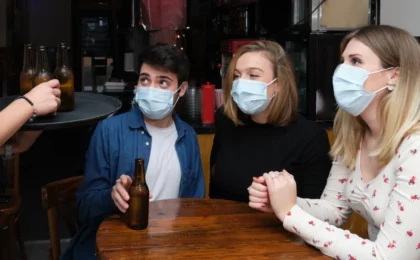
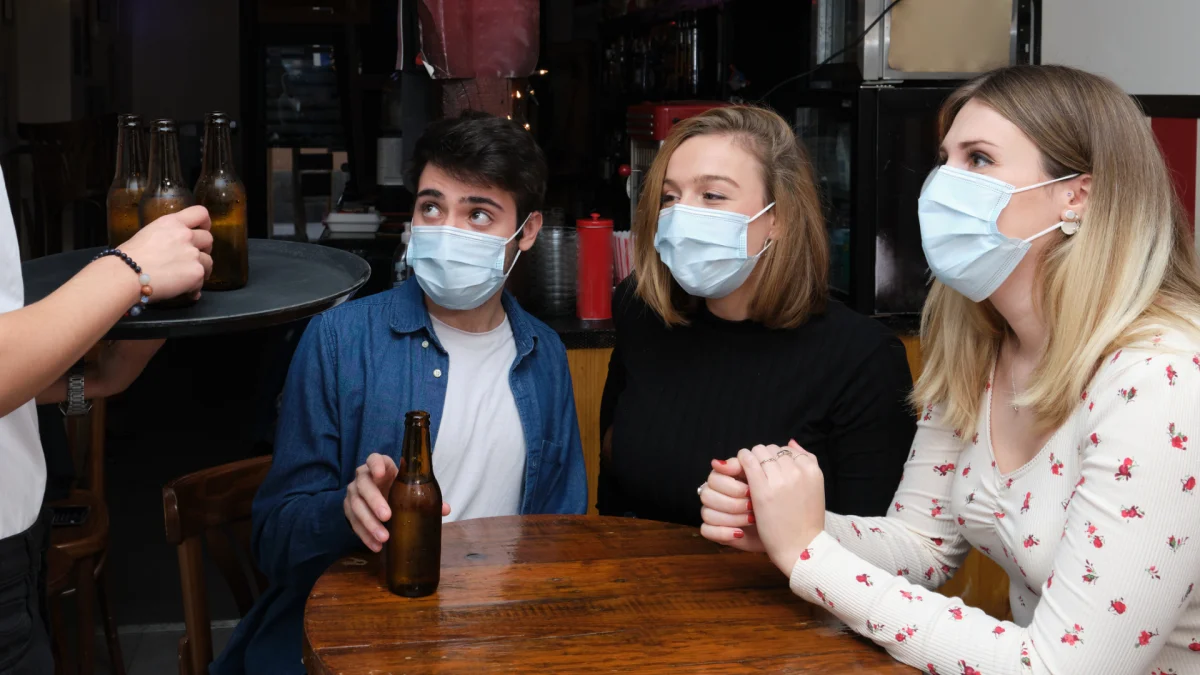
To understand the weight of the loss, one must understand the intent behind Last Ditch. Lesbian bars have become a vanishing commodity in America; according to the Lesbian Bar Project, there are fewer than 30 dedicated lesbian bars remaining in the entire country. In this context, Last Ditch was more than a watering hole. It was designed as a "home base for organizing," a radical experiment in community care where the physical safety of immunocompromised patrons was prioritized through strict KN-95 mask mandates.
The venue’s founders viewed the bar as an extension of the fight for bodily autonomy and collective wellness. By mandating masking in a social environment, they sought to provide a rare night out for those who had been effectively sidelined by the societal "return to normal" that followed the peak of the COVID-19 pandemic. However, the operational reality of sustaining such a niche, labor-intensive model proved to be the venue’s undoing.
Chronology of a Collapse: From Viral Fame to Forced Closure
The trajectory of Last Ditch’s final weeks reads like a case study in the volatile intersection of niche activism and internet performativity.
The Mask Mandate Conflict
The controversy began when the venue moved to relax its stringent KN-95 mask policy. What was intended as a pragmatic operational adjustment quickly spiraled into a public relations catastrophe. The shift triggered a firestorm of criticism from the very community the venue was built to serve. Online commenters, many of whom were not local patrons, accused the leadership of ableism and betrayal, arguing that any relaxation of safety protocols rendered the space exclusionary to the most vulnerable.
The Boston Globe Feature
The situation moved from internal discord to national spectacle when the Boston Globe published a feature detailing the conflict. The report went beyond the mask policy, diving into the idiosyncratic culture of the venue’s management. Anecdotes, such as the disclosure that one owner had been enrolled in clown school, were quickly stripped of their local context and weaponized by social media users. The article transformed a local policy dispute into a piece of digital "rage-bait," leading to a deluge of harassment, calls for boycotts, and, in some instances, threats of violence.
The Leadership Vacuum
The pressure proved insurmountable. As the venue’s leadership team faced intense public scrutiny and a barrage of criticism, the organizational structure began to fracture. The team, which had been struggling to recruit sufficient staff from the beginning, found itself unable to maintain the administrative burden of running a business while simultaneously managing a public crisis. By Monday, the owners announced they could no longer sustain the operation, noting, "We have put our lives on hold to foster networks of care… It’s time we pass it on."
Supporting Data and The "Clown School" Phenomenon
The Boston Globe report remains a pivotal document in this narrative. While the journalism was factually grounded, it served as a lightning rod for the internet’s penchant for derision. For many, the report highlighted the "cringe-worthy" aspects of the venue’s internal culture, creating a disconnect between the serious mission of the bar and the way it was perceived by the general public.
This dynamic highlights a growing trend in modern discourse: the tendency to flatten complex community projects into meme-worthy content. When a business functions as both a political project and a commercial enterprise, it is inherently vulnerable. The "clown school" detail, while likely an innocuous aspect of a staff member’s personal background, was cited repeatedly in the online discourse as evidence of an "unserious" management style. This, combined with the intense vitriol surrounding the mask policy, created a toxic environment that made the daily operations of a bar impossible to maintain.
Official Responses and the Search for a Savior
In their final Instagram post, the owners were transparent about their exhaustion. They clarified that they were not necessarily abandoning the concept, but rather admitting that they were no longer the right people to lead it.
"We’ve been fighting since the beginning to fill out the team, and we still don’t have a board or leadership to manage a worker-owned co-op transfer," the statement read. The call to action is clear: they are looking for someone to take the reins. For the owners, the closure is not a rejection of the vision, but an admission of the burnout that accompanies trying to build a utopian space in a market-driven world.
The response from the local community has been mixed. Supporters who frequented the bar are grieving the loss of a rare "COVID-conscious" social hub, while others have expressed relief that the conflict has finally subsided. The ambiguity of the "soft closure" leaves the future of the venue in a state of suspended animation, awaiting a savior that, given the toxicity of the current online climate, may never arrive.
Implications: The Fragility of Niche Third Spaces
The closure of Last Ditch serves as a grim warning about the sustainability of radical queer spaces in the digital age. Several key implications emerge from this saga:
1. The Burden of "Perfect" Activism
Last Ditch attempted to hold itself to an exceptionally high standard of accessibility. While admirable, this "perfect" standard made them a target for "call-out culture." When the venue fell short of its own lofty goals, the response was not constructive criticism, but a scorched-earth campaign that dismantled the very foundation the owners had built.
2. The Dangers of Digital Overshadowing
The internet’s ability to amplify a local story into a global crusade can destroy a small business in a matter of days. The "viral" nature of the Boston Globe article meant that the venue was no longer answering to its actual patrons, but to thousands of online observers who had no stake in the venue’s success but a high stake in its moral failings.
3. The Crisis of Leadership and Sustainability
The reliance on volunteerism or under-compensated labor in community-led spaces is a recurring theme in the collapse of independent queer venues. Without a robust, professionalized board or a sustainable financial model that doesn’t rely on "putting lives on hold," these spaces are perpetually one crisis away from total shutdown.
4. A Loss for the Queer Community
Regardless of one’s stance on the masking policy or the management style, the loss of a lesbian bar is a measurable blow to the community. These spaces provide historical continuity, a sense of belonging, and a site for political and social development. As these venues disappear, the demographic they serve becomes increasingly atomized, forced to seek community in digital spaces that—as evidenced by this saga—are often far less forgiving than the physical spaces they replace.
Conclusion
The end of Last Ditch is a complex tragedy. It is a story about the intersection of public health, the precarity of the LGBTQ+ nightlife industry, and the brutal efficiency of social media outrage. While the owners hope for a transition to new leadership, the reality is that the "soft" closure may indeed be a hard stop.
As the doors lock in Western Massachusetts, the community is left to reckon with a difficult question: how do we build and sustain the spaces we need in a world that is all too ready to tear them down? The answer, perhaps, lies in creating spaces that are allowed to be imperfect—where the mission of community care can exist without the suffocating pressure of being the final, perfect bastion of political purity. Until then, the map of American queer spaces grows just a little bit emptier, and the cost of our collective intolerance becomes ever more apparent.