In the sprawling, often chaotic ecosystem of Elon Musk’s X, "main character" status is usually reserved for a singular trending topic or a controversial celebrity. However, in late October 2026, that title was claimed by two entire nations. What began as a localized misunderstanding regarding the use of an anime flag during French student protests has metastasized into a vicious, cross-continental digital war, exposing deep-seated cultural grievances and the fragile reality behind idealized national identities.
As France grapples with the "Act 3" protest movement—a wave of unrest driven by inflation, educational neglect, and labor instability—a peculiar bridge was built between French Gen Z activists and Japanese netizens. It was a bridge constructed of anime aesthetics, but it collapsed under the weight of racism, xenophobia, and conflicting global perceptions.
The Catalyst: From ‘One Piece’ to Polarization
The conflict found its unlikely genesis in the streets of Paris and its suburbs. As French students mobilized against deteriorating conditions in public schools—a movement that has seen tens of thousands take to the streets and occasionally clash with riot police—a distinct visual theme emerged.
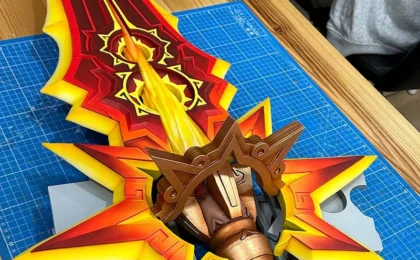
Influenced by a global obsession with Japanese animation, young French protesters began incorporating iconography from One Piece, Naruto, and Jujutsu Kaisen into their demonstrations. At the forefront was the Straw Hat Pirates’ Jolly Roger from One Piece, a symbol of rebellion against corrupt authority. For these students, the imagery was a tool of solidarity and a way to signal their resistance.
However, the sight of this flag being carried by protestors engaged in civil unrest—which included instances of looting and vandalism in Paris—did not sit well with segments of the Japanese internet. On October 19, the account "Anime Spotlight" catalyzed the situation by highlighting Japanese social media users who expressed offense at the association of their beloved pop culture icons with "violent" foreign unrest.
A Chronology of the Escalation
- Mid-September 2026: Protests erupt at a high school in Créteil, France, protesting teacher shortages and lack of resources.
- October 6, 2026: The movement expands; approximately 56,000 people march in Paris.
- October 17, 2026: French protesters are widely seen carrying anime flags, with slogans like "The world will be saved by Otakus" circulating on social media.
- October 19, 2026: Japanese users on X begin criticizing the use of these symbols, with the discourse rapidly shifting from copyright/misuse complaints to overt anti-immigrant vitriol.
- October 20–25, 2026: The feud turns "ugly." Japanese users post racist imagery targeting Black and Arab participants in the French protests, mirroring far-right talking points.
- October 26, 2026: French users retaliate with a campaign targeting Japanese societal tropes, including toxic work culture, loneliness, and the sexualization of minors in media.
The Anatomy of the Feud: Beyond the Flag
The pivot from a debate over anime symbols to a race-based conflict was swift and severe. Japanese users, echoing far-right rhetoric prevalent in the U.S. and Europe, began blaming the French unrest on Black and Arab immigrants. These posts frequently utilized racial slurs and derogatory caricatures, including imagery evoking the trans-Atlantic slave trade.

French users, responding in kind, did not take the high road. Their counter-offensive, which utilized translated memes and targeted hashtags, focused on "deconstructing" the idealized image of Japan. They attacked Japanese men by highlighting the country’s karoshi (death by overwork) culture, the high rates of social isolation, and controversial content within the manga industry. While the French response was framed by some as a defense against racism, it quickly devolved into its own brand of xenophobic stereotyping.
Supporting Data: The Reality Behind the Facade
The intensity of this digital brawl is fueled by the collision of two "mythical" countries. Japan is often viewed through the lens of "Cool Japan"—a state-sponsored soft-power initiative that paints the nation as a bastion of safety, politeness, and quirky innovation. Conversely, France is often viewed by international tourists through a romanticized, postcard-perfect lens of high fashion and history, which clashes violently with the reality of the country’s current socio-economic struggles.
The Japanese Socio-Economic Reality
The "perfect" image of Japan masks deep-seated structural challenges:
- Nationalism and Immigration: Under Prime Minister Sanae Takaichi, Japan has taken a hardline stance on immigration. A February 2026 Stanford survey revealed that 53 percent of Japanese respondents opposed increasing the foreign workforce, a sharp rise from 2022.
- The Overwork Crisis: The Japanese government’s 2025 white paper noted that over 20 percent of companies still maintain working conditions where employees risk death by overwork.
- The Mental Health Toll: Despite a dip in overall suicides to 19,097 in 2025, the rate of suicide among children reached a record high of 532, highlighting an intense pressure-cooker environment that is often ignored by the international anime-fandom community.
The French Socio-Economic Reality
The French protesters are fighting a battle against systemic neglect:
- Education Funding: The "Act 3" protests are primarily a reaction to a decade of austerity measures that have stripped public schools of essential personnel and maintenance budgets.
- Cost of Living: Inflation has eroded the purchasing power of the French working class, creating a volatile environment where civil disobedience is seen as the only remaining lever for change.
Implications for Global Digital Culture
This feud is a symptom of a larger, more concerning trend: the weaponization of cultural exports to reinforce insular, nationalist ideologies.
For years, the "model minority" myth—which often centers on East Asian populations—has been used as a wedge to dismiss the systemic struggles of other minority groups. When that myth is challenged by the reality of a modern, politically polarized Japan, the resulting cognitive dissonance often manifests as aggression.

Conversely, the French response demonstrates that the "global village" of the internet is not actually a place for cross-cultural understanding, but rather a space where stereotypes are mobilized as ammunition. By attacking Japan’s work culture and societal issues, French users are effectively stripping away the "Cool Japan" mask, but in a way that prioritizes retribution over actual dialogue.
Conclusion: The Shattered Mirror
The "One Piece" flag, once a symbol of unity for fans across the globe, has become a casualty of the very tribalism it was meant to transcend. The feud between French and Japanese users on X is a sobering reminder that pop culture—whether it be the escapism of anime or the romance of Paris—is not a substitute for political literacy or empathy.
As the conflict continues to churn on X, the most significant casualty remains the truth. The French protests are about the failure of a government to provide basic services; the anger from Japanese users is rooted in a nationalist anxiety that is increasingly disconnected from the global reality. Both sides are fighting a phantom war, fueled by caricatures, against the shadows of nations that neither truly understands.
In the end, this digital beef serves as a stark warning: when we consume a culture purely as a product, we lose the ability to see the people behind the art. And when we are confronted with the reality that those people are as flawed, complicated, and struggling as we are, the reaction is often not grace, but a desperate, ugly attempt to maintain the illusion.