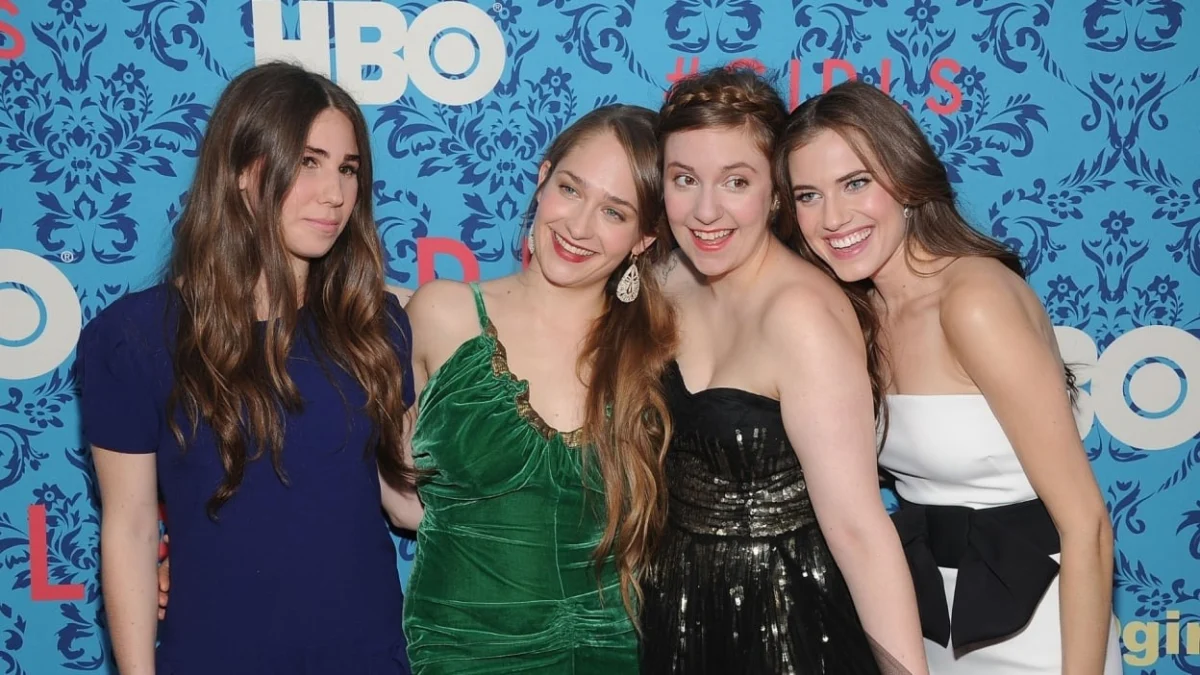
When HBO announced that the definitive chronicle of millennial narcissism, Girls, would return for a limited five-episode revival in 2026, the internet did exactly what it was designed to do: it erupted in a cacophony of nostalgia, irony, and collective anxiety. For a generation that grew up alongside Hannah Horvath and her coterie of flawed, fascinating, and frequently insufferable friends, the news was less of a surprise and more of a cultural inevitability.
As we prepare to revisit the messy streets of Brooklyn, we find ourselves nearly a decade removed from the series finale. The original run of Girls (2012–2017) didn’t just capture a moment in time; it acted as a Rorschach test for twentysomethings navigating the dawn of the influencer age, the rise of the "side hustle," and the crushing weight of unmet expectations. Now, with the cast returning and Lena Dunham back at the helm, the stakes feel higher, the cultural landscape more fractured, and the characters—hopefully—no less disastrous.
The Return to Brooklyn: A Chronology of Chaos
To understand why this revival is so anticipated, one must look at the timeline of the series’ influence. When Girls first premiered in 2012, it arrived as a lightning rod. It was lauded for its raw, unfiltered look at the post-collegiate void and criticized for its lack of diversity and the blinding privilege of its protagonists.
By the time the series concluded in 2017, the characters had undergone significant, if often painful, transformations. Hannah had embraced motherhood in upstate New York, Marnie had grappled with the ruins of her marriage, Jessa had navigated a turbulent relationship with Adam, and Shoshanna had successfully pivoted to a career in Japan. The 2026 revival promises to pick up the threads of these lives, likely exploring how the mid-thirties have treated this particular quartet.
The production timeline for the limited series remains tightly under wraps, but sources suggest that the five-episode structure is designed to be a high-intensity, "day-in-the-life" style exploration of where these women stand in a post-pandemic, algorithm-driven world.
The Evolution of the "Girlboss" and the Influencer Economy
If the original series was about the struggle to be heard in a traditional media landscape, the revival is destined to be about the struggle to remain relevant in the attention economy. Supporting data from the current social media landscape suggests that the behaviors Dunham’s characters pioneered are now the status quo.
The "wellness grifter" archetype, once embodied by the show’s more esoteric side characters, has exploded into a multi-billion dollar industry. We expect to see Jessa navigating this space—perhaps selling "energy-aligned" tinctures or running retreats that promise healing but deliver mainly high-priced isolation. Meanwhile, the rise of the "mommy influencer" provides a perfect, satirical playground for a character like Marnie, whose need for external validation could easily translate into a highly curated, beige-toned Instagram aesthetic.

Official Responses and Creative Direction
While HBO has remained tight-lipped regarding specific plot points, creator Lena Dunham has hinted in recent social media dispatches that the tone will be "less about the search for identity and more about the horror of having found it."
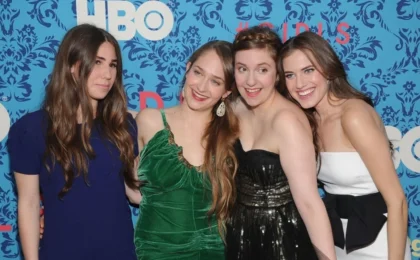
The return of the core cast—Dunham, Allison Williams, Jemima Kirke, and Zosia Mamet—is the cornerstone of the project. Their involvement signals that this is not a reboot, but a continuation. The inclusion of fan-favorite secondary characters, such as Andrew Rannells’ Elijah and Alex Karpovsky’s Ray, has been confirmed, providing a sense of continuity that is vital for long-time viewers. Industry insiders suggest that the show will not shy away from the characters’ past mistakes, but rather highlight how those mistakes have fossilized into adult neuroses.
A Wishlist for the New Era
As we anticipate the revival, there are several narrative arcs that feel essential to the Girls DNA.
1. The Professional Reckoning
Shoshanna has always been the dark horse of the group. Having seen her adapt to the high-pressure environment of Tokyo in the original series, it is entirely plausible that she has returned to the U.S. as a powerhouse startup founder. Watching her navigate the "circle-back" culture of Silicon Valley while her friends struggle with traditional professional stability could provide the perfect friction.
2. The Digital Villainy of Hannah Horvath
Hannah’s penchant for self-mythologizing is tailor-made for the TikTok era. Imagine a plotline where she writes a deeply personal, problematic essay about parenting, only to have it ripped apart by Gen Z critics. The inevitable "Notes app apology" that follows would be the most "Hannah" moment in the history of the series.
3. The Aging of the "Cool" NYC
The New York City that Girls depicted is effectively gone. The gentrification that the characters once ignored has now consumed their favorite haunts. A poignant, if biting, storyline would involve the group realizing they are no longer the "young" people in Williamsburg, but rather the older, out-of-touch figures they once mocked.
4. The Return of the "Hot Doctor"
Patrick Wilson’s Joshua remains a symbol of the unattainable, stable, and vaguely intellectual life the girls chased. A brief, haunting reappearance—perhaps as a disillusioned man who has seen his own idealism fade—would serve as a perfect foil to the current trajectory of the main characters.

Societal Implications: Why We Still Need This Show
The return of Girls is not merely an exercise in nostalgia; it is a vital sociological experiment. The show was always at its best when it was holding a mirror up to the selfishness of its characters. In an era where performative empathy and digital branding are the primary modes of human interaction, the inherent "messiness" of these women feels surprisingly radical.
Critics have argued that the show was "ahead of its time" in predicting the rise of the personal essayist and the self-documentarian. By returning now, Girls has the chance to comment on the world it helped create. Will the characters find redemption? It is unlikely. Will they continue to be as infuriating as they are captivating? One can only hope.
The Legacy of the "Voice of a Generation"
As we look toward the 2026 premiere, the question remains: what does it mean to be a voice of a generation when that generation is no longer the center of the cultural conversation?
Hannah, Marnie, Jessa, and Shoshanna are now approaching middle age. They are no longer the "girls" of the title, and the friction between their self-perception and their reality will be the central conflict of this revival. We are looking at a story about what happens when the "formative experiences" of your twenties turn out to be the defining constraints of your forties.
Whether it is through the lens of a bankrupt NFT-bro-turned-fraudster (Booth Jonathan) or the emergence of a new, Gen Z literary rival who makes Hannah feel ancient, the revival is set to be a scathing, hilarious, and necessary look at the passage of time. The Girls are back, and while they might not have changed, the world around them has—and that is exactly why we will be watching.
The revival is not just a return to a beloved (or hated) series; it is a chance to see how the most self-obsessed characters in television history handle the ultimate, inescapable truth: the world doesn’t actually revolve around them, and it never did. We can’t wait to see them try to navigate that realization with their signature, chaotic grace.