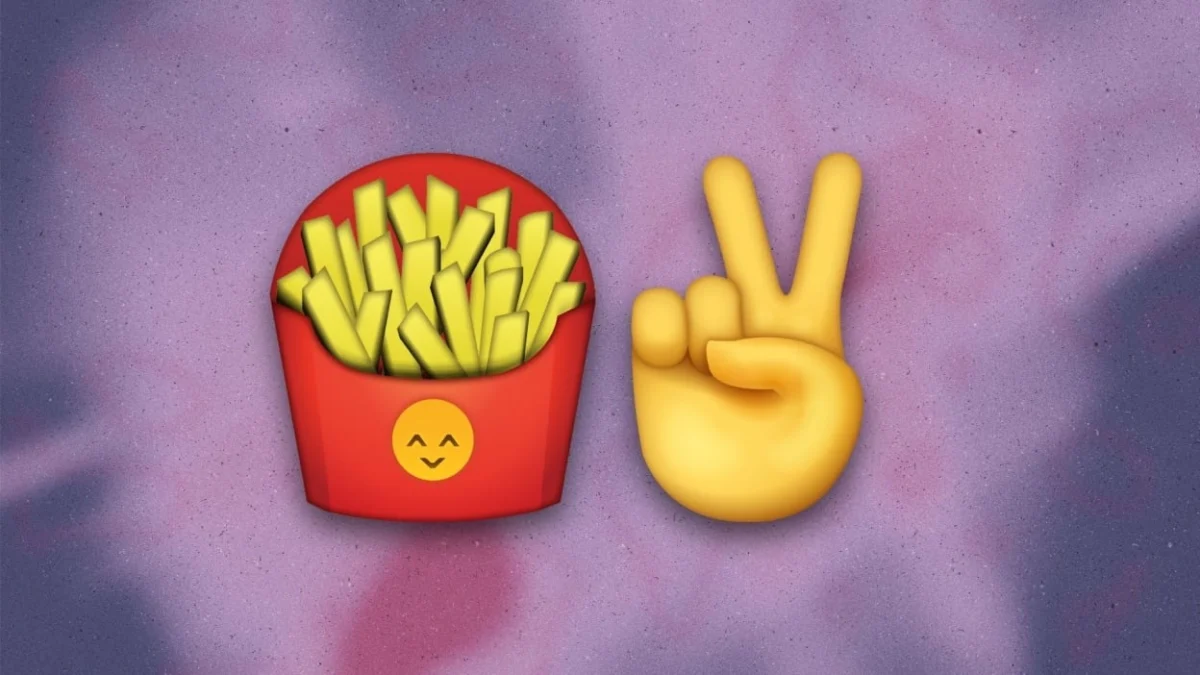
If you have spent any significant time in the comment sections of TikTok or Instagram Reels lately, you may have noticed a curious trend. Amidst the flurry of chaotic commentary and short-form video discourse, a singular, seemingly innocuous emoji—the French fries (🍟)—has begun appearing with increasing frequency. To the uninitiated, it might look like a casual craving for a snack. In reality, it is the latest linguistic weapon in the arsenal of Generation Alpha.
When this emoji appears in your notifications, it is rarely a compliment. It is a shorthand for “cringe,” a signal that the poster is being “corny,” or, most commonly, a cold-blooded instruction to simply “wrap it up.” In the hyper-accelerated landscape of Gen Alpha internet slang, the fries emoji has become the definitive way to tell someone that their opinion is unwanted, their monologue is tedious, or their presence is simply irrelevant.
The Evolution of the "Fries" Phenomenon
To understand why a digital depiction of a fried potato has become a social pariah’s mark, one must look at the etymology of the phrase that preceded it: “Just put the fries in the bag, bro.”
The meme, which began gaining significant traction on TikTok around 2024, was originally a verbal retort used to mock individuals who were perceived as oversharing, lecturing, or acting with an unearned sense of importance. The imagery is visceral: it reduces the person speaking to a fast-food service worker, suggesting that their unsolicited opinion or long-winded anecdote is as trivial as a side order of fries.
The Chronology of a Digital Put-Down
The transition from a full sentence to a single, context-dependent emoji is a hallmark of how digital communication has evolved among younger cohorts.
- 2022: The Origin Point: The sentiment first surfaced on platforms like Facebook and early TikTok as "just put the ketchup in my bag, bro." It was a clunky, nascent version of a power move, used to dismiss someone who was talking too much.
- 2024: The TikTok Explosion: The phrase was refined to "just put the fries in the bag, bro." This version exploded in popularity, becoming a staple of "roast" culture. It served as an efficient way to invalidate someone’s ego.
- 2026: The Emoji Reduction: By late 2026, the efficiency of text-based communication reached its zenith. Gen Alpha, known for their preference for visual shorthand, dropped the text entirely. The 🍟 emoji became the symbolic embodiment of the entire meme.
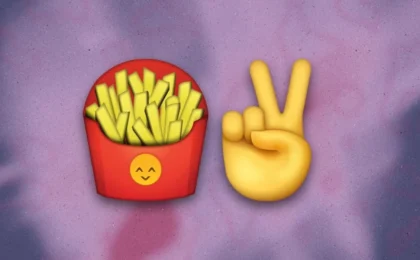
Today, if a user posts a video that is deemed “cringe” or overly performative, they are often met with a barrage of 🍟 emojis. When paired with the peace sign (✌️), the message is even more final: “🍟✌️” translates to a dismissive “wrap it up and get out of here.”
The Anatomy of the Insult: Why Does It Work?
Why has this specific symbol gained such cultural dominance? The answer lies in the economy of attention. Gen Alpha and younger Gen Z users operate in a high-velocity information environment where brevity is the ultimate currency.

When you type a paragraph-long critique, you have already lost the battle. By using a single emoji, the critic occupies a position of detachment. It signals that the target is not even worth the effort of typing a full sentence. The fries emoji acts as a meta-commentary on the insignificance of the speaker. It is a linguistic “mic drop” that requires zero effort from the sender, thereby heightening the impact of the insult on the recipient.
Supporting Perspectives: The "Cringe" Culture
Sociologists and digital culture analysts often point to the concept of “cringe culture” as the primary engine for this behavior. For the digital-native generation, the fear of being perceived as “trying too hard” is paramount.
"The fries emoji is the ultimate weapon against the ‘try-hard,’" says one digital culture researcher. "It functions as a social boundary. If you are being too earnest, too dramatic, or too self-important, the internet collectively decides to humble you. The fries emoji is the tool they use to enforce that humility."
Unlike older forms of online harassment, which often relied on explicit insults or profanity, the fries emoji is insidious because of its plausibility. If confronted, a user can easily claim they were simply hungry, or that the emoji meant something else entirely. It provides a layer of "plausible deniability" that makes it a perfect, low-stakes tool for cyber-taunting.
The Uncomfortable Implications of the Meme
While the transition from a verbal phrase to a symbolic emoji is a fascinating case study in linguistic evolution, it is not without its controversies. Beneath the surface of this viral trend lies an unsettling classist undertone.
At its core, the phrase "just put the fries in the bag" derives its power from the dehumanization of service industry workers. The joke relies on the premise that working at a fast-food restaurant is a low-status position. By telling someone to "put the fries in the bag," the sender is essentially telling the recipient that their labor is menial and their perspective is inherently less valuable than that of a customer.
From Cultural Critique to Casual Dismissal
As the phrase has been distilled into an emoji, this context is often lost on the younger demographic using it. Many Gen Alpha users likely have no conscious intent to disparage service workers when they use the 🍟 emoji; for them, it is simply a synonym for "stop talking."

However, the irony remains: a generation that prides itself on social consciousness is utilizing a piece of internet vernacular that is fundamentally rooted in the denigration of the working class. This raises questions about how internet memes can become detached from their original, problematic origins while retaining their aggressive utility.
Future Outlook: Where Does the Slang Go Next?
As we look toward the remainder of 2026 and into 2027, the lifespan of the fries emoji is likely limited. Internet slang operates on a cycle of adoption and exhaustion. Once a piece of slang becomes mainstream enough to be explained in articles like this one, it often loses its "cool" factor among the very people who created it.
We are already seeing signs of this exhaustion. As the 🍟 emoji becomes widely recognized as an insult, power users are shifting toward more obscure symbols, further burying their meanings to maintain the barrier between those "in the know" and the rest of the digital population.
Conclusion: The New Language of the Internet
The story of the fries emoji is a perfect microcosm of the modern internet. It highlights the speed at which language evolves, the power of visual symbols over text, and the way in which memes can strip away context to leave only the raw, often aggressive, sentiment behind.
Whether you find the trend humorous or deeply cynical, one thing is certain: the way we communicate is changing. If you find yourself on the receiving end of a 🍟 emoji in the coming months, know that you are not being invited to lunch. You are being told that, in the eyes of the digital landscape, your time is up.
In the high-stakes, low-attention world of Gen Alpha, the most powerful insult is no longer a word—it is a picture of a snack that implies you are, quite simply, not worth the conversation.