In a significant blow to the illicit semiconductor trade, Malaysian customs authorities have successfully intercepted a massive shipment of advanced artificial intelligence hardware. The seizure, valued at approximately 49.5 million Malaysian ringgit (roughly $12 million USD), highlights the escalating tensions and complexities surrounding the global distribution of high-performance computing components. As the world remains locked in an AI arms race, the black-market value of top-tier processors has skyrocketed, making them prime targets for international smuggling syndicates.
The Bust: A Strategic Interception
The operation took place on October 15 at the Kuala Lumpur International Airport (KLIA), a critical hub for global logistics and a frequent point of scrutiny for customs officials. During a routine inspection within the airport’s Free Trade Zone, officers discovered a suspicious cargo manifest. Upon closer examination of the shipping containers, authorities identified 30 server units equipped with high-end, advanced AI-capable chips.
The scale of this seizure—12 million dollars’ worth of hardware concentrated in a single shipment—suggests that this was not a localized or amateur operation. Instead, it points toward a sophisticated, well-funded smuggling network capable of bypassing standard logistical checks. While the specific brand and model of the chips have not been disclosed by authorities, the market context strongly suggests these are high-performance GPUs (Graphics Processing Units) essential for training Large Language Models (LLMs) and conducting complex deep-learning operations—the very same hardware currently subject to stringent international export controls.
Chronology of the Investigation
The discovery at KLIA serves as the latest chapter in a burgeoning global effort to monitor the flow of critical technology.
- Mid-October 2024: Intelligence gathering by Malaysian customs suggested a surge in suspicious cargo movements passing through the region’s transit hubs.
- October 15, 2024: Malaysian authorities executed a targeted inspection at the Kuala Lumpur International Airport Free Trade Zone. The operation resulted in the discovery of 30 servers packed with advanced AI processors.
- October 28, 2024: Following a period of initial processing and verification of the cargo’s value, official reports were released to the public, confirming the $12 million valuation and the commencement of a formal criminal investigation.
- Present Day: Investigations remain ongoing to determine the identity of the shippers, the intended recipients, and the ultimate destination of the hardware.
Supporting Data: Why AI Chips Are the New Gold
To understand the gravity of this seizure, one must look at the current semiconductor landscape. Since the launch of generative AI models like ChatGPT, the demand for high-end GPUs—specifically those produced by industry leaders like Nvidia—has reached unprecedented levels.
Current generation data center GPUs are not merely computer parts; they are strategic assets. The computational power required to train a state-of-the-art AI model necessitates thousands of these chips working in tandem. Consequently, prices for these components have surged, and lead times for legitimate orders can stretch into many months. This scarcity has created a lucrative "grey market," where actors are willing to pay significant premiums to bypass waitlists and, more importantly, export sanctions that prohibit the sale of these chips to specific regions or entities.
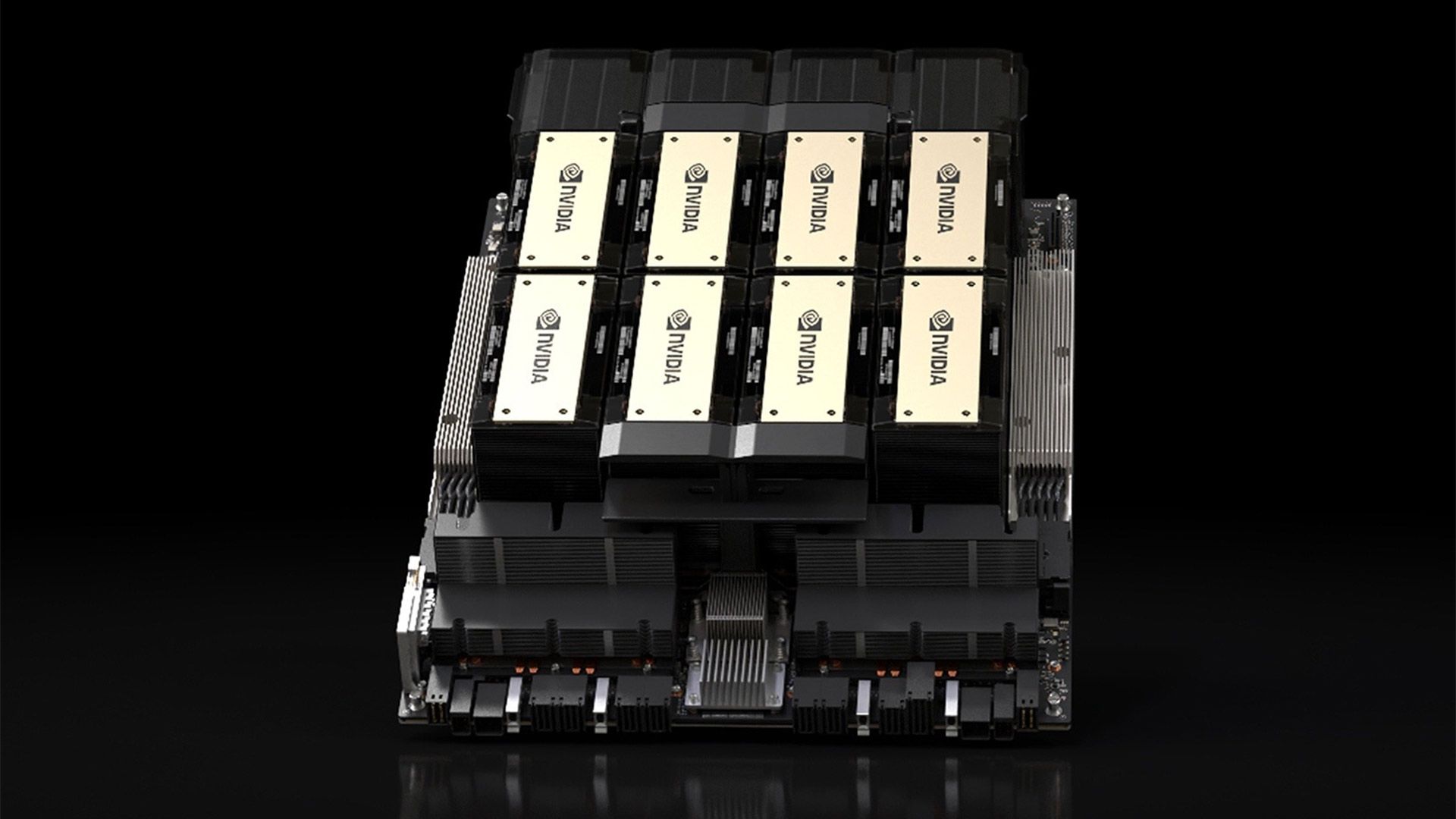
The $12 million value attached to just 30 servers underscores the immense density of value found in these machines. Each server rack can house multiple GPUs, each capable of fetching tens of thousands of dollars on the secondary market. When aggregated, a single shipping crate can contain hardware worth as much as a small business’s annual revenue, making it an incredibly attractive target for organized crime.
The Geopolitical Context and Export Controls
The seizure in Malaysia does not exist in a vacuum. It is deeply tied to the ongoing trade disputes between major global powers, specifically regarding the restriction of advanced technology exports. The United States and several of its allies have implemented strict regulations to prevent high-end AI processors from reaching entities that might use them to accelerate military modernization or advanced surveillance systems.
Because these regulations make legal acquisition difficult, smuggling syndicates have turned to third-party countries—often serving as transit points—to obfuscate the origin and final destination of the hardware. Malaysia, with its robust electronics manufacturing ecosystem and busy logistics corridors, has become a strategic focal point for both legitimate trade and, as evidenced by this case, illicit smuggling attempts.
Official Responses and Security Implications
The Malaysian Customs Department has characterized the seizure as a major success in their efforts to regulate the flow of sensitive goods. In official statements, representatives emphasized that the country remains committed to international trade compliance, noting that they are collaborating with international agencies to trace the origins of the shipment.
"This is a clear message that our ports are not open for illicit, high-value technology smuggling," a customs official noted in the wake of the report. The government is currently evaluating its screening protocols at the KLIA Free Trade Zone to prevent further occurrences.
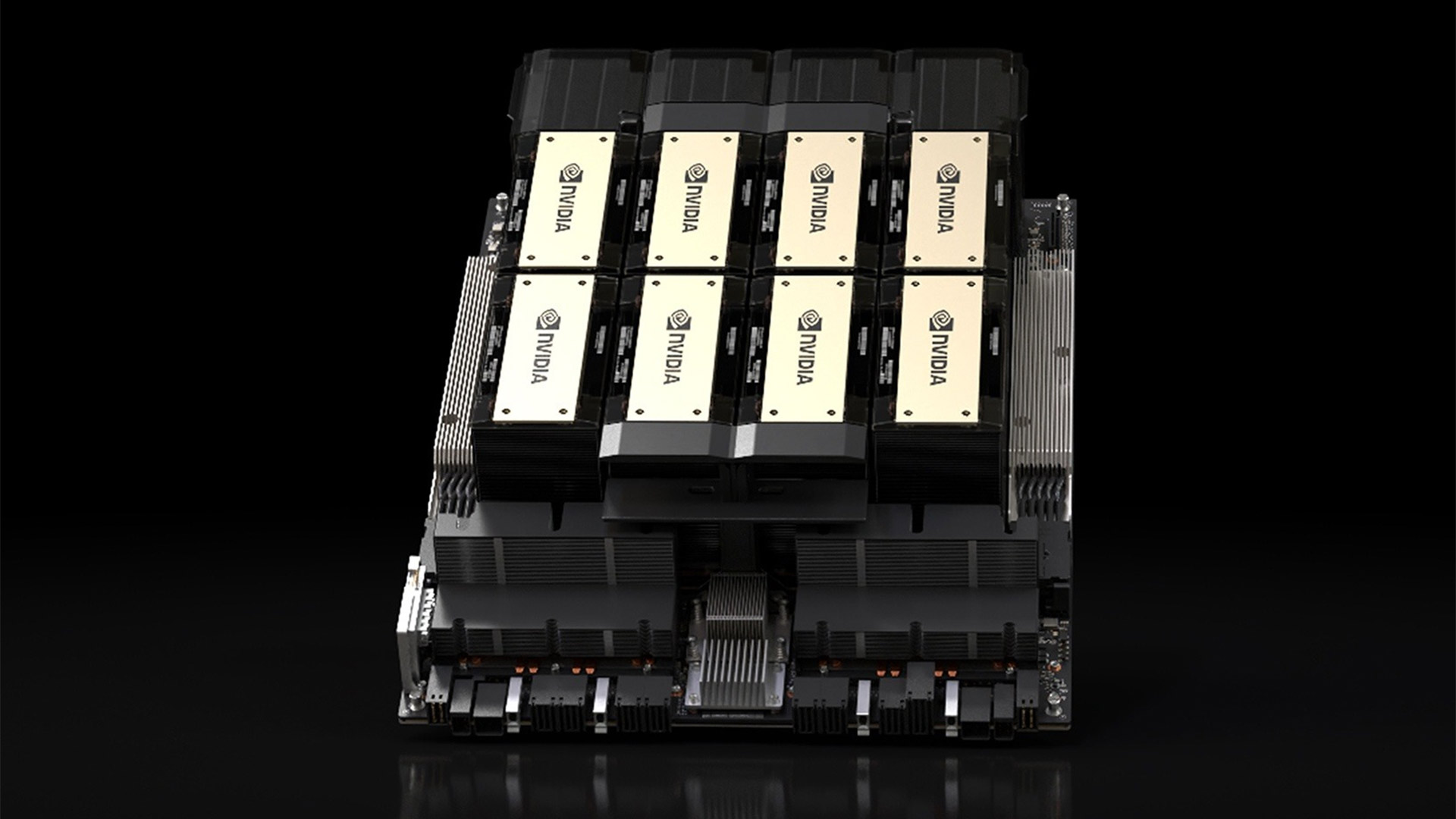
From an industry perspective, companies like Nvidia are under immense pressure to track their hardware. Most modern data center chips come with sophisticated software locks and serial number tracking that allow the manufacturer to monitor where the chips are deployed. However, smugglers are becoming increasingly adept at removing these markers or using "shell" companies to act as front-line buyers for large data center orders before diverting the equipment to illegal channels.
The Global Implications: A Supply Chain Under Siege
The repercussions of this seizure extend far beyond the borders of Malaysia.
1. Increased Regulatory Scrutiny
Expect to see a significant tightening of shipping manifests for electronics moving through Southeast Asia. Customs agencies worldwide will likely increase the frequency of physical inspections for cargo labeled as "server equipment" or "computer components."
2. Supply Chain Transparency
For legitimate data center operators and tech companies, the increased risk of theft and interception means that supply chain security will become a top-tier priority. This may lead to higher insurance premiums for shipping high-performance hardware and a shift toward more secure, end-to-end encrypted logistics chains.
3. The Tech Arms Race
The very fact that these chips were being smuggled proves that the demand for AI compute is currently outpacing supply. As long as the "AI arms race" continues, the incentive for smuggling will remain high. This incident serves as a precursor to potential future conflicts over the control of silicon, as chips are increasingly viewed as the "oil of the 21st century."
Conclusion: A Turning Point for Tech Logistics
The $12 million bust at Kuala Lumpur International Airport is more than just a successful police operation; it is a signal of the changing nature of technological warfare. As AI becomes the foundation for everything from financial markets to defense infrastructure, the hardware that powers it has become a prized commodity.
The smugglers involved in this case likely believed they could hide in the noise of global logistics, but the sheer scale of the hardware proved to be their undoing. As investigations continue, the international community will be watching closely to see if this leads to the dismantling of a larger, global network. For the tech industry, the lesson is clear: in an era of silicon scarcity, the security of the supply chain is just as important as the performance of the chips themselves. The coming months will likely see a hardening of digital and physical borders, as governments and corporations scramble to ensure that the tools of the future do not fall into the wrong hands.