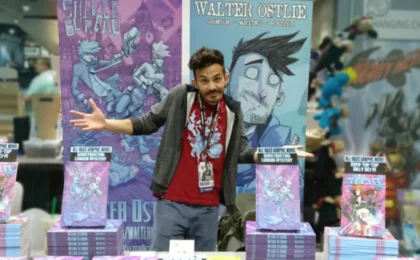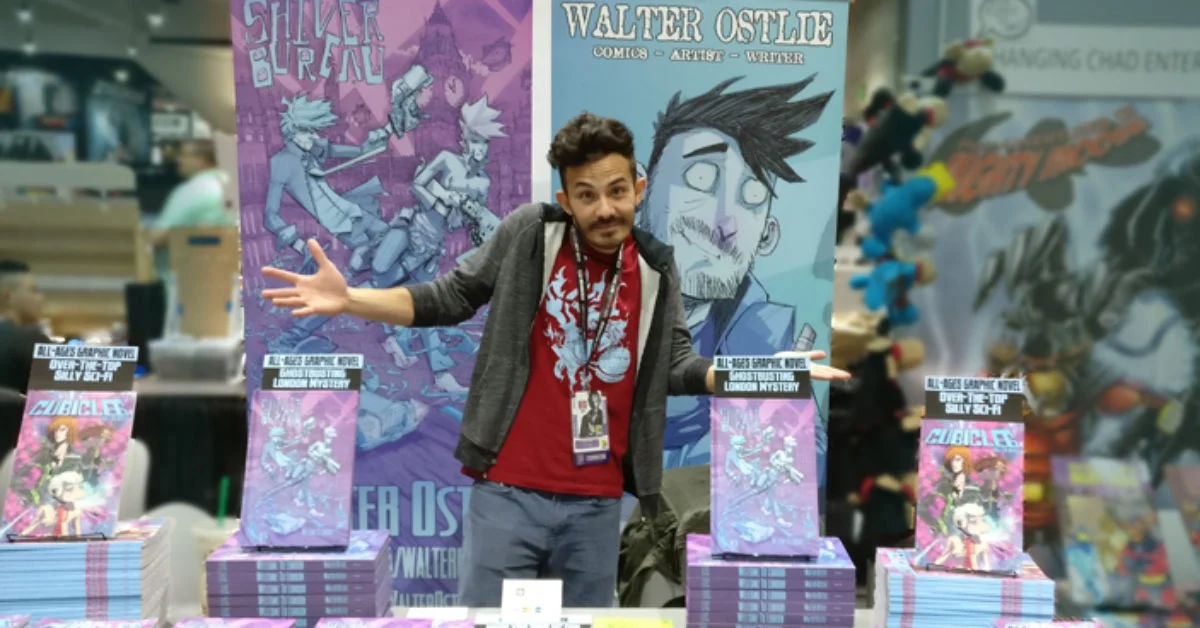
In the rapidly evolving landscape of independent comics, few creators have navigated the transition from traditional print to digital-first platforms as effectively as Walter Ostlie. A versatile writer, artist, and educator, Ostlie has spent over a decade refining a craft that balances rigorous technical skill with the chaotic, inventive energy of creator-owned storytelling. From his breakout graphic novel Cubicles to his massive success on the Webtoon platform and his viral sensation Metalshark Bro, Ostlie has become a blueprint for the modern, self-sufficient comic creator.
A Chronology of Creation: From Cubicles to Webtoons
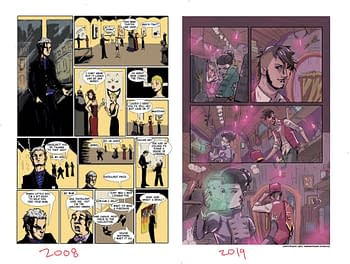
Walter Ostlie’s journey into the comic industry began in 2008, a period he describes as a self-taught initiation into the medium. His initial foray into the professional world was marked by the 2011 publication of Cubicles through Red5 Comics. This office-based narrative established his ability to ground quirky, human stories in relatable settings.
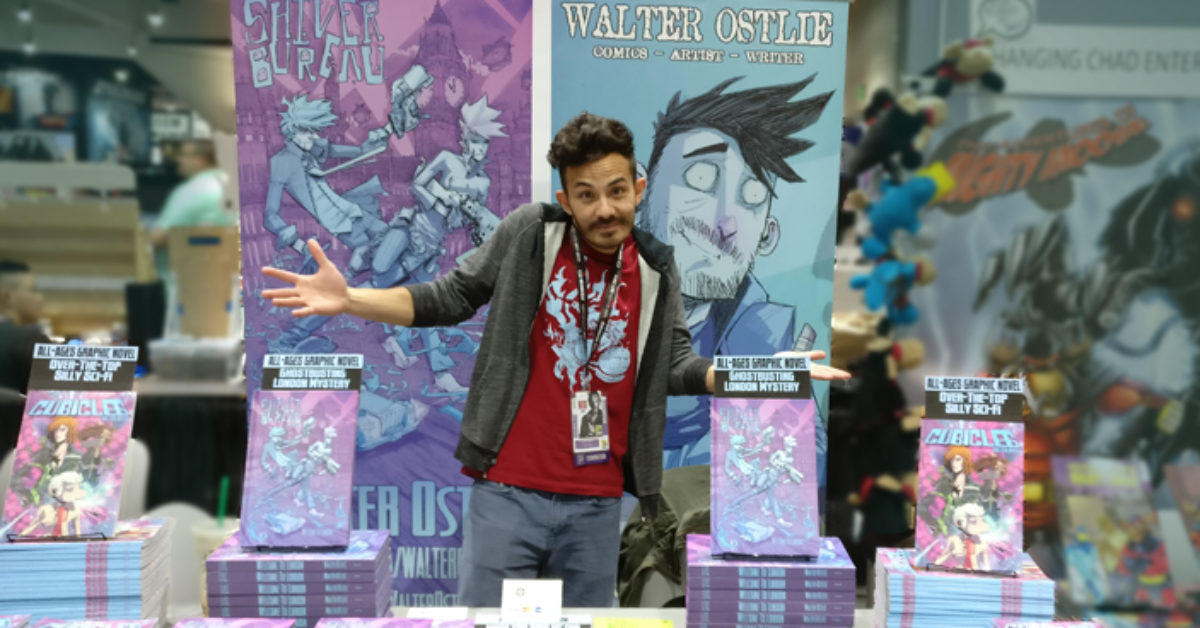
Following this, Ostlie pivoted to the supernatural with Shiver Bureau, a project that proved his mettle in the crowdfunding space. By raising over $13,000 on Kickstarter, he demonstrated that independent creators could bypass traditional gatekeepers. Shiver Bureau was later acquired by Scout Comics for Diamond distribution, cementing his credibility.
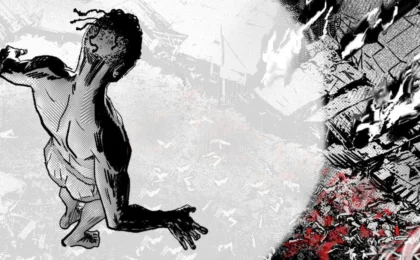
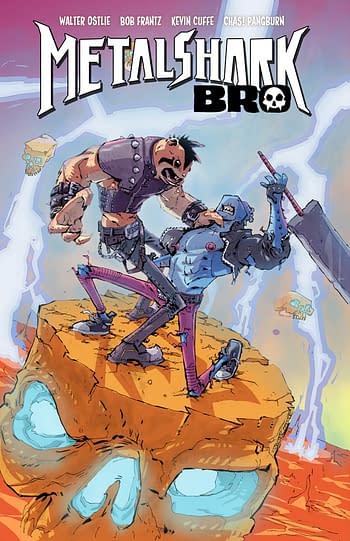
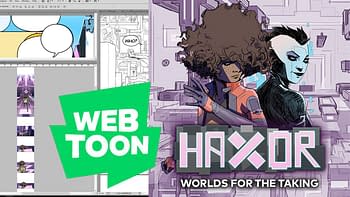
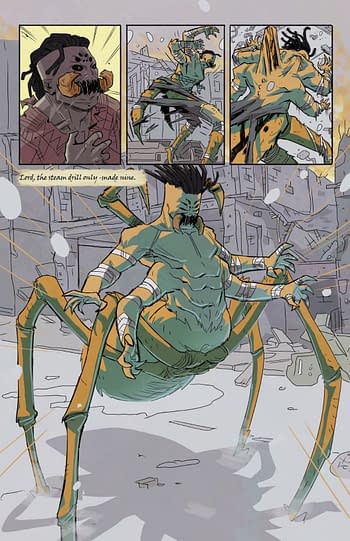
However, the most significant shift in his career trajectory occurred when he caught the attention of Webtoon’s editorial team. The resulting project, Haxor, became a "Featured Webtoon," providing the financial stability that allowed Ostlie to quit his day job and pursue comics full-time in late 2017. Since then, he has expanded his portfolio to include the wildly popular Metalshark Bro—a "were-shark battling demons" series that garnered over $50,000 in crowdfunding—and his artistic contributions to Greg Anderson Elysee’s award-winning Is’nana: The Were-Spider.
The Economics of the Digital Frontier
Ostlie’s transition to full-time creator status was not merely a stylistic choice but an economic necessity dictated by the demands of the Webtoon platform. As he explains, the Webtoon model—which mandates weekly updates of 6–8 high-quality panels—requires a level of output that traditional print comics rarely demand.
"The schedule for Webtoon is pretty intense," Ostlie notes. "They release a new episode every week. That’s writing, drawing, coloring, and lettering. So I had to decide: do I pass on Webtoon and keep my 9-to-5, or do I finally take the plunge?"
For many creators, the "Originals" model offered by Webtoon represents a revolutionary departure from the traditional U.S. comic industry. Unlike legacy publishers, Webtoon pays a publishing fee while allowing creators to retain their Intellectual Property (IP). This model has effectively democratized the industry, allowing artists like Ostlie to reach millions of readers globally without sacrificing ownership of their creations.
The Technical Evolution of Style
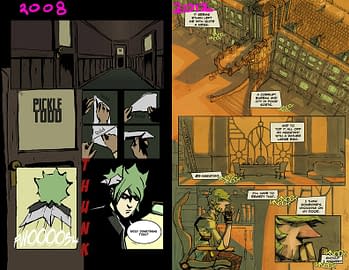
When asked about his artistic evolution, Ostlie admits to a feeling of "static" growth, though he notes that his efficiency has increased exponentially. What once took hours now takes minutes, a necessity born from his time working a day job while producing comics on the side.
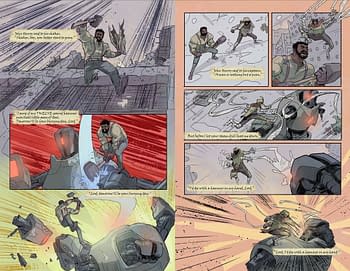
"Speed may be the catalyst for my art style," he explains. "I started making comics while working a 9-to-5. There just isn’t a lot of time. So I found ways to simplify my art to make the process faster and churn out more creations."
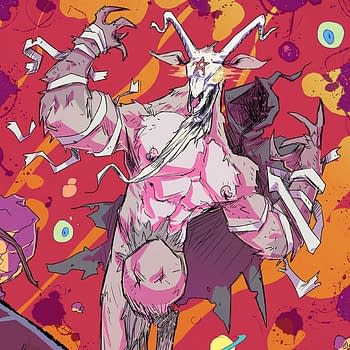
His influences reflect this preference for stylized, expressive work over rigid realism. He cites Skottie Young and Ben Templesmith as pivotal inspirations—artists who proved that a unique, "alien" aesthetic could thrive on the shelves of major bookstores like Barnes & Noble. In his own work, Ostlie seeks to replicate this by taking familiar elements and distorting them into something uniquely his own, a technique clearly visible in the grotesque, fun, and high-octane designs found in Metalshark Bro.
The "Infinite Scroll": Rethinking Storytelling
The shift to Webtoon has also forced a complete overhaul of Ostlie’s narrative structure. Traditional American comics rely on the "splash page" and rigid panel layouts to dictate pacing. In contrast, the Webtoon "infinite vertical scroll" offers a different kind of freedom.
"It’s a little bit of a learning experience, reprogramming everything I know about traditional comic storytelling," Ostlie says. "I could use ten panels of the same face, slowly changing the expression from confusion to horror if I wanted. That really allows for a lot of character building."
However, this freedom comes with challenges. Wide-shot establishing panels, a staple of print comics, often fail to translate to the mobile-first environment of Webtoon. Ostlie’s success lies in his ability to prioritize the "impact panel," ensuring that every vertical movement provides the reader with a satisfying narrative beat.
Professional Insights: Collaboration and Workflow
Beyond his own projects, Ostlie has become a sought-after collaborator, most notably on the Is’nana: The Were-Spider series alongside Greg Anderson Elysee. When discussing the difficulty of working with other writers, Ostlie highlights the "translation of vision" as the primary hurdle.
"If I write a line that says ‘there’s a box,’ I know what the box looks like, the texture, the room it’s in, and the lighting," he explains. "If someone else wrote it, I don’t know jack squat. That’s hard to draw. Working through that makes me see things in a different light, which makes me a stronger and more versatile artist."
His advice to writers is simple yet profound: maintain an open, honest dialogue. He argues that the stigma surrounding "critique" needs to be dismantled. Both writer and artist must be willing to tell the other when a scene isn’t working. Because the writer is often the one funding the project, Ostlie believes they hold the responsibility to invite that feedback, creating a culture of mutual respect rather than a rigid hierarchy.
Implications for the Future: Education and Community
Perhaps the most altruistic aspect of Ostlie’s career is his YouTube channel. With over 4,500 subscribers, the channel serves as a repository for the technical, "mundane" aspects of comic creation that most art schools ignore.
"People are overwhelmed by the technical stuff," Ostlie says. "There are people teaching the art side of things; I wanted to approach the technical and the logistics. Take away that stress so people could focus on their stories."
This pedagogical commitment is indicative of a broader trend among modern creators: the desire to build a community rather than just a brand. By demystifying the process—from thumbnailing to the nuances of letter placement—Ostlie is effectively lowering the barrier to entry for the next generation of independent creators.
Conclusion: The Road Ahead
As for what lies next, Ostlie remains tight-lipped about a new project for which he has recently signed a contract, though he hints at an announcement in the coming months. He has made a personal promise to avoid taking on new freelance work for at least a year, prioritizing the cultivation of his own creative vision.
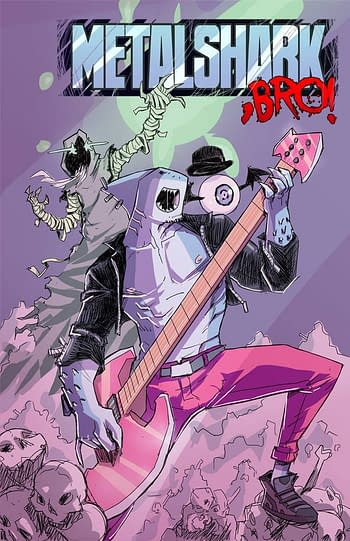
Whether he is battling demonic donuts in Metalshark Bro or exploring the mythic folklore of Is’nana, Walter Ostlie represents the new guard of the comic industry. He is a creator who thrives on the intersection of technological adaptability and raw, disciplined output. As the industry continues to pivot toward digital platforms, the lessons learned from Ostlie’s career—prioritizing IP ownership, mastering new formats, and fostering transparent collaborations—will undoubtedly serve as a guide for the next generation of independent storytellers.