Ali Ikhwan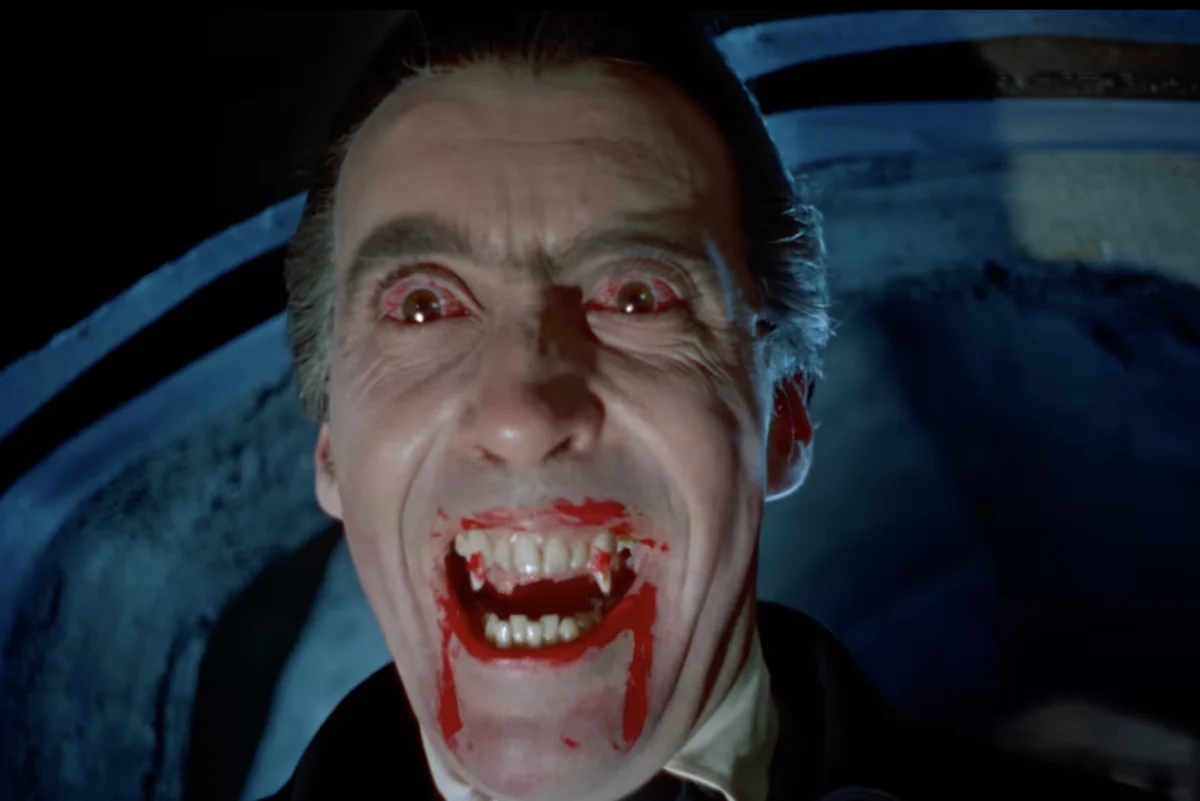
For over six decades, the definitive vision of Terence Fisher’s 1958 masterpiece, Horror of Dracula, has remained tantalizingly out of reach for Western audiences. While the film cemented Hammer Films as the undisputed titan of gothic horror and turned Christopher Lee and Peter Cushing into international icons of the genre, the version that graced screens in the United States and the United Kingdom was incomplete. Now, in a cinematic event that has sent shockwaves through the horror community, Hammer Films has announced that a 4K remastered edition—restoring three minutes of previously excised, "too risqué" footage—will be released this October.
This restoration is not merely a digital polish; it is a historical reclamation of a foundational pillar of cinema. By utilizing pristine reels discovered in a Warner Bros. warehouse, Hammer has successfully reconstructed the original director’s cut, providing a viewing experience that has not been seen in the West since the film’s initial theatrical run.
The Main Facts: A Landmark Restoration
The announcement, which originated from the official Hammer Films archives, confirms that the 4K restoration will feature the full, uncut length of the 1958 production. The three minutes of footage in question—which were trimmed by censors and distributors who deemed the content inappropriate for general audiences of the era—have been meticulously integrated back into the narrative.
The film, which famously pits Cushing’s methodical Dr. Van Helsing against Lee’s predatory, aristocratic Count, will be available for pre-order starting September 4. The release is poised to serve as the "definitive version" of the classic, finally allowing modern audiences to witness the tension and visceral horror exactly as Terence Fisher intended.
A Chronological Odyssey: From 1958 to 2024
The history of Horror of Dracula is a complex tapestry of censorship and international distribution politics.
The Original Vision (1958)
When Terence Fisher directed the film in 1958, he crafted a version that leaned heavily into the gothic sensuality and brutal intensity of Bram Stoker’s source material. In its original, intended form, the film contained sequences that pushed the boundaries of the British Board of Film Censors (BBFC) and American distributors.
The Era of the Censor
Upon release, the film underwent significant "sanitization." Censors of the late 1950s were notoriously sensitive to depictions of violence and sexual subtext. Approximately three minutes of footage—scenes that added depth to the Count’s predatory nature and the film’s psychological stakes—were systematically removed to ensure a wider, more family-friendly commercial release.
The Japanese Anomaly
For decades, film historians were aware of a Japanese print of the film that appeared to contain scenes absent from the Western releases. While collectors and enthusiasts spent years tracking these fragments, a complete, high-quality master remained elusive. The Japanese edit, which adhered closer to the original director’s cut, served as the primary proof that the footage existed.
The Discovery and Restoration (2023–2024)
The breakthrough occurred within the depths of a Warner Bros. film vault. Archivists, working under the guidance of Hammer’s Steve Rogers, discovered "pristine reels" that contained the long-lost material. This discovery allowed the restoration team to avoid "upscaling" or digital reconstruction; instead, they were able to use the original, high-fidelity film elements to create a seamless, high-definition experience.
Supporting Data: Technical Precision and Aesthetic Fidelity
The restoration process was not confined to simply re-inserting the missing scenes. According to Steve Rogers, the technical team undertook a comprehensive grading process to ensure the film looks as vibrant and terrifying as it did on the day it was printed.
- Color Grading: The team utilized reference points from the color palette used in The Curse of Frankenstein (1957). By aligning the grading of Horror of Dracula with its predecessor, the team has reclaimed the rich, saturated hues that defined the "Hammer Horror" aesthetic.
- The "Pristine" Standard: The discovery of the original reels meant that the team could achieve an "order of magnitude" improvement over previous home video releases. Previous iterations were often sourced from worn, second-generation prints, leading to grain and loss of detail. The new 4K master preserves the fine texture of Jack Asher’s cinematography.
- Audio and Pacing: The re-insertion of the three minutes of footage has necessitated a re-evaluation of the film’s pacing. Critics who have previewed the clips suggest that the restoration provides a more cohesive narrative flow, particularly regarding the build-up of suspense during the climactic encounters between Van Helsing and Dracula.
Official Responses and Expert Commentary
Hammer Films has been proactive in sharing the restoration process with fans. In a recent Q&A, Steve Rogers emphasized the historical significance of this release:
"Jack Asher’s cinematography has been graded to the same color palette that he used in The Curse of Frankenstein, and it runs to the full and complete length that Terence Fisher created in 1958. It’s an order of magnitude better-looking than previous releases, and the definitive version of this groundbreaking classic."
The response from the horror community, including outlets like Bloody Disgusting, has been overwhelmingly positive. Critics have noted that while three minutes may sound minor to a casual viewer, in the context of film history, it represents a significant shift in tone, performance, and narrative clarity. The restored scenes provide a much-needed "bridge" between the film’s horror beats, which were previously jarring due to the aggressive editing of the past.
The Implications: Why This Matters
The restoration of Horror of Dracula is about more than just seeing a few extra seconds of Christopher Lee’s fangs; it is a commentary on the preservation of artistic intent.
Preserving Artistic Integrity
For years, the legacy of Hammer Films has been filtered through the lens of mid-century morality. By releasing the director’s cut, the studio is acknowledging that the original filmmakers were creators, not just content producers. This move sets a precedent for other studios to re-examine their own archives for "lost" or censored versions of classic films.
Redefining the Genre
Horror of Dracula was the film that defined the "vampire" archetype for the second half of the 20th century. By viewing the restored cut, audiences can see the nuance in Peter Cushing’s performance and the raw, unbridled malice in Lee’s portrayal. The restoration invites a new generation of film students and horror aficionados to re-evaluate the film, potentially shifting our understanding of how gothic horror transitioned into the modern era.
The Future of Physical Media
In an era where streaming services often rotate titles or offer censored versions without notice, this high-profile physical media release reaffirms the importance of the medium. The "Limited Edition" status of the release underscores the value of physical ownership for cinephiles who want to ensure that history is preserved in its most authentic form.
Final Thoughts: A Legacy Unchained
The release of this 4K restoration is a monumental moment for cinema. It represents the closure of a 60-year gap in film history, bridging the divide between what the public was permitted to see and what the artist actually created.
As the October release date approaches, the anticipation is palpable. For fans who have grown up with the truncated versions of this classic, the chance to see the true Horror of Dracula is akin to rediscovering a long-lost painting. It is a testament to the enduring power of Hammer Films and a reminder that, like the Count himself, true art never really dies—it only waits for the right moment to return, fully restored and more powerful than ever before.
For those interested in securing their copy, pre-orders are currently being managed through the official Hammer Films portal, with the studio encouraging fans to act quickly given the expected high demand for this definitive release.

 Rifan Muazin
 Asro
Asro