Nana Wu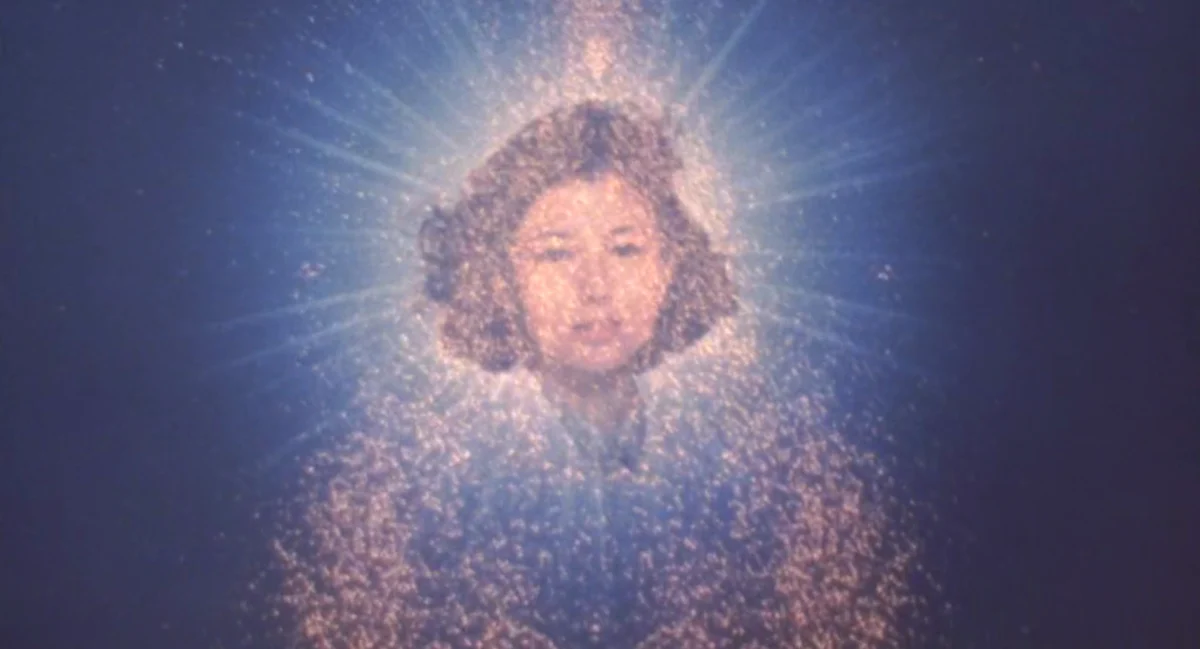
For over three decades, the kaiju genre has been haunted by a singular, thorny specter: Biollante. While Godzilla’s rogues’ gallery is packed with metallic mechs, cosmic invaders, and prehistoric adversaries, Biollante occupies a unique, unsettling niche. She is not merely a monster; she is a tragic synthesis of science, soul, and flora. Despite her immense popularity and the persistent yearning of fans to see her return to the big screen, this genetically engineered behemoth has remained dormant since her singular, haunting appearance in 1989’s Godzilla vs. Biollante.
As the MonsterVerse continues to expand and the Toho-produced Godzilla films undergo a renaissance, the question of Biollante’s return has transitioned from a fan-favorite "what-if" to a focal point of industry speculation.
The Genesis: A Unique Monstrosity
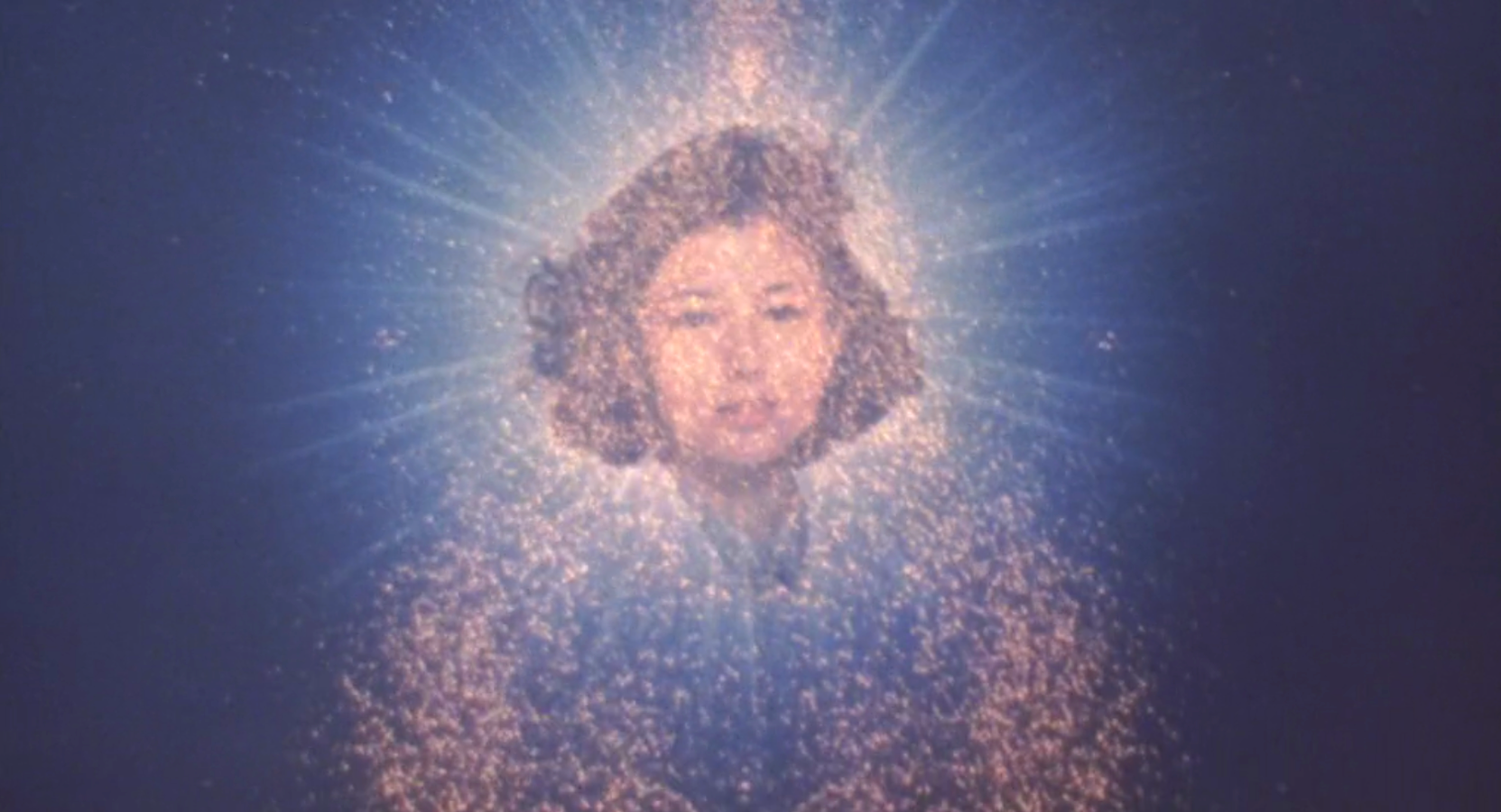
To understand the enduring allure of Biollante, one must examine her origin. Introduced in the Heisei-era classic Godzilla vs. Biollante, she represents a departure from the traditional kaiju tropes of the Showa period. In the film, the DNA of Godzilla is spliced with that of a rose and the human soul of Erika Shiragami, the daughter of a scientist.
This tragic hybridization creates a creature that is fundamentally different from the apex predators typically seen in the franchise. Biollante is a botanical nightmare—a towering, vine-wielding fortress of thorns, acid-spewing maws, and shifting, sentient biomass. She exists at the intersection of nature’s ancient, arboreal history and the terrifying potential of unchecked human genetic experimentation. Unlike the antagonistic monsters driven by hunger or territorial instinct, Biollante’s existence is defined by a lingering, ethereal sorrow, making her one of the most conceptually complex beings in the Godzilla mythos.
Chronology of a Disappearing Act
Following her debut in 1989, Biollante’s presence in the cinematic landscape has been strikingly sparse. While she has appeared in various comic book adaptations and video games, her physical form has failed to manifest in a major live-action feature film for thirty-five years.
- 1989: The release of Godzilla vs. Biollante establishes the character as a fan-favorite, praised for its innovative suit design and darker, more contemplative tone.
- 1990s–2000s: Biollante is relegated to "cameo status," appearing sporadically in licensed tie-in media, most notably in the Godzilla arcade games and IDW’s extended run of Godzilla comic series, where she occasionally served as a major threat.
- 2019: With the release of Godzilla: King of the Monsters, hope is reignited. Director Michael Dougherty explicitly mentions that Biollante was on his "shortlist" of Titans for the film’s massive roster, though she ultimately did not make the final cut.
- 2024: Renewed interest peaks following comments by Dougherty on social media platforms, coupled with rumors surrounding the MonsterVerse television spin-offs and sequels, all of which have failed to materialize a canonical appearance of the creature.
The Michael Dougherty Factor: An Official Endorsement
The most significant boost to the "Bring Back Biollante" movement came from Michael Dougherty, the architect behind the visual and thematic scale of Godzilla: King of the Monsters. In a recent Reddit "Ask Me Anything" (AMA) session, Dougherty addressed the persistent fan inquiries regarding his preferred choice for a future Godzilla project.
Dougherty did not mince words, singling out Biollante as his top priority. His reasoning highlights the very qualities that make the character so difficult to adapt: her distinctiveness. Dougherty argued that the kaiju genre often relies too heavily on "carnivorous animals" or "totemic gods." By contrast, Biollante’s botanical nature offers a visual and thematic texture that is entirely missing from the current slate of modern blockbusters.
His endorsement suggests that if the creative gates were opened, the MonsterVerse would not merely be looking at another punch-up; it would be looking at a story involving the darker side of bio-engineering—a theme that fits perfectly with the established narrative arc of the MonsterVerse, which already features the eco-terrorist machinations of characters like Alan Jonah.
Supporting Data: Why the MonsterVerse Needs Her
The MonsterVerse has spent years building a world where Titans are natural phenomena. However, the introduction of MechaGodzilla in Godzilla vs. Kong proved that the universe is capable of integrating man-made, artificial threats. Biollante would be the natural evolution of this trend.
Analysis by kaiju historians and prominent genre YouTubers, such as DMan1954, suggests that the groundwork for a Biollante-style event has already been laid. The genetic manipulation tech displayed by Apex Cybernetics and the lingering mysteries surrounding Titan biology in the Monarch: Legacy of Monsters series provide a perfect petri dish for the creation of a "plant-based" Titan.
Furthermore, the "Titan X" creature teased in Monarch Season 2 bore a fleeting, superficial resemblance to the early, alligator-like forms of Biollante, causing a brief frenzy among the fandom. While the reveal turned out to be a red herring, the fact that fans were so quick to identify the design as a Biollante precursor proves that there is an active, hungry audience waiting for her return.
The Implications of a Return
Should a studio—whether Legendary Pictures or Toho—decide to greenlight a modern adaptation of Biollante, the implications for the franchise would be significant.
1. A Shift in Tone
Biollante demands a more psychological, horror-adjacent approach to storytelling. Her presence isn’t just about a city being crushed; it’s about the ethical ramifications of playing God. Integrating her into the current era of filmmaking would necessitate a shift toward a more character-driven narrative, focusing on the scientists and corporations responsible for her birth.
2. Visual Innovation
In an age of CGI-heavy blockbusters, the challenge of rendering a creature that is fundamentally made of vines, flowers, and acidic bile presents a unique opportunity for visual effects teams. The tactile, organic horror of the 1989 suit could be translated into a modern, photorealistic nightmare that would stand out sharply against the more traditional, reptilian monsters currently dominating the screen.
3. Expansion of the Lore
Biollante serves as the perfect bridge between the grounded science of the MonsterVerse and the more fantastical elements of Toho’s library. By introducing her, the studios could effectively bridge the gap between their modern, "grounded" monster movies and the more experimental, high-concept narratives that have defined the Japanese Godzilla series for decades.
Is Toho the Likely Savior?
While the MonsterVerse remains the most likely candidate for a high-budget revival, many enthusiasts are looking toward Takashi Yamazaki, the director behind the Academy Award-winning Godzilla Minus One. Following the massive success of the Minus series, there is widespread speculation regarding whether Yamazaki might look to the Heisei era for his next inspiration.
A "Godzilla vs. Biollante" film directed by Yamazaki, utilizing his signature blend of emotional stakes and terrifying, high-fidelity monster action, is the dream scenario for many purists. However, as production cycles for such projects are lengthy and shrouded in secrecy, the prospect remains a "what-if" scenario. The closer the industry moves toward new announcements, the more the community holds its breath, hoping to hear the rustle of leaves that signals the return of the botanical beast.
Conclusion: A Dormant Power
Biollante remains the "Holy Grail" because she represents the untapped potential of the Godzilla franchise. She is not just a monster; she is a warning about the consequences of human ambition. Whether she returns as a towering plant-beast in a blockbuster showdown or a hidden, terrifying discovery in a secret laboratory, her legacy is secure.
For now, she remains the queen of the spores—waiting in the soil, ready to bloom once more. The fans are watching, the directors are interested, and the potential for a cinematic masterpiece is there. All that remains is for someone to finally pull the trigger and bring the most unique creature in the history of kaiju cinema back into the light. Until that day, Biollante remains a testament to the idea that some monsters never truly die; they simply wait for the right moment to grow.

 Sagoh
Sagoh
 Ammar Sabilarrohman