

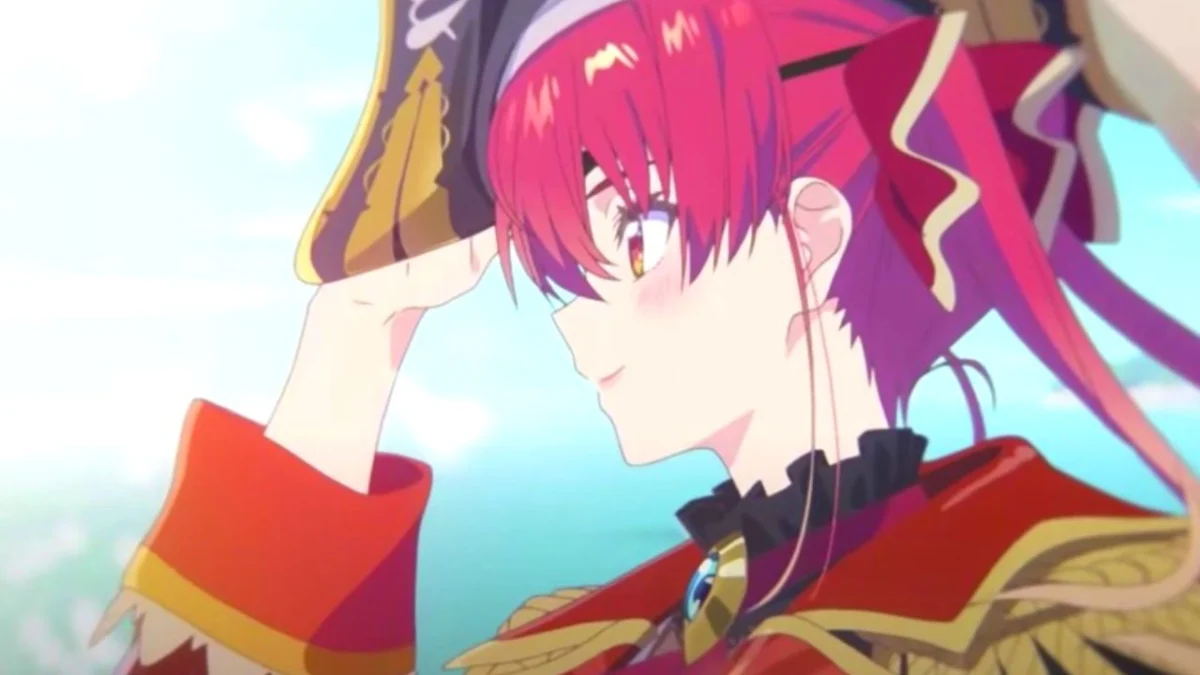
In the rapidly evolving landscape of digital entertainment, a new breed of celebrity has emerged. They are colorful, expressive, and entirely virtual. Known as "VTubers"—or Virtual YouTubers—these creators leverage high-fidelity motion-capture technology to inhabit digital avatars while streaming to millions of devoted fans worldwide. At the epicenter of this cultural phenomenon stands Hololive Production, a powerhouse agency that is now looking to transcend the screen. With its ambitious "Hololive Alternative" project, the company is attempting to build a fully realized virtual world, effectively signaling a transition from mere talent management to the creation of a massive, interactive metaverse.
Main Facts: What is "Hololive Alternative"?
"Hololive Alternative" represents the next phase of evolution for Cover Corp., the parent company behind the Hololive brand. Rather than functioning solely as a platform for individual talent streams, "Alternative" is designed to be an expansive, immersive virtual landscape—a sandbox where the established lore of its dozens of VTubers can intersect, collide, and flourish.
The project was unveiled with a cinematic promotional video that stunned the digital community. Featuring high-budget, breathtaking animation, the trailer offered a glimpse into a world where familiar characters, such as Takanashi Kiara and Ninomae Ina’nis, exist within a shared, cohesive environment rather than isolated stream windows. This is not just a branding exercise; it is an infrastructure project intended to provide a persistent, digital ecosystem for both the performers and their global audience.
Chronology: The Path to the Virtual Metaverse
The trajectory of Hololive has been nothing short of meteoric. Since its inception in 2019, the agency has grown from a niche experiment into a global juggernaut.
- December 2019: Cover Corp. formally consolidates its operations, establishing the framework for Hololive Production as we know it today.
- 2020: The "VTuber Boom" hits international markets. Talents such as the Hololive English (EN) generation attract massive audiences, proving that language barriers are no match for the appeal of virtual personas.
- Early 2021: Hololive officially announces "Hololive Alternative," a massive multimedia initiative.
- March 2021: The company launches a recruitment drive for creators to participate in the burgeoning project, signaling the transition toward a collaborative, user-generated content model.
- Mid-2021 and Beyond: The introduction of serialized manga content based on the "Alternative" storyline serves to codify the lore of these virtual idols, transforming them from internet personalities into protagonists of an overarching narrative.
Supporting Data: The Scale of the Empire
To understand the weight of the "Alternative" project, one must examine the sheer scale of the agency’s reach. Hololive currently manages a roster of over 50 individual talents, each maintaining their own unique personality and audience demographics.
These creators are not mere performers; they are multi-platform influencers. Their content ranges from gaming and live singing to collaborative variety shows. By centralizing these 50+ creators into a single "Alternative" environment, Cover Corp. is effectively consolidating one of the largest entertainment networks in the digital age.
Furthermore, the engagement metrics for these creators often dwarf those of traditional media stars. With millions of combined subscribers and thousands of concurrent viewers during live events, the potential for a "Hololive Metaverse" to capture consumer attention is significant. By providing a virtual stage where fans can interact with these characters in a non-linear, narrative-driven space, Hololive is essentially creating a new form of digital theme park.
Official Responses and Strategic Vision
CEO Motoaki Tanigo, often affectionately referred to as "Yagoo" by the fanbase, has been the architect behind this vision. In various official communications, Tanigo has emphasized that the goal of Hololive is to foster global connection.
"Our mission is to create a world where performers can host shows and international fans can join in, regardless of their physical location," Tanigo stated in early development briefings. The philosophy is rooted in the belief that digital avatars serve as a universal language. By stripping away the physical limitations of geography and the barriers of language through translation services and virtual interaction, the agency aims to build a community that is truly borderless.
Regarding the "Alternative" project specifically, the official website and social media channels have highlighted the importance of storytelling. The announcement of a manga adaptation—which translates the virtual, chaotic energy of live streams into a structured, serialized narrative—is a critical component of this strategy. It anchors the "Alternative" world in a tangible format, giving fans a roadmap of the universe they are invited to explore.
Implications: The Future of Digital Interaction
The implications of Hololive’s expansion are vast, touching upon several key areas of the entertainment industry:
1. The Redefinition of Fandom
"Hololive Alternative" changes the relationship between fan and creator. In the traditional model, the fan is a passive observer. In the "Alternative" model, the fan is a participant in a living world. As the project develops, the potential for virtual meet-and-greets, interactive events, and community-driven content suggests that the line between "creator" and "consumer" will continue to blur.
2. The Technological Arms Race
Hololive is forcing other entertainment agencies to invest in motion-capture, low-latency streaming, and high-fidelity 3D modeling. By setting a high bar for "Alternative," they are pushing the industry toward a standard where the quality of the virtual environment is just as important as the talent of the performer.
3. Overcoming Physical and Linguistic Barriers
Perhaps the most profound implication is the social one. By creating a shared virtual world, Hololive is attempting to solve the problem of cultural isolation. If a fan in Brazil can sit next to a fan in Japan in a virtual lobby to watch a concert, the very nature of global community building changes. It creates a "third space" that is neither the performer’s home nor the fan’s home, but a shared digital territory.
4. Commercialization and IP Expansion
The shift toward manga, and potentially other forms of media like anime or games within the "Alternative" umbrella, demonstrates a sophisticated IP strategy. By owning the stories and the characters, Cover Corp. is creating a self-sustaining ecosystem where the value of the intellectual property is constantly reinforced through multiple media channels.
Conclusion: Waiting for the Magic
As we look toward the future of "Hololive Alternative," it is clear that the project is more than just a marketing gimmick. It is an ambitious attempt to capture the digital zeitgeist and build a permanent home for the virtual idols who have defined the current era of internet culture.
While the road ahead involves complex technical challenges—such as ensuring server stability for global audiences and maintaining the creative integrity of 50+ unique talents—the vision is undeniably compelling. Hololive has already succeeded in making the virtual feel personal; now, they are attempting to make the virtual feel real. As fans await further developments, the excitement lies in the potential for this "Alternative" world to become the new standard for how we experience, interact with, and celebrate our favorite digital stars. The magic of the VTuber phenomenon is no longer confined to a screen—it is building a world, and we are all invited to watch it grow.









No comments yet. Be the first to join the conversation!