Siti Muinah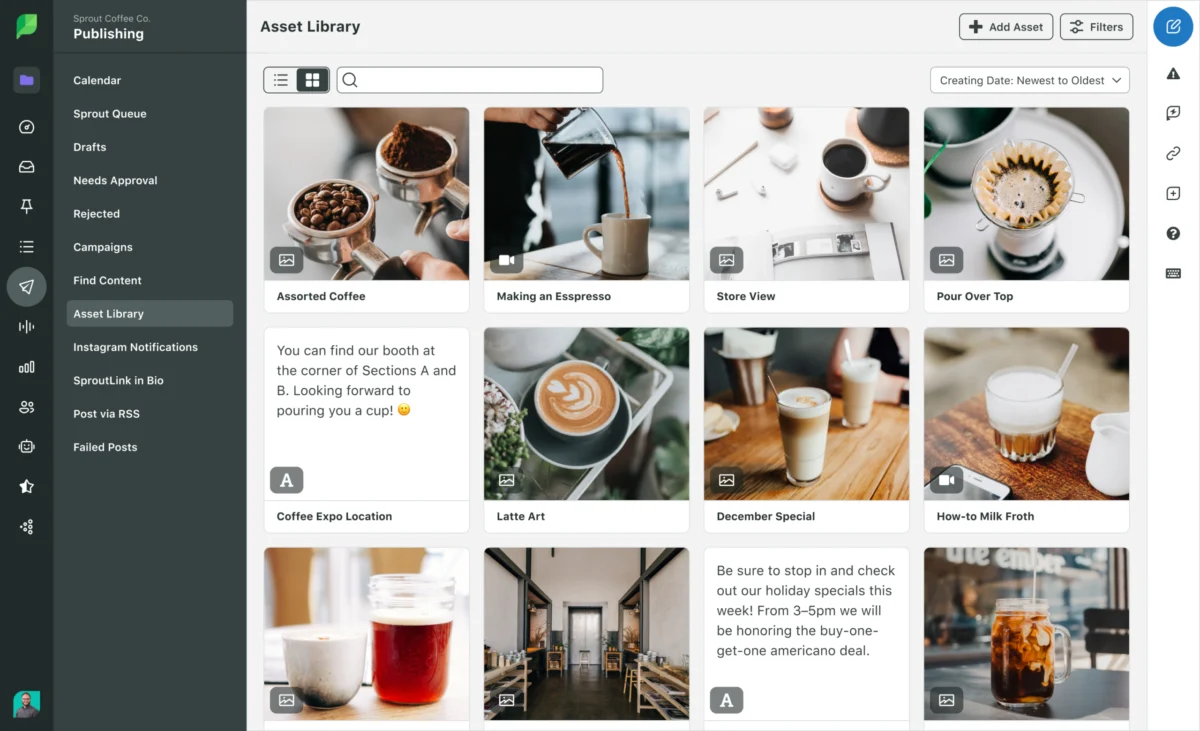
In the modern digital marketing landscape, small businesses are often trapped in a "follower-chase" cycle. Brands exhaust their budgets on saturated social media platforms, fighting for attention in crowded feeds where content expires in hours. However, a significant paradigm shift is occurring: savvy marketers are pivoting toward Pinterest, a platform that functions less like a social network and more like a high-intent visual search engine.
For the small business owner, Pinterest represents one of the most under-leveraged growth channels available today. Unlike platforms built on social validation, Pinterest users arrive with a distinct "purchase intent." They are not there to see what their friends are doing; they are there to plan their lives, research products, and finalize buying decisions. In this environment, your content competes on quality and relevance rather than ad spend or follower count.

Main Facts: The Pinterest Advantage
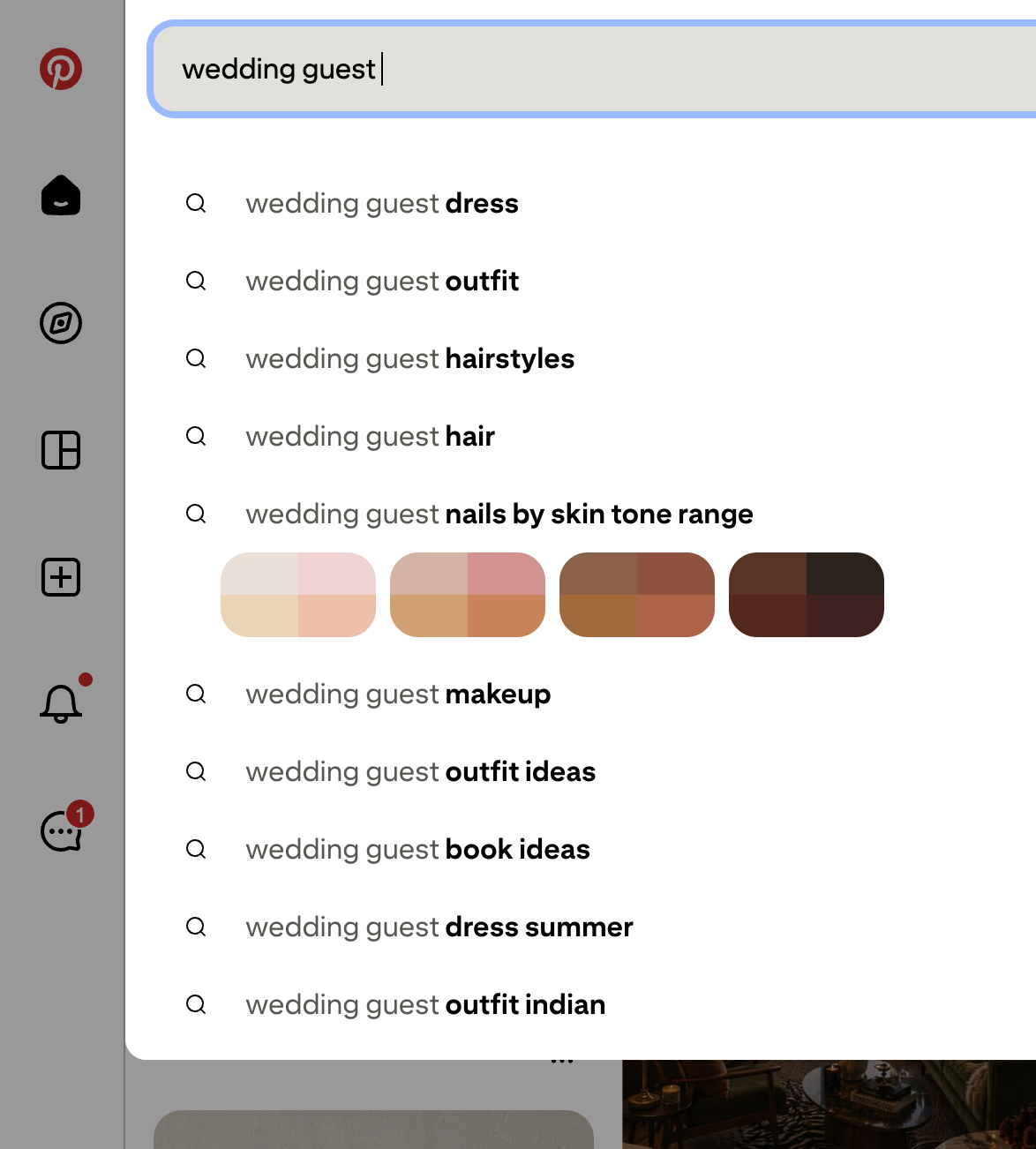
The fundamental difference between Pinterest and its competitors lies in the user mindset. Pinterest is a visual discovery platform. When a user enters a search query—such as "modern home office decor" or "summer wedding guest outfits"—they are actively looking for solutions.
Crucially, the majority of these searches are unbranded. This creates a level playing field. A small business with a high-quality, aspirational image has the same opportunity to rank as a multi-million-dollar corporation. Because users are in the "planning" phase of their consumer journey, they are highly receptive to brand content. According to The 2026 Social Media Content Strategy Report, 70% of Pinterest users interact with brand content at least once per week. For businesses targeting Gen Z, that engagement rate climbs to a staggering 78%, marking Pinterest as a vital touchpoint for the next generation of consumers.
A Chronology of Growth: From Setup to Scaling
Building a successful Pinterest presence is not an overnight task; it is a long-term strategic commitment.
Phase 1: Foundation (The First 30 Days)
The journey begins with a Pinterest Business Account. This is the mandatory entry point for any brand, as it unlocks critical infrastructure: robust social media analytics, advanced ad targeting, and shoppable product integration. Once established, the most important step is claiming your website. This verifies your digital footprint, ensuring your brand identity appears on every pin saved from your domain and granting you access to deeper traffic analytics.
Phase 2: SEO and Discovery (Days 30–90)
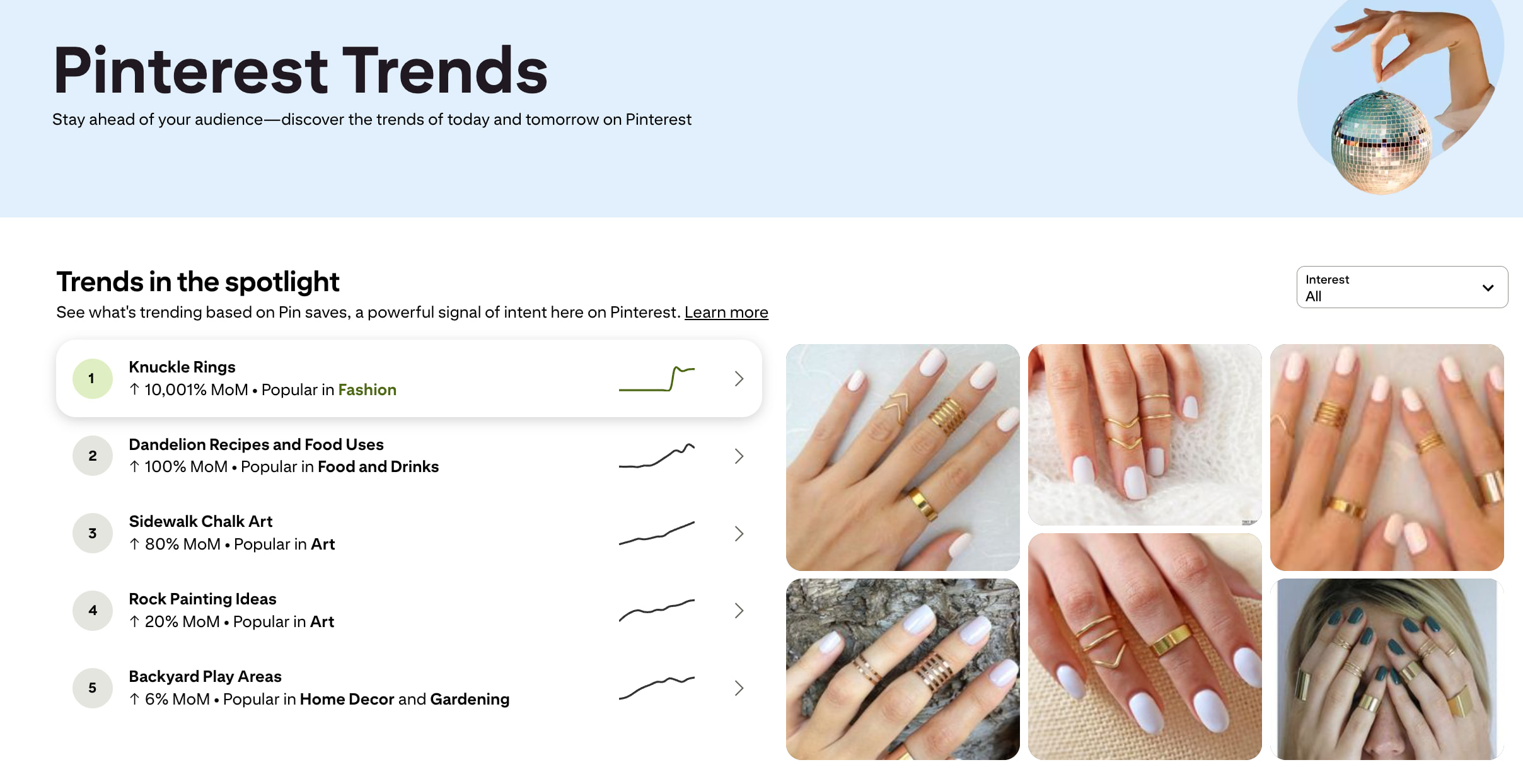
Pinterest SEO is the backbone of organic growth. By optimizing your profile, boards, and pins, you create a "discovery funnel" that works 24/7. This involves identifying the specific language your customers use. By typing broad terms into the Pinterest search bar, you can observe "guided search bubbles"—the exact secondary keywords people use to narrow their results. Integrating these into your board titles and descriptions transforms your profile into a searchable index of solutions.
Phase 3: Scaling and Promotion (Day 90 and Beyond)
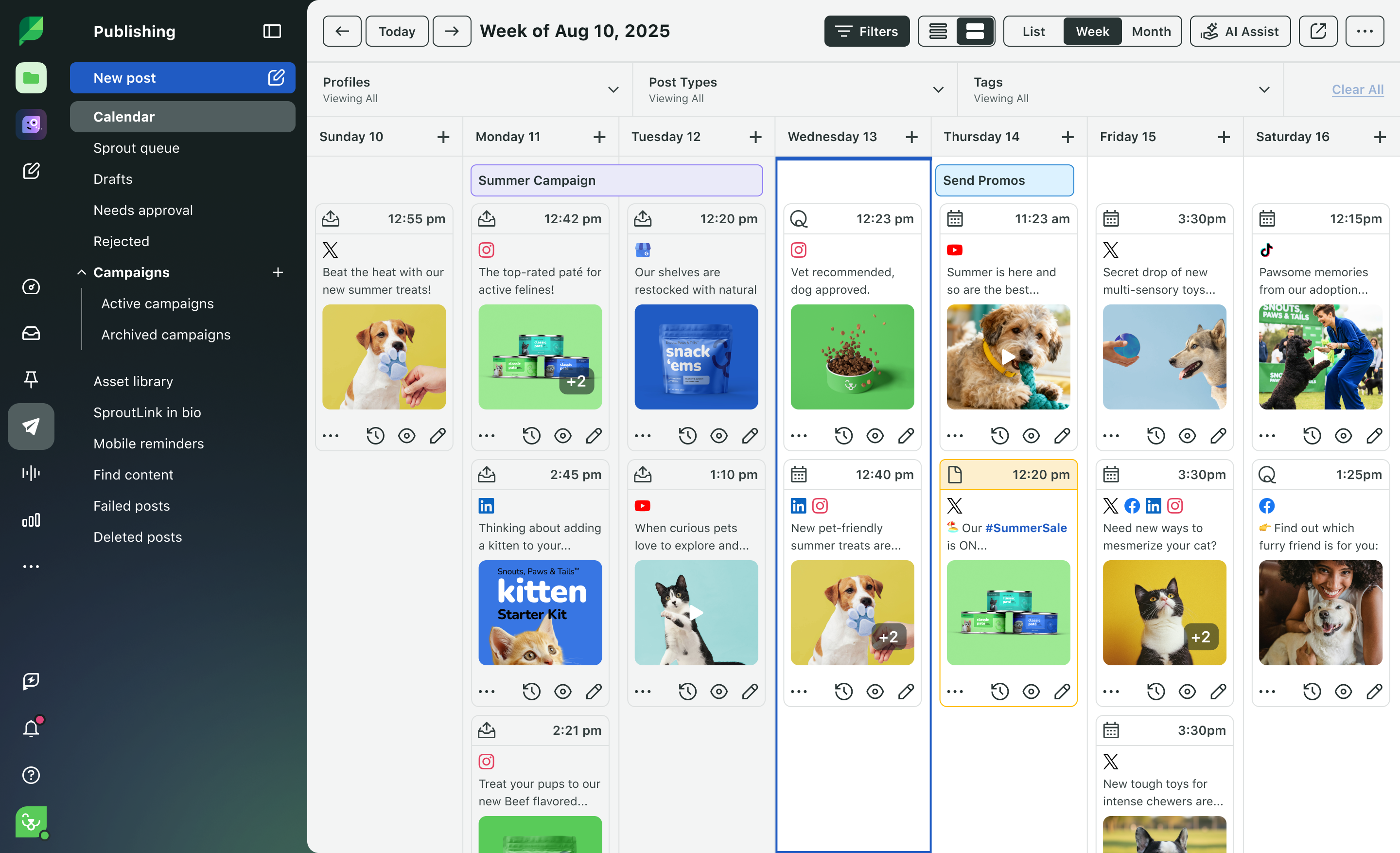
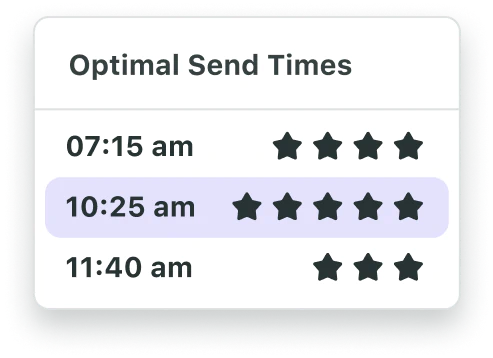
Once organic habits are formed, the final phase involves paid promotion. Because Pinterest users are "early planners"—often researching seasonal events 45 days in advance—consistent publishing is vital. Tools like Sprout Social Essentials are now being used by growing brands to centralize this, allowing teams to schedule pins, optimize for "ViralPost" times, and manage cross-platform performance from a single, intuitive interface.
Supporting Data: Why the Intent-Driven Model Works
The data underscores a clear trend: Pinterest users are conversion-ready. Unlike "passive" scrolling on other platforms, Pinterest is an active, task-oriented environment.
- High Engagement: 70% of users interact with brands weekly.
- Shoppable Preference: 34% of consumers prioritize Shoppable Pins as their preferred way to engage with a brand, reinforcing that users want a direct path from inspiration to checkout.
- Early Planning: Data shows that users start planning for major categories—holidays, weddings, and home renovations—months before the event, providing small businesses a long window to influence the final purchase.
Official Perspectives: The Role of Tooling and Strategy
Industry experts emphasize that the greatest barrier to Pinterest success for small businesses is not the lack of creative talent, but the lack of consistent operational workflows. Managing multiple platforms manually often leads to "task-switching fatigue."
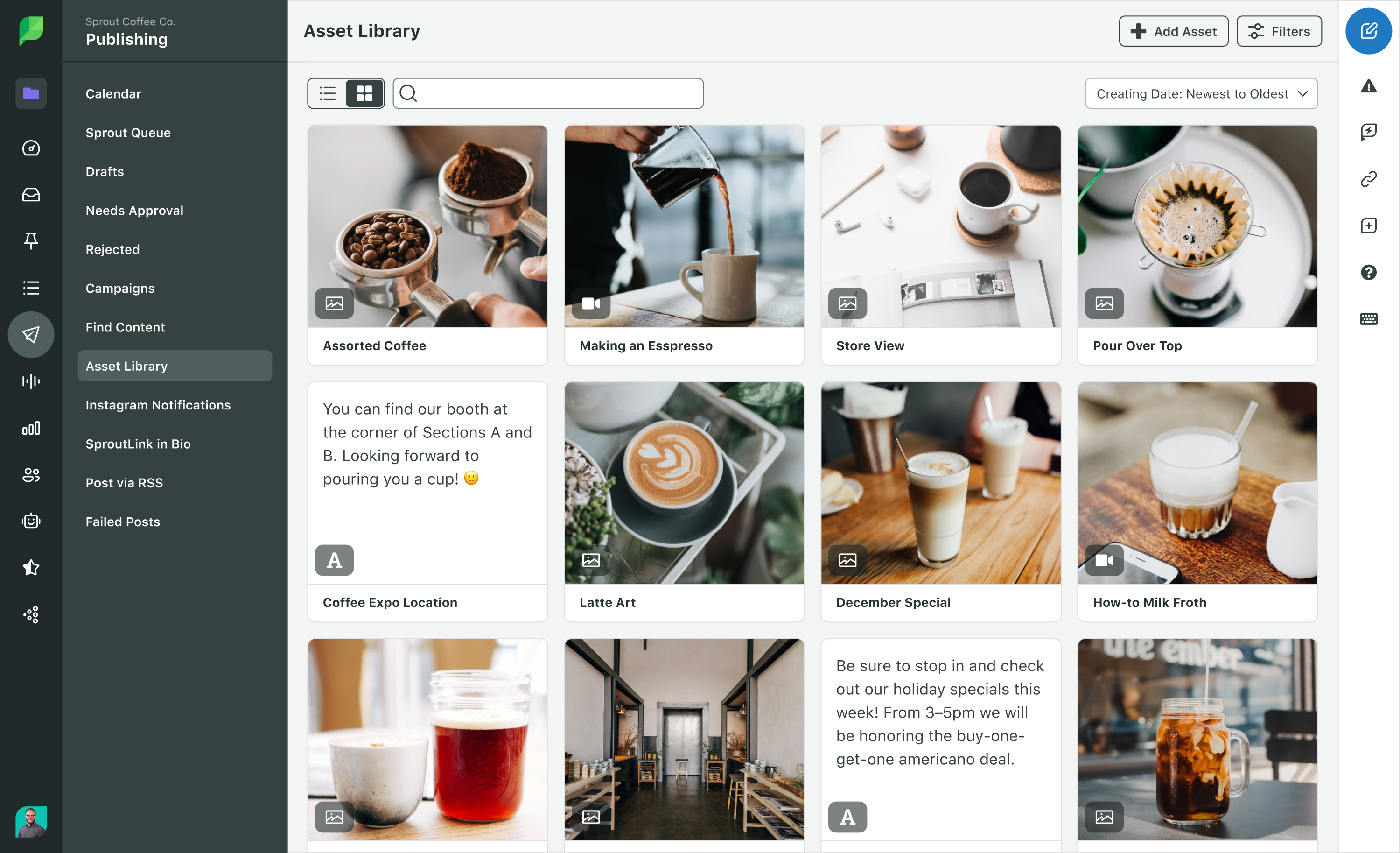
"Connecting discovery, engagement, and conversion independently is the quickest path to burnout," note industry analysts. The adoption of professional tools, such as Sprout Social’s Asset Library and centralized reporting dashboards, allows small businesses to operate with the efficiency of an enterprise. By viewing Pinterest performance alongside other social channels, marketers can identify which themes resonate universally, allowing them to double down on what works and cut what doesn’t.
Implications for Small Business Strategy
The shift toward Pinterest as a primary growth channel has profound implications for how small businesses allocate their marketing resources.
1. Shift from "Viral" to "Evergreen"
On platforms like X (formerly Twitter) or TikTok, content has a short half-life. On Pinterest, a well-optimized pin can drive traffic for years. This "evergreen" nature means that your effort compound over time. A pin you create today may still be driving qualified traffic to your e-commerce store 18 months from now.
2. The Rise of Social Commerce
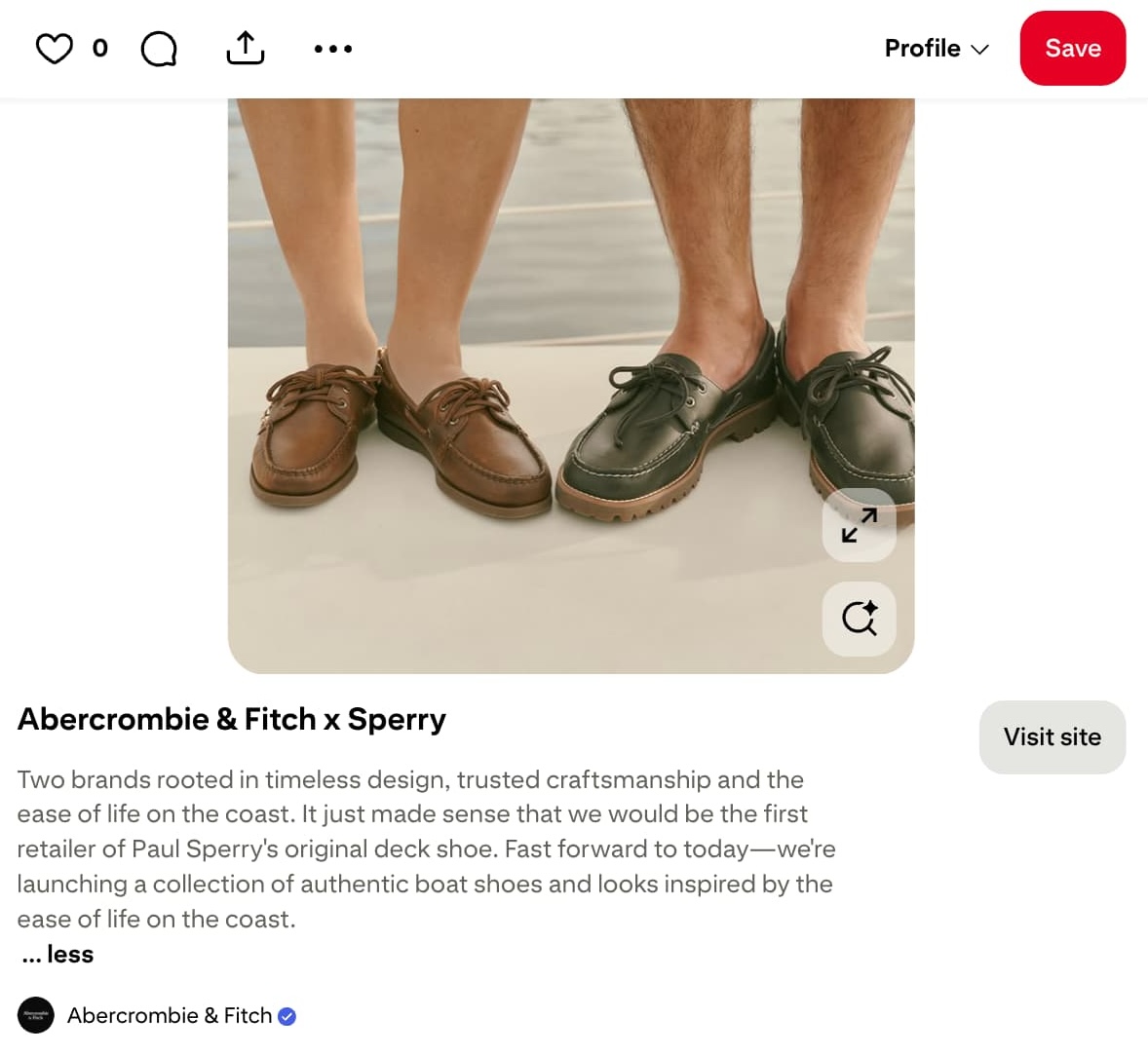
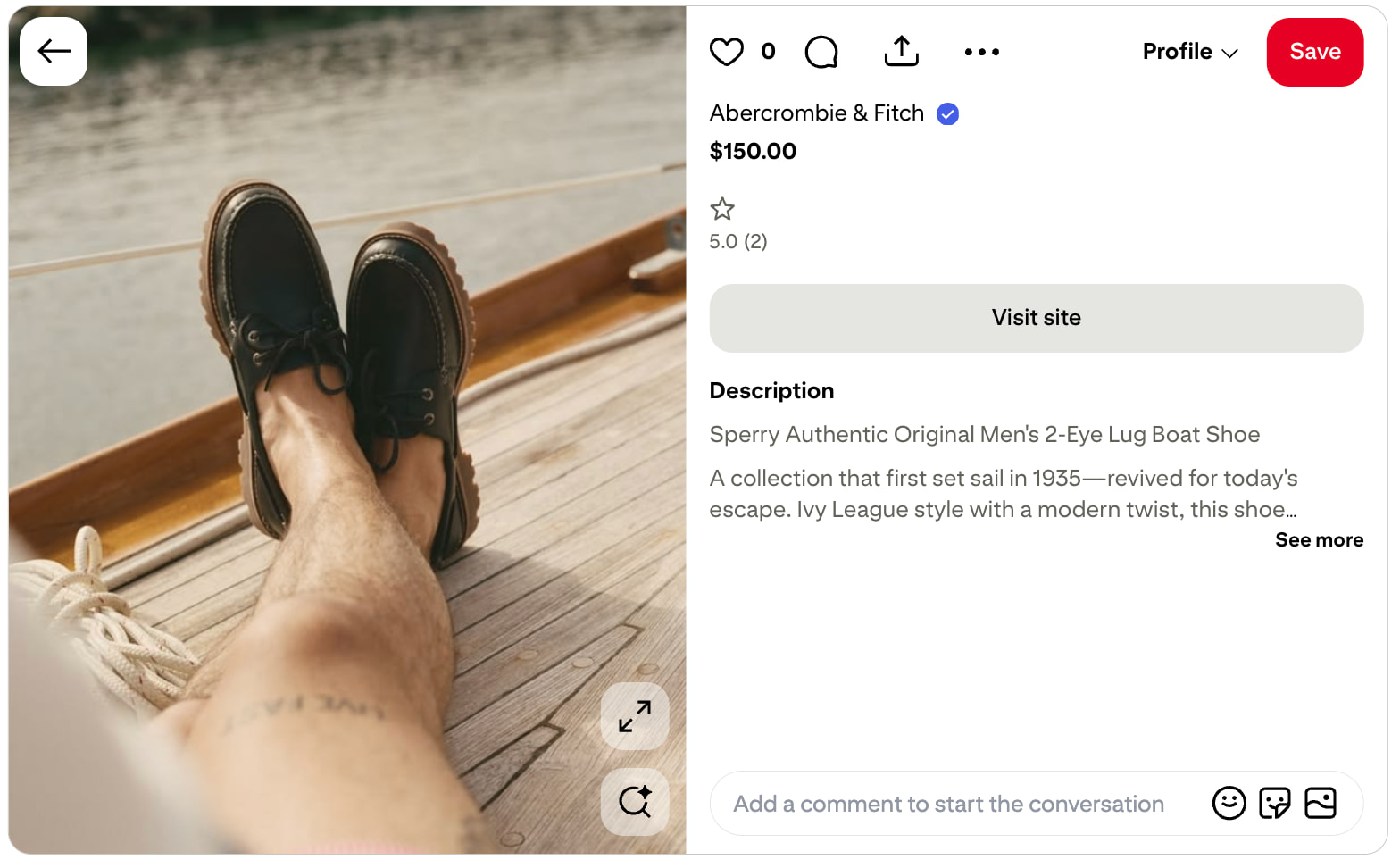
By utilizing the Verified Merchant Program and Rich Pins, small businesses are effectively turning their profiles into 24/7 digital storefronts. Rich Pins are particularly transformative: they automatically sync your website’s pricing and stock availability. If an item sells out or goes on sale, the pin updates in real-time. This reduces customer friction and prevents the frustration of "stale" content.
3. Competing on Quality, Not Budget
Perhaps the most empowering implication is the democratization of visibility. Pinterest’s algorithm prioritizes visual context and search relevance. If your photography is high-quality and your keywords are accurate, you can outrank competitors who have significantly larger advertising budgets. This forces brands to invest in better creative—lifestyle imagery, clear value propositions, and vertical 2:3 aspect ratio designs—which inherently leads to better branding overall.
Conclusion: Mastering the Long Game
Pinterest is not a quick-fix platform for viral fame; it is a sophisticated, long-term search engine that rewards patience, consistency, and strategic SEO. For the small business owner, the opportunity is clear: if you can show up when your customer is searching for a solution, you won’t just get a click—you’ll get a customer.
By integrating the right tools, maintaining a consistent daily publishing cadence, and focusing on the customer’s decision-making journey, you can turn Pinterest into a reliable engine for long-term ROI. The brands that win on Pinterest today are those that treat the platform with the same professional rigor they apply to their own website—and in doing so, they ensure their content will continue to drive results long after the "social media trends" of the day have faded.
To thrive, start by validating your domain, mastering your keyword list, and leveraging enterprise-grade tools to keep your presence active. The searchers are already there, looking for exactly what you offer; the only question is whether your pins are optimized to be found.


 Ammar Sabilarrohman