


For centuries, the silhouette of the Japanese landscape has been defined by the organic warmth of wood. From the soaring, gravity-defying eaves of ancient temples in Nara to the minimalist, functional elegance of modern urban tableware, wood is not merely a construction material in Japan—it is a cultural medium. As the global construction industry grapples with the urgent need for sustainable, low-carbon alternatives to steel and concrete, Japan’s enduring mastery of timber offers a blueprint for the future of sustainable living.
The Cultural Foundations of Wood in Japan
In Japanese society, wood is an extension of the natural world, integrated seamlessly into the daily rhythm of life. The philosophy of wabi-sabi—finding beauty in imperfection and the passage of time—finds its ultimate expression in timber. Unlike inorganic materials that degrade through wear, wood is perceived as "living" even after it is harvested, aging gracefully and deepening in character.

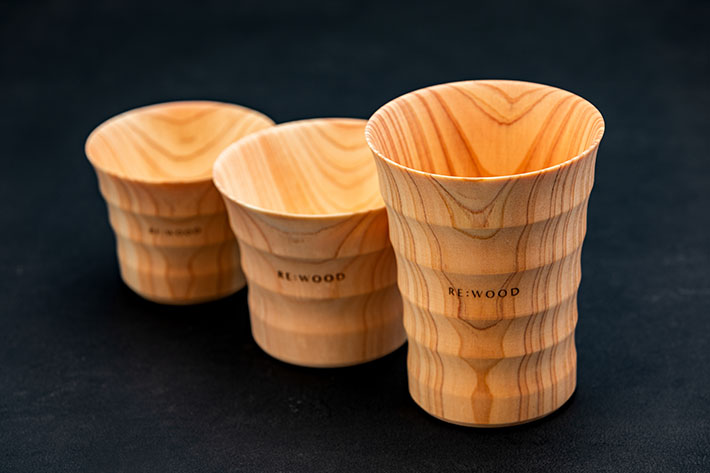
This reverence is most visible in the culinary arts. In Japan, the act of dining is a sensory experience where the vessel is as vital as the food it holds. Wooden bowls, trays, and chopsticks are preferred not only for their aesthetic appeal but for their tactile warmth and thermal insulating properties. When a bowl of hot miso soup is cradled in one’s hands, the wood acts as a natural barrier, protecting the palms from heat while maintaining the dish’s temperature—a perfect marriage of form and function.
A Chronology of Craft: From Horyu-ji to Expo 2025
The history of Japanese woodcraft is a testament to both material quality and engineering foresight.
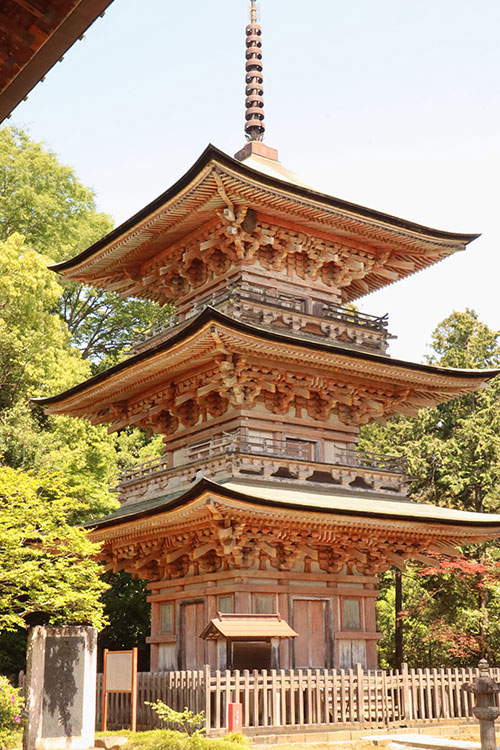
- 7th Century (The Foundation): The construction of Horyu-ji in Nara Prefecture marks the beginning of an era. Utilizing Hinoki (Japanese cypress), these structures have survived over 1,300 years, standing as the world’s oldest wooden buildings.
- The Edo Period (Standardization): The development of magewappa (bentwood) techniques allowed for the creation of lightweight, moisture-regulating containers, showcasing the advanced understanding of wood’s mechanical properties.
- 19th–20th Century (Modernization): Despite the introduction of concrete and steel during the Meiji Restoration, Japan maintained a hybrid approach, keeping wood at the heart of residential design for its seismic resilience and humidity-regulating qualities.
- 2025 (The Global Stage): The main pavilion of Expo 2025 in Osaka represents the zenith of modern timber engineering. As one of the world’s largest wooden structures, it serves as a global manifesto for the viability of wood in large-scale, contemporary public architecture.
Supporting Data: The Biological and Environmental Advantage
Japan’s landscape is uniquely suited for timber production, with approximately two-thirds of the nation covered in forests. This abundance is supported by a temperate, humid climate that fosters the growth of high-quality species.
Key Species and Their Properties:
- Hinoki (Japanese Cypress): Celebrated for its distinct, soothing fragrance and exceptional resistance to rot and insect infestation. Its density and strength make it the gold standard for high-end construction.
- Sugi (Japanese Cedar): The most prolific timber in Japan, Sugi is prized for its pliability. Its porous cellular structure makes it an excellent insulator and a natural regulator of indoor humidity, absorbing excess moisture during damp seasons and releasing it when the air is dry.
- Karamatsu (Japanese Larch) and Todomatsu (Fir): These species round out Japan’s diverse forestry portfolio, providing structural stability for a wide range of industrial and residential applications.
Technical Innovations: Enhancing Nature’s Design
The modern challenge is not just to use wood, but to ensure it meets the rigorous demands of contemporary international building codes. Japan has pioneered several breakthroughs in wood processing:
The S-Tech Revolution
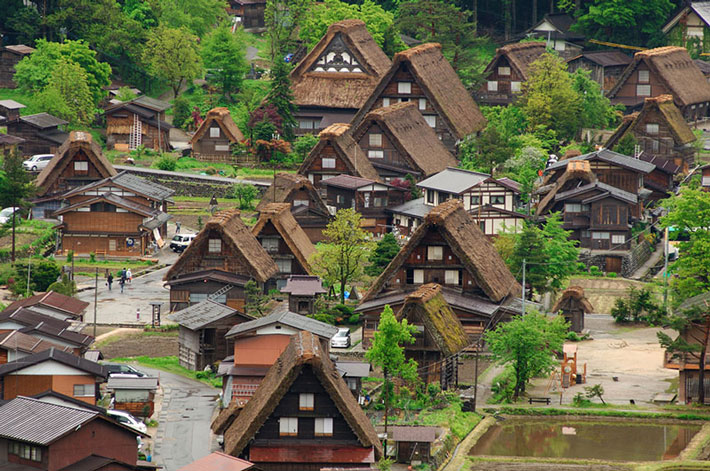
Traditional wood treatments often relied on harsh chemicals that posed environmental risks. The "S-Tech" (nitrogen heat treatment) process is a paradigm shift. By heating wood to temperatures exceeding 200°C (392°F) in a nitrogen-rich environment, the hemicellulose—the component most susceptible to decay—is decomposed. The result is a highly durable, rot-resistant material that requires no chemical preservatives. Boardwalks and exterior installations using S-Tech timber have demonstrated structural integrity for over two decades, outperforming many untreated woods.
Structural Plywood and Termite Defense
Beyond solid timber, Japan has mastered the art of engineered plywood. By infusing high-performance preservatives deep into the layers of the wood, manufacturers have created structural components that can withstand the moisture-rich conditions of coastal and tropical climates. This technology is vital for "hidden" infrastructure—subflooring, wall frames, and foundations—ensuring that the life cycle of a building is measured in generations rather than decades.
Implications: A Global Export and the SDGs
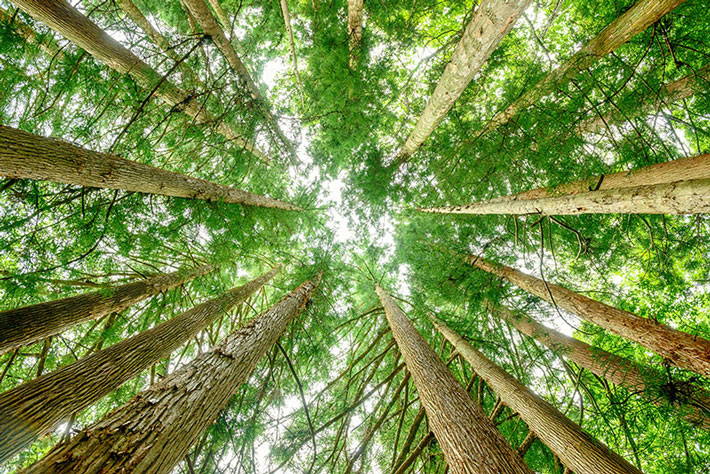
The global shift toward the Sustainable Development Goals (SDGs) has placed Japanese timber in the international spotlight. Wood is a carbon-sequestering material; by utilizing timber from well-managed, sustainable plantations, the construction industry can significantly reduce its carbon footprint.
Official Recognition and Market Expansion
A landmark development occurred in April 2024, when the American Lumber Standards Committee officially certified Hinoki-based "two-by-four" dimension lumber. This is more than a trade milestone; it is a global validation of Japanese forestry management. By integrating into the North American construction standard, Japanese timber is no longer a domestic specialty but a global commodity.
The Japan Wood Products Export Association (JWPEA) is currently spearheading efforts to bridge the gap between Japanese sawmills and international architects. By providing technical data, export documentation, and supply chain transparency, the association is ensuring that the same material that kept Horyu-ji standing for 1,300 years can now be used to build sustainable homes in California, Europe, and beyond.
Conclusion: The Resilience of the Future
Japan’s reliance on wood is not a nostalgic attachment to the past; it is a calculated decision based on scientific efficacy and environmental stewardship. As the world moves away from energy-intensive materials, the Japanese model provides a compelling alternative: one that respects the natural life cycle of the forest while pushing the boundaries of modern engineering.
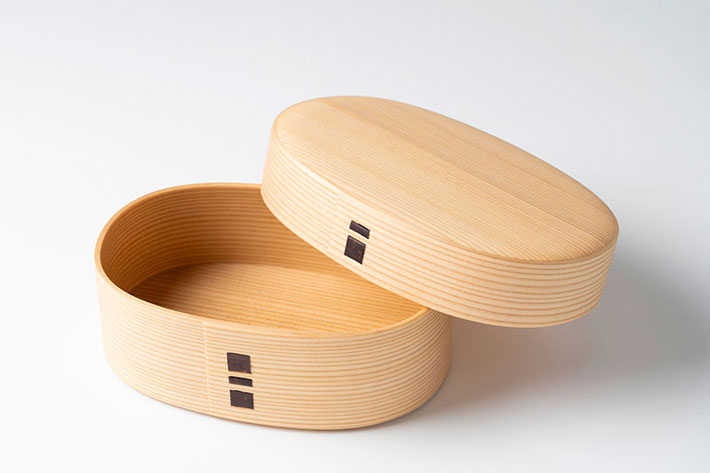
Whether it is the delicate curve of a magewappa lunchbox or the massive structural beams of the Expo 2025 pavilion, the message is clear. Wood is not just a remnant of Japan’s heritage—it is a vital, versatile, and sustainable component of our global future. Through the fusion of ancient wisdom and cutting-edge processing technology, Japan is inviting the rest of the world to build with the same resilience that has defined its own architecture for over a millennium.
For businesses and architects interested in incorporating Japanese timber into their projects, the Japanese Wood Export Portal serves as the primary resource for technical specifications, supplier networks, and sustainability certification information.












No comments yet. Be the first to join the conversation!