In an era of cinematic uncertainty, where traditional blockbusters have struggled to find consistent footing, the horror genre has emerged as the definitive life-support system for the theatrical experience. The second quarter of 2026 proved to be a watershed moment for the industry, defined by the meteoric rise of two twenty-something filmmakers: Kane Parsons and Curry Barker. Their respective hits, Backrooms and Obsession, did more than just sell tickets; they fundamentally altered the calculus of risk for Hollywood executives, signaling a permanent shift toward internet-native talent and digital-first mythologies.

The Cultural Phenomenon: Parsons and Barker
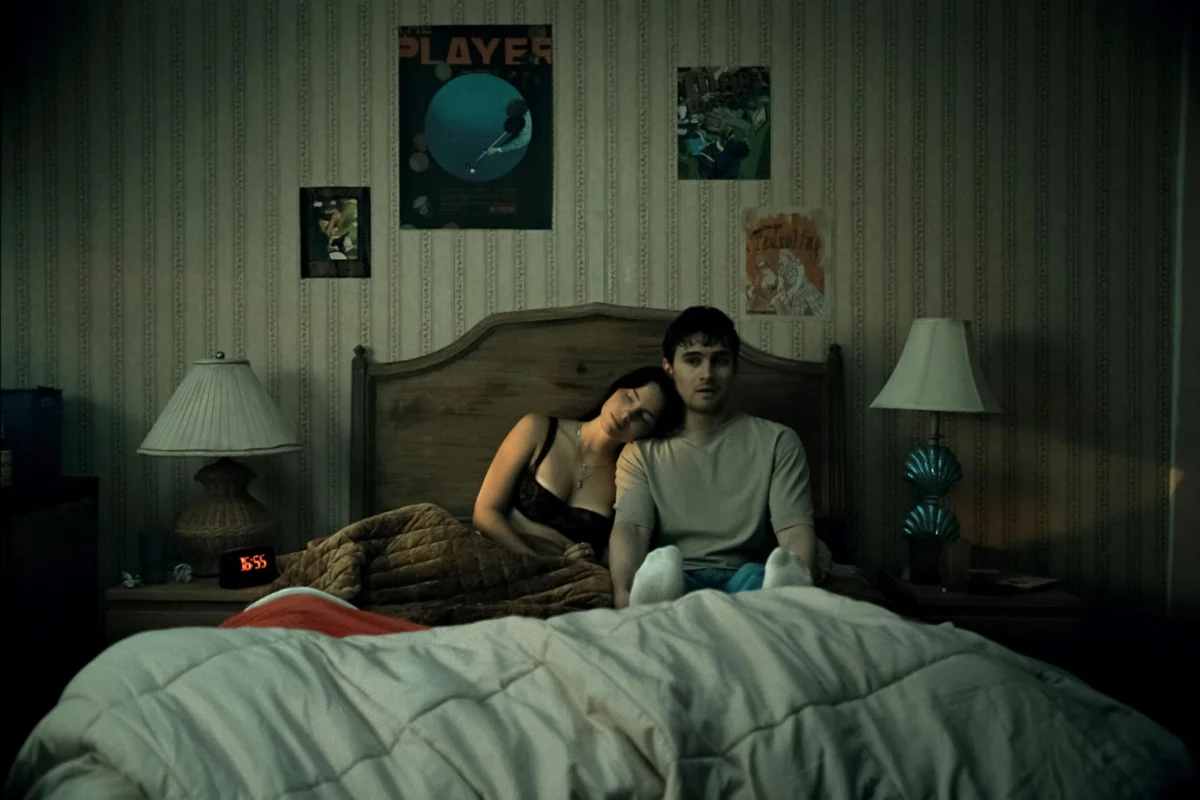
The conversation surrounding horror in Q2 was dominated by two titles that, on paper, appeared to be extreme outliers. A24’s Backrooms, directed by Kane Parsons, shattered expectations with a worldwide gross exceeding $330 million. Simultaneously, Focus Features’ Obsession, spearheaded by Curry Barker, turned a sub-$1 million production budget into a staggering $374 million global haul.

These were not merely successes; they were cultural flashpoints. For years, the film industry has viewed horror as a reliable talent incubator—a low-cost, high-reward space where unknown creators could cut their teeth. However, the success of Parsons and Barker suggests that "unknown" is no longer a liability. By tapping into existing, highly engaged digital fanbases, these directors brought built-in audiences into the theater, effectively bypassing the traditional, expensive marketing campaigns that often bleed studio budgets dry.

A Chronology of Q2: Beyond the Hits
While Backrooms and Obsession captured the lion’s share of the headlines, the broader Q2 landscape was a complex tapestry of high-concept risks and nuanced failures.

April: The Independent Film Company and Shudder Reassert Themselves
Following a quiet start to the year, the Independent Film Company and Shudder sought to regain their status as the industry’s premier horror tastemakers. Their most ambitious play was a reboot of the legendary Faces of Death, directed by the visionary duo Isa Mazzei and Daniel Goldhaber. Starring Barbie Ferreira as a web-sleuth, the film was a stylistic success that resonated with critics but struggled to find a massive mainstream audience, netting a domestic total of approximately $2.6 million. This period also saw the release of Jorma Taccone’s Over Your Dead Body and Natalie Erika James’ Saccharine, both of which served as reminders that visionary intent does not always equate to box-office dominance.

May: Neon’s Multidisciplinary Pivot
Neon continued its streak of bold, hyper-stylized genre programming. Boots Riley’s I Love Boosters was perhaps the season’s most divisive yet passionately supported title. By leaning into Riley’s status as a politically charged auteur, Neon generated $9.5 million domestically through an inventive, grassroots-style promotional tour. The studio also saw success with Damien McCarthy’s Hokum, which utilized the star power of Adam Scott to anchor a "prestige" horror experience that ultimately grossed $15 million worldwide.

June: The Struggle for Marginalized Voices
As the quarter concluded, the industry faced a recurring question: why do original concepts from marginalized creators struggle to find the same support as established IP? Aleshea Harris’ Is God Is, an Amazon MGM production, featured an incredible ensemble including Janelle Monáe and Sterling K. Brown. Despite being a masterclass in genre-blending, the film grossed under $5 million domestically, a result of muddled marketing rather than a lack of audience interest. Conversely, Avalon Fast’s Camp, a smaller Canadian indie, flourished through online word-of-mouth, proving that specialized, queer-centered horror possesses an organic, durable reach that traditional studio marketing often fails to replicate.

Supporting Data: The Power of Stewardship
The box office data from Q2 reveals a fascinating trend: stewardship is often as valuable as the intellectual property itself.

- The Wayans Return: Paramount’s Scary Movie 6 grossed $217 million worldwide against a $30 million budget. This wasn’t just nostalgia; it was the return of the original architects of the franchise. Audiences demonstrated that they were willing to forgive a "toothless" script if the creative visionaries responsible for the brand’s original identity were back in the driver’s seat.
- The Cronin Effect: Lee Cronin’s The Mummy (Warner Bros./New Line) earned $90 million globally on a $22 million budget. By branding the film as "Lee Cronin’s The Mummy," the studio successfully leveraged the director’s reputation from Evil Dead, transforming a dusty monster IP into a contemporary brand-driven experience.
- The Selective Consumer: In contrast, A24’s Mother Mary earned less than $3 million. Despite the presence of Anne Hathaway, the film lacked a clear hook that could translate into a mass-market event, illustrating that audiences are becoming increasingly selective about which "prestige" horror films warrant a trip to the cinema.
Official Responses and Industry Shifts
The industry’s response to these trends has been swift. Warner Bros. has already announced plans to adapt the viral "Siren Head" phenomenon, with Brian Duffield (No One Will Save You) tapped to direct and Zach Cregger (Weapons) handling the script. This move confirms that the blockbuster pipeline is evolving; major studios are now looking to "internet-native" nightmares as the new foundation for theatrical tentpoles.

For the filmmakers, the paths forward are diverging. Curry Barker is moving into studio-backed territory with the horror-comedy Anything but Ghosts, while Kane Parsons is diving into a Backrooms sequel. The industry is watching closely: if these directors can maintain their signature styles while operating under the constraints of a studio system, it may define a new era of "auteur-driven" horror.

Strategic Implications: The Future of Fear
The implications for the next decade of film are profound. We are witnessing the end of the "one-size-fits-all" horror release. The Q2 results suggest three primary shifts in strategy:

- The End of the "Unknown" Penalty: Producers can no longer afford to dismiss creators based on a lack of traditional credits. If a filmmaker has a dedicated digital audience, they are now viewed as a lower-risk investment than a veteran director without a clear brand identity.
- The Rise of the "Niche-Blockbuster": Films like Leviticus and Hokum prove that horror films can be both highly specific—addressing queer identity or regional folklore—and commercially successful. The key is to match the film with an audience that is "hungry" for that specific perspective, rather than trying to force it into the monoculture.
- The Responsibility of the Distributor: The disappointing performance of Is God Is serves as a cautionary tale. It is not enough for studios to acquire or produce diverse, challenging content; they must also possess the marketing sophistication to bridge the gap between the filmmaker’s vision and the potential audience.
As we look toward the second half of 2026, the horror landscape remains one of the few places in Hollywood where "disturbing" and "profitable" are not mutually exclusive. The audiences of 2026 are not just passive consumers; they are active participants in the curation of the genre. They are waiting in the dark, and they are increasingly vocal about what they want to see. For executives, the lesson is simple: stop trying to dictate the trends and start paying attention to the creators who are already leading them. The future of the theatrical business is not in massive, homogeneous franchises, but in the vibrant, terrifying, and deeply personal stories that prove that even in a fractured culture, a truly compelling vision can still bring the world to the theater.