

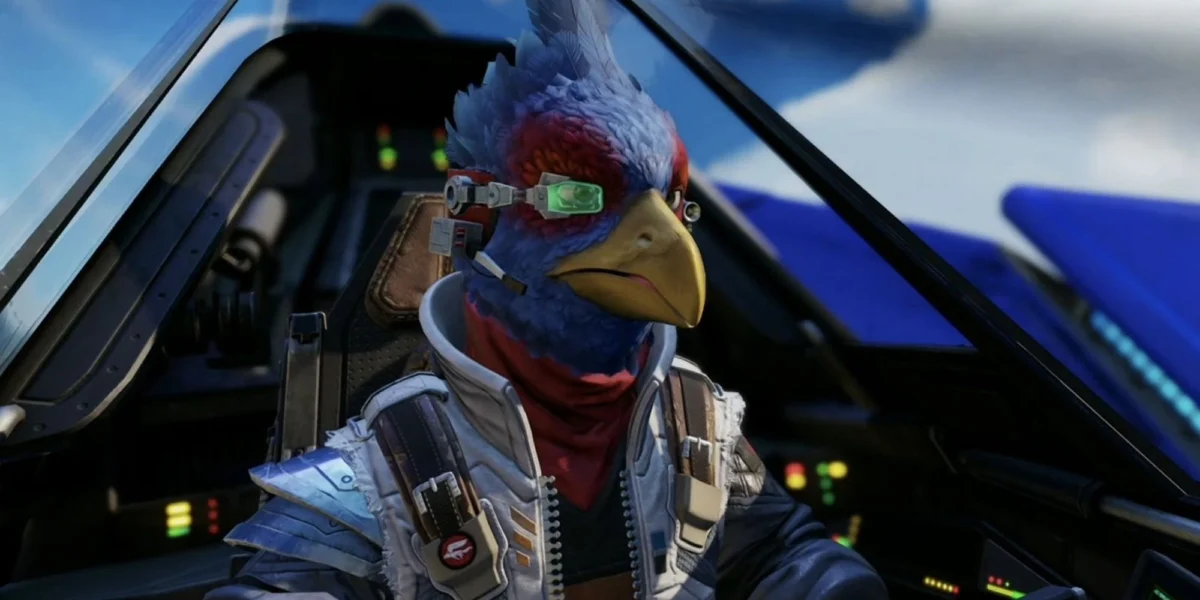
The announcement of a ground-up remake of Star Fox 64 for the Nintendo Switch 2 has sent waves of nostalgia—and controversy—through the gaming community. As one of the most beloved entries in Nintendo’s storied catalog, the 1997 classic is revered not just for its revolutionary use of the Rumble Pak, but for its distinct, polygonal aesthetic and unforgettable character designs. However, the excitement surrounding its modern revival has been complicated by a candid critique from one of its primary architects: legendary designer Takaya Imamura.
Imamura, who served as a cornerstone of Nintendo’s creative team for over three decades before his departure in 2021, was instrumental in shaping the visual identity of the Star Fox franchise. His recent comments regarding the remake’s art direction have ignited a firestorm of discussion, highlighting the delicate balance between modernizing a legacy title and preserving the artistic intent of its original creators.
The Architect’s Legacy: Who is Takaya Imamura?
To understand the weight of Imamura’s recent commentary, one must first recognize his immense contribution to Nintendo’s cultural footprint. Throughout his tenure at the Kyoto-based gaming giant, Imamura was more than just a designer; he was an artistic visionary. His fingerprints are all over the company’s most iconic intellectual properties.
Beyond Star Fox, where he was responsible for the character design of Fox McCloud, Falco Lombardi, and the rest of the Star Fox team, Imamura was a central figure in the F-Zero series, designing the legendary Captain Falcon. He was also the mastermind behind some of the most idiosyncratic and memorable characters in the Legend of Zelda series, most notably the eccentric Tingle.
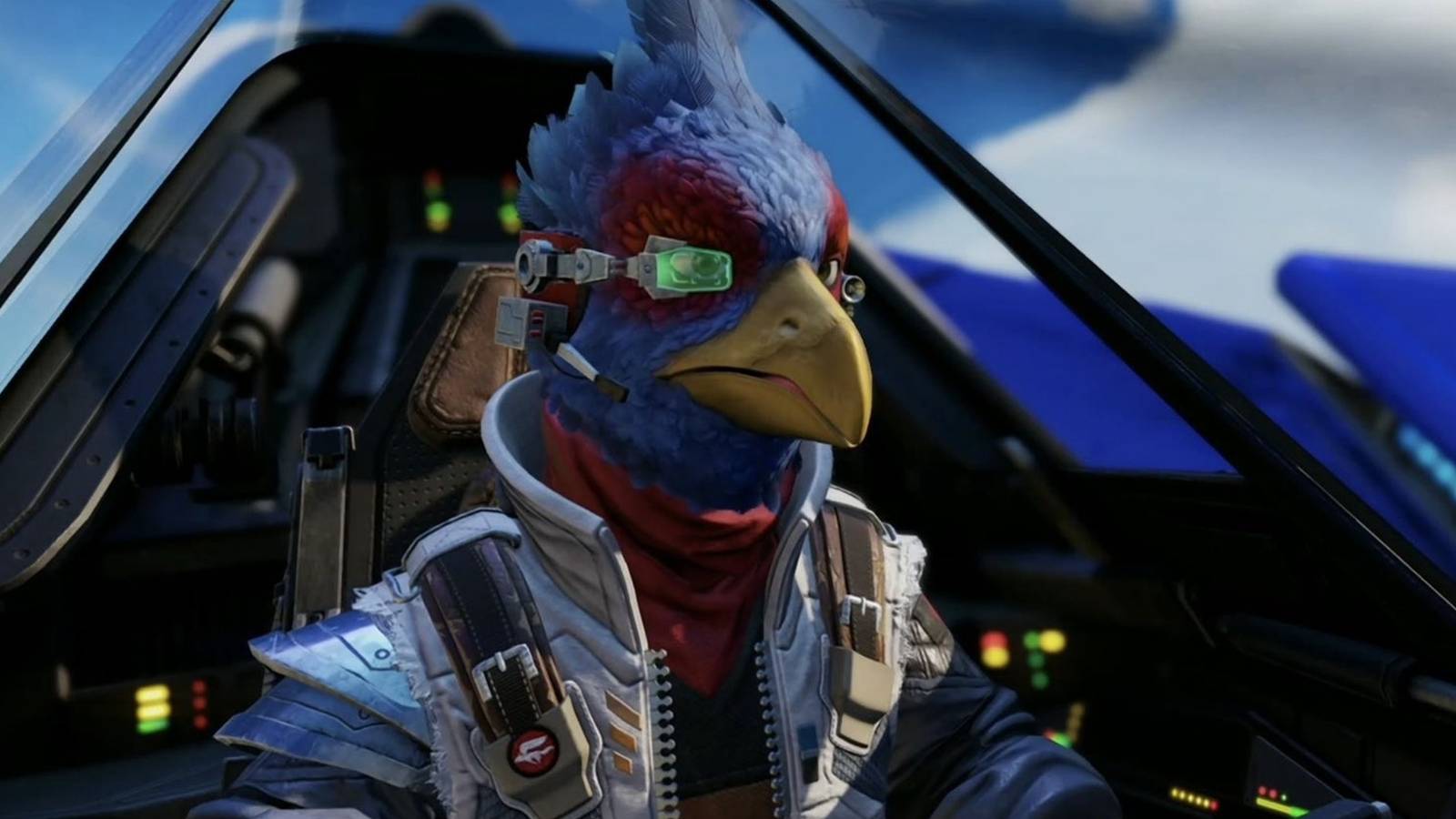
For 32 years, Imamura’s work helped define the "Nintendo aesthetic"—a blend of whimsy, sharp character silhouettes, and distinct personality. When a figure of his stature speaks on the evolution of his own creations, the industry listens.
A Bitter-Sweet Homecoming: The Remake Announcement
The news that Star Fox 64 would be receiving a full-scale remake for the upcoming Nintendo Switch 2 was met with overwhelming initial enthusiasm. For years, fans have clamored for a return to the Lylat System, hoping to see the rail-shooter formula updated for modern hardware.
Upon the formal announcement, Imamura took to social media, specifically his personal X (formerly Twitter) account, to share his immediate reactions. His initial sentiment was one of genuine delight. "Star Fox is finally going to be revived," he wrote, following up with the poignant question, "This isn’t a dream, right?"
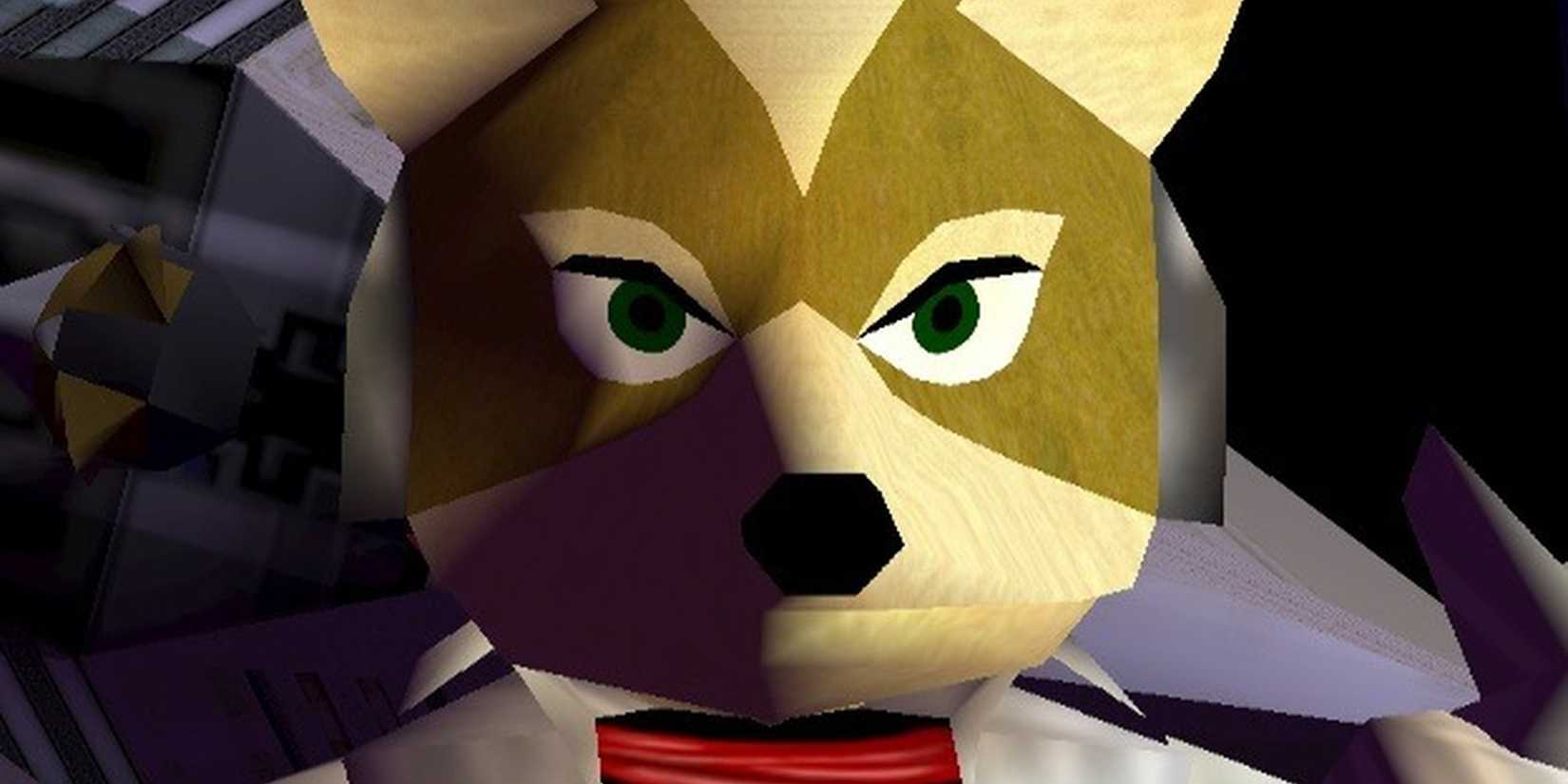
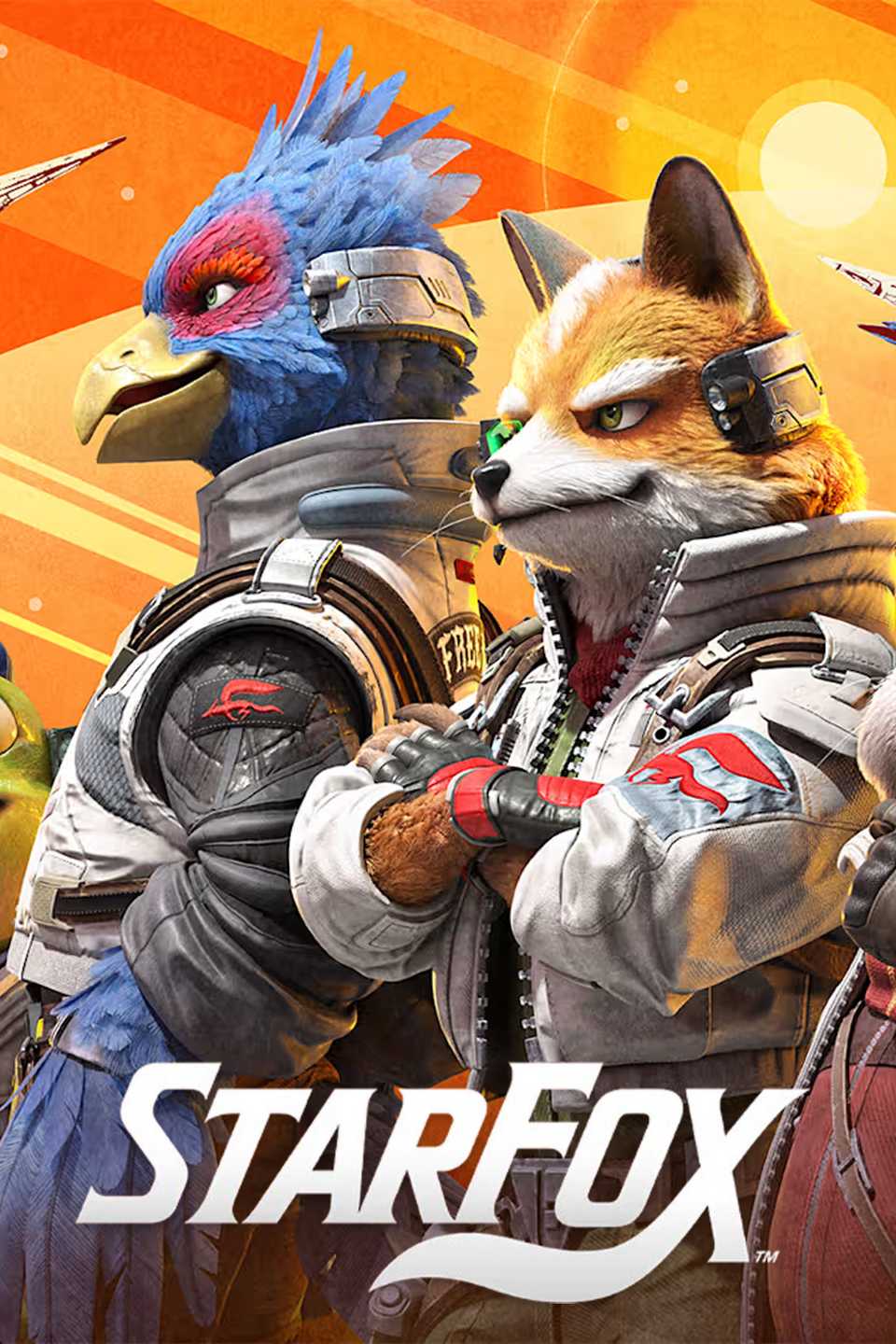
For the veteran designer, seeing his work brought into a new generation was clearly a moment of professional pride. However, as more promotional material and character renders were unveiled to the public, that sentiment began to shift. The transition from the "low-poly" charm of the 1997 original to the high-fidelity, hyper-detailed models of the modern remake created a visual dissonance that Imamura was quick to point out.

The Supervision Problem: A "Spicy" Take on Art Direction
The crux of the tension lies in the art direction. Modern remakes often struggle to bridge the gap between "updating" a look and "replacing" the soul of the original design. When fans approached Imamura to ask for his thoughts on the new character models—which appear significantly more anthropomorphic and textured than their 64-bit predecessors—his response was characteristically blunt.
"This is what happens when I don’t supervise it," he quipped in a post that quickly went viral.
While Imamura was careful to maintain a professional tone, noting that he still believes "the concept is good," the implication was clear: the artistic oversight that defined the original Star Fox is absent in this modern iteration. He expressed that while the technology has evolved, the core character design language he established has been altered in a way that he feels loses some of the original’s charm.
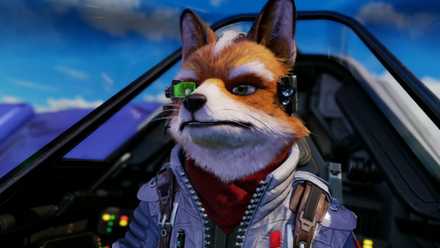
He further deepened his critique by drawing a comparison to the recent Super Mario Galaxy film produced by Illumination. Surprisingly, Imamura held up the movie’s interpretation of the Star Fox characters as a standard of excellence. Specifically, he highlighted a scene where Fox meets Mario, noting that the expressiveness and the "look of hostility" captured by the film’s animators were superior to what he has seen in the current remake.
For a creator to publicly prefer an external studio’s interpretation of his work over a direct, first-party internal remake is a rare and significant critique. It suggests that the current direction at Nintendo might be prioritizing graphical fidelity over the nuanced, expressive character design that defined the franchise’s golden era.
Chronology of the Star Fox Franchise
The Star Fox series has had a notoriously tumultuous history. Its trajectory serves as a case study for the challenges Nintendo has faced in keeping its arcade-style shooters relevant in a market dominated by open-world epics and competitive live-service games.
- 1993: Star Fox (SNES) debuts the Super FX chip, bringing 3D polygon graphics to a console that wasn’t built for them.
- 1997: Star Fox 64 (N64) perfects the formula, introduces the Rumble Pak, and becomes one of the best-selling games of the generation.
- 2002: Star Fox Adventures (GameCube) shifts the genre to an action-adventure title, signaling a departure from the classic rail-shooter roots.
- 2005: Star Fox Assault (GameCube) attempts to blend flight combat with on-foot missions, receiving a mixed reception.
- 2016: Star Fox Zero (Wii U) is released as an attempt to return to the 64 formula but is hampered by controversial motion-control requirements.
- 2026: The announcement of the Star Fox 64 Remake for the Nintendo Switch 2.
The upcoming remake is an attempt to rectify the failures of Star Fox Zero by stripping the experience back to its roots while upgrading the visuals to modern standards. However, Imamura’s critique suggests that in trying to modernize the look, the developers may have inadvertently stripped away the "personality" that made the original so endearing.
Implications: Can Art Survive Modernization?
The debate sparked by Imamura is indicative of a wider issue in the gaming industry: the "remake paradox." Developers are often caught between the demand for nostalgic accuracy and the pressure to utilize modern graphical power.
When developers decide to redo assets from scratch, they are essentially re-interpreting the original artistic vision. In the case of Star Fox, the original designs were dictated by strict polygon counts, forcing the designers to use clever lighting and distinct color palettes to convey emotion. By moving to modern, high-polygon, hyper-realistic assets, the "charm" of the original can sometimes be replaced by a generic "modern CGI" look.
Imamura’s preference for the Illumination film’s designs—which utilize a more stylized, expressive approach—suggests that he values the soul and readability of a character over raw graphical detail. His critique serves as a reminder that "better graphics" do not always equal "better art."
Official Response and Fan Sentiment
As of this writing, Nintendo has remained silent regarding Imamura’s comments. This is typical of the company’s corporate culture, which rarely addresses internal personnel critiques or public-facing social media commentary from former employees. However, the fan community is deeply divided.
Many long-time fans agree with Imamura, pointing to the "uncanny" nature of the new renders. Others, however, argue that the modernization is necessary to compete with modern gaming standards and that nostalgia can often blind creators to the necessity of progress.
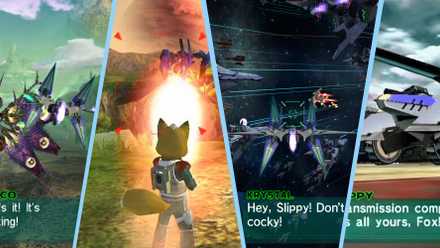
What remains undisputed is that the anticipation for the June 25th, 2026, release has reached a fever pitch. Whether the gameplay holds up, and whether the art style eventually wins over the skeptics, the Star Fox 64 remake is poised to be one of the most scrutinized releases in the Switch 2’s early library.
Looking Ahead: The Future of the Great Fox
Despite his critique, Imamura’s relationship with the franchise remains one of deep affection. He has explicitly stated his intention to play the game when it launches on the Nintendo Switch 2. This suggests that while he may be a critic of the visual choices, he remains a champion of the franchise itself.
In his final posts on the matter, he expressed a hope that the Star Fox series would find its footing once again. He has also been a vocal advocate for the re-release or remastering of other titles in the series, such as Star Fox Assault, suggesting that he believes there is still plenty of life left in the Lylat System.
The Star Fox 64 remake is more than just a product; it is a battleground for the legacy of one of Nintendo’s most iconic designers. As the June 25th release date approaches, players will finally be able to judge for themselves: has the essence of the Star Fox crew been preserved, or has the modernization process lost sight of the vision that Takaya Imamura crafted all those years ago?
Ultimately, the success of the remake will be measured not just in sales, but in its ability to capture the same sense of wonder that defined the 1997 original. If the gameplay remains as tight as the 64-bit classic, fans might forgive a few questionable design choices—but they will certainly keep Imamura’s words in mind as they pilot the Arwing through the asteroid fields of the Lylat System.









No comments yet. Be the first to join the conversation!