

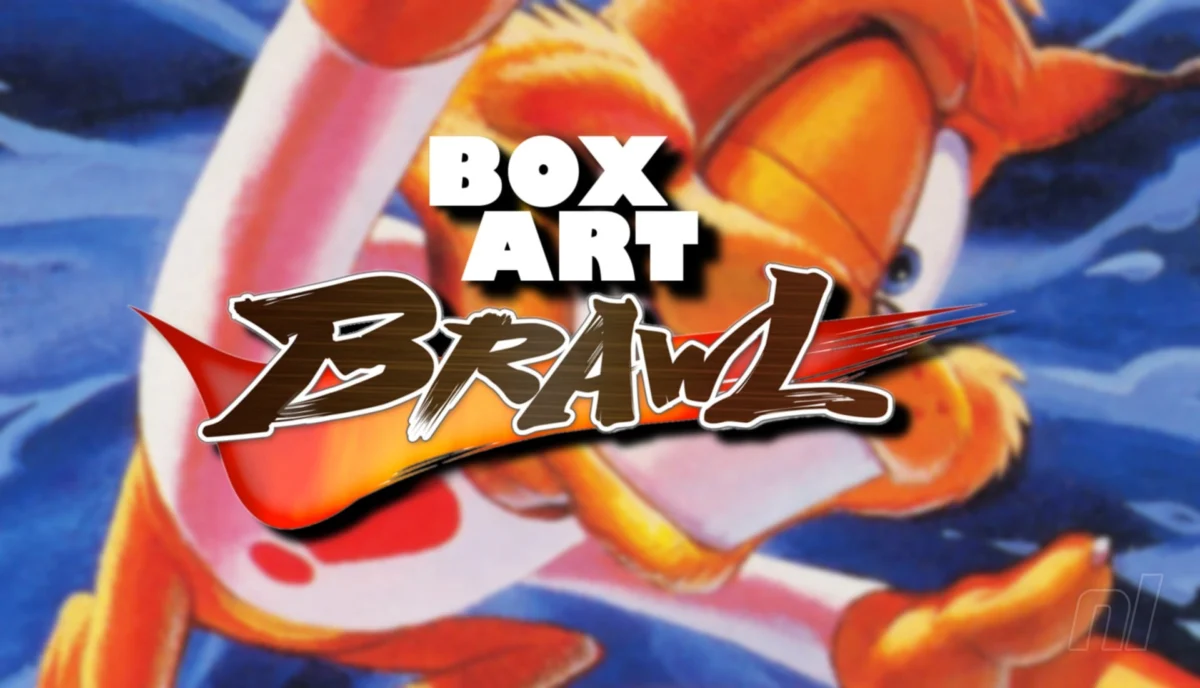
The iconic, and often controversial, bobcat mascot Bubsy is no stranger to the spotlight. As anticipation builds for the upcoming release of "Bubsy 4D" on the Nintendo Switch and its successor, the gaming world is taking a nostalgic journey back to the Super Nintendo Entertainment System (SNES) to revisit the very title that launched the character’s turbulent, yet enduring, career: "Bubsy in Claws Encounters of the Furred Kind." This retrospective isn’t just about pixels and polygons; it’s a critical examination of the visual storytelling employed on the game’s box art across different regions, a practice that has long served as a crucial first impression for potential players. Join us as we dissect the artistic choices, regional variations, and enduring appeal of the box art that introduced the world to this furry, four-legged adventurer.
A Legacy Forged in Fur and Controversy
The late 1990s was a golden age for platforming games, with iconic characters like Mario, Sonic, and Crash Bandicoot dominating the landscape. In this competitive arena, Accolade sought to carve out its own niche with the introduction of Bubsy, a wisecracking, anthropomorphic bobcat. "Bubsy in Claws Encounters of the Furred Kind," released in 1993, was the character’s debut and a bold attempt to capture the spirit of the era’s popular mascot platformers. While the game itself garnered mixed reviews, with some praising its humor and challenging gameplay, others criticizing its often unforgiving difficulty and the character’s perceived grating personality, its visual identity, particularly its box art, played a pivotal role in its initial reception and subsequent legacy.
The SNES era was characterized by vibrant, often highly detailed, box art that aimed to grab the attention of shoppers in crowded video game aisles. Developers and publishers understood that the cover was often the sole determinant of whether a game would be picked up and examined further. For "Bubsy in Claws Encounters of the Furred Kind," the regional variations in box art reveal a fascinating interplay between a desire for brand recognition and a nuanced understanding of local market aesthetics.
The North American Standard: A Familiar Face
The North American box art for "Bubsy in Claws Encounters of the Furred Kind" stands as arguably the most recognizable iteration of the game’s visual identity. It proudly features Bubsy himself, front and center, striking a confident, almost heroic, pose. The bobcat is depicted with a wide grin, his signature red and white sneakers prominent, and his arms outstretched as if embracing the adventure that awaits within. This design choice is a classic example of the "hero shot" often employed in Western game marketing, aiming to immediately establish the protagonist and imbue them with charisma.

A defining characteristic of North American SNES releases was the ubiquitous black border that framed the central artwork. This design choice, while seemingly simple, served a functional purpose: it helped the artwork pop against the often-cluttered shelves of video game stores. In Bubsy’s case, the stark black border effectively isolates the vibrant depiction of the character, drawing the viewer’s eye directly to him. The composition is straightforward, emphasizing the titular character’s personality and the game’s colorful, albeit somewhat generic, cartoonish aesthetic. The inclusion of the game’s title, "Bubsy in Claws Encounters of the Furred Kind," is presented in a bold, easily readable font, further solidifying the game’s branding.
This approach was not unique to Bubsy; many successful SNES titles from the region followed a similar formula. The aim was to create an immediate connection with the audience, projecting an image of fun, action, and adventure. For Bubsy, this meant showcasing his inherent swagger and his potential for lighthearted mayhem. The image evokes a sense of playful energy, hinting at the fast-paced platforming action that players could expect.
The European Embrace: Subtle Nuances and Color Harmony
Across the Atlantic, the European box art for "Bubsy in Claws Encounters of the Furred Kind" presents a compelling case for subtle regional adaptation. While sharing the core imagery of the North American version, it introduces distinct alterations that offer a slightly different visual experience. The fundamental composition remains the same, with Bubsy dominating the foreground, his characteristic pose maintained. However, the European rendition subtly modifies the presentation, aiming for a potentially broader appeal within its target markets.
One of the most noticeable differences lies in the logo’s treatment. The "Bubsy" logo appears slightly smaller and is realigned on the European cover. This minor adjustment, while seemingly insignificant, can alter the overall visual hierarchy and the flow of information presented to the consumer. Furthermore, the stark black border of the North American release is replaced with a light blue border. This shift in color is not merely an aesthetic preference; it demonstrates a thoughtful consideration of how color palettes interact and evoke different feelings.

The light blue border, in this context, can be interpreted as an extension of the main artwork’s color scheme. It subtly blends with the blues and other cool tones present in the background and Bubsy’s fur, creating a more cohesive and integrated visual experience. This approach can lend a sense of polish and sophistication, suggesting that the entire package, from the artwork to the border, has been carefully curated. While the difference is not radical, it underscores the nuanced approach taken by marketing teams to tailor their products to diverse audiences. The European box art, therefore, can be seen as a testament to the power of minor adjustments in creating a distinct regional identity while retaining the essence of the original design. It’s a solid effort that showcases a keen eye for detail and a commitment to refining the product’s visual presentation.
The Japanese Divergence: A Bold Artistic Statement
Japan, a market renowned for its unique and often avant-garde approach to visual design, took a distinctly different path with the box art for "Bubsy in Claws Encounters of the Furred Kind." Eschewing the familiar horizontal orientation and the hero-centric framing of its Western counterparts, the Japanese version embraces a portrait orientation, utilizing the vertical space to create a striking and memorable image. This bold artistic choice immediately sets it apart, signaling a departure from established norms and a willingness to experiment with a more unconventional aesthetic.
In the Japanese rendition, Bubsy’s pose is less overtly triumphant and more subtly expressive. While still undeniably Bubsy, the bobcat’s demeanor might not possess the same immediate swagger as seen in the North American or European designs. However, this understated portrayal is not a detriment; rather, it contributes to the overall artistic merit of the piece. The stark white background is a masterful stroke of design. It creates an unparalleled sense of clarity and focus, allowing the central figure of Bubsy to command absolute attention. This minimalist approach is a hallmark of Japanese design philosophy, emphasizing purity and impact through simplicity.
The red logo at the top of the Japanese box art is another significant element. Its vibrant hue and prominent placement serve as a powerful focal point, immediately drawing the viewer’s eye and establishing the game’s identity with undeniable authority. The contrast between the stark white background and the bold red logo creates a dynamic visual tension, making the entire composition feel both modern and impactful. This design choice also leans into traditional Japanese aesthetic principles, where bold colors and strong graphic elements are often employed to create a sense of energy and dynamism.

The Japanese box art for "Bubsy in Claws Encounters of the Furred Kind" is not merely a functional piece of marketing; it’s a work of art that reflects a distinct cultural sensibility. It prioritizes artistic composition and visual impact, offering a fresh perspective on the character and the game. The stark, clean aesthetic and the powerful use of color demonstrate a sophisticated understanding of design that has long captivated audiences worldwide.
The Unseen Influence: Supporting Data and Market Trends
The divergent regional box art strategies for "Bubsy in Claws Encounters of the Furred Kind" are not isolated incidents but rather reflections of broader trends in the video game industry during the SNES era. Understanding these trends provides valuable context for appreciating the artistic and marketing decisions made by Accolade.
Market Segmentation and Audience Perception: The Western markets (North America and Europe) generally favored direct, character-driven imagery that emphasized action and personality. This approach aimed to appeal to a broad audience that was familiar with mascot-driven games and responded well to clear visual cues of fun and excitement. The inclusion of the character prominently on the box was a reliable strategy to generate initial interest.
The Rise of Minimalist and Artistic Design in Japan: In contrast, the Japanese market often demonstrated a greater appreciation for more artistic and stylized visuals. This preference was not limited to video games but extended across various forms of media, including anime, manga, and advertising. Japanese box art frequently prioritized aesthetic sophistication, symbolic representation, and a more nuanced emotional appeal. The stark white background and bold red logo of the Bubsy Japanese cover align perfectly with this established design philosophy, aiming to create a more sophisticated and memorable impression.

The Role of Publishers and Developers: Publishers and developers like Accolade employed regional marketing teams who were acutely aware of these differing market preferences. The variations in box art were not accidental but the result of careful consideration and strategic planning. The goal was to optimize the game’s appeal to the specific cultural and aesthetic sensibilities of each target audience, thereby maximizing sales potential.
The Enduring Power of Visuals: Despite the evolution of marketing strategies with the advent of digital distribution and online promotion, the importance of visual presentation, particularly for physical media, remains undeniable. Box art served as a critical gateway to the gaming experience, and its design had a tangible impact on consumer choice. The diverse approaches taken for Bubsy’s debut highlight how this visual storytelling evolved to resonate with different global audiences.
Implications and the Enduring Legacy of Box Art
The distinct regional box art for "Bubsy in Claws Encounters of the Furred Kind" serves as a compelling case study in the art of video game marketing and the impact of cultural aesthetics on visual communication. Each iteration of the cover, from the familiar hero shot of North America to the subtle refinements of Europe and the bold artistic statement of Japan, offers a unique window into how a game’s identity was shaped for different audiences.
Brand Consistency vs. Regional Adaptation: The variations raise questions about the balance between maintaining a consistent brand identity across global markets and adapting to local tastes. While the core elements of Bubsy’s character and the game’s title are present in all versions, the visual execution speaks to different marketing philosophies. The North American and European versions prioritize immediate recognition of the protagonist, while the Japanese version leans into artistic merit and a more sophisticated visual language.

The Nostalgic Value of Physical Media: In an era dominated by digital downloads, the physical box art of classic games holds a special place in the hearts of collectors and long-time fans. These covers are not just packaging; they are tangible artifacts that evoke memories of a bygone era of gaming. The differing Bubsy box arts provide a rich tapestry for discussion and appreciation among enthusiasts, highlighting the diverse ways in which games were presented to the world.
A Testament to Design Evolution: The SNES era was a pivotal period in the evolution of video game box art. As technology advanced and marketing strategies matured, developers and artists experimented with new approaches to capture player attention. The "Bubsy" box arts are a microcosm of this evolution, showcasing the transition from purely functional marketing to a more nuanced and artistically driven presentation.
As we await the next chapter in Bubsy’s adventures, revisiting these early visual representations offers a valuable perspective on the character’s enduring, albeit sometimes divisive, legacy. The "Bobcat Brawl" of box art for "Bubsy in Claws Encounters of the Furred Kind" continues to spark discussion and appreciation, underscoring the lasting impact of thoughtful design in the world of video games. The choices made on these covers, whether subtle or bold, played a crucial role in shaping player perceptions and contributing to the unique narrative of this iconic, furry protagonist.











No comments yet. Be the first to join the conversation!