

The announcement of a live-action Elden Ring film has sent shockwaves through the gaming and cinematic communities. While the project remains shrouded in mystery, leaked set photos have provided a tantalizing glimpse into a production that prioritizes practical effects and high-fidelity world-building, suggesting a faithful translation of Hidetaka Miyazaki’s grim, sprawling masterpiece. With visionary filmmaker Alex Garland reportedly at the helm, the industry is buzzing with speculation about how one of the most complex narratives in modern gaming will be distilled into a feature-length experience.
The Foundations: What We Know
Official details are currently scarce, but the prevailing consensus is that the film will attempt to synthesize the core journey of the Tarnished as they traverse the desolate, fractured landscape of The Lands Between. Unlike traditional adaptations that often struggle to capture the "soul" of their source material, this production appears to be leaning into the tactile, decaying aesthetic that defines FromSoftware’s design language.
The leaked images—showcasing meticulously crafted armor sets and weathered, crumbling masonry—suggest that Garland is aiming for a grounded, visceral tone. The primary narrative challenge, however, remains: how to distill a nonlinear, lore-heavy questline into a coherent cinematic arc. By focusing on the ascension of the Tarnished toward the Elden Throne, the studio is positioning the film to explore the high-stakes political drama of the demigods alongside the intimate, often tragic stories of the NPCs that populate the world.
A Chronology of the Tarnished Journey
To understand the potential narrative flow, one must look at the structural beats of the game. The story begins at the brink of the world’s end, where the Tarnished awakens, guided by grace, to repair the Elden Ring.
- The Call of Grace: The opening act will likely establish the desolate state of Limgrave, introducing the protagonist through the eyes of early NPCs like White Mask Varré. This sets the tone for a journey defined by isolation and the weight of a dying kingdom.
- The Trials of the Academy: Mid-film, the narrative trajectory would likely shift toward the Academy of Raya Lucaria, a centerpiece for both magical lore and character development, potentially integrating the story of Sorceress Sellen.
- The Shattering’s Aftermath: The climactic third act demands a confrontation with the legacy of the demigods. Whether the film concludes with a battle against Radahn, Mohg, or a broader conflict involving the Erdtree itself, the stakes must revolve around the fundamental choice of the ending—a choice that could alter the trajectory of the entire franchise.
Casting the Faces of The Lands Between
Because the central protagonist of Elden Ring is a blank slate, the emotional weight of the film rests on its supporting cast. The following NPCs are essential to grounding the audience in the world’s complex morality:
The Moral Compass: Melina
Melina is the lynchpin of the story. Without her, the Tarnished has no Maiden and no purpose. Her role is that of a guide, a mentor, and a tragic figure who serves as the moral anchor against the chaotic pull of the Frenzied Flame. Her inclusion is not just a narrative convenience; it is a necessity for the audience to understand the stakes of the "Elden Lord" quest.
The Wise Sages: Gideon Ofnir and The Finger Readers
Gideon Ofnir, "The All-Knowing," serves as the perfect expository vessel. In a medium where lore is often hidden in item descriptions, Gideon provides the necessary bridge between the player’s confusion and the world’s history. Alongside the Finger Readers and the enigmatic Enia, these characters provide the intellectual weight required to justify the protagonist’s descent into the world’s deepest secrets.
The Tragic Warriors: Blaidd and Alexander
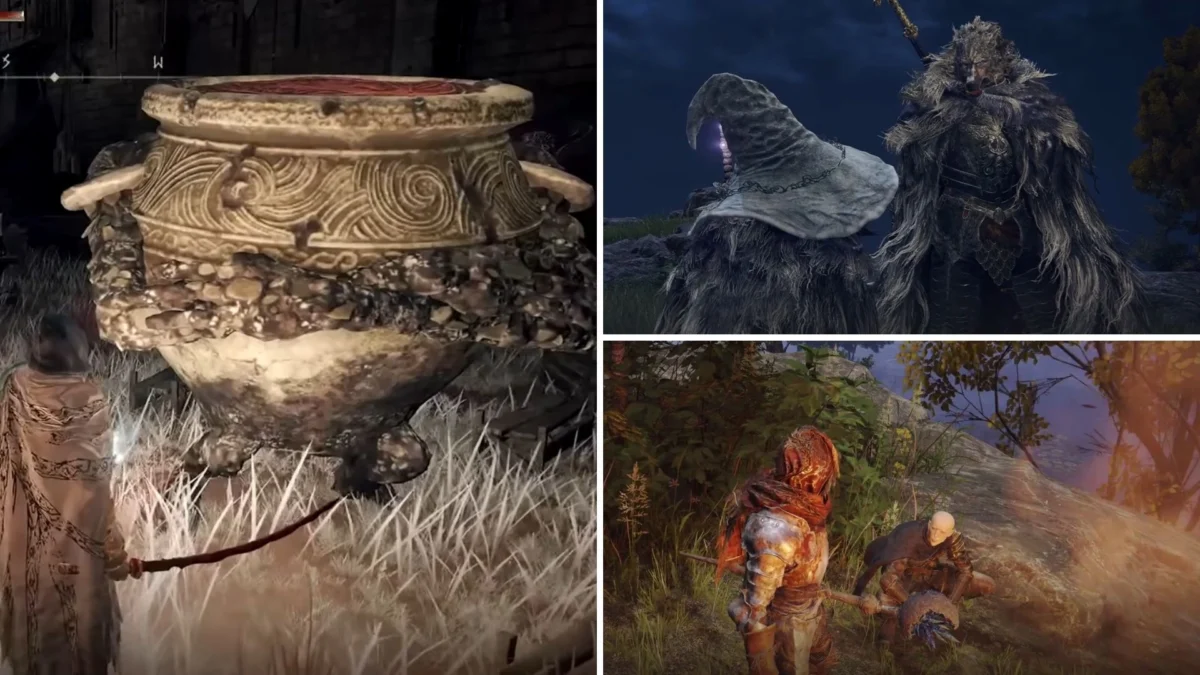
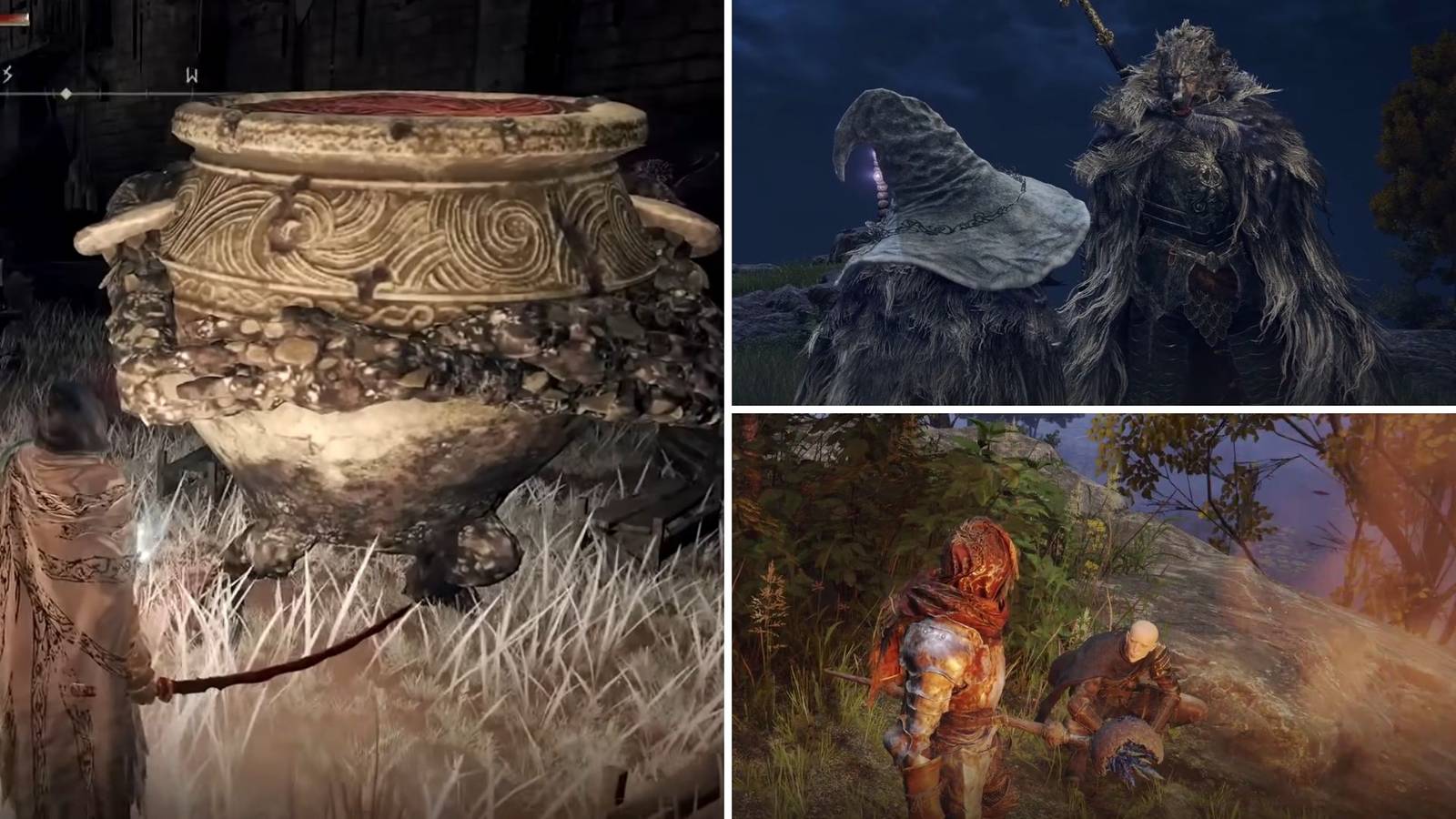
The inclusion of fan favorites like Blaidd and Iron Fist Alexander would offer a much-needed sense of humanity. Blaidd’s loyalty to Ranni and his internal struggle against his own nature provide a compelling secondary arc. Meanwhile, Alexander’s journey—from a simple jar stuck in the earth to a warrior seeking glory—mirrors the Tarnished’s own path, making him the perfect mirror for the protagonist’s growth.
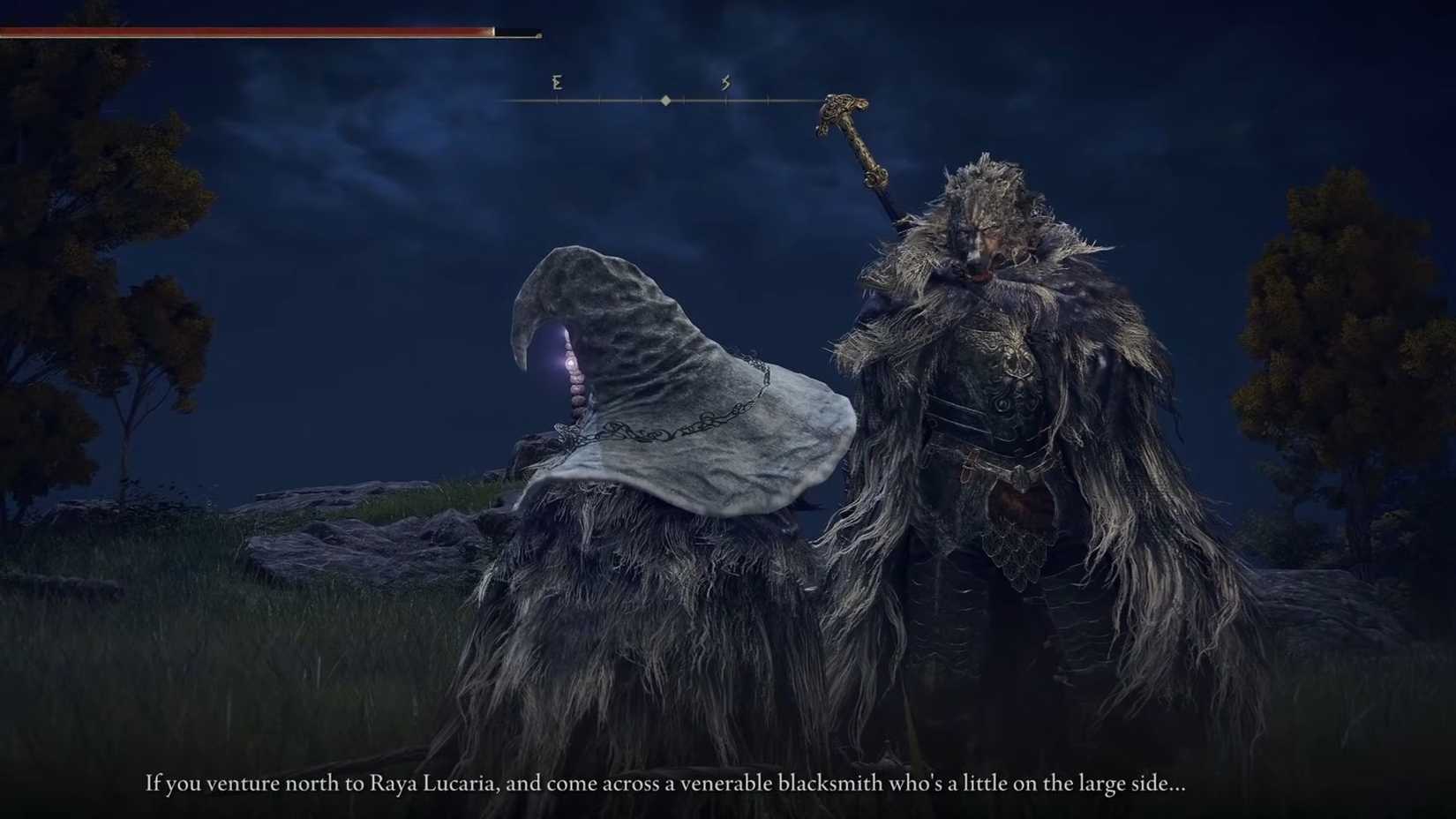
The Agents of Chaos: Patches, Varré, and Hyetta
A Souls film would feel incomplete without the cynical presence of Patches. His tendency to manipulate the protagonist adds a layer of dark humor and unpredictability that is vital to the FromSoftware identity. Similarly, White Mask Varré acts as the seductive, dark mirror to Melina, pulling the protagonist toward the blood-soaked ambitions of Mohg. Hyetta’s arc, specifically regarding the Three Fingers and the Frenzied Flame, offers a chilling alternative path that could serve as a major plot twist, threatening to derail the protagonist’s quest for restoration.
Official Responses and Industry Implications
While studio executives have kept official plot synopses under lock and key, the involvement of high-caliber talent like Ben Whishaw (often rumored for roles like Blaidd) and Nick Offerman (frequently fan-cast as Alexander) speaks to the level of seriousness being applied to this project.
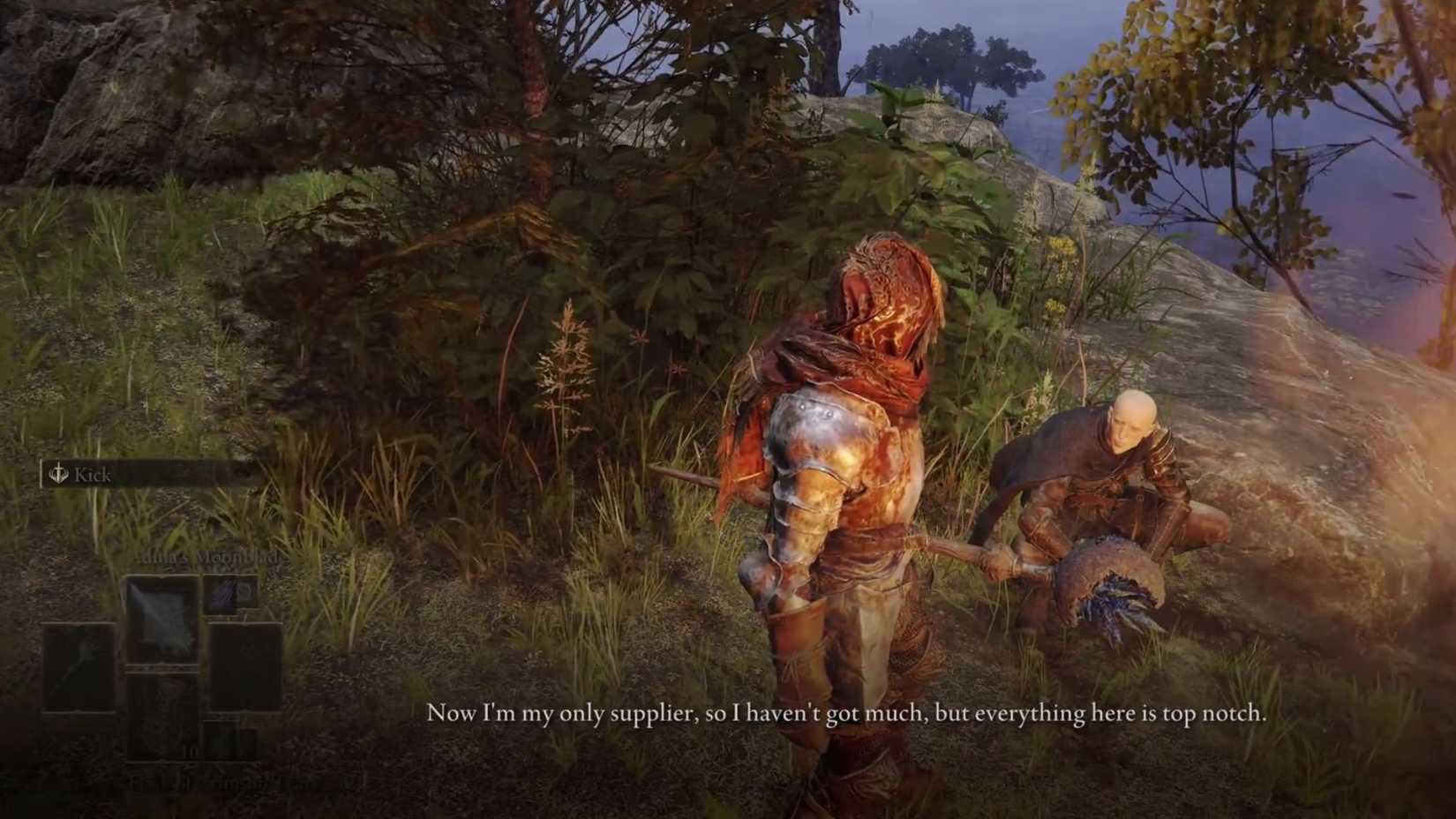
The industry implications are profound. If a Souls adaptation succeeds, it signals that audiences are ready for "hard" fantasy—narratives that do not hold the viewer’s hand, that embrace ambiguity, and that prioritize environmental storytelling over traditional exposition. This project has the potential to redefine the video-game-to-film pipeline, shifting the focus from mere "content delivery" to the adaptation of artistic, atmospheric visions.
Thematic Implications: Chaos vs. Order
The core conflict of the Elden Ring narrative is the tension between the Golden Order and the encroaching chaos of the Frenzied Flame. A film adaptation must navigate this carefully. If the movie chooses to lean into the more nihilistic endings of the game, it risks alienating casual audiences. However, if it leans too far into a "hero’s journey" structure, it risks losing the haunting, bittersweet atmosphere that makes Elden Ring unique.
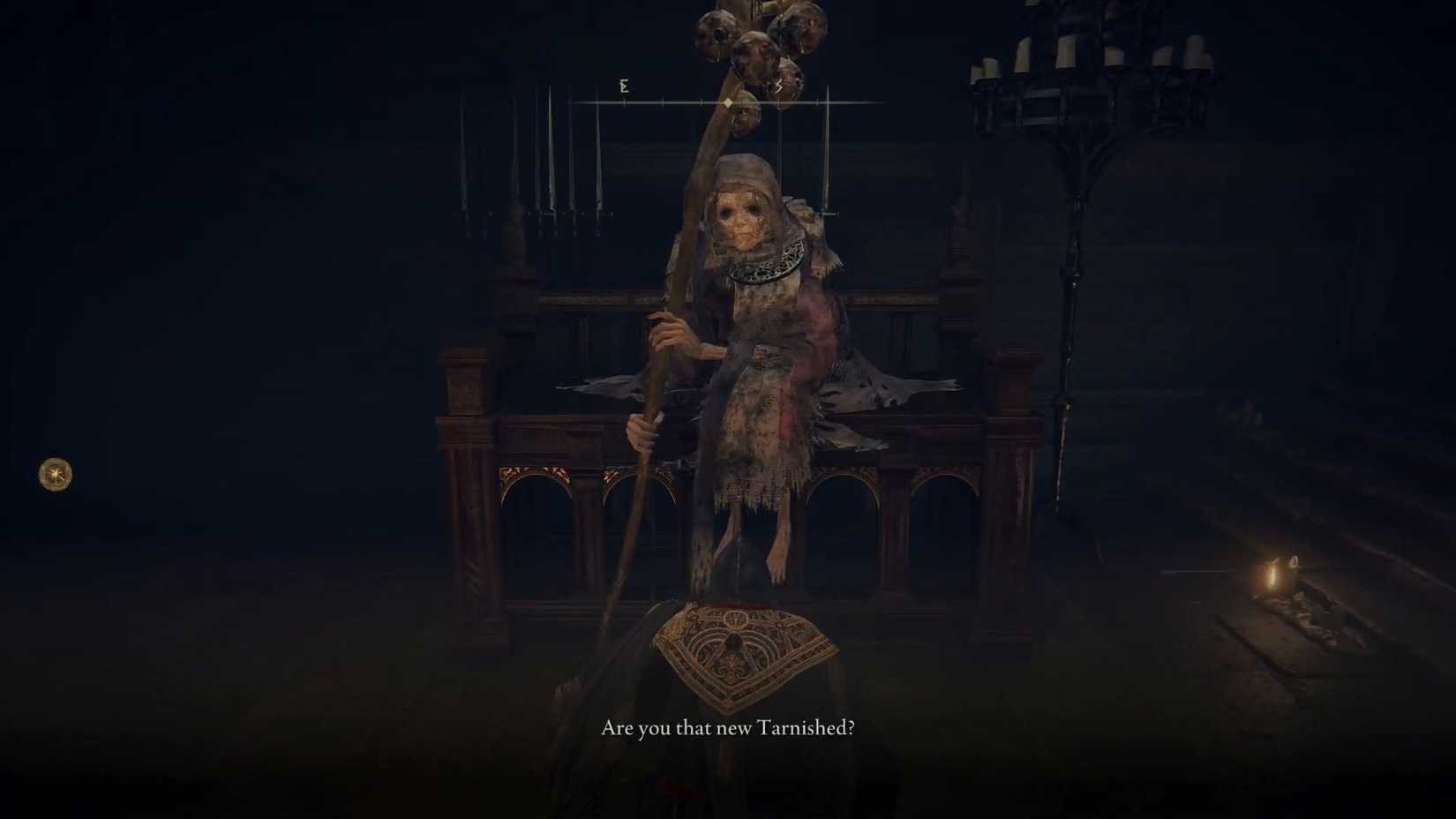
The inclusion of characters like Hyetta, who acts as a herald for the Three Fingers, suggests that the film may indeed grapple with these darker themes. The decision to include or exclude the "Frenzied Flame" path will likely be the most debated element of the script. It represents a fundamental divergence in the story’s outcome: one path seeks to mend the world, while the other seeks to burn it down.
Conclusion: A High-Stakes Venture
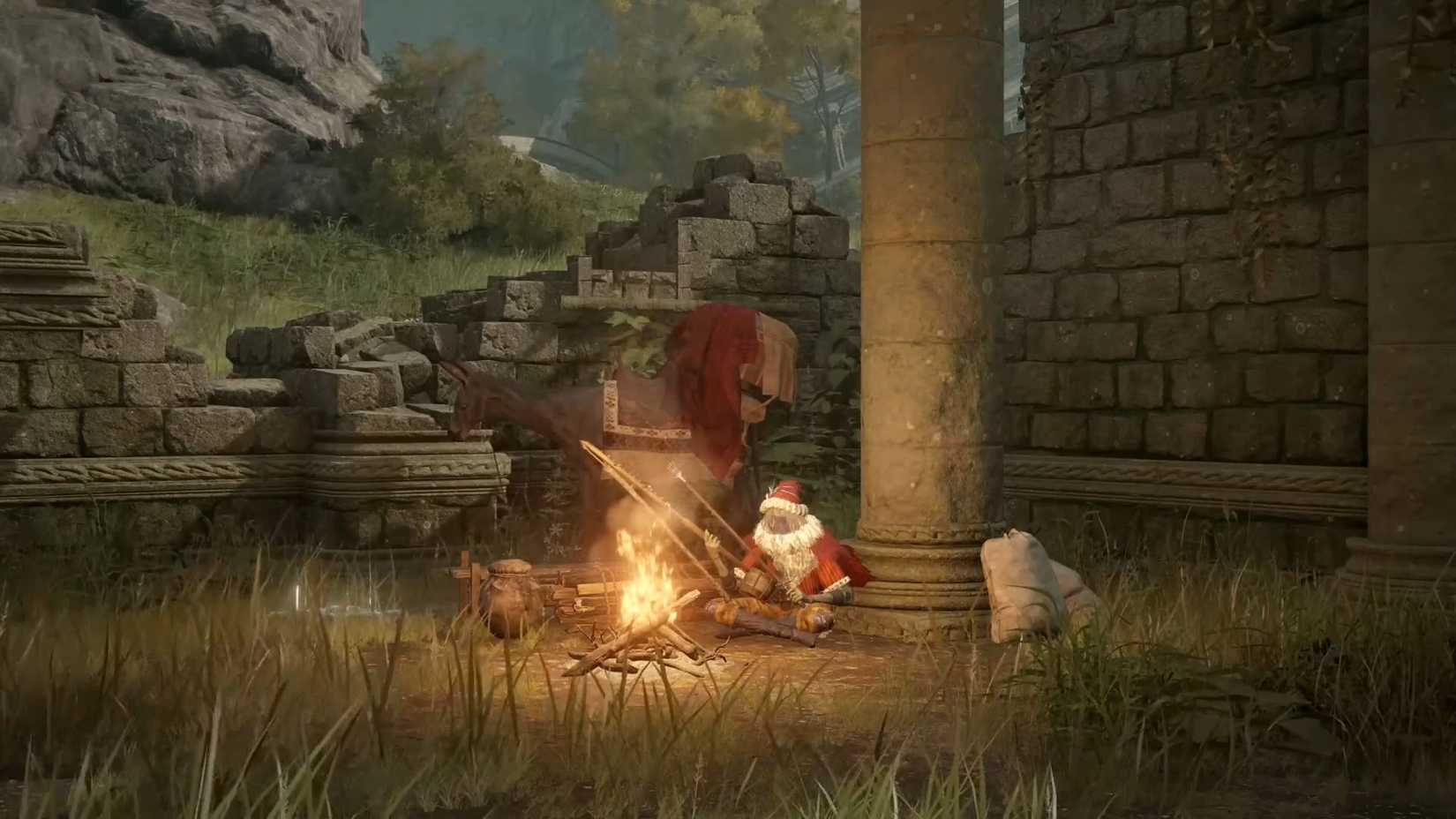
The road to the Elden Throne is paved with complex characters and even more complex lore. By carefully selecting which NPCs to feature—from the humble, fire-tending Merchant Kalé to the all-knowing Gideon Ofnir—the production team has the chance to weave a tapestry that is as rich as the game itself.

The Elden Ring movie is more than just a box-office play; it is an attempt to capture the intangible magic of a medium that usually relies on player agency. If the production can successfully balance the grand, epic scale of the demigods with the intimate, often heart-wrenching stories of the individuals struggling to survive in the shadow of the Erdtree, it will undoubtedly cement itself as a landmark achievement in modern fantasy cinema. The world is watching, the grace is beckoning, and the stage is set for a transformation that will, for better or worse, change the way we look at The Lands Between.











No comments yet. Be the first to join the conversation!