In the harsh, unforgiving landscapes of Sand: Raiders of Sophie, survival is predicated on your ability to scavenge effectively. While the open world is teeming with minor loot opportunities, the true treasures are hidden behind the reinforced walls of the game’s Forts. For players attempting to climb the economic ladder in this brutal extraction shooter, Forts represent the most consistent path toward high-tier equipment and significant wealth. However, as many players have discovered, these structures are far more than mere loot chests; they are tactical puzzles that require patience, combat awareness, and a clear understanding of the game’s mechanics.
Understanding the Forts: More Than Just Loot
In Sand: Raiders of Sophie, Forts serve a dual purpose. They function as high-value extraction zones where the risk-to-reward ratio is significantly elevated compared to standard map exploration. Much like the high-security key rooms seen in Arc Raiders, Forts are locked installations that contain premium gear, but gaining access requires navigating a gauntlet of environmental hazards and hostile AI.

Furthermore, Forts host the game’s contract system. This allows players to offload their inventory clutter for a substantial payout in Silver. While they may appear daunting at first glance, understanding how to systematically "empty" a Fort is essential for any serious player. This guide aims to demystify the process, ensuring you can maximize your stash without falling victim to the environmental defenses or rival scavengers lurking in the dunes.
The Chronology of a Fort Raid
A successful run on a Fort follows a specific, repeatable flow. If you approach these locations without a plan, you are likely to be overwhelmed by respawning enemies or trapped by the environment.

Phase 1: The Approach and Infiltration
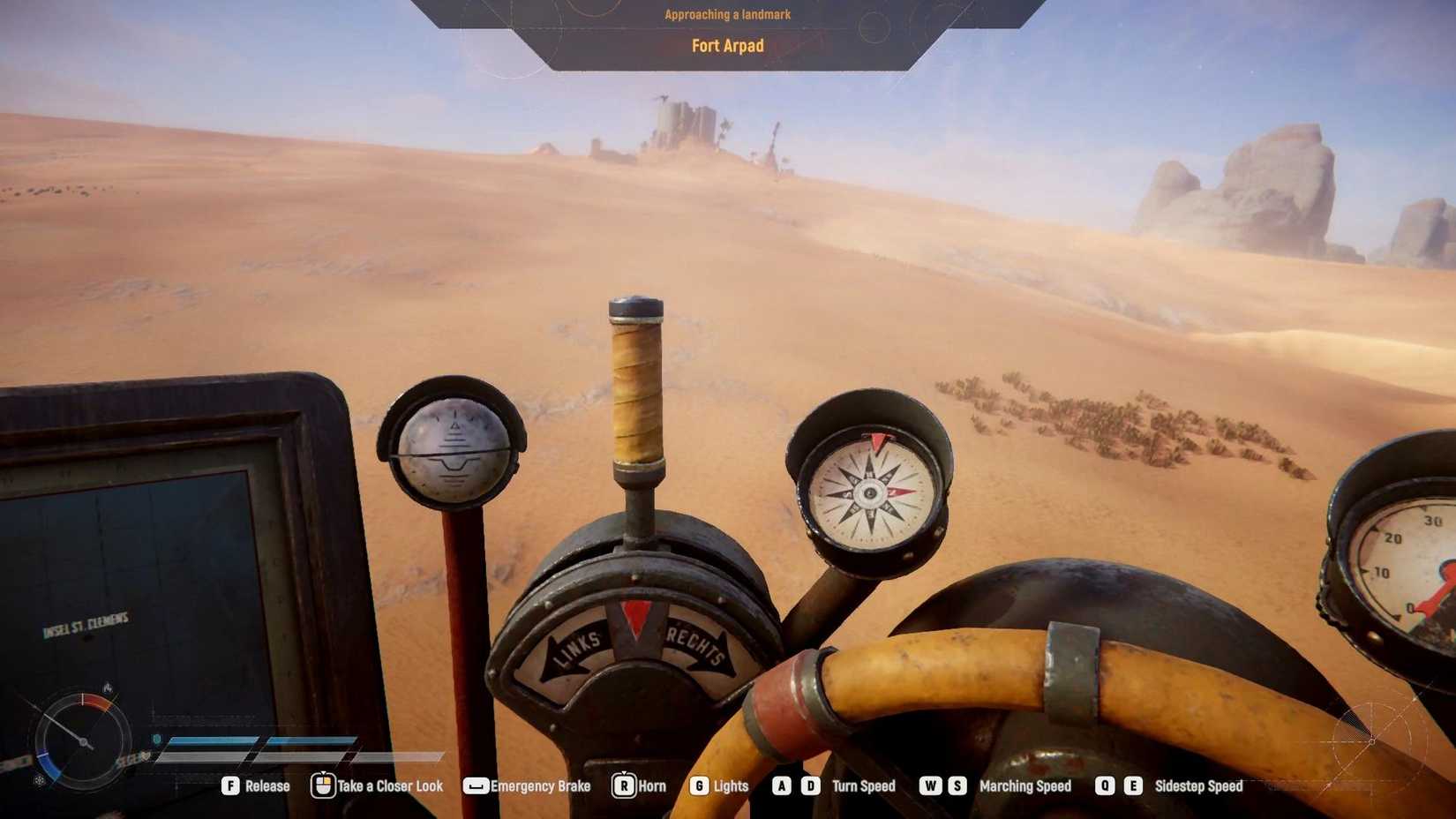
The journey to a Fort is rarely safe. Many of these locations are surrounded by explosive hazards, and some are equipped with static cannon emplacements. Before committing, observe the exterior from a distance. Use your binoculars to identify enemy patrol patterns.
Once you are ready to engage, the primary goal is entry without damaging your Trampler—your vital mobile base. Do not rush the front gate; instead, look for weaknesses in the perimeter. You will typically need to utilize a time bomb or an explosive barrel to breach the main doors. Be warned: the moment you breach the defenses, enemies will swarm the exterior. You must clear this initial wave efficiently to stop the spawn rate, which will allow you to enter the structure and begin the true looting process.

Phase 2: Unlocking the Storage Room
Once the exterior is secured, the interior of the Fort presents a new set of challenges. Most Forts contain a locked storage room, which holds the most lucrative loot. To open this, you must locate the "Fort Key." Unlike mission-critical items, these keys are procedurally placed within the Fort, usually on the highest accessible level. Keep an eye on barrels, crates, and shelves.
Once the key is in your inventory, head to the storage door. A critical piece of advice: ensure your hands are empty. The game will not allow you to interact with the locking mechanism if you are holding a crate or other loot. Once the door is unlocked, you will gain access to high-tier crates, typically of "Green" quality or better.
Phase 3: Fulfilling the Contract
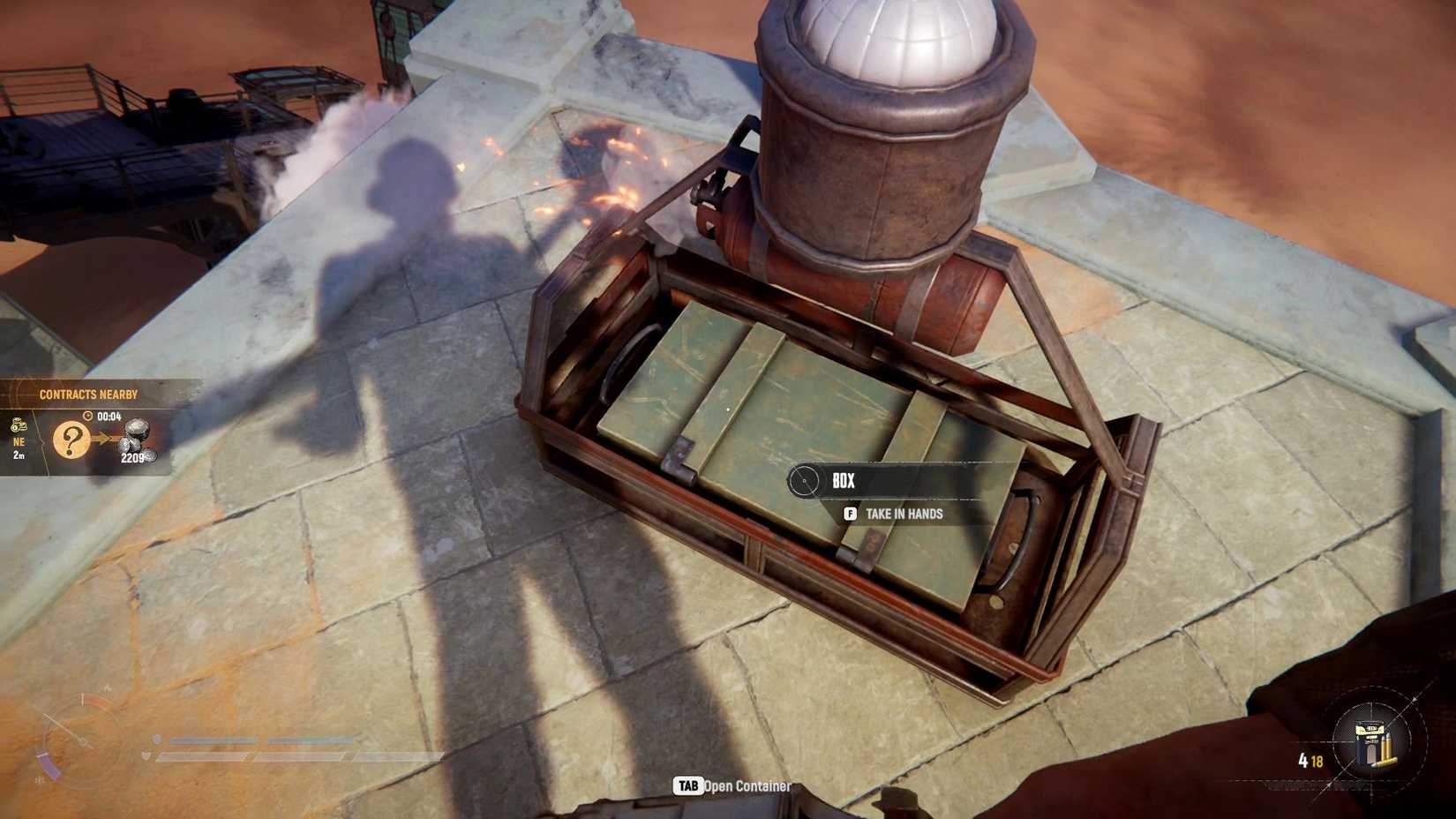
The final phase involves the contract system. Found on the upper levels of the Fort, these are small metal baskets designed to transport goods. If you have collected excess materials that you wish to convert into currency, place them into the basket. Once initiated, the transport process takes one full minute. During this time, you are vulnerable, so use the interval to scout the surrounding area or clear any stragglers. Once the minute passes, the payment in Silver will appear in the same basket. Note that these contracts operate on a cooldown, so choose your items wisely.
Supporting Data: Economic Impact and Reward Scaling
Why risk a Fort raid? The answer lies in the economy. While loot drops are randomized, the consistency of the rewards found within a secured storage room is significantly higher than that of standard world loot.

- Storage Room Yields: Typically, players can expect a minimum of three to five crates per successful vault opening. These crates have a higher probability of containing rare crafting components required for late-game Trampler upgrades.
- Contract Payouts: Even when selling "junk" or low-tier materials, a single successful contract completion can net upwards of 1,000 Silver. By prioritizing high-value materials, players can double or triple this income.
- Risk Mitigation: The primary cost of a Fort raid is ammunition and time. With proper positioning, a player can clear a Fort using minimal resources, making the 1,000+ Silver payout a highly efficient return on investment.
Official Perspectives and Developer Intent
Since the release of Sand: Raiders of Sophie on June 22, 2026, developers Hologryph and TowerHaus have emphasized that they wanted the world to feel "alive and reactive." In various community updates, the development team has noted that Forts were designed specifically to create "friction points" on the map.
The inclusion of the one-minute cooldown on the contract basket is a deliberate design choice meant to force players to make a decision: do you wait for the payout and risk being spotted by a rival squad, or do you leave early to ensure your survival? By turning these locations into "bottlenecks," the developers have successfully ensured that the most rewarding areas of the game are also the most dangerous, encouraging the tactical, often high-stress gameplay that defines the extraction shooter genre.

Strategic Implications: Surviving the Competition
The greatest threat in any Fort is not the AI, but other players. Because Forts are clearly marked on the map and offer high-value rewards, they are prime locations for ambushes.
- The Extraction Trap: Many players choose to camp the perimeter of a Fort, waiting for a squad to emerge from the storage room or finish their contract. Always assume you are being watched.
- Sound Discipline: The act of blowing open the doors with explosives is a massive signal to nearby players. If you are going to breach, do so quickly and have your squad ready to transition into a defensive posture immediately.
- The "Loot-and-Scoot" Method: If you are playing solo, do not attempt to clear the entire Fort if you feel overwhelmed. Secure the storage room, grab the high-value items, and move to your extraction point. The contract system is optional; if the area feels "hot," prioritize your survival over the potential Silver payout.
Conclusion: Mastering the Sand
Sand: Raiders of Sophie is a game of calculated risks. The Forts act as the heartbeat of the game’s economy, providing both the gear necessary to survive the desert and the currency required to maintain your Trampler. By mastering the sequence of breaching, looting, and completing contracts, you can effectively turn these dangerous landmarks into your personal source of income.
While the game is admittedly punishing, the rewards are well worth the effort. Whether you are a solo scavenger or part of a coordinated team, understanding the mechanics outlined in this guide will give you a significant edge over the competition. Keep your eyes on the horizon, watch your corners, and remember: in the wastes, the person who controls the Fort controls the game.