Rifan Muazin
By Callum Mercer, Senior Editor
Updated: May 5, 2026
In a move that marks a definitive turning point for the intersection of traditional sports and digital competition, the International Olympic Committee (IOC) has reportedly suspended the operations of its dedicated Esports Commission. This decision represents a significant, if not entirely unexpected, rollback of the Olympic body’s ambitious—and often contentious—endeavors to integrate competitive gaming into the global sporting canon.
For years, the IOC has sought to build an "Olympic-branded" route to esports legitimacy, attempting to bridge the gap between Lausanne’s century-old institutional structures and the rapidly evolving, publisher-driven world of modern gaming. By hitting the pause button, the IOC has effectively conceded that its current model of "Olympic-lite" esports has failed to capture the cultural momentum of the industry. This vacuum now leaves a wide-open field for publishers, international federations, and rival event organizers to redefine what professional gaming looks like on the world stage.
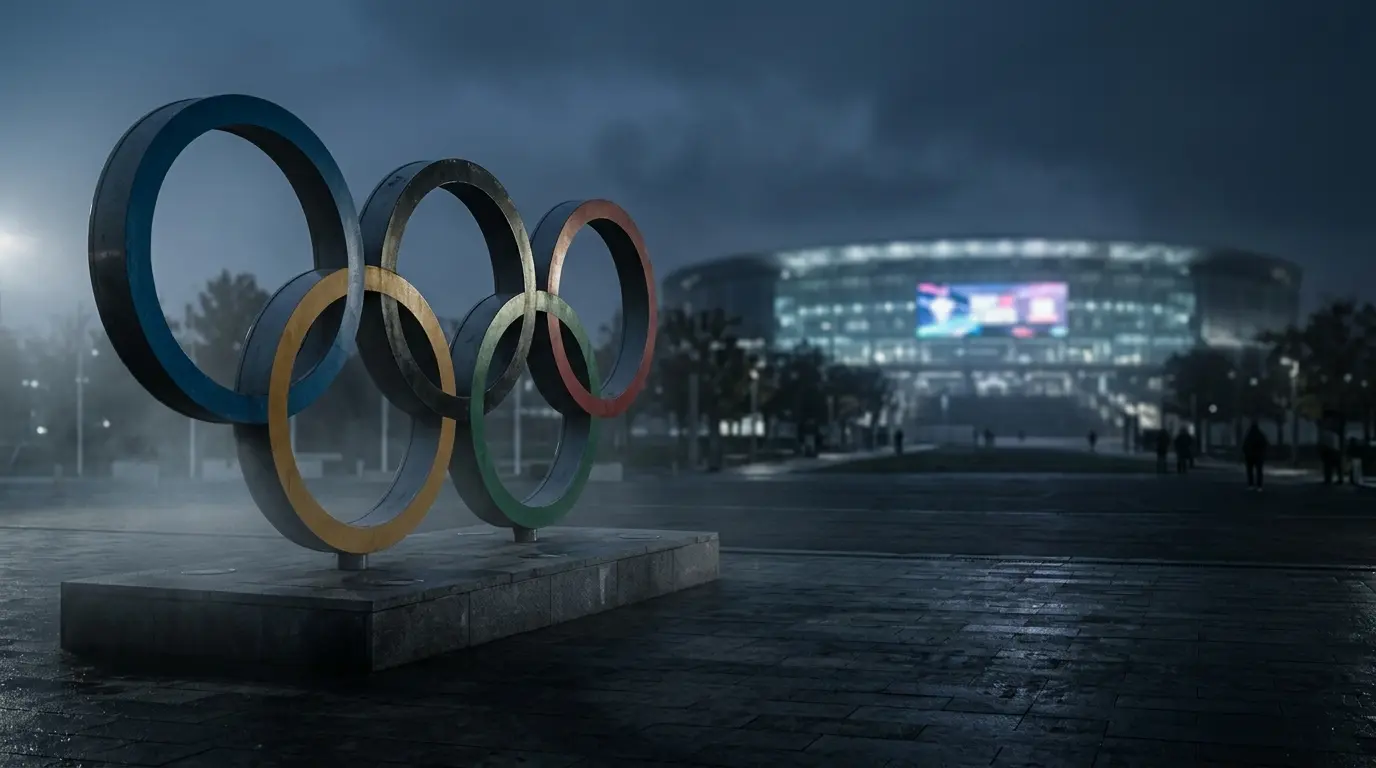
The Anatomy of the Suspension: A Shift in Strategy
According to reports originating from Kyodo and verified by the Ministry of Sport, the IOC has moved to place the Esports Commission’s activities into a state of indefinite suspension under the leadership of President Kirsty Coventry.
The decision arrives amidst a wider internal strategic review. While the IOC has not issued a formal press release announcing the total dissolution of the body, internal sources suggest the commission’s work has effectively "come to a close." The rhetoric emerging from the IOC, specifically attributed to President Coventry, points toward a "more integrated approach." However, this terminology remains vague, leaving stakeholders in the dark regarding whether this is a temporary tactical retreat or a permanent abandonment of the Olympic movement’s aspirations to govern esports.
The suspension raises critical questions: Who remains in the decision-making loop? Is the current "pause" merely a precursor to a complete rebranding of the project, or is the IOC finally acknowledging the fundamental incompatibility between its governance structure and the realities of digital IP ownership?

Chronology of an Olympic Struggle
The relationship between the IOC and esports has been characterized by a long, often awkward courtship. To understand the current suspension, one must look at the timeline of the IOC’s attempts to force a square peg into a round hole:
- 2017-2018: The Initial Overtures: The IOC begins high-level discussions regarding esports, initially focusing on the potential for inclusion in the Olympic movement, though immediate skepticism is voiced regarding violent titles.
- 2021: The Olympic Virtual Series (OVS): The IOC launches its first foray into digital sport, focusing almost exclusively on "physical" simulation games (e.g., cycling, rowing, baseball). The reaction from the core esports community is lukewarm, with critics noting the lack of major titles like League of Legends or Counter-Strike.
- 2023: The Olympic Esports Series (OES): An evolution of the OVS, the OES was presented as a major step forward. However, it continued to rely on titles that, while "Olympic-friendly," failed to capture the massive, engaged audiences that define the global esports market.
- 2025: Heightened Commission Activity: Under the direction of the commission, the IOC attempted to deepen ties with major publishers, but friction remained regarding the IOC’s desire for strict content control and brand-safety standards.
- May 2026: The Strategic Halt: Following a period of silence and internal review, the IOC suspends the Commission, marking the end of the current "Olympic Esports" era.
The Core Conflict: Governance vs. Digital Reality
The fundamental issue plaguing the IOC’s esports venture was never technical; it was structural. The Olympic model is built on state-sponsored national federations, amateurism, and a set of universal rules applied to objective sports (like running or swimming).
Esports, by contrast, is built on the foundation of intellectual property. A game like League of Legends is owned by Riot Games; Counter-Strike is the property of Valve. These companies dictate the rules, the commercial rights, and the professional landscape of their respective titles. The IOC’s demand for institutional control and "clean" content naturally conflicted with the aggressive, high-stakes, and often chaotic nature of top-tier esports.
Furthermore, the IOC’s "brand-safe" requirement effectively excluded the most popular titles in the world. Titles with any level of combat—such as Counter-Strike—were deemed incompatible with the Olympic Charter, alienating the very demographic the IOC was desperate to attract. While the Asian Games proved that esports can coexist within a multi-sport framework, the IOC’s rigid adherence to its own "Olympic values" created a product that felt manufactured rather than authentic.
Implications: A New Lane for Global Legitimacy
The suspension of the IOC’s commission is a massive signal to the broader industry: the "top-down" approach to esports legitimacy is currently in decline. With the IOC retreating, the space is now being contested by more flexible, commercially-minded entities.
1. The Rise of the Global Esports Federation (GEF)
The GEF has taken a markedly different path, focusing on professionalizing event delivery and building international partnerships (such as their recent deal with Trivandi) rather than fighting the cultural battle of what constitutes a "sport." Their success with the Global Esports Games, including the recent finals in Mumbai, suggests that the market favors event-centric, publisher-supported models over bureaucratic oversight.
2. The Multi-Sport Integration Model
As seen in the Asian Games, there is a viable path for esports to operate as a guest event within larger regional sporting structures. This allows for national representation without requiring the publishers to sacrifice their own internal competitive ecosystems.
3. The Independent Ecosystem
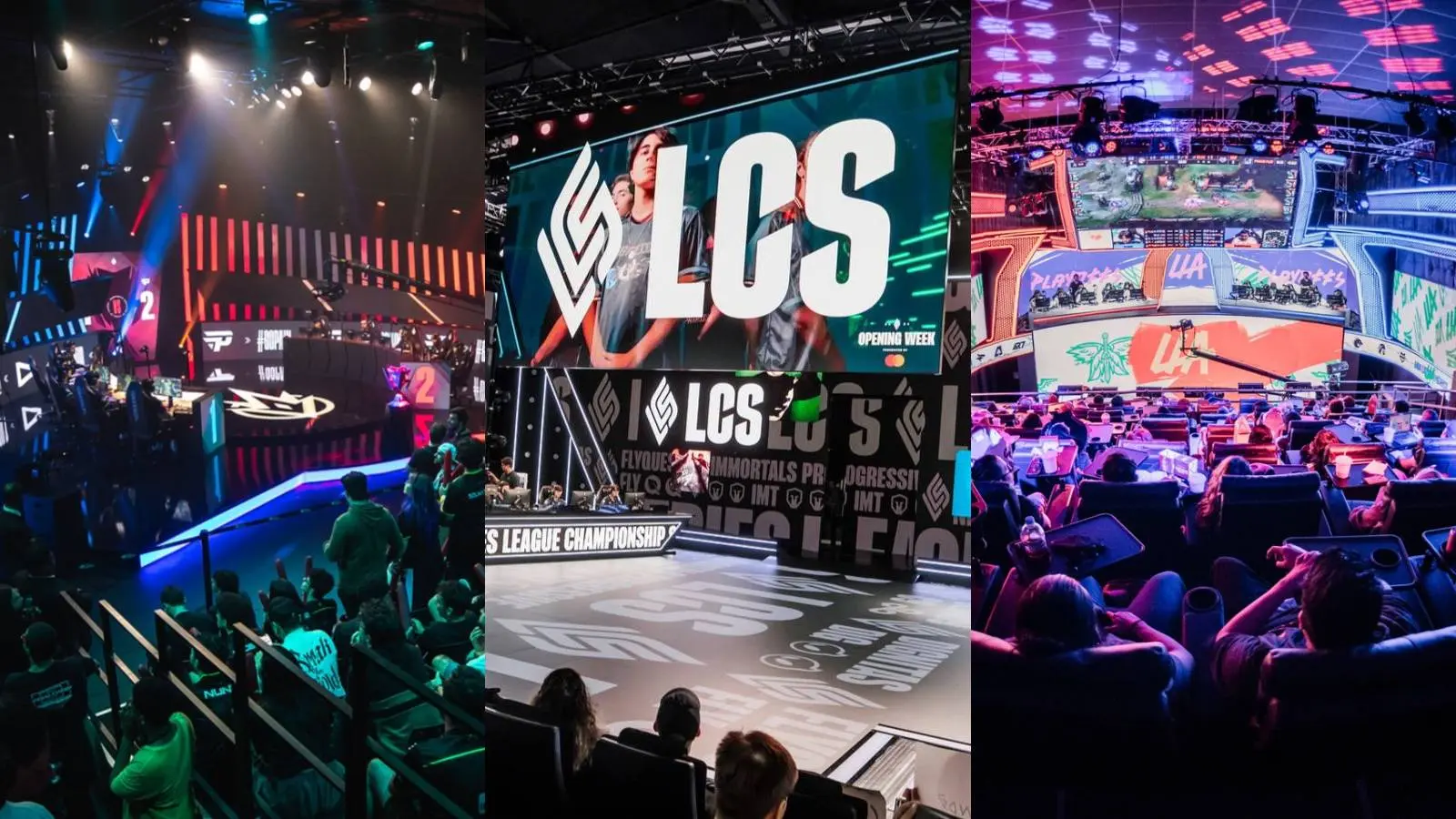
The "wait-and-see" approach of the IOC has backfired. While Lausanne has been conducting its internal reviews, the global esports economy has continued to grow independently. From the VCT (Valorant Champions Tour) to the major Counter-Strike circuits, the audience has shown little interest in waiting for the IOC to validate their hobby.
Looking Ahead: The Mumbai Session
All eyes now turn to the IOC Session in Mumbai this July. This meeting will be the definitive checkpoint for the future of the movement. President Kirsty Coventry faces a stark choice: present a radically revised, decentralized, and publisher-friendly framework, or admit that the "Olympic Esports" project has been overtaken by history.

If the IOC chooses to remain in its current state of limbo, it risks becoming an irrelevant footnote in the history of competitive gaming. The audience is not looking for a sanitized, Olympic-approved version of their favorite games; they are looking for high-level, authentic, and commercially viable competition.
For the publishers and organizations currently driving the industry, the message is clear: the IOC was a potential partner, not a required one. As we move into the second half of 2026, the power in competitive gaming rests firmly with those who understand that in the digital age, legitimacy is earned through engagement, not through the endorsement of an aging, traditionalist institution.
The pause is more than just a suspension of a committee—it is the closing of a chapter that attempted to force a legacy institution into a future it wasn’t ready to lead. Whether the Olympic movement can ever truly find a place in the digital arena remains one of the most compelling questions in the business of sport, but for now, the path forward belongs to those who built the games in the first place.


 Iffa Jayyana
 Azzam Bilal Chamdy