Asep Darmawan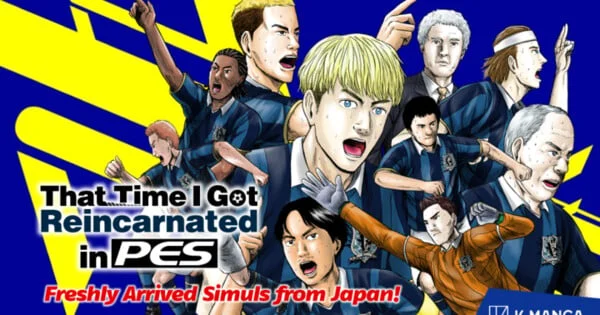
May 8, 2026 – Tokyo, Japan – A surprising new chapter has been penned in the ongoing saga of digital sports entertainment. Konami’s legendary football simulation series, known globally as eFootball and formerly as Pro Evolution Soccer and Winning Eleven in Japan, has officially transitioned from the virtual pitch to the printed page with the launch of a new manga series. Titled That Time I Got Reincarnated in PES (Tensei Shitara Winning Eleven Datta Ken), the manga debuted on April 9th, captivating fans with its unique premise and the distinctive artistic style of its creator.
The unexpected adaptation marks a significant crossover between the worlds of video games and manga, a territory often explored but rarely with such a direct lineage from a major gaming franchise. This initiative is spearheaded by Kodansha, a titan of manga publishing, and its digital platform, Magazine Pocket, alongside the K MANGA service, which is making the series available in English for a global audience.
A Familiar Face, A New Narrative
The manga is the brainchild of acclaimed mangaka Kiminori Wakasugi, a name synonymous with cult classics and offbeat humor. Wakasugi is best known for his wildly successful Detroit Metal City, a manga that garnered international acclaim for its outrageous premise and distinctive visual flair, leading to anime, live-action film, and OVA adaptations. He also penned the popular All Esper Dayo!, which similarly spawned multiple live-action media. This pedigree suggests that That Time I Got Reincarnated in PES is unlikely to be a straightforward sports narrative.
The official synopsis, as provided by Kodansha’s K MANGA service, hints at Wakasugi’s signature unconventional approach: "Kiminori Wakasugi, creator of Detroit Metal City and It’s Time to Go to His Stomach, OK?, takes on a new challenge… as eFootball, the successor to Pro Evolution Soccer, receives a very unexpected manga adaptation!" This cryptic description has ignited fervent speculation among fans about the narrative direction and the potential for comedic, surreal, or even dramatic twists that are characteristic of Wakasugi’s work.
A Chronology of the Pitch and the Page
The journey of That Time I Got Reincarnated in PES from concept to publication is a relatively swift one, underscoring the collaborative effort between Konami, Kodansha, and the creative team.
- April 9, 2026: The inaugural chapter of That Time I Got Reincarnated in PES makes its debut on Kodansha’s Magazine Pocket platform in Japan. This date marks the official launch of the manga, bringing the iconic football game series into the realm of sequential art.
- April 30, 2026: The final chapter of the manga is published on Magazine Pocket. The relatively short run suggests a contained story arc, perhaps designed to generate immediate buzz and gauge reader reception.
- Ongoing: Kodansha’s K MANGA service actively promotes and distributes the complete manga in English, ensuring accessibility for a worldwide audience. This strategic move highlights the global appeal of both the football game series and the manga medium.
This timeline indicates a focused and efficient production cycle, allowing fans to experience the entire narrative arc within a short period. The swift release of the final chapter, mere weeks after its initial publication, suggests a completed story, allowing for immediate binge-reading and discussion within the fan community.
Supporting Data and Creative Lineage
The success and impact of this manga adaptation are intrinsically linked to the legacy of the source material and the creative prowess of its author.
- The eFootball/PES/Winning Eleven Legacy: Konami’s football simulation series boasts a rich history spanning decades. Launched initially as International Superstar Soccer in the 1990s, it evolved into Pro Evolution Soccer in international markets and Winning Eleven in Japan. Renowned for its realistic gameplay, tactical depth, and engaging multiplayer modes, the series has cultivated a dedicated global fanbase. The recent rebranding to eFootball signifies Konami’s continued commitment to the franchise’s evolution in the digital age. The decision to adapt this established gaming IP into manga speaks volumes about its enduring cultural relevance and the potential for cross-media synergy.
- Kiminori Wakasugi’s Artistic Signature: Wakasugi’s reputation precedes him. Detroit Metal City achieved significant mainstream success, earning critical praise for its dark humor and satirical commentary on the music industry. Its adaptation into various media further solidified his status as a creator capable of translating his unique vision across different platforms. Similarly, All Esper Dayo! demonstrated his ability to craft engaging narratives with a touch of the bizarre, resonating with audiences who appreciate unconventional storytelling. His involvement in That Time I Got Reincarnated in PES is a major draw, promising a manga that deviates from typical sports narratives.
- Kodansha’s Strategic Digital Push: The partnership with Kodansha, a leading manga publisher, and its K MANGA service, is crucial. K MANGA’s role in providing English translations is essential for reaching a broader international audience, leveraging the global popularity of both football and manga. This collaboration signifies a strategic move by Konami to tap into new demographics and engage existing fans in an innovative way.
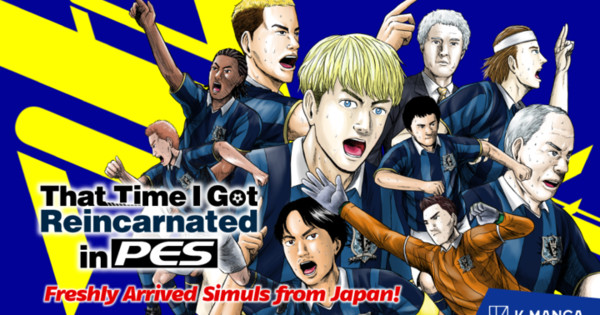
The visual representation of this collaboration is further amplified by the official announcement image, which often features striking artwork hinting at the manga’s aesthetic. The image, shared via K Manga’s X/Twitter account, provides a glimpse into the visual style, fueling anticipation and discussion. The copyright attributions, crediting Kiminori Wakasugi, Konami Digital Entertainment Co., Ltd., and Kodansha, underscore the collaborative nature of this venture and the shared ownership of this new creative endeavor.
Official Responses and Industry Implications
While specific direct quotes from Konami executives or Wakasugi himself regarding the manga’s launch have not been extensively detailed in the initial reporting, the decision to greenlight such a project speaks volumes about the company’s strategic outlook.
Konami, having navigated the evolving landscape of the gaming industry, has demonstrated a willingness to explore diverse avenues for its intellectual properties. The success of anime and manga adaptations of video games is well-documented, and this move aligns with a broader trend of cross-media expansion. By partnering with a reputable publisher like Kodansha and leveraging digital distribution platforms, Konami aims to amplify its brand presence and connect with audiences on multiple fronts.
For Kiminori Wakasugi, this project represents an opportunity to apply his distinctive storytelling talents to a globally recognized brand. His previous successes suggest an ability to inject humor, satire, and compelling character development into any narrative, regardless of its origin. The choice of a football game as source material, with its inherent drama and competition, provides fertile ground for his creative sensibilities.
The implications of this manga adaptation extend beyond the immediate fan base. It signals:
- A New Frontier for Gaming IP: The successful integration of a major sports simulation game into a manga format could pave the way for similar initiatives from other game developers looking to diversify their media presence. It highlights the untapped potential of video game narratives as source material for traditional storytelling mediums.
- Bridging Audiences: This project has the potential to introduce fans of eFootball to the world of manga and, conversely, to attract manga enthusiasts to the gaming franchise. Such cross-pollination can lead to increased engagement and broader appeal for both industries.
- Creative Innovation: The choice of a creator like Wakasugi suggests a desire to move beyond conventional adaptations and explore unique narrative possibilities. This approach can lead to fresh and exciting content that appeals to a discerning audience.
As That Time I Got Reincarnated in PES concludes its initial run, its reception will undoubtedly be closely watched. The success of this venture could set a precedent for future collaborations between the gaming and manga industries, proving that even the most digitally-focused franchises can find compelling new life within the pages of a manga. The final whistle may have blown on the manga’s serialization, but the game between Konami’s iconic football series and the world of manga has just begun.


 Muslim
 Laily UPN