

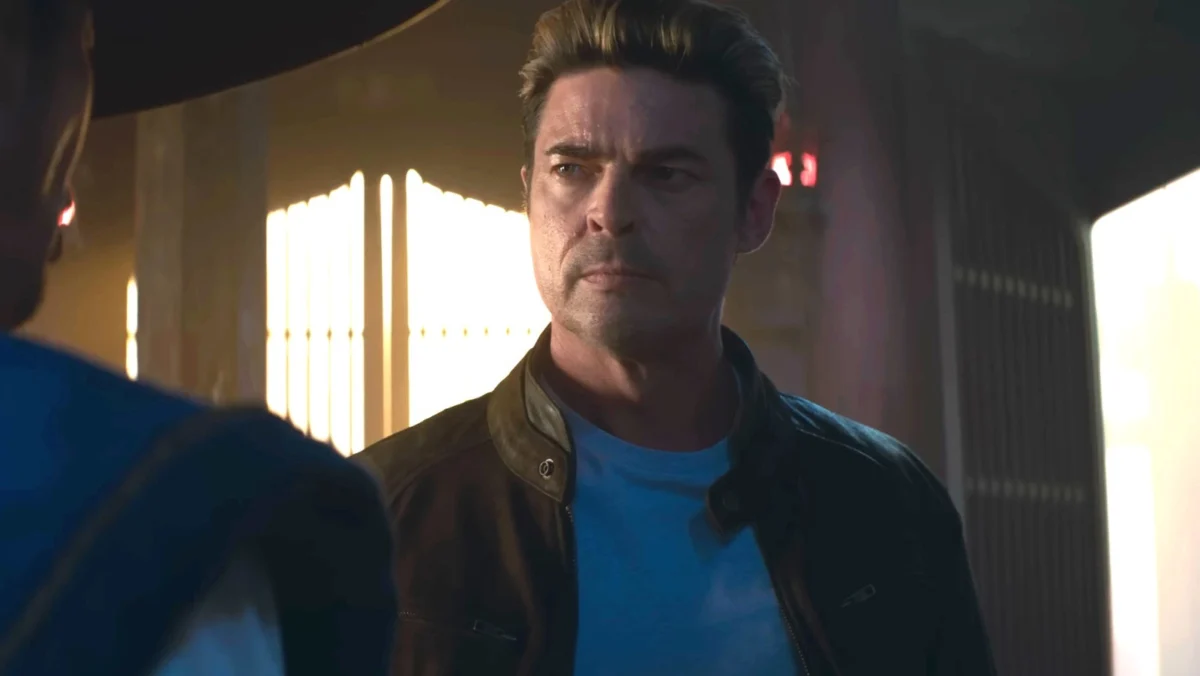
In the sprawling, interconnected landscape of modern Hollywood blockbusters, cross-franchise references have become a staple of fan engagement. Yet, few moments resonate with the same level of self-aware, meta-textual irony as the Lord of the Rings Easter egg found in the highly anticipated Mortal Kombat 2. When Karl Urban, playing the cynical, washed-up action star Johnny Cage, cracks a joke about the "One Ring to rule them all," he isn’t just quoting a classic fantasy epic—he is participating in a rare moment of cinematic synchronicity that bridges the gap between the gritty world of the Netherrealm and the high-fantasy legacy of J.R.R. Tolkien.
The Intersection of Iconic Franchises
Karl Urban is a veteran of the franchise machine. Over the past two decades, his filmography has served as a roadmap for modern pop culture fandom. From his portrayal of Dr. Leonard "Bones" McCoy in J.J. Abrams’ Star Trek reboot to his turn as the rugged Skurge in Marvel’s Thor: Ragnarok, and his career-defining performance as the titular lawman in the cult classic Dredd, Urban has cultivated a reputation as an actor who understands the weight of iconic roles.
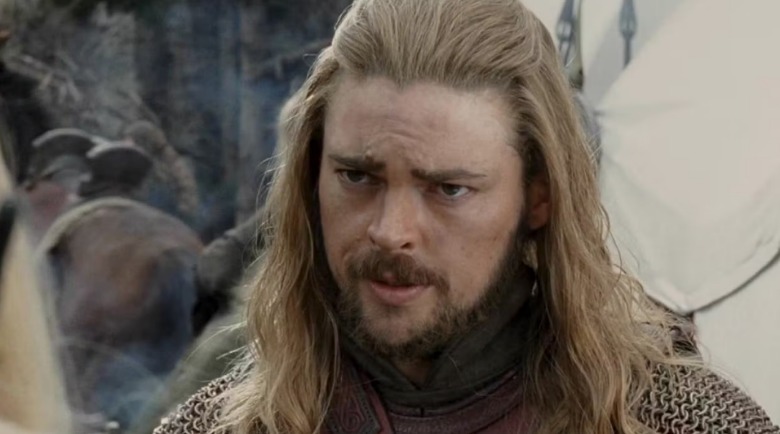
However, for a generation of fantasy enthusiasts, Urban will forever be associated with the armor and steely gaze of Éomer, the Third Marshal of the Riddermark in Peter Jackson’s The Lord of the Rings trilogy. First appearing in The Two Towers and carrying his narrative arc through to The Return of the King, Urban’s portrayal of the noble warrior helped define the aesthetic of the Riders of Rohan.
When Urban was cast as the sarcastic, Hollywood-obsessed Johnny Cage in Mortal Kombat 2, the casting was met with both excitement and intrigue. Cage, a character defined by his vanity and his status as an outsider to the supernatural conflict of the Mortal Kombat tournament, acts as a vessel for the audience’s own disbelief. His role in the sequel is not that of the chosen savior, but of a reluctant participant—a "Tony Stark-esque" figure forced to contend with magic, monsters, and the very real possibility of Earth’s annihilation.
The Chronology of a Meta-Joke
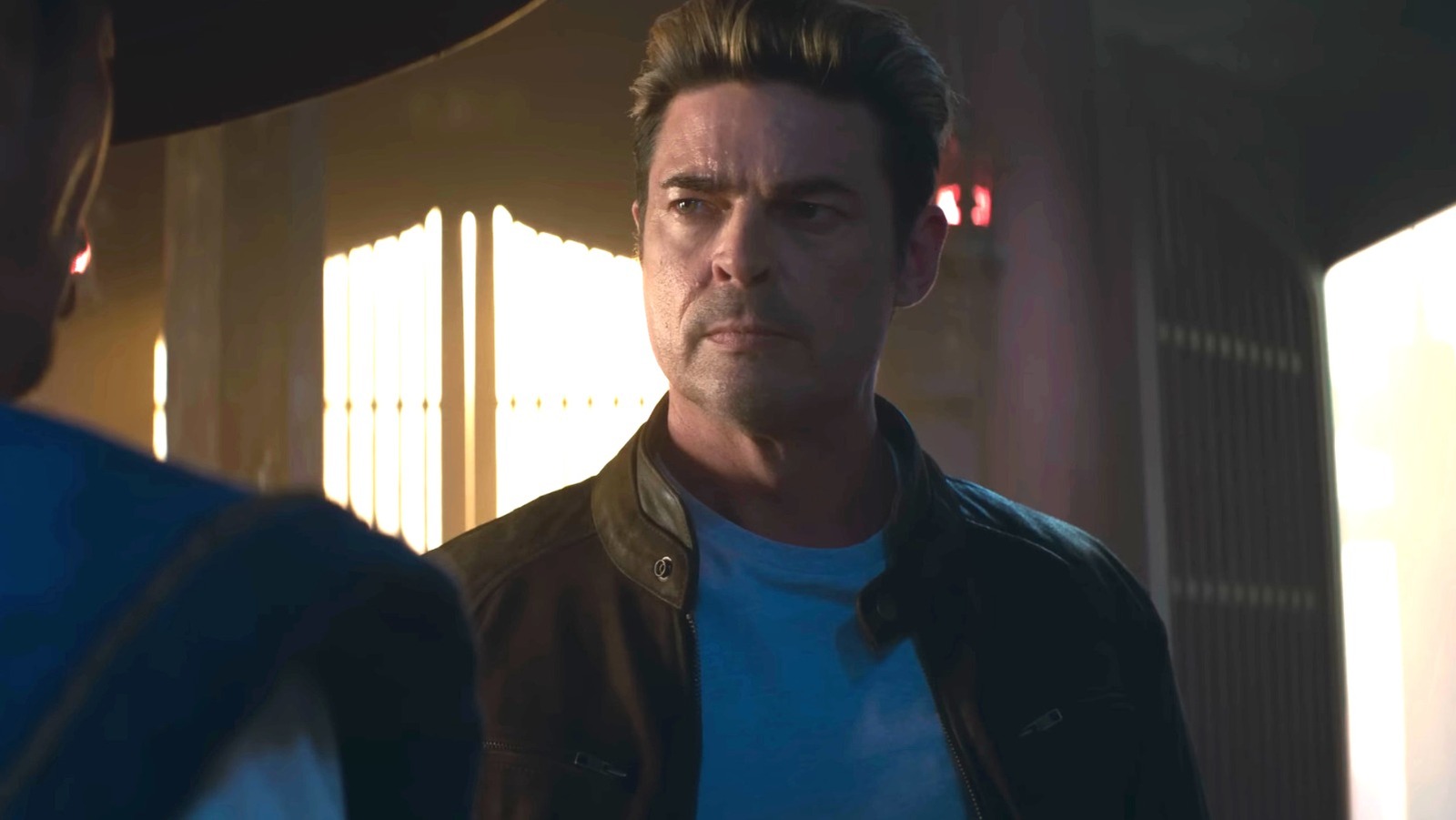
To understand the weight of the Lord of the Rings reference, one must look at the narrative progression within Mortal Kombat 2. The film introduces a new MacGuffin: an ancient, powerful amulet that grants Emperor Shao Kahn (played by the imposing Martyn Ford) immortality, rendering him virtually invincible in the traditional tournament structure.
The plot reaches a fever pitch when Earthrealm’s defenders realize that defeating Shao Kahn is an impossibility so long as the amulet remains intact. Johnny Cage, initially dismissive of the mystical stakes, finds himself forced into an alliance of necessity. His mission takes him to the deepest, most treacherous corners of the Netherrealm—a hellish dimension that mirrors the darkness of Mordor in both its aesthetic and its atmospheric dread.
Teaming up with the volatile mercenary Kano (Josh Lawson) and the spectral warrior Hanzo Hasashi, better known as Scorpion (Hiroyuki Sanada), Cage encounters the shadow warrior Noob Saibot. After a grueling confrontation, they secure the artifact. In a moment of classic, high-stakes comedy, Kano demands that Cage destroy the object. When Cage finds himself stumped by the arcane nature of the amulet, he sarcastically inspects it for "instructions."
"Oh, here it is," he quips, channeling his best dramatic flare. "’One ring to rule them all, one ring to find them…’"
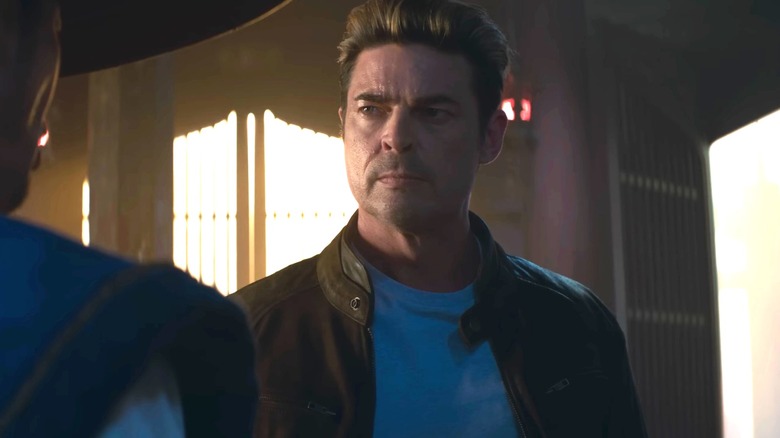
The line is a direct nod to the iconic inscription on the One Ring, the very object that Frodo Baggins traversed Middle-earth to destroy. For the audience, the joke lands on two levels: it is a sharp, funny piece of dialogue for a character who loves to hear himself speak, and it is a wink at the actor’s own illustrious past.
Supporting Data: Why This Works
The effectiveness of this Easter egg lies in its "Perfect Sense" logic. In Hollywood, references are often forced, serving as corporate synergy that disrupts the suspension of disbelief. Here, the reference works because it is entirely consistent with the character of Johnny Cage.
- Character Voice: Johnny Cage is a Hollywood actor. He is intimately familiar with the most famous films of the 20th and 21st centuries. Quoting Tolkien is exactly the kind of pretentious, snarky behavior one would expect from a B-list star trying to cope with the trauma of fighting interdimensional demons.
- Warner Bros. Synergy: Both the Mortal Kombat franchise and the Lord of the Rings intellectual properties fall under the expansive umbrella of Warner Bros. Discovery. This allows for the kind of fluid, authorized cross-pollination that studios rarely achieve without feeling like a commercial.
- The Actor’s Legacy: By having Karl Urban—the man who once wielded a sword in the plains of Rohan—make the joke, the film creates a "fourth-wall-adjacent" experience. It acknowledges the audience’s knowledge of the actor’s history without explicitly breaking the reality of the Mortal Kombat universe.
Official Responses and Studio Strategy
While Warner Bros. has remained relatively quiet regarding the specifics of the Mortal Kombat 2 script, the inclusion of such a prominent reference suggests a broader strategy. The studio is currently invested in revitalizing the Lord of the Rings brand, most notably through upcoming projects like The Hunt for Gollum, which will see Andy Serkis return to the world of Middle-earth.
By weaving these threads together, Warner Bros. keeps the Lord of the Rings brand present in the cultural conversation even within unrelated genres. Whether this is a hint at a potential return for Urban’s Éomer—perhaps in a flashback or a future expanded project—remains a subject of intense speculation. When asked about returning to Middle-earth, Urban has maintained a diplomatic stance, often citing his love for the project while focusing on his current commitments, such as the final season of Prime Video’s The Boys.
The Implications for Future Franchise Filmmaking
The Mortal Kombat 2 reference serves as a case study for how modern franchises can evolve. As audiences become more media-literate, they demand more than just mindless action; they want intellectual engagement. The "meta-joke" is a tool that rewards attentive viewers. It turns the viewing experience into a scavenger hunt, where the actor’s history becomes part of the texture of the performance.
Furthermore, this moment highlights the changing nature of the "Action Hero." In the 1990s, the original Mortal Kombat film relied on straightforward martial arts tropes. In the modern iteration, the inclusion of a self-aware, pop-culture-obsessed Johnny Cage indicates that the filmmakers understand that the audience is watching from a place of nostalgia. We are no longer just watching fighters; we are watching a curated collection of tropes, references, and archetypes that define our modern mythologies.
Conclusion: Don’t Trust to Hope
As Mortal Kombat 2 continues to be dissected by fans, the "One Ring" reference will likely stand out as the definitive moment of the film’s humor. It is a testament to Karl Urban’s versatility that he can shift from the stoic, Shakespearean dialogue of Rohan to the snappy, irreverent banter of a Hollywood star without missing a beat.
For fans of both franchises, the line is a gift. It serves as a reminder that even in the darkest, most violent reaches of the Netherrealm, there is room for a little bit of levity. And, as Urban’s own character Éomer once warned, "Do not trust to hope. It has forsaken these lands." But when it comes to the future of franchise filmmaking, if the quality of these meta-references remains this high, perhaps there is a little room for hope after all.









No comments yet. Be the first to join the conversation!