

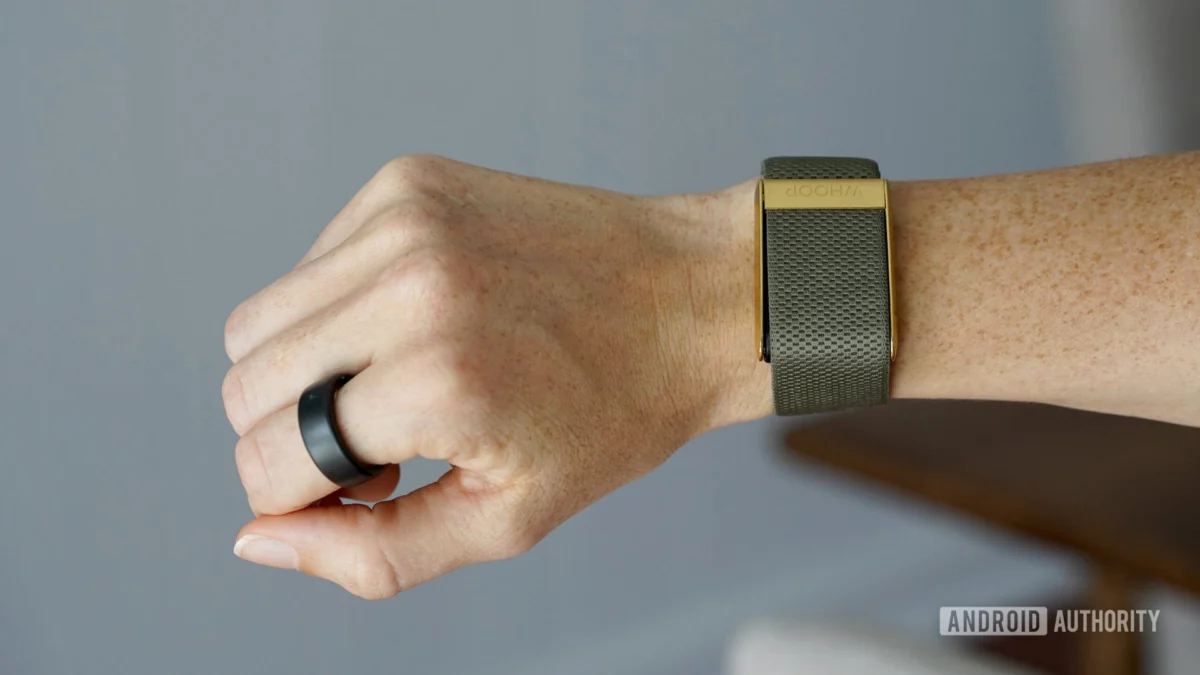
The wearable technology landscape is shifting beneath our feet. As the market for screenless, biometric-focused fitness trackers becomes increasingly crowded, industry titans are moving beyond simple heart-rate monitoring to offer more robust, medically actionable insights. Following the highly anticipated launch of the Google-powered Fitbit Air earlier this week, WHOOP has unveiled a significant expansion of its health ecosystem, signaling a strategic pivot toward integrating professional clinical care into the daily lives of its users.
By introducing on-demand video consultations with licensed clinicians and advanced AI-driven behavioral coaching, WHOOP is effectively attempting to redefine what a fitness wearable can be—transitioning from a passive data tracker to an active participant in personal healthcare.
Main Facts: A New Frontier in Wearable Tech
The core of WHOOP’s latest announcement is a radical expansion of the utility of its wearable data. Starting this summer in the United States, the WHOOP app will serve as a gateway to human expertise.
- On-Demand Clinical Access: Members will gain the ability to book live, one-on-one video consultations with licensed medical professionals directly within the WHOOP interface. These clinicians will have access to the user’s longitudinal health data—including heart rate variability (HRV), sleep staging, and recovery trends—to provide context-aware medical guidance.
- Electronic Health Record (EHR) Syncing: Through a new integration with HealthEx, users can now pull their clinical medical history, including past diagnoses, prescribed medications, and surgical procedures, directly into the WHOOP platform.
- Advanced AI Coaching: The platform is introducing "My Memory," a system that allows users to manage the personal context the WHOOP AI uses to generate coaching advice. Furthermore, "Proactive Check-Ins" will leverage this data to offer real-time suggestions, such as advising a user to prioritize sleep before a high-stress event or modifying training intensity based on travel fatigue.
- Journal Redesign: The tracking journal is being overhauled to support voice and text logging. The system will now proactively suggest new variables to track based on identified patterns in the user’s historical recovery data.
Chronology of a Competitive Pivot
The timing of this announcement is far from coincidental. To understand why WHOOP is making such a bold play, one must look at the recent trajectory of the wearable market.
May 2023: WHOOP and competitors like the Oura Ring cement their dominance in the "screenless" tracker category, prioritizing long battery life and deep sleep analysis over the distraction of a smartwatch display.
Early 2026: Google officially enters the budget-conscious screenless market with the Fitbit Air, priced aggressively at $99. By bundling it with three months of Google Health Premium, Google poses an existential threat to premium-priced trackers that rely on high-margin subscription models.
This Week: As the Fitbit Air hits the shelves, the market pressure on WHOOP becomes palpable. With a lower entry point for consumers, Google’s offering threatens to siphon off potential WHOOP users who may be deterred by WHOOP’s $199–$359 annual membership fees.
Today: WHOOP responds by doubling down on "value-added" services. By shifting the conversation from "tracking" to "healthcare," the brand is attempting to justify its premium pricing by offering a level of clinical support that a $99 device simply cannot match.
Supporting Data: Why Context Matters
The evolution of wearable tech has long been hampered by the "data-action gap"—the phenomenon where users are presented with vast amounts of biometric data (like a low recovery score) but lack the expertise to understand the why or the how to fix it.
WHOOP’s historical data confirms that user engagement spikes when the platform provides actionable context. By allowing clinicians to review months of historical recovery scores alongside bloodwork and EHR records, WHOOP is solving the most significant pain point in the industry: the isolation of fitness data from clinical health records.
Current WHOOP membership tiers—starting at $199 annually and scaling to $359 for the comprehensive "WHOOP Life" package—have historically been criticized for their cost. However, by introducing clinical access, the company is positioning its membership not as a "fitness app fee," but as a low-cost alternative to traditional concierge medicine.
While the pricing for these specific clinical consultations remains undisclosed, industry analysts suggest that if these services are included in the higher-tier memberships, the "cost per value" ratio could shift significantly in favor of the consumer, making the $359 price tag seem like a bargain compared to the cost of standard urgent care visits or nutritional consulting.
Official Responses and Strategic Positioning
In its official press release, WHOOP emphasized that the goal is to bridge the gap between "knowing" and "doing." A company spokesperson noted, "Our members are already living in a world of data. Our mission is to move them into a world of wisdom. By connecting our biometric insights with the expertise of licensed clinicians, we are transforming the wearable into a comprehensive health companion."
However, the company remained tight-lipped regarding the financial structure of the new clinical features. This silence is telling. If the consultations are treated as a value-add for current subscribers, it is a massive win for user retention. If it is an "a la carte" service, WHOOP risks alienating users who feel the platform is becoming too expensive.
From a competitive standpoint, the move is a direct rebuttal to the Fitbit Air. While Fitbit is focusing on accessibility and mass-market reach, WHOOP is betting on depth, medical integration, and "white-glove" service to maintain its stronghold among professional athletes, high-performance executives, and health enthusiasts.
Implications: The Future of the "Medicalized" Wearable
What does this move mean for the future of the consumer technology industry? We are witnessing the end of the "quantified self" era and the dawn of the "medically-integrated self."
1. The Blurring Lines of Healthcare
As wearables begin to sync with EHR systems and provide access to live clinicians, the distinction between a "fitness tracker" and a "medical device" becomes increasingly porous. While WHOOP is currently careful to frame these features as "coaching" and "health support," the legal and regulatory implications of providing medical advice through a consumer app will likely invite increased scrutiny from health authorities.
2. The Subscription Wars
The wearable industry is moving away from hardware sales as the primary revenue stream. Instead, the hardware is becoming a loss-leader or a baseline entry point. The real battle is for the subscription—the "stickiness" of a platform that knows your sleep patterns, your exercise habits, your medical history, and now, your doctor. If a user has their entire health history and a direct line to a clinician on the WHOOP app, they are significantly less likely to switch to a competitor, regardless of hardware improvements.
3. AI as the Great Equalizer
The integration of "My Memory" and "Proactive Check-Ins" highlights a shift toward predictive health. Rather than waiting for a user to check their app, the software will push insights based on anticipated life events—such as travel, heavy training loads, or poor sleep cycles. This is the next phase of the "smart" wearable: a system that acts as a Chief of Staff for the user’s biology.
4. Consumer Impact
For the end user, this is a double-edged sword. On one hand, having access to clinicians who understand your physiological baseline is a revolutionary leap in personalized healthcare. On the other, the privacy concerns regarding the integration of medical records into a private, for-profit platform cannot be overstated. WHOOP will need to demonstrate, with absolute transparency, how this sensitive data is shielded from commercial exploitation.
Conclusion
WHOOP’s announcement is a calculated, aggressive response to a rapidly changing market. By pivoting toward clinical integration, the company is attempting to insulate itself from the "commodity trap" of basic fitness tracking.
As we look toward the remainder of 2026, the question is no longer who has the most accurate heart rate sensor, but who has the most compelling ecosystem. With Google leveraging its massive data infrastructure through the Fitbit Air and WHOOP leveraging human expertise and medical integration, the battle for the wrist has officially moved into the doctor’s office. For the consumer, the outcome is clear: the wearable of tomorrow will know more about you than ever before—and finally, it will be able to help you do something about it.










No comments yet. Be the first to join the conversation!