Lina Hope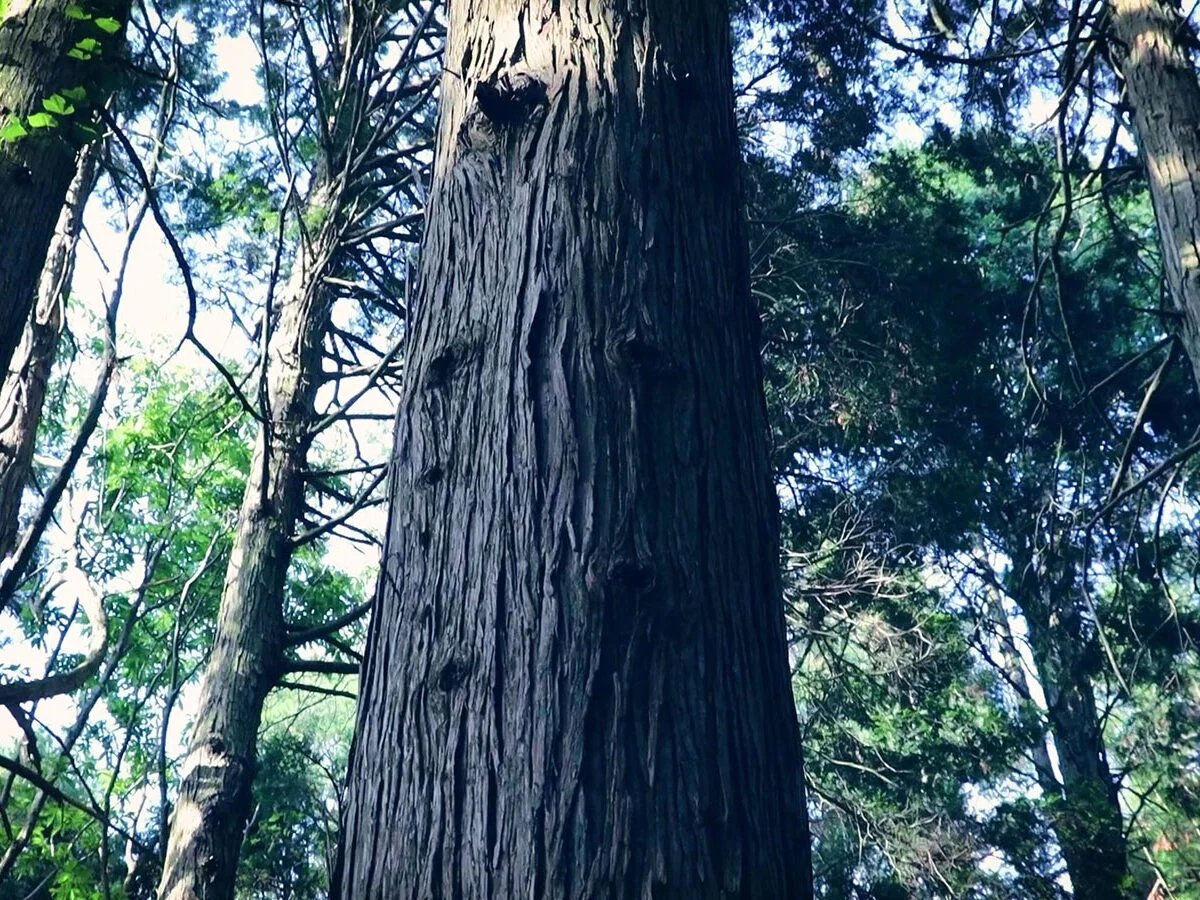
Japan’s architectural landscape is perhaps best defined by its symbiotic relationship with timber. From the ancient, towering pagodas of Hōryū-ji to the steeply pitched, snow-resistant thatched roofs of the historic villages of Shirakawa-gō, wood is not merely a construction material in Japan—it is a spiritual medium. It represents a profound cultural reverence for the natural world, a bridge between the forest and the hearth that has endured for centuries. Today, as global interest in sustainable, high-quality design surges, the Japanese wood industry is stepping onto the world stage, blending ancestral techniques with contemporary innovation.
The Essence of Craft: Nature’s Artistry Through Human Hands
At the heart of Japanese woodcraft lies a philosophy of "coexistence." Unlike many Western construction traditions that seek to dominate or manipulate the environment, Japanese craftsmanship strives to highlight the inherent character of the timber. Every knot, grain pattern, and scent is treated as a narrative element, preserved and celebrated by master carpenters (daiku).
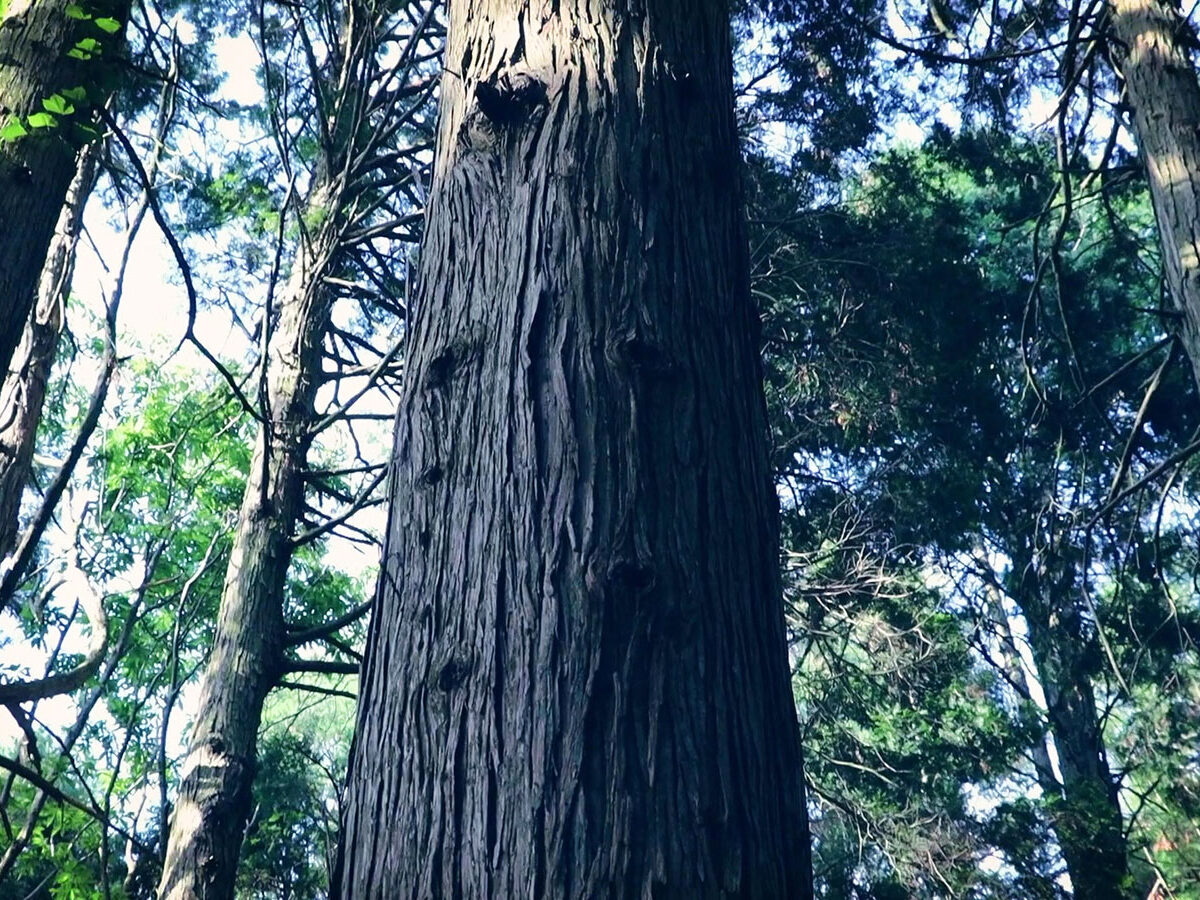
The Japanese climate, characterized by its dramatic seasonal transitions, creates a unique environment for forest growth. This produces timber of exceptional density and resilience. Craftsmen, bridging the gap between ancient hand-tool traditions and modern precision engineering, transform this raw bounty into structures that breathe and evolve. This is not just carpentry; it is the curation of nature.
Chronology of Craft: From Ancient Shrines to Modern Global Exports
The evolution of Japanese woodcraft is a study in preservation through adaptation:
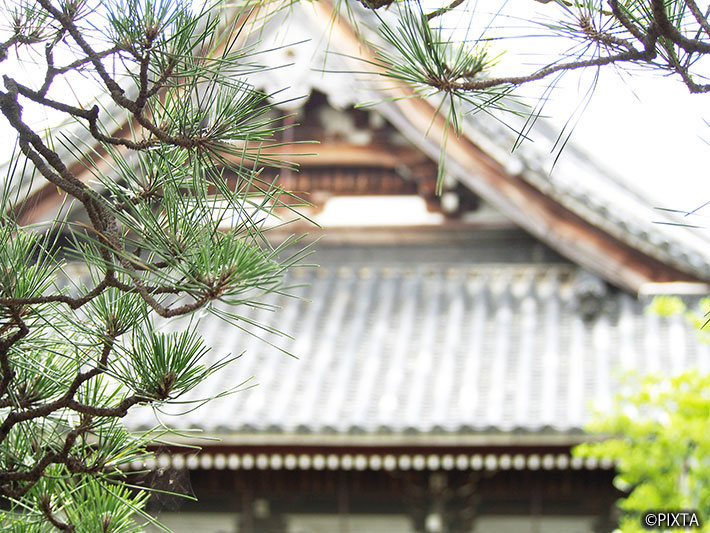
- 7th Century (Asuka Period): The construction of Hōryū-ji, one of the world’s oldest wooden structures, established the foundational principles of seismic-resistant joinery—techniques that remain superior to many modern mechanical fasteners.
- 17th–19th Century (Edo Period): A golden age for domestic architecture, where the refinement of Hinoki (Japanese cypress) and Sugi (Japanese cedar) became synonymous with status and aesthetic purity in teahouses and residential dwellings.
- 20th Century: The industrialization of Japan saw a rise in mass-market materials, yet a core group of traditionalists maintained the standards of hand-cut joinery.
- 21st Century (The Export Era): The Japan Wood Products Export Association (JWPEA) has spearheaded a global initiative, repositioning Japanese timber not as a niche traditional curiosity, but as a premium, sustainable luxury material for global architecture and interior design firms.
Voices from the Field: Expert Perspectives
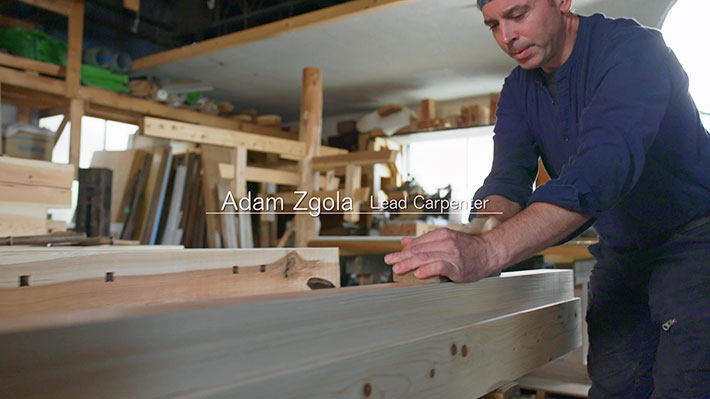
To understand the global impact of this craft, one must listen to the practitioners who live and breathe it. Lead carpenter Andy Zgola, whose years of experience in Japan have made the country his second home, offers an evocative breakdown of the sensory experience inherent in the material.
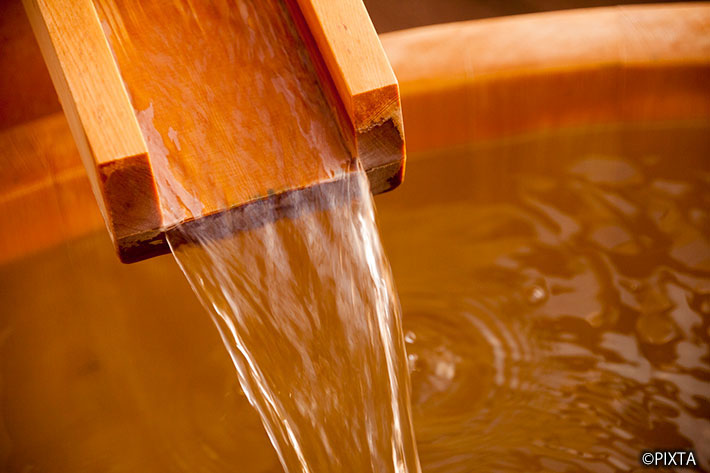
"Cedar has a gloss so it feels warm," Zgola explains. "Hinoki cypress is cool and lovely. It has lots of oil inside, so it is resistant to insects. You can smell hinoki when you go to hot springs."
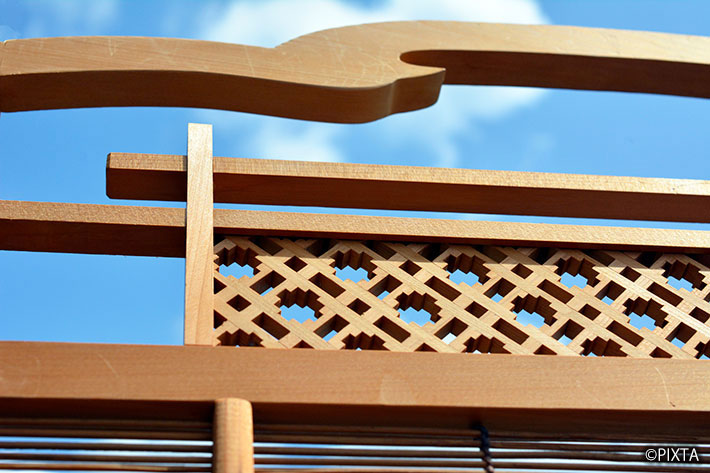
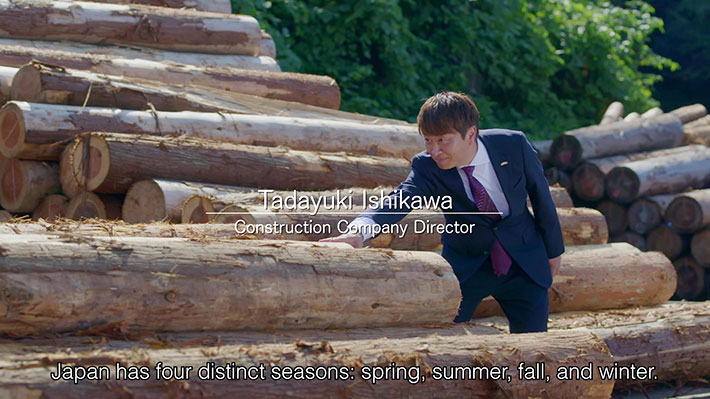
This sensory appeal is backed by structural superiority. Tadayuki Ishikawa, a director at a prominent construction and export firm, argues that the rigor of Japanese building standards is unmatched globally. "If you look anywhere in the world, the quality of Japanese building techniques is simply unmatched in my opinion," Ishikawa notes. His assertion reflects a broader industry consensus: Japanese wood is not just about aesthetics; it is about longevity and structural integrity that outperforms standardized, factory-pressed alternatives.
Supporting Data: The Global Appeal of "J-Wood"
The rising international demand for Japanese timber is not accidental. It is driven by three distinct factors:
- Biophilic Design: As modern architecture moves toward biophilic design—the practice of connecting building occupants more closely to nature—the organic qualities of untreated cedar and cypress provide a tactile, calming environment that synthetic materials cannot replicate.
- Sustainability Metrics: The Japanese forestry industry is heavily regulated, emphasizing sustainable harvesting and reforestation. As global carbon-neutral goals become more stringent, the high durability of Japanese wood (which can last centuries if maintained) is being recognized as a superior, low-carbon lifecycle investment.
- Technological Integration: While traditional hand-joinery is preserved for high-end projects, the Japanese industry has integrated advanced CNC (Computer Numerical Control) technology, allowing them to export traditional joinery designs that fit together with sub-millimeter precision, making them accessible to international builders who may not have traditional Japanese training.
Official Responses and Industry Shifts
The Japan Wood Products Export Association (JWPEA) has recently released a comprehensive documentary series titled "Japan – Land of Wood." This campaign serves as an official invitation to architects, designers, and homeowners globally to reconsider the materials they choose for their projects.
The series features experts like Tiffany Luk, an international sales executive in the furniture sector. Luk observes a significant market shift: "Furniture that combines classic Japanese woodworking techniques with modern designs is gaining interest abroad." This trend confirms that the appeal is no longer restricted to traditional Japanese-style homes. Modern minimalist furniture, office interiors, and even high-end hospitality designs are increasingly utilizing Japanese Hinoki and Sugi to introduce warmth into cold, urban spaces.

Implications for the Future of Architecture
The integration of Japanese wood into the global market represents a profound shift in how we conceive of "sustainable development." The implications are manifold:
1. Reclaiming the "Slow Architecture" Movement
In an era of disposable design, the Japanese wood industry promotes the concept of "slow architecture"—structures and pieces designed to last generations. This counters the "fast-fashion" approach to home decor and building, advocating for materials that age gracefully, developing a patina that tells the story of the building’s history.
2. Environmental Stewardship
The focus on forest management in Japan serves as a template for global forestry. By ensuring that timber extraction does not outpace the forest’s ability to regenerate, the Japanese model demonstrates that commercial success and ecological preservation are not mutually exclusive.
3. Cultural Exchange
Every beam of Hinoki or panel of Cedar exported from Japan carries with it a cultural heritage. As these materials enter homes in New York, London, or Paris, they bring with them the Japanese philosophy of ma (space/emptiness) and wabi-sabi (the beauty of imperfection). This fosters a cross-cultural appreciation that transcends borders.
Conclusion: Inviting the World to Experience Tradition
The artistry of Japan’s woodcraft is an invitation to reconsider our immediate environment. Whether through the installation of a hinoki soaking tub—which releases natural, soothing oils when heated—or the use of cedar cladding that stands resilient against the elements, Japanese wood offers a path to living in greater harmony with nature.
As the Japan Wood Products Export Association continues to share its vision, the global architectural community stands on the precipice of a "wood renaissance." By embracing the techniques, materials, and ethical frameworks of Japanese craft, we are not just building houses; we are cultivating habitats that honor the trees, the craftspeople, and the generations yet to come. The wood of Japan is, ultimately, a living legacy—one that is now available to, and destined to improve, the world at large.


 Neng Nana
 Asro
Asro