

In an era dominated by sprawling superhero multiverses and predictable franchise reboots, the arrival of The Sheep Detectives feels less like a studio product and more like a fever dream that, miraculously, makes perfect sense. Based on German author Leonie Swann’s 2005 cult-classic mystery novel Three Bags Full, the film manages to bridge the gap between high-concept absurdity and genuine emotional depth. It is a film about a flock of sheep investigating the murder of their beloved shepherd—a premise that sounds like a parody, yet functions as a masterclass in tone, narrative structure, and animation.
Directed by Kyle Balda, a veteran of the Minions franchise, and penned by Craig Mazin—the architect behind the harrowing Chernobyl and the visceral The Last of Us—the film is a paradox of pedigree. It is, by all accounts, one of the most delightful and surprisingly poignant viewing experiences of the year, appealing to audiences ranging from elementary-aged children to cynical adult film critics.
The Genesis of a Premise: From Page to Screen
The narrative journey of The Sheep Detectives began nearly two decades ago with Leonie Swann’s literary work. The challenge of adapting a novel where the protagonists are ruminants with a flair for deduction was always going to be the project’s primary hurdle. Craig Mazin, known for his ability to pivot between the crude humor of The Hangover and the existential dread of high-stakes television, proves here that he is perhaps the only writer capable of balancing such tonal extremes.
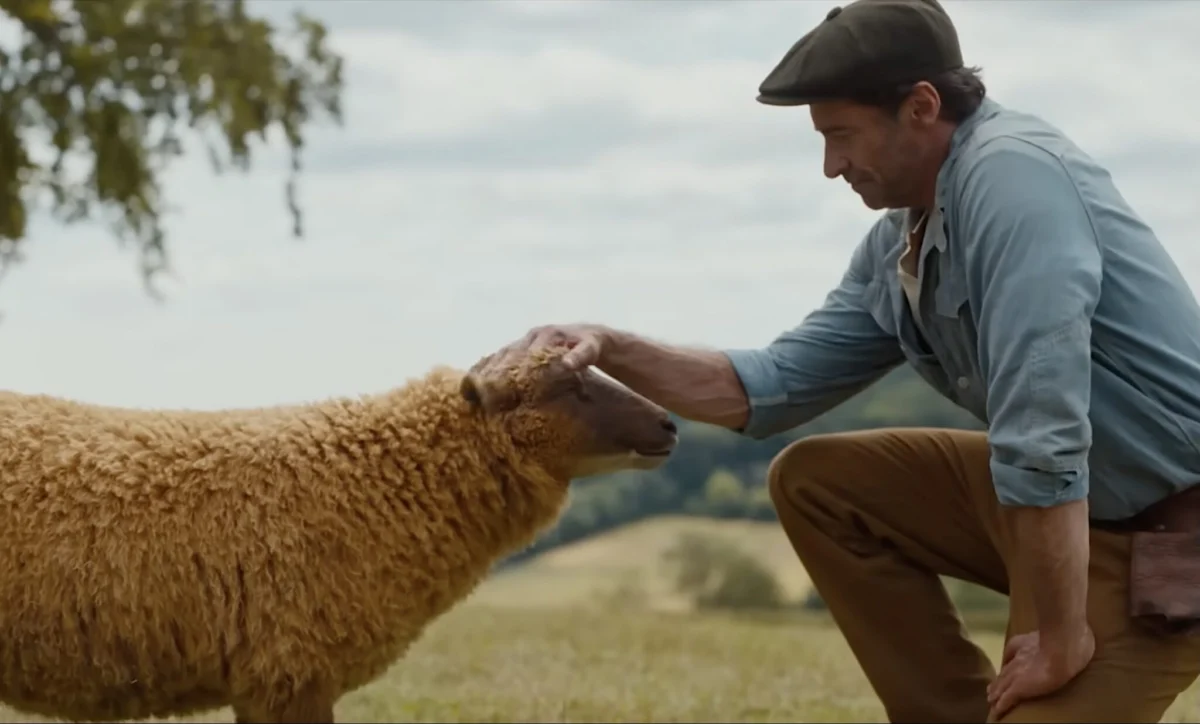
The story centers on George Hardy (played with grounded, tender intensity by Hugh Jackman), a solitary shepherd living in an isolated Airstream trailer. Hardy is not merely a caretaker; he is a mentor. Every sunset, he reads mystery novels to his flock, inadvertently imbuing them with an understanding of narrative tropes and investigative logic. When Hardy is found murdered, his flock—led by the astute and deeply empathetic Lily (Julia Louis-Dreyfus)—must apply those very lessons to unmask the killer.
Chronology of the Investigation: A Flock’s-Eye View
The film’s brilliance lies in its commitment to perspective. By remaining tethered to the sheep’s point of view, the audience experiences the murder mystery through a lens of limited information and heightened sensory detail.
The Inciting Incident
The film opens with the idyllic, rhythmic life of the flock, establishing the deep, almost spiritual bond between George and his sheep. The shift occurs when the tranquility is shattered by the discovery of George’s body. From this moment, the film shifts into a detective procedural, albeit one where the investigators are restricted by their anatomy and the fact that humans largely ignore their silent, bleating observations.
The Gathering of Clues
The "middle act" of the film sees the flock navigating the complexities of the human world. They must bypass the incompetence of local authorities, represented by the bumbling but well-meaning Constable Derry (Nicholas Braun). Because the sheep are the primary observers, the audience is forced to piece together the clues alongside them. We see the arrival of a suspicious newcomer (Molly Gordon), the frantic curiosity of a young reporter (Nicholas Galitzine), and the subtle, underlying tensions of the townspeople, all interpreted through the sheep’s unique, instinctual understanding of human character.
The Climax and Revelation
The mystery culminates in a sequence that manages to be both a traditional "parlor room" reveal—where the suspects are gathered—and a unique subversion of the genre. Without spoiling the outcome, the resolution is less about the technicalities of the law and more about the restoration of order and the validation of the flock’s grief.
Supporting Data: The Anatomy of a Masterpiece
The success of The Sheep Detectives can be quantified through several distinct pillars: the voice acting, the technical execution of the CGI, and the underlying thematic density.
The Voice Cast
The vocal performances provide the heart of the film. Julia Louis-Dreyfus brings a layered, weary intelligence to Lily, while Chris O’Dowd’s Mopple provides a grounding, gentle contrast. Bryan Cranston’s turn as the grizzled, world-weary Sebastian offers a touch of gravitas, and the supporting cast—including Patrick Stewart, Brett Goldstein, and Bella Ramsey—fills the screen with distinct, memorable personalities.
The CGI and Animation
The film’s visual fidelity is a technical marvel. The sheep are not merely cartoonish cutouts; they possess mass, texture, and individualistic body language. The animators focused heavily on the eyes of the flock, utilizing the natural expressiveness of sheep’s eyes—and their remarkably long eyelashes—to convey emotional states that transcend dialogue. The rendering of the wool, which varies in texture and wear, serves as a visual indicator of each sheep’s history and temperament.
Official Responses and Audience Reception
While official critical aggregates have lauded the film, the most telling reception has been the visceral, emotional response from audiences. During early screenings, viewers reported a mix of genuine laughter and profound sadness.
The film’s "depth" has been a point of focus for many reviewers. One audience member’s count of 14 "AWWW" exclamations in the final ten minutes highlights the film’s ability to create an emotional connection. The filmmakers, particularly Mazin, have been praised for refusing to talk down to the audience, even when the protagonist is a sheep. The "theological" discussions regarding death and the afterlife, handled with a light, humorous, yet surprisingly sophisticated touch, have elevated the film from a standard family outing to a thoughtful meditation on loss.
Thematic Implications: Grief, Community, and Humanity
At its core, The Sheep Detectives is a movie about the architecture of grief. It does not treat the death of George Hardy as a plot device to be moved past, but as a void that the community of animals must learn to fill.
The Nature of Community
The film asks a fundamental question: what constitutes a community? By contrasting the isolated, loving life of George Hardy with the potentially exclusionary social structures of the village, the film tackles themes of prejudice and intergenerational trauma. The sheep, being outsiders, act as the moral compass of the story, highlighting the hypocrisy and cruelty that humans often cloak in "politeness."
The Darkness Beneath the Whimsy
It would be a disservice to label this film strictly as a "cozy mystery." There are moments of genuine horror—scenes that underscore the capacity for human violence. These moments serve as a necessary counterweight to the humor, reminding the viewer that for the animals, this is not a game. The film suggests that while there is no "cure" for death, the process of navigating grief is best managed through the preservation of the stories we tell about those we have lost.
Final Assessment: A Worthy Successor
If there is a criticism to be leveled at the film, it is that the human characters—though excellently portrayed—occasionally feel underutilized. The ensemble cast is so rich with talent (including the delightful Emma Thompson) that the audience is left hungry for more time in their company. However, this is a testament to the strength of the performances rather than a failure of the script.
The Sheep Detectives is a rare cinematic achievement. It joins the ranks of films like Paddington 2 and Babe: Pig in the City—works that understand that the best way to tell a story for families is to treat the audience, regardless of age, with absolute respect. It is a film that will undoubtedly be revisited during holiday seasons for years to come, a testament to the idea that even the most "high-concept" premise can be anchored by the universal, timeless weight of the human (and ovine) experience.
It is, quite simply, a delight.









No comments yet. Be the first to join the conversation!