Neng Nana
For decades, the novella has occupied a precarious position in the literary ecosystem. Often described as the "awkward middle child" of publishing—too substantial for the constraints of literary journals and too brief for the commercial requirements of traditional houses—the format has long struggled to find its footing. However, a seismic shift is underway. Driven by the agility of indie authors and the success of grassroots initiatives like the Speculative Fiction Indie Novella ChampionShip (SFINCS), the novella is experiencing a profound renaissance, proving that brevity can be just as impactful as the traditional, sprawling epic.
The Birth of SFINCS: A Grassroots Movement
The narrative of the modern novella begins not in a boardroom, but in the digital trenches of social media. Following the immense success of the Self-Published Fantasy Blog-Off (SPFBO)—a contest established in 2018 to highlight self-published fantasy novels—a void remained for shorter-form works. In 2023, during a series of discussions on X (formerly Twitter), indie authors and reviewers lamented the lack of a dedicated platform for novellas.
What began as an informal exchange of ideas rapidly coalesced into a structured, volunteer-run competition. SFINCS (pronounced "sphinx") was born, designed to provide the same visibility to novellas that SPFBO had provided to novels. For many, including those who transitioned from being contestants in previous years to judges for SFINCS, this competition represents more than just a trophy; it is a vital validation of a format that many traditional gatekeepers historically ignored.
Defining the Undefinable: The Word Count Debate
To understand the significance of the novella, one must first navigate the nebulous definitions surrounding it. While the literary industry is notoriously obsessed with word counts, the distinction between a long short story, a novella, and a novel often feels arbitrary.
According to widely accepted industry standards, a novella typically falls between 17,500 and 40,000 words. However, as the author of this article notes, these numbers are increasingly fluid. In the early 2000s, the "gold standard" for a debut novel hovered near the 60,000-word mark. Today, that threshold has shifted, with many readers and writers blurring the lines between a 40,000-word work and a "short novel."

The challenge for the reader is that physical page counts can be manipulated through typography, trim size, and margins, rendering them unreliable indicators of story density. Consequently, word count remains the only accurate metric. Yet, as genre trends evolve, the "feel" of a story has become more important than its technical classification. An epic fantasy reader might find a 40,000-word narrative insufficient for world-building, while a thriller reader might find the same length perfectly paced.
The Evolution of the Market: From Marginalization to Mainstream
Historically, novellas were reserved for established authors who had earned enough industry clout to experiment. For emerging writers, the conventional advice was to master the short story before attempting the "climb" to the novel.
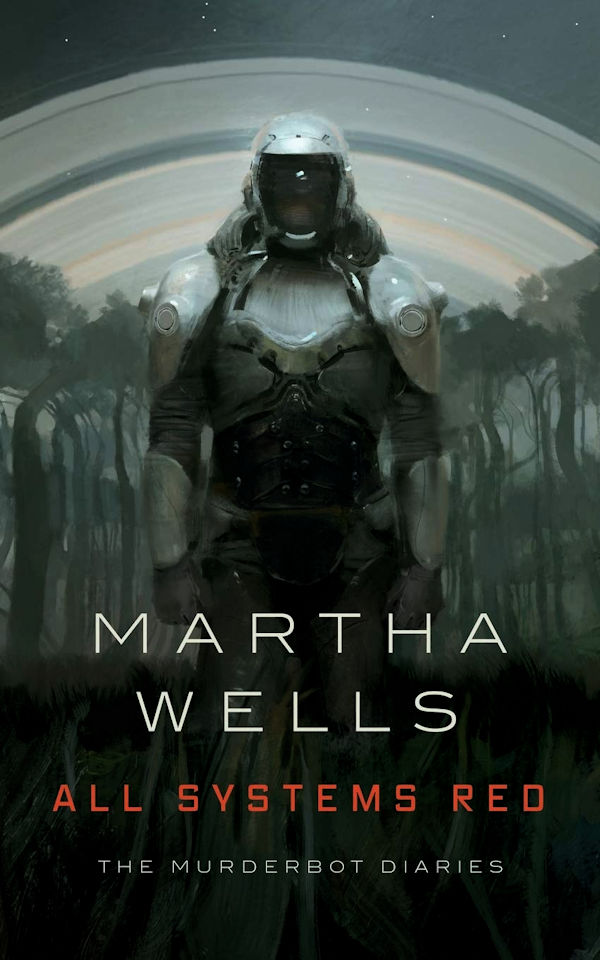
However, two major forces have dismantled this hierarchy: the rise of Tor.com Publishing and the digital empowerment of indie authors. Since launching its imprint in 2015, Tor.com has become the premier destination for high-quality, genre-bending novellas. By legitimizing the format, they paved the way for massive commercial and critical successes, such as Martha Wells’ The Murderbot Diaries, Seanan McGuire’s Wayward Children series, and Nnedi Okorafor’s Binti. These works proved that readers—often facing shorter attention spans or demanding schedules—are hungry for high-impact narratives that can be consumed in a single, immersive sitting.
Implications for Indie Authors
While traditional publishing is catching up, indie authors have long utilized the novella as a strategic tool. For the independent writer, the novella is an incredibly versatile instrument. It functions as:
- The Bridge: A way to flesh out side quests or backstory that doesn’t fit within the scope of a main series.
- The Experiment: A safe sandbox to test "weird," niche, or experimental concepts that might be deemed too risky for mainstream markets.
- The Newsletter Incentive: A powerful marketing asset to build and maintain relationships with subscribers.
Crucially, the "indie advantage" is the ability to bypass the traditional "gatekeeping" of what constitutes a sellable book. If a story is too short for a traditional publisher’s standard imprint, the indie author simply publishes it anyway. This freedom has created a vibrant, diverse market where experimentation is rewarded rather than punished.
The SFINCS Impact: A Statistical Snapshot
Over the last three years, the SFINCS competition has processed over 300 entries from both independent authors and small presses. This data offers a compelling look at the state of the genre. The competition has highlighted that the novella is no longer just a "side project" for novelists; it is a primary creative outlet for a growing cohort of writers.
The crowning of Jessica A. McMinn’s noir gaslamp fantasy, Parasitic Omens, as the third SFINCS champion this past April serves as a testament to the quality and diversity of the field. These works are not just "snacks" for the reader; they are complex, fully realized, and technically sophisticated stories that rival their longer counterparts in every metric of craft.
Supporting Data and Reader Habits
The shift toward shorter works is mirrored by broader changes in media consumption. In an era where information saturation is at an all-time high, the novella offers a unique value proposition: the depth of a novel without the weeks-long commitment.
For readers struggling to keep up with reading challenges or those who find their attention spans fractured by digital noise, the novella provides a psychological "win." It is a complete, satisfying experience that respects the reader’s time. This trend is further supported by the increasing availability of these works in both digital and physical formats, as small presses and independent authors alike invest in high-quality production values for their shorter works.
Looking Forward: A Future for the Short Form
As we look toward the future of speculative fiction, the trajectory for the novella is clear. It is moving from the periphery of the literary world into its center. With organizations like SFINCS providing a structured environment for discovery and review, the "barrier to entry" for readers has never been lower.
For authors, the message is equally encouraging: if you have a story to tell, the length of that story is no longer a disqualifier. Whether it is a 20,000-word character study or a 35,000-word high-fantasy adventure, there is a burgeoning, eager audience waiting for it.
Final Thoughts
The resurgence of the novella is a victory for the "indie spirit." It demonstrates that when a community identifies a lack of support for a specific creative medium, they don’t wait for permission—they build their own infrastructure. As the SFINCS roster continues to grow, it serves as a masterclass in how community-driven initiatives can fundamentally alter the landscape of an entire genre.
If you are a reader looking to refresh your reading list, the novella offers a gateway to some of the most innovative and daring writing currently available. It is time to stop viewing these works as "short" and start viewing them as "perfectly paced." After all, in the world of speculative fiction, the best worlds are often built in the spaces between the long-form epics.

 Nila Kartika Wati
 Nana Muazin