Asep Darmawan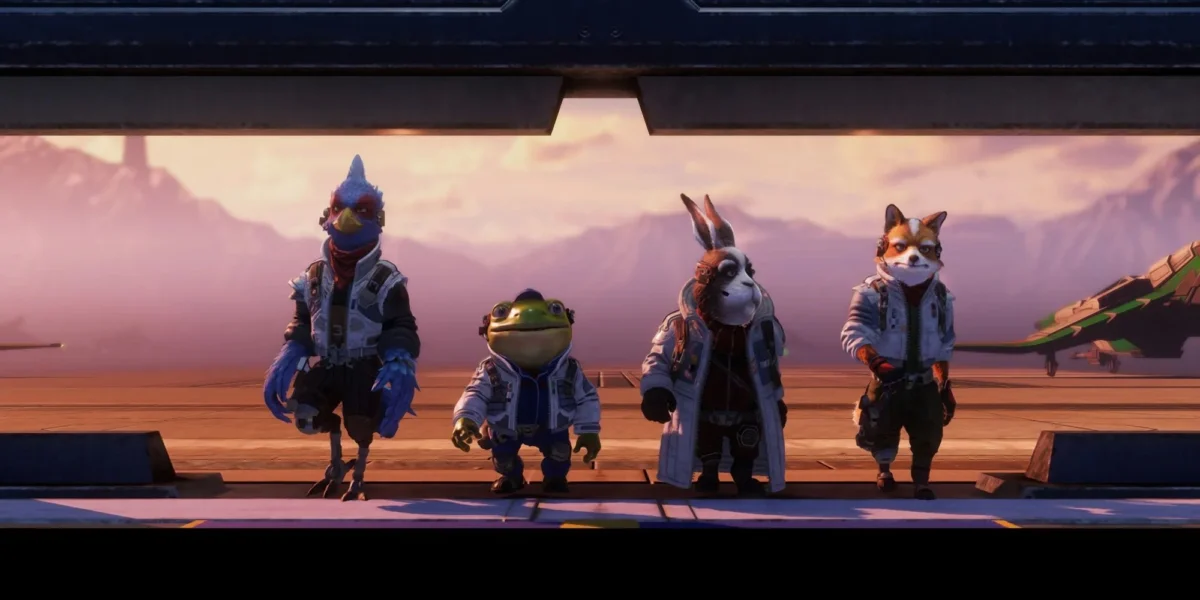
By Tayna Garcia | Published May 8, 2026
In the modern landscape of interactive entertainment, there is no force more potent—or more profitable—than the siren call of nostalgia. It is the single most effective psychological trigger in the industry, capable of opening wallets with the mere promise of a "classic experience" repackaged for the modern era. As we move deeper into the current hardware generation, industry titans like Capcom, Square Enix, and Nintendo have increasingly relied on this impulse, flooding their release calendars with a dense, relentless lineup of remasters and remakes to fill the voids between major, original intellectual property releases.
While revisiting the past is an undeniable treat for long-time fans—especially when it involves a dormant or neglected franchise—there is a growing concern that we have reached a saturation point. With each passing year, the gaming audience appears increasingly blinded by the golden haze of nostalgia, becoming less critical of whether these projects serve a genuine creative purpose or if they are merely "safe" bets designed to mitigate financial risk.
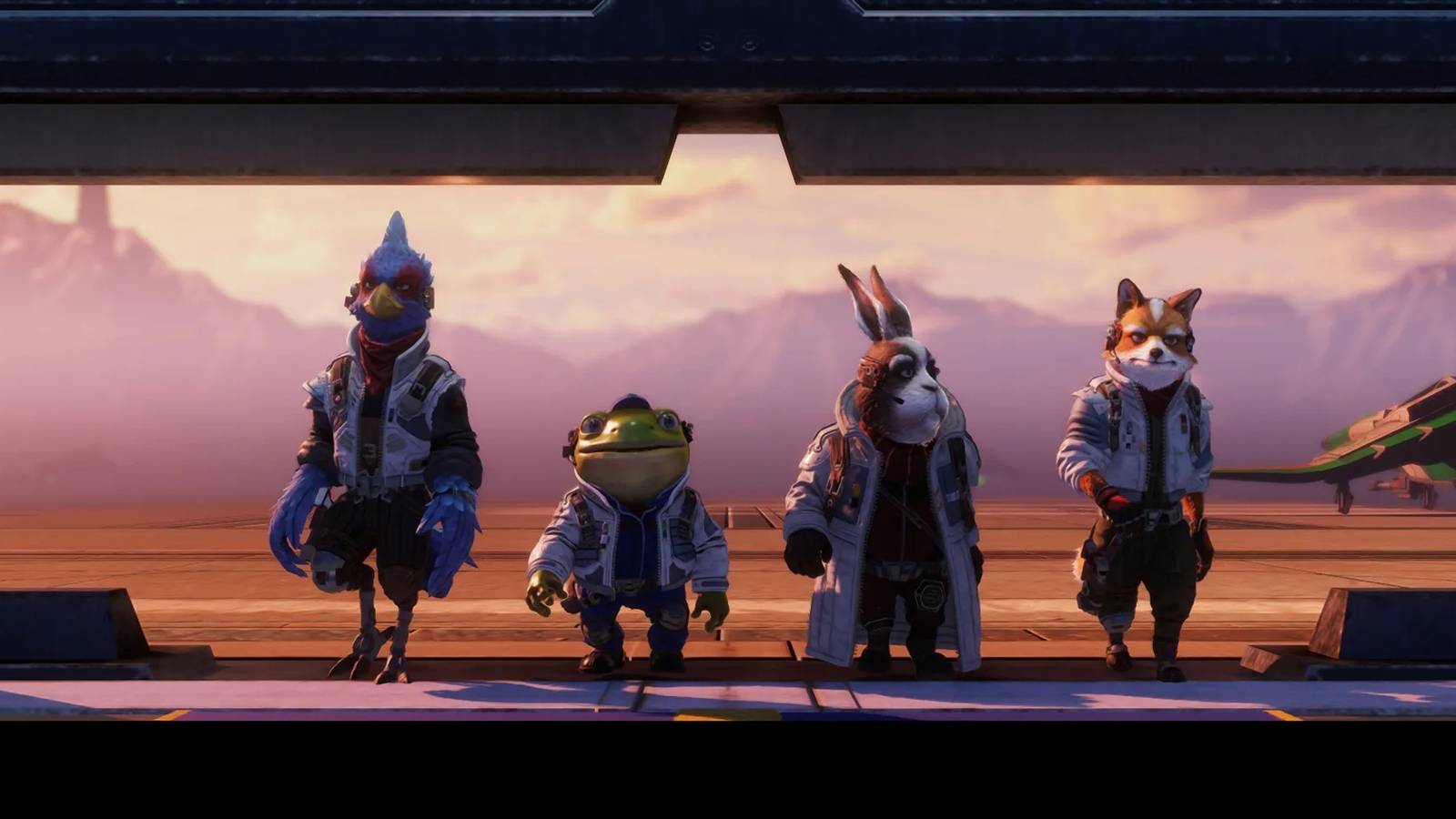
The most recent case study in this trend is the surprise announcement of Star Fox for the Nintendo Switch 2. Billed as yet another remake of the 1997 classic Star Fox 64, this announcement has sparked a firestorm of debate. While the original remains a crown jewel of the Nintendo 64 era and perhaps the most stylish rail shooter ever conceived, one must ask: how many times can we return to the Lylat System before the journey loses its meaning?
A Chronology of Conflict: The Flight Path of Fox McCloud
To understand the frustration surrounding the 2026 announcement, we must look at the historical flight path of Fox McCloud. It is a trajectory defined by a cycle of repetition that has seen the same story told, sold, and played across nearly three decades of hardware.
Star Fox 64 itself was not an original genesis; it was, in essence, a high-fidelity reboot of the original 1993 Star Fox on the Super Nintendo. It was an instant, monumental success, cementing the franchise’s place in the pantheon of Nintendo classics. Recognizing this, Nintendo has repeatedly returned to this specific well.

The cycle began in earnest with the 1:1 remake Star Fox 64 3D on the Nintendo 3DS, which aimed to preserve the original experience for a portable audience. Following that, Nintendo attempted a more radical reimagining with Star Fox Zero on the Wii U, a project that experimented with dual-screen mechanics. While both were competent, neither succeeded in reinvigorating the franchise’s long-term legacy.
Now, in May 2026, we are faced with a title simply called Star Fox. Devoid of a subtitle, it acts as a soft reset, yet it is undeniably another retelling of the 1997 narrative. This marks the fourth time Nintendo has asked its audience to purchase the same fundamental experience. When does a "classic" become a "crutch"?
The Aesthetic Shift: Losing the "Space Opera" Soul
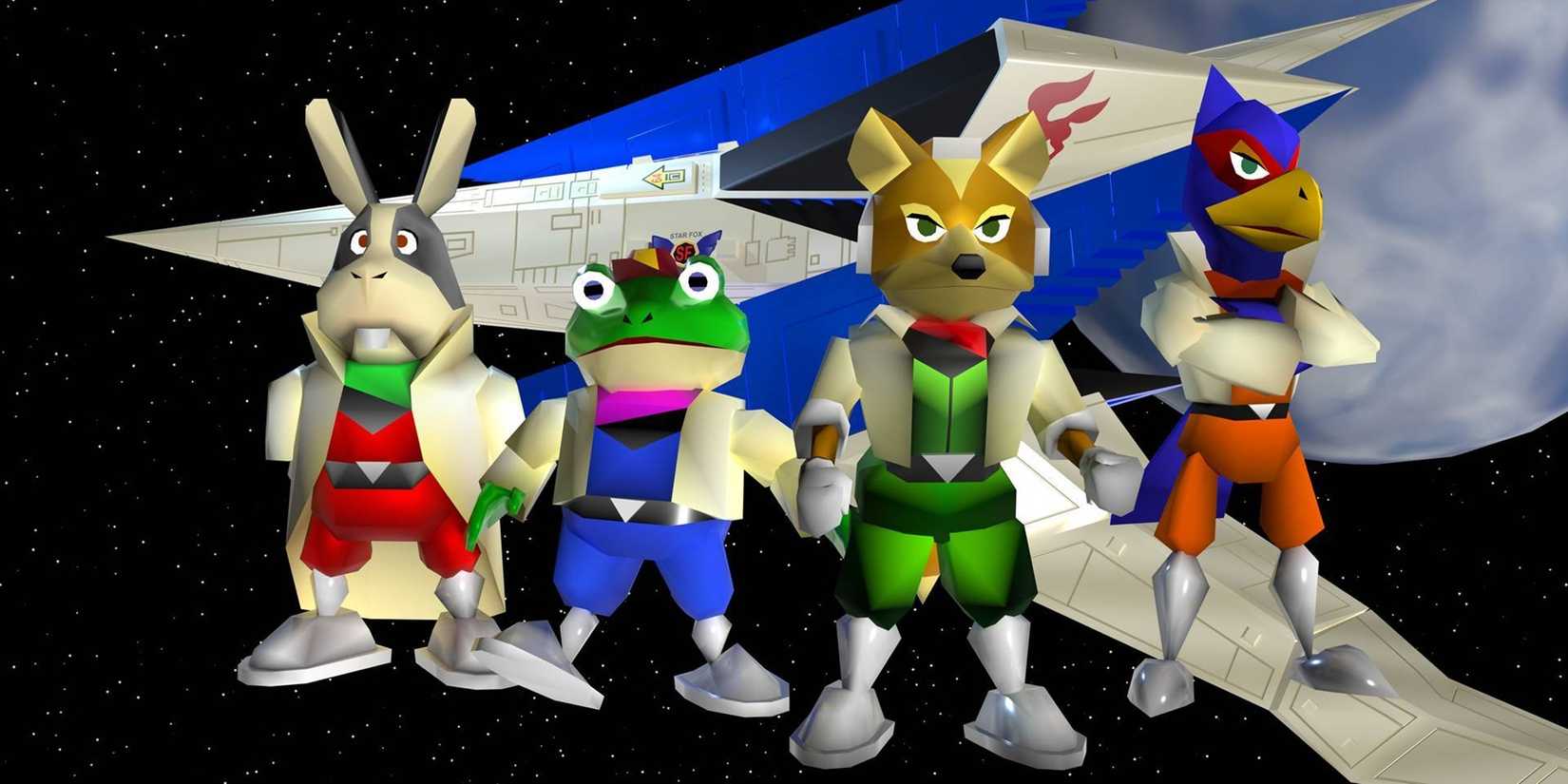
The problem with this latest iteration is not merely the repetition of the narrative, but the fundamental shift in the game’s artistic identity. The original Star Fox 64 possessed a distinct, slightly gritty, and moody atmosphere. It felt like a space opera—a high-stakes conflict set against a backdrop of cinematic, yet constrained, intensity.
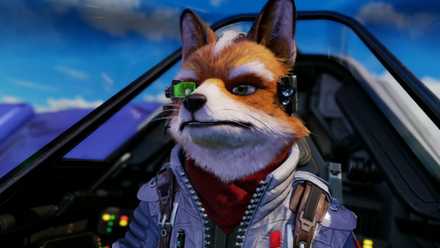
The 2026 remake, however, appears to have traded this character-defining aesthetic for a polished, highly saturated, and overtly cartoonish visual style. By smoothing out the rough edges and brightening the Lylat System, Nintendo has inadvertently stripped away the "cool factor" that defined the franchise for a generation. It is a "sanitized" version of a game that originally thrived on its rough-around-the-edges charm.
Official Responses and Creative Dissent
The most damning critique of this aesthetic shift comes from an unlikely source: the architect of the original vision. Takaya Imamura, the legendary designer behind Star Fox 64, took to X (formerly Twitter) shortly after the announcement to offer a surprisingly candid assessment.
"I can’t help but think this is what it looks like if I don’t supervise it… Anyway. I think the concept is good," Imamura wrote.
This statement, while couched in the polite professional decorum typical of Japanese game development culture, acts as a stinging rebuke. When the person who laid the original foundation questions the structural integrity of the new iteration, it serves as a clear indicator that the drive to modernize graphics has come at the expense of the project’s soul. It raises a fundamental question: Is it truly a "remake" if the artistic intent of the original creators is lost in the translation to modern engine technology?
Complacency in the Cockpit: A Fanbase Divided
The reaction to the announcement has been a microcosm of the current state of the gaming industry. Social media has become a battleground of irony and resignation. The comments sections for the announcement are flooded with memes: "It’s called Star Fox 64 because the plan is to remake it 64 times," one user joked. Another noted, "The first franchise in history to get four remakes of the same story."
Yet, almost every one of these cynical comments is followed by the same, telling admission: "Still going to buy it, though."
This reveals a profound disconnect. As consumers, we are caught in a cycle of complaining about the lack of originality while simultaneously providing the financial incentive for publishers to continue the trend. We have been conditioned to applaud nostalgic projects, even when they do not represent the innovation we claim to crave.
This pattern is not isolated to Star Fox. The early 2026 re-release of Pokémon FireRed and LeafGreen as standalone, full-priced titles—despite their availability on the Nintendo Switch Online service—met with massive sales figures. This proves that for many, the brand recognition of a "classic" is more powerful than the demand for a new, risky, or experimental experience.
The Implications: Is There a Future for Star Fox?
Some might dismiss these concerns as the typical grumbling of a vocal minority. However, the implications for the future of the medium are significant. If we continue to give a standing ovation to safe, recycled products, we are essentially endorsing a future where Nintendo—and the industry at large—has no incentive to take risks.
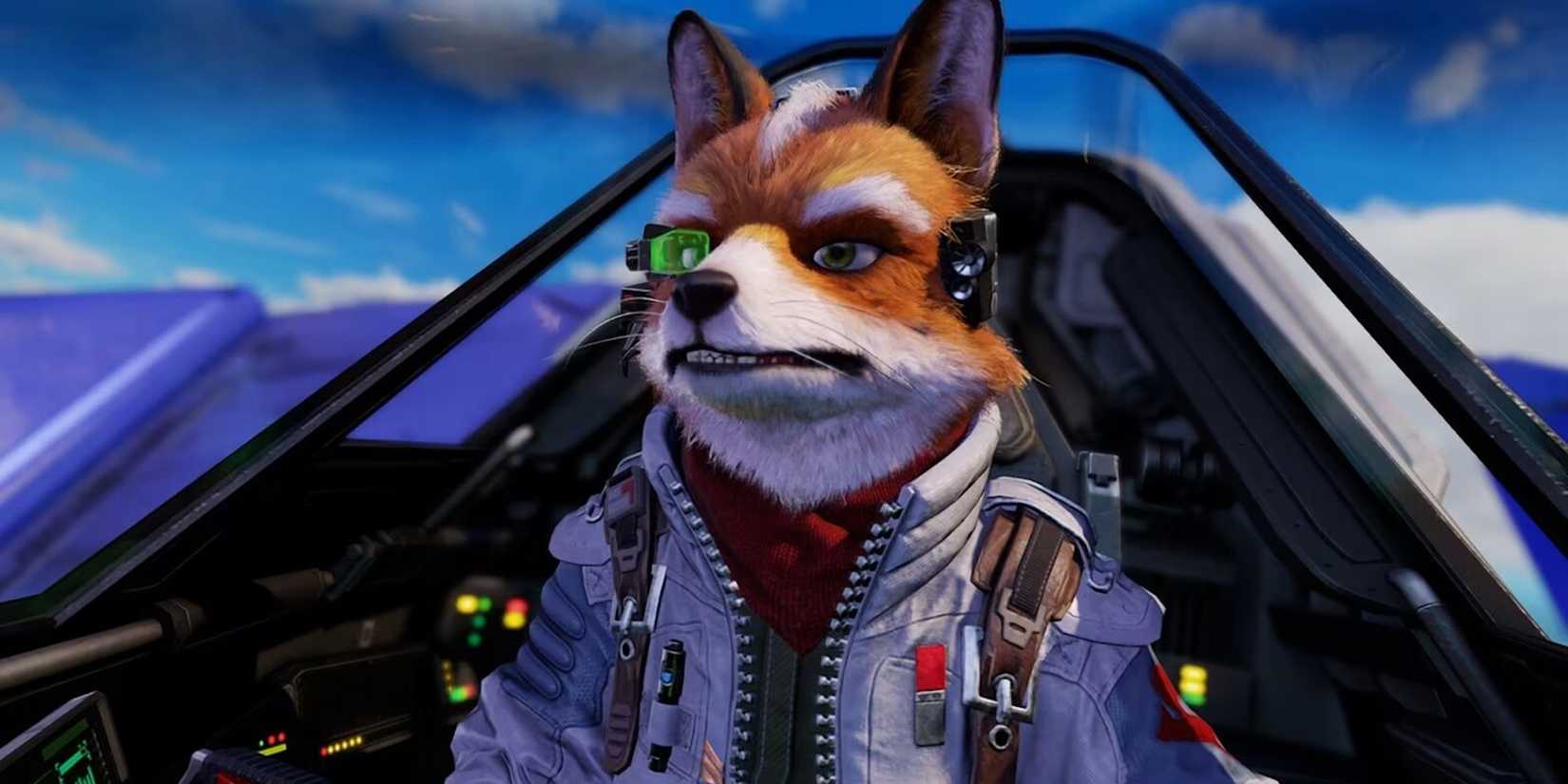
The argument that these remakes are necessary for "preservation" is also increasingly thin. The original Star Fox 64 is already readily available through the Nintendo Switch Online catalog, ensuring that the history of the franchise is accessible to new generations without the need for a full-scale, expensive, and often diluted remake.
What we are missing is not the ability to play Star Fox 64—we are missing a brand-new Star Fox game. We are missing a title that dares to innovate with a long-form campaign, deep space exploration mechanics, evolving, modern dialogues, and a narrative that pushes the Lylat lore into the future rather than looping it back to 1997.
Conclusion: Asking for More
As we look at the immense power of current-gen hardware, it is difficult not to feel a sense of longing for what could have been. A Star Fox that utilizes modern technology to offer an expansive, evolving galaxy, rather than a polished version of a thirty-year-old game, would be a landmark release.
This reflection is not a call for "hate" toward Nintendo or their developers; it is a call for higher expectations from the community. Loving a franchise means wanting it to grow, to take risks, and to surprise us. If we keep settling for the same old mission, we may find that we are simply circling the drain of our own history, never allowing Fox McCloud to truly take flight into the future.
It is time for the industry to stop simply polishing the past. It is time to demand the same level of innovation and creative courage that made us fall in love with these franchises in the first place. Until we do, the Lylat System will remain stuck in a perpetual loop of 1997.

 Siti Muinah
 Laily UPN