

In an era of fluctuating energy costs, the temptation to find savings at the pump is universal. With the national average for gasoline hitting a staggering four-year high of $4.53 in May 2026, motorists across the United States are looking for any strategy to mitigate the impact on their wallets. However, for owners of high-performance vehicles, specifically those equipped with supercharged V8 engines like the Dodge Hellcat, the "penny-wise, pound-foolish" philosophy has never been more relevant.
A recent viral incident on TikTok has ignited a firestorm of debate within the automotive community. User Atoyye Automotive (@srtatoyye) documented a bold, albeit mechanically ill-advised, experiment: filling his Dodge Hellcat with 87-octane "regular" gasoline instead of the manufacturer-mandated 91-octane premium fuel. The result? A harrowing engine knock that serves as a cautionary tale for any performance enthusiast tempted to bypass factory fuel requirements.
The Anatomy of the Incident: A Chronology
The timeline of this mechanical mishap began with the user’s growing frustration over the voracious fuel consumption inherent to the Hellcat’s high-displacement supercharged engine. Acknowledging that frequent trips to the gas station are a standard reality for V8 owners, the creator decided to test if lower-grade fuel could offer a reprieve from the high cost of premium gasoline.
The Fill-Up
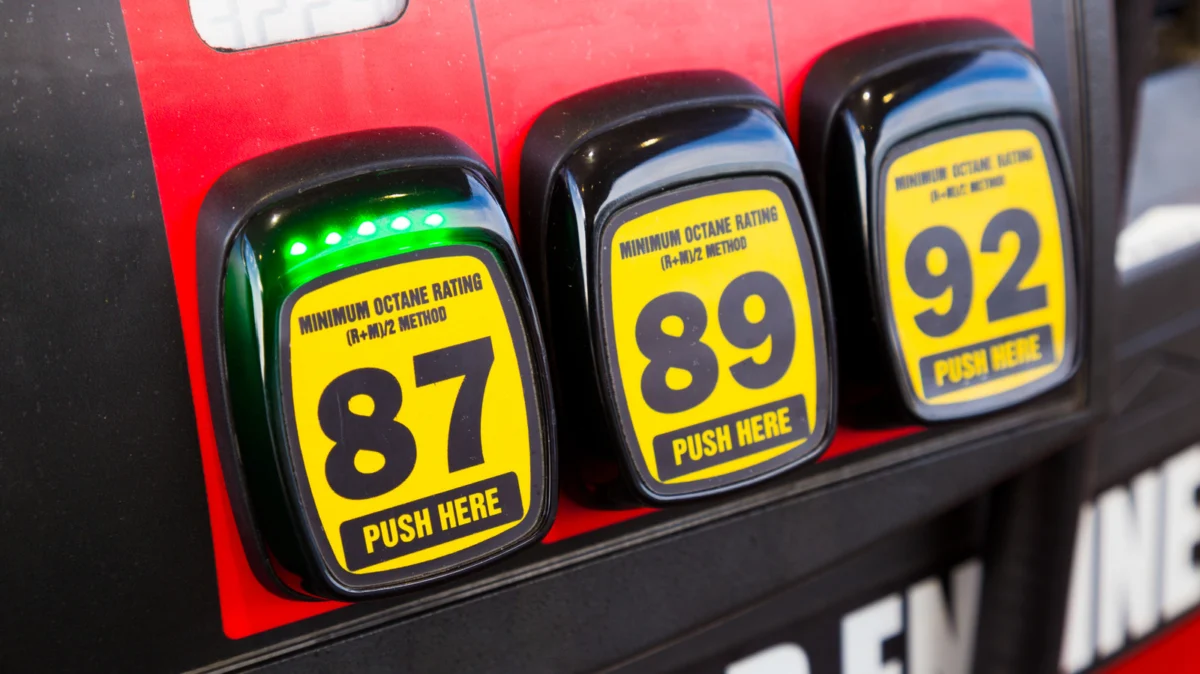
The subject opted for a Shell station, choosing the 87-octane pump. In the video, the creator openly questioned whether the decision would negatively impact the vehicle’s performance or engine health, signaling a degree of awareness regarding the potential risks. At the moment of the initial ignition following the fill-up, the vehicle showed no immediate signs of distress—no "check engine" lights illuminated, and the engine idled with its characteristic rumble.
The Aftermath
The situation deteriorated shortly thereafter. Upon opening the hood of the vehicle, a distinct, aggressive knocking sound became audible. This auditory warning—often described as a metallic "pinging" or "rattling"—is the hallmark of combustion instability. The TikTok video, which has since circulated through automotive forums, provides a stark visual and sonic contrast between the vehicle’s intended operation and its post-fill-up state.
Understanding Octane: Why Premium Isn’t Just a Marketing Term
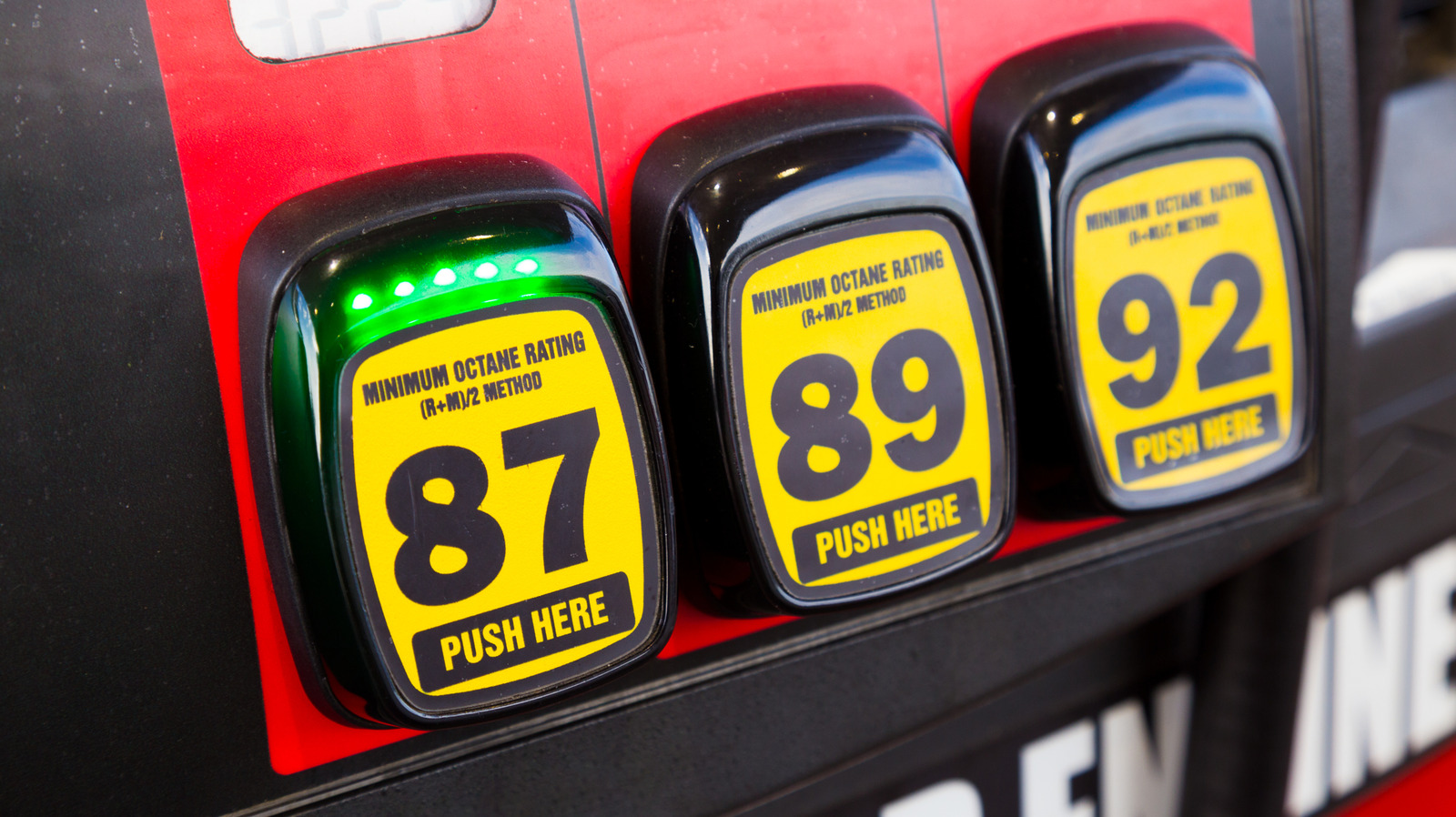
To understand why the Hellcat reacted so violently, one must first understand what an octane rating represents. Octane is not a measure of fuel "power" or "purity"; rather, it is a measure of a fuel’s resistance to premature detonation—often referred to as "knocking" or "pinging."
The Science of Combustion
In a high-compression or forced-induction engine, such as the 6.2-liter HEMI found in the Dodge Hellcat, the air-fuel mixture is subjected to extreme pressure. High-octane fuel (91 or 93) is formulated to be more stable, ensuring that the fuel ignites only when the spark plug fires.
When a driver uses 87-octane fuel in an engine calibrated for 91, the lower stability of the fuel means it can ignite due to the heat and pressure of the compression stroke before the spark plug even fires. This creates an uncontrolled explosion that collides with the rising piston, resulting in the audible knocking sound.
The Engine Management Response
Modern vehicles are equipped with sophisticated Knock Sensors and Engine Control Units (ECUs). When these sensors detect pre-ignition (knock), the computer attempts to "save" the engine by retarding the ignition timing. This effectively reduces the power output and forces the engine to run significantly less efficiently. In essence, by trying to save a few dollars at the pump, the owner inadvertently stripped the vehicle of the very performance they bought the car for, while simultaneously stressing the internal components.
Supporting Data: The Risks of Fuel Mismatch
The automotive industry has long warned against the misuse of fuel grades. According to the American Automobile Association (AAA), utilizing lower-than-recommended fuel in engines designed for premium gasoline can lead to several long-term consequences:
- Reduced Power Output: As the ECU retards timing to prevent engine damage, the driver will notice a significant decline in throttle response and horsepower.
- Decreased Fuel Efficiency: Because the engine is no longer operating within its optimized parameters, the combustion cycle becomes less efficient, often negating any cost savings gained at the pump.
- Mechanical Fatigue: Persistent knocking puts immense stress on the pistons, connecting rods, and bearings. Over time, this can lead to catastrophic engine failure.
- Carbon Buildup: Lower-octane fuels, which often contain different additive packages than premium grades, can contribute to increased carbon deposits on intake valves and fuel injectors in high-performance engines.
Official Manufacturer Stances
Dodge, like most manufacturers of performance vehicles, is unequivocal in its requirements. The owner’s manual for a Hellcat explicitly mandates 91-octane or higher. This is not a suggestion; it is a structural necessity of the engine’s design.
In response to inquiries regarding fuel requirements, Stellantis (the parent company of Dodge) has previously noted that the fuel system and engine mapping are calibrated specifically for high-octane fuel to achieve the advertised horsepower and torque figures. Operating the vehicle on lower grades is considered an "abuse" of the vehicle’s operating conditions and can, in many instances, void the powertrain warranty if the damage is directly linked to the use of improper fuel.
Broader Implications for the Automotive Enthusiast
The viral TikTok incident highlights a growing disconnect between vehicle ownership expectations and technical reality. As inflation drives up the cost of ownership, many drivers are seeking "hacks" to maintain their lifestyles. However, the complexity of modern automotive engineering means that these "hacks" rarely exist without a cost.
The "Cost of Ownership" Fallacy
Many buyers enter the market for a high-performance vehicle focusing solely on the purchase price or monthly payment, failing to factor in the total cost of ownership. Premium fuel, specialized tires, and frequent oil changes are not optional upgrades—they are fundamental to the operation of the vehicle.
The Role of Social Media in Mechanical Misinformation
The virality of the Hellcat video also underscores a dangerous trend where amateur experiments are presented as legitimate advice or trivial "tests." When influencers or content creators perform these stunts, they often normalize behavior that can lead to thousands of dollars in repair bills for unsuspecting viewers who may attempt to replicate the process.
Conclusion: Value Your Engine
The case of the Hellcat owner serves as a blunt reminder that engineering specifications exist for a reason. While the urge to save money in a high-inflation environment is entirely understandable, the long-term financial repercussions of engine damage far outweigh the immediate, marginal savings at the gas station.
For the average driver, the takeaway is simple: if your vehicle’s manual specifies premium fuel, treat it as a mandatory requirement rather than a suggestion. Modern engines are marvels of efficiency and power, but they are also sensitive instruments. Treating them with the fuel they demand is the most basic form of preventative maintenance—and the best way to ensure that your investment remains on the road rather than in the service bay.
As for the Hellcat owner in question, the "knock" heard in the video is a sound that likely lingers as a warning. It is a reminder that in the world of high-performance automotive engineering, there is no substitute for the correct fuel. Saving a few cents per gallon might seem like a win today, but it is a losing strategy when the price of admission is a ruined engine.











No comments yet. Be the first to join the conversation!