Nana Wu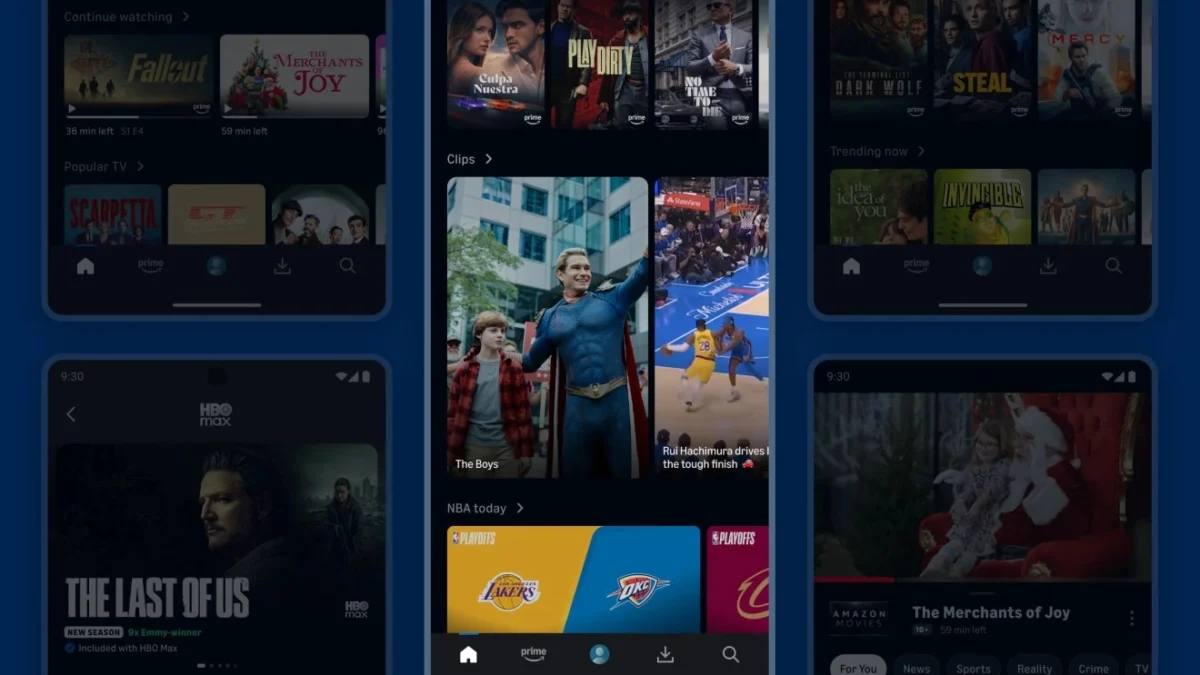
In an era defined by the dominance of short-form, algorithmic video consumption, Amazon has officially signaled its intent to pivot the Prime Video experience. On Friday, the e-commerce and streaming giant announced the launch of "Clips," a vertical, short-form video feed integrated directly into the Prime Video mobile application. The move represents a fundamental shift in how Amazon intends to capture user attention, moving away from traditional static landing pages toward an immersive, TikTok-inspired discovery engine.
The new feature, which is currently rolling out to select U.S. customers on iOS, Android, and Fire tablets, allows users to scroll through bite-sized snippets of movies and series. By mirroring the consumption habits popularized by social media platforms, Amazon aims to solve the "choice paralysis" that often plagues subscribers when faced with the vast expanse of a streaming library.
The Mechanics of Discovery: How ‘Clips’ Works
At its core, Clips is designed to act as a high-conversion gateway. When a user navigates to the Prime Video mobile homepage and scrolls down to the new "Clips" carousel, they are greeted by a full-screen, vertical feed of video content. These snippets are curated to highlight the most compelling, high-stakes, or humorous moments from Prime’s catalog.
The functionality goes beyond passive viewing. The interface is engineered for seamless conversion, allowing users to:
- Add to Watchlist: With a single tap, users can save a title for later viewing.
- Social Sharing: Integrated sharing tools allow users to send clips to friends, leveraging social proof to drive engagement.
- Direct Access: Depending on the status of the title, users can immediately rent, purchase, or begin streaming the full show or movie directly through their existing Prime subscription.
This "tap-to-action" architecture is designed to reduce the friction between discovery and consumption, effectively turning the Prime Video app into a more proactive recommendation engine.
Chronology of the Shift: From Sports Highlights to Platform-Wide Integration
The launch of Clips did not happen in a vacuum. It is the culmination of a broader strategy that Amazon has been testing for months. The genesis of this feature can be traced back to the previous NBA season, where Amazon integrated a short-form feed featuring live-game highlights.
During these early tests, Amazon observed that users responded favorably to the vertical, swipeable format. By treating entertainment content with the same interaction model as TikTok or Instagram Reels, Amazon realized it could increase the time spent in-app. This successful pilot program provided the necessary data to justify a platform-wide rollout, transitioning the feature from a sports-specific experiment to a cornerstone of the Prime Video user interface.
The Streaming Industry’s Pivot to Short-Form
Amazon’s move to adopt a vertical video feed places it firmly within an industry-wide trend. As viewer attention spans shorten, streaming services are scrambling to replicate the "discovery" models that have dominated social media for the past five years.
The Competition Landscape
The race to own the "discovery feed" is crowded:
- Netflix: Perhaps the most direct competitor in this space, Netflix has already rolled out its own short-form, vertical video feed—also named "Clips"—to help subscribers find new content.
- Peacock: Under the umbrella of NBCUniversal, Peacock has heavily invested in AI-driven, mobile-first experiences, incorporating live sports and gaming highlights into its discovery feeds.
- Tubi: Fox’s ad-supported service introduced a "Scenes" feature, which utilizes short-form video to hook viewers, particularly those who are not already committed to a specific subscription.
- Disney+ and others: While varying in implementation, the major players in the "Streaming Wars" are almost universally adopting these interface elements to combat churn and increase daily active users.
The consensus among industry analysts is that the traditional "poster art" browsing model is becoming obsolete. Platforms that fail to offer dynamic, motion-based previews risk being perceived as stagnant, particularly by younger demographics who have grown accustomed to the algorithmic fluidity of social platforms.
Official Responses and Strategic Intent
Brian Griffin, Prime Video’s Director of Global Application Experiences, emphasized that the goal of Clips is to simplify the user’s journey. "Clips gives customers a whole new way to browse with short, personalized snippets tailored to their interests," Griffin said in the official press release. "Whether they have a few minutes to scroll or are looking for something to watch when they have more time, entertainment is just a tap away."
From a corporate strategy perspective, Amazon is effectively leveraging its massive data footprint. By analyzing what users watch, how long they watch it, and which clips they choose to "tap" on, Amazon can refine its personalization algorithms with unprecedented accuracy. This is not just about showing users content; it is about learning user preferences in real-time to drive subscription renewals and transactional purchases.
Implications for the Future of Streaming
The introduction of Clips has profound implications for both content creators and consumers.
Implications for Content Discovery
For the casual viewer, this shift is largely positive. It eliminates the need to scroll through endless rows of horizontal thumbnails that offer little context regarding the actual tone or quality of a production. By presenting the most exciting moments of a film or show upfront, Amazon is effectively providing a "trailer-on-demand" experience that is far more efficient than searching for trailers on YouTube or elsewhere.
The Algorithm and the User Experience
However, the shift also highlights the increasing influence of algorithmic curation. As Prime Video moves toward a "feed-based" interface, the content that appears in a user’s "Clips" feed will be heavily dictated by machine learning models. While this ensures that users see content they are likely to enjoy, it also creates an "echo chamber" effect, where niche or experimental content may be buried in favor of high-performing, mass-appeal clips.
Monetization and Editorial Independence
Amazon’s press materials included a disclaimer noting that the company may earn a small commission on purchases made through links in its articles. While this is a standard industry practice, it underscores the integrated nature of Amazon’s ecosystem. The Clips feature serves as a bridge between content consumption and e-commerce, creating a seamless funnel that keeps users within the Amazon walled garden.
Looking Ahead: A Broader Rollout
While Clips is currently limited to the U.S. market, the trajectory of such features suggests a global expansion is imminent. The technical architecture for mobile is already in place, and Amazon has signaled that a broader rollout will occur later this summer.
As the industry continues to converge on the short-form video format, the next frontier will likely involve deeper integration with generative AI. One can imagine a future where "Clips" are generated dynamically based on a user’s specific mood or past viewing history, rather than being manually curated by editors or generic recommendation engines.
Conclusion
The launch of Clips is a definitive statement that Prime Video is no longer content to be a static library of films and shows. By embracing the aesthetics and mechanics of the modern social web, Amazon is attempting to transform the act of choosing a movie into an engaging, interactive experience.
For subscribers, this means a more dynamic way to browse, but it also reflects the broader, irreversible shift in the media landscape. We are moving away from the era of long-form, lean-back television discovery toward an era of rapid, scrollable, and algorithmic entertainment. Whether this "TikTok-ification" of streaming will lead to higher viewer satisfaction remains to be seen, but one thing is clear: Amazon is betting heavily that the future of television lies in the palm of your hand, one swipe at a time.


 Nana
Nana
 Basiran