

In the collective consciousness of travelers worldwide, Japan’s ski resorts are synonymous with the "Japow" experience—the unparalleled, light-as-air powder snow that blankets the northern and mountainous regions from December to March. However, a significant paradigm shift is underway in the Japanese tourism sector. Recognizing the potential of their high-altitude assets, resort operators are aggressively transforming these winter wonderlands into vibrant, year-round destinations.
As Japan grapples with increasingly intense summer heatwaves, the country’s high-altitude ski resorts have emerged as a strategic solution for domestic and international travelers alike. Offering crisp mountain air, dramatic cloud-based phenomena, and adrenaline-fueled adventure parks, these destinations are no longer hibernating; they are thriving.
The Shift Toward Year-Round Mountain Tourism
Historically, ski resorts in Japan faced a seasonal "valley" in their business models, where operations would cease entirely once the snowmelt signaled the arrival of spring. The recent pivot toward summer leisure is driven by both environmental necessity and changing consumer demand.
With urban centers like Tokyo and Osaka regularly exceeding 35°C (95°F) during the summer months, the appeal of a retreat located at an altitude of 1,500 meters or higher is undeniable. These resorts provide a natural cooling effect, often maintaining temperatures significantly lower than the valley floors. By repurposing gondolas, ropeways, and existing lodge infrastructure, these companies have successfully rebranded the mountain as an accessible summer playground.
Ryuoo Mountain Resort: Where Clouds Become the Attraction
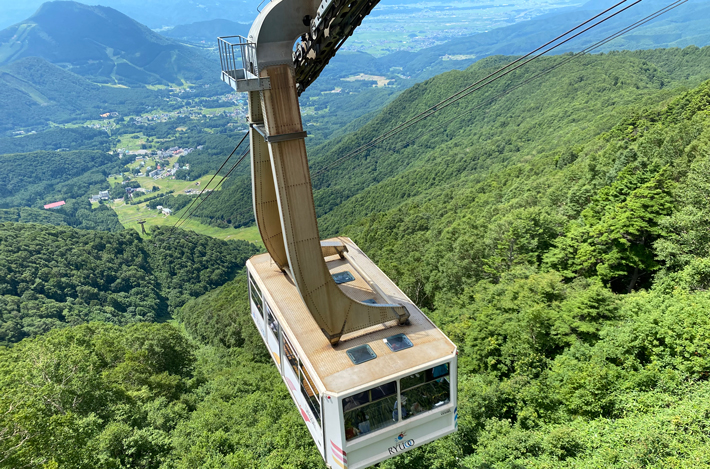
Located in the Kitashiga Highlands of Nagano Prefecture, the Ryuoo Mountain Resort has mastered the art of "scenic marketing." The resort’s centerpiece, the SORA terrace, is situated at an elevation of 1,770 meters (5,807 feet) and is reached via one of the world’s longest ropeways.
The Science of the Sea of Clouds
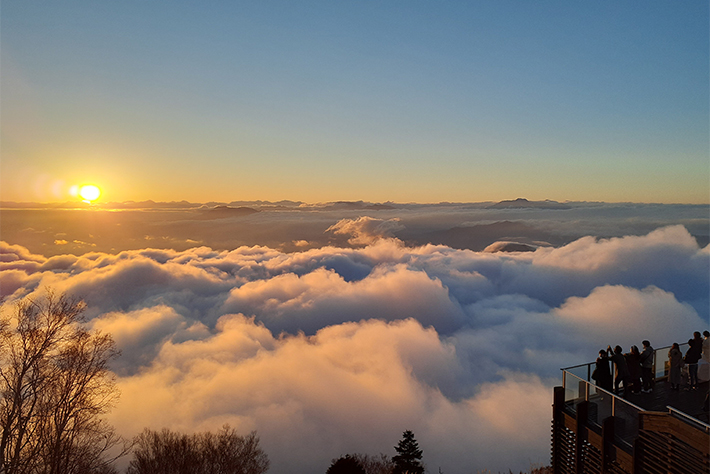
The primary draw at Ryuoo is the "sea of clouds"—a meteorological phenomenon where thick layers of clouds settle below the observer’s eye level. While the occurrence of these vistas is subject to atmospheric conditions, Ryuoo’s strategic location allows for a remarkable 65.9% success rate, as recorded in 2022. Interestingly, meteorological data suggests that these clouds appear more frequently during the evening than the early morning, allowing visitors to enjoy the view without the necessity of a pre-dawn wake-up call.
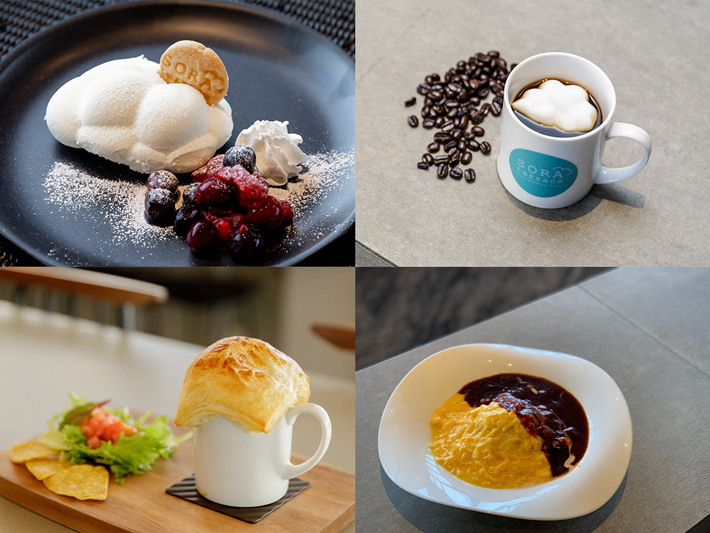
Beyond the scenery, the resort has invested heavily in "cloud-themed" culinary experiences. The SORA terrace café features a menu curated with locally sourced Nagano produce and inventive sweets that mimic the visual aesthetic of the clouds. This attention to detail has turned the café into a social media phenomenon, driving significant foot traffic from younger demographics.
Glamping and the Celestial Canopy
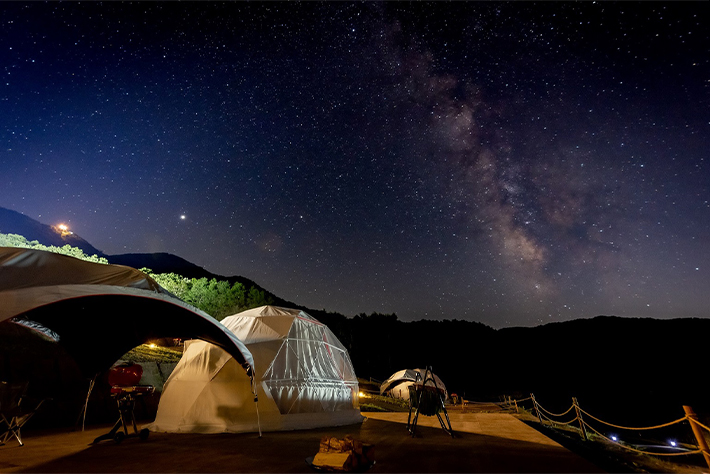
To maximize the visitor experience, Ryuoo has diversified its offerings with a luxury glamping facility at the mountain’s base. Because the air quality at this altitude is pristine and light pollution is minimal, the resort provides an unobstructed view of the Milky Way. By blending high-end dining with stargazing, Ryuoo has successfully captured the "slow travel" market, encouraging guests to stay overnight rather than treating the mountain as a mere day trip.
Hakuba Happo-One: A Fusion of Adventure and Wellness
Hakuba, often dubbed the "mecca of winter sports" in Japan, has leveraged its reputation to become a hub for summer trekking and alpine wellness.
Trekking for Every Skill Level
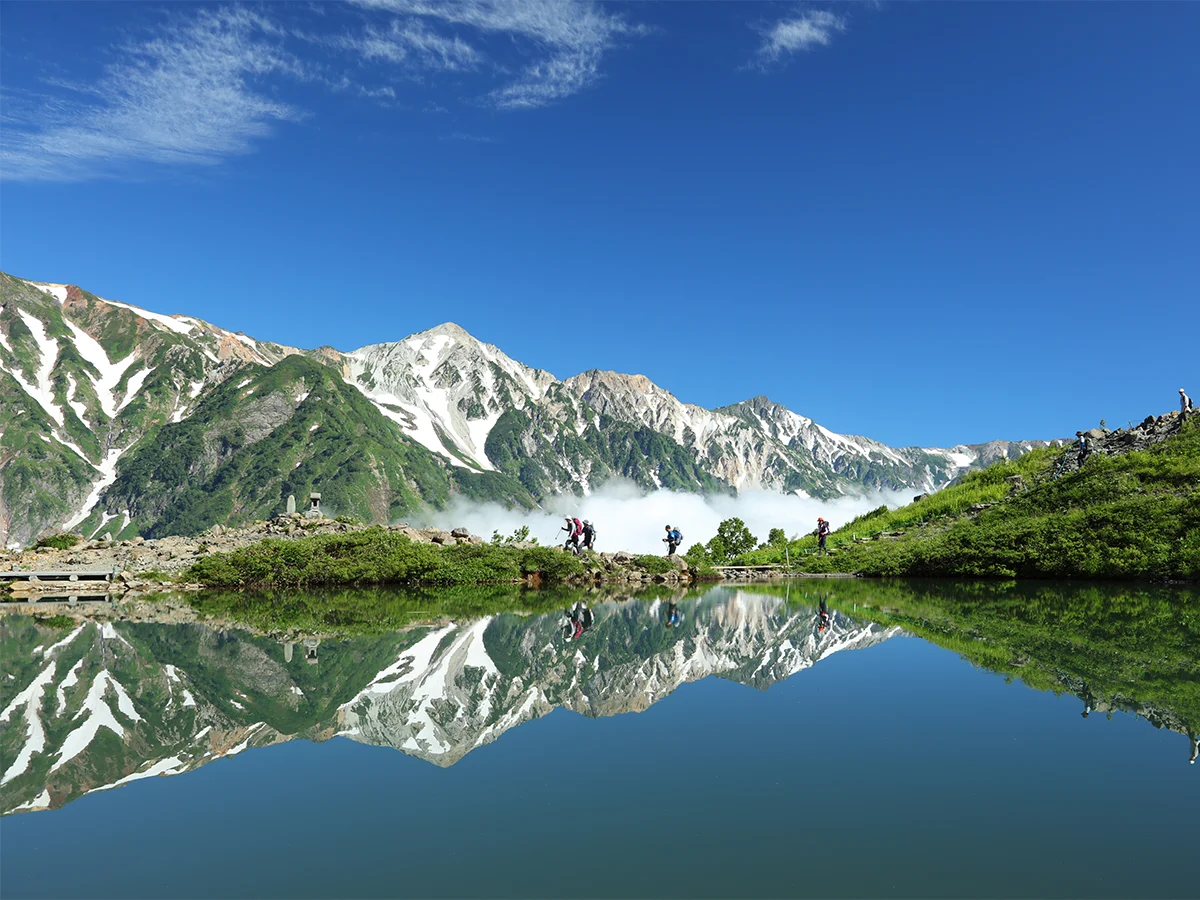
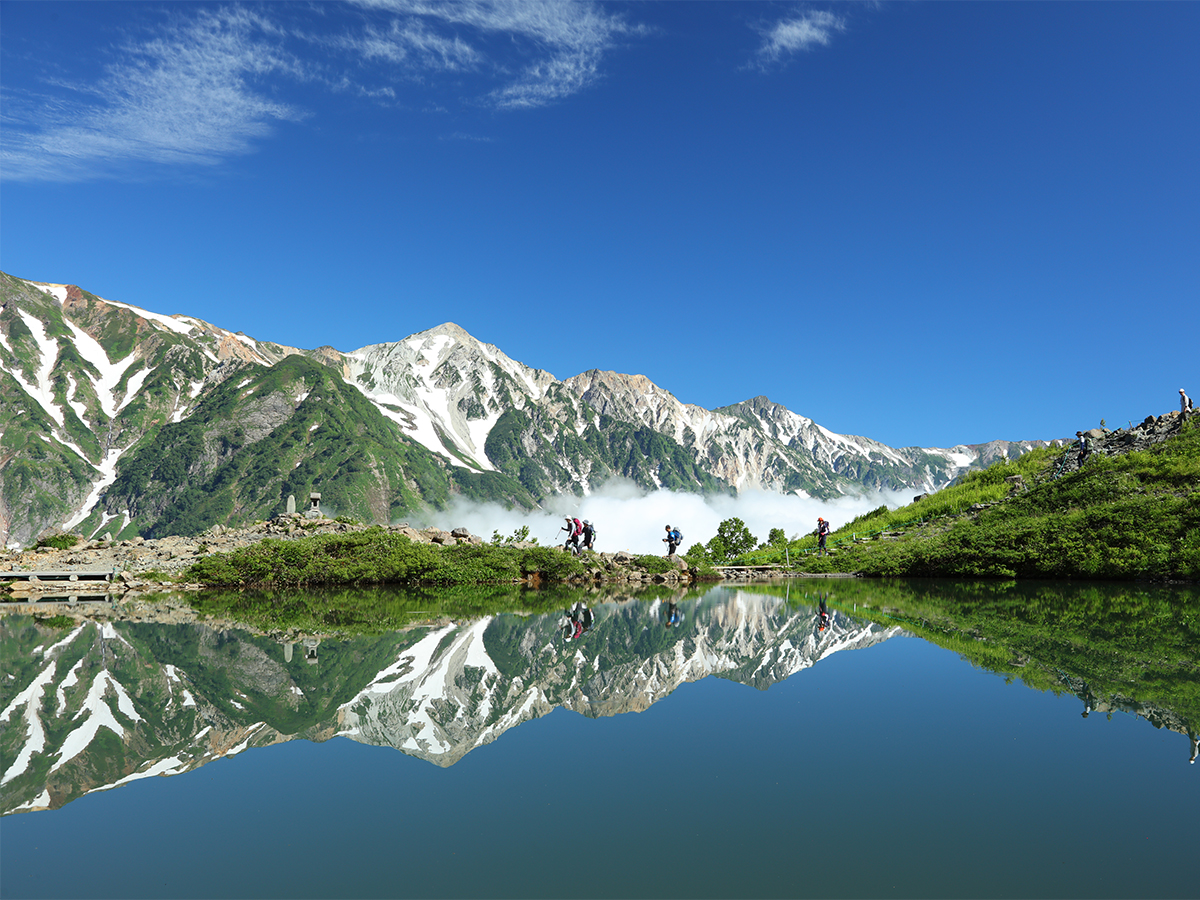
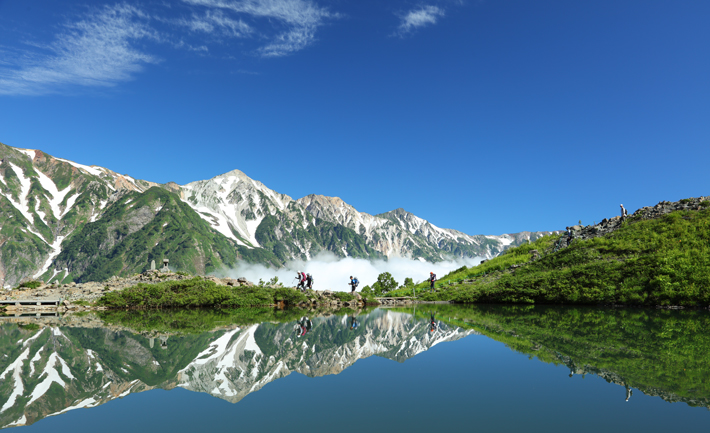
The crown jewel of the Hakuba summer experience is the hike to Happo Pond. By utilizing the gondola and lift network, visitors can bypass the strenuous lower-mountain ascent, placing them at an altitude of 1,800 meters with minimal physical exertion. From there, a well-maintained trail leads to the pond, where the three peaks of the Hakuba mountain range are mirrored in the water.
Crucially, the resort has maintained a beginner-friendly trail infrastructure. Because the area sits above the timberline, the path is devoid of heavy brush, providing panoramic views throughout the entire trek. This design choice ensures that the mountain is accessible to families and casual hikers, not just seasoned mountaineers.
The "Beach" at 1,400 Meters
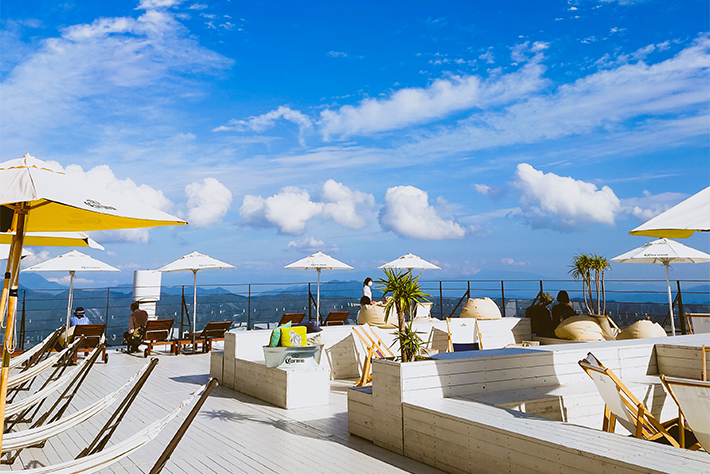
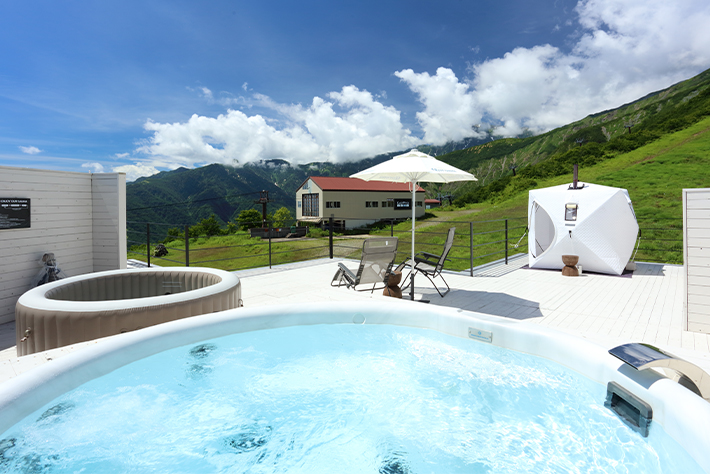
In a creative juxtaposition of concepts, the resort launched "HAKUBA MOUNTAIN BEACH." This facility reimagines the mountain experience by importing the aesthetics of a coastal resort—complete with sand-inspired seating and beach-themed gastronomy—to an altitude of 1,400 meters. The inclusion of a sauna and jacuzzi, tapping into the recent Japanese "sauna boom," allows visitors to recover from their hike in a high-altitude setting that combines the fresh mountain breeze with spa-grade relaxation.
Tsugaike Mountain Resort: The Hub of High-Altitude Adrenaline
For families and thrill-seekers, the Tsugaike Mountain Resort offers an entirely different proposition. It has been transformed into the largest outdoor adventure park in the region, centered around the "WOW!" facility.
The "WOW!" Adventure Factor
The "WOW!" park is designed to challenge visitors through high-energy, gravity-defying activities. Key attractions include:
- Cogidas: An aerial cycling experience that allows guests to traverse the sky on a wire.
- Tobidas: A vertical drop challenge where participants slide down a 12-meter (39-foot) ramp on a rubber tube before launching into the air.
- Zip-lining and Bouldering: Standardized adventure activities that allow for multi-generational participation.
The resort’s strategy here is clearly defined: provide a range of activities that cater to varying physical capabilities. By ensuring that there is a balance between extreme sports for the brave and more relaxed nature-walking for those interested in the local flora, Tsugaike has positioned itself as an ideal destination for diverse groups and family reunions.
Biodiversity and Preservation
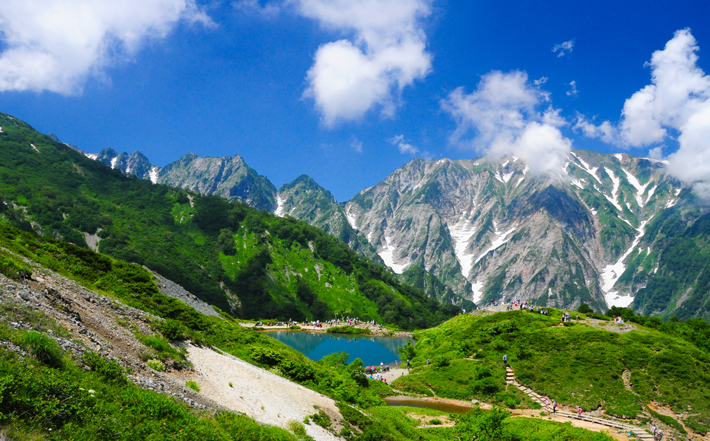
Further up the mountain, the resort provides access to one of Japan’s most significant high-altitude wetlands. At 1,900 meters, visitors can explore diverse ecosystems that remain largely untouched. The resort operators have partnered with environmental groups to offer guided tours, ensuring that the increase in human traffic does not come at the cost of the region’s delicate biodiversity.
Implications for the Japanese Tourism Economy
The transition of these resorts toward year-round operation has profound implications for the Japanese economy.
- Sustainable Employment: Seasonal employment has long been a struggle for mountain towns. By maintaining operations throughout the summer, resorts can offer longer-term contracts to staff, fostering a more experienced and professional workforce.
- Infrastructure Optimization: The reliance on existing Shinkansen and highway bus routes makes these resorts accessible to the domestic market. A traveler can leave Tokyo in the morning and be at the summit of a mountain by the afternoon.
- Climate Change Resilience: As winter snow seasons potentially shorten due to global climate trends, the diversification into summer revenue streams serves as an insurance policy for resort owners.
A New Era of Travel
The consensus among industry analysts is that the "ski resort as a summer destination" model is no longer a niche concept—it is a cornerstone of future Japanese domestic tourism. The ability to combine the luxury of alpine resorts with the accessibility of modern gondola transport has removed the traditional barriers to entry for mountain tourism.
Whether one is seeking the dramatic, ethereal vistas of the sea of clouds at Ryuoo, the serene, reflective waters of Happo Pond, or the adrenaline-filled circuits of Tsugaike, these mountains offer a respite from the modern world. For those planning a Japanese itinerary, the summer season now offers a unique opportunity to see these peaks in a new, vibrant light—one that is far cooler, greener, and more exhilarating than ever before.












No comments yet. Be the first to join the conversation!