

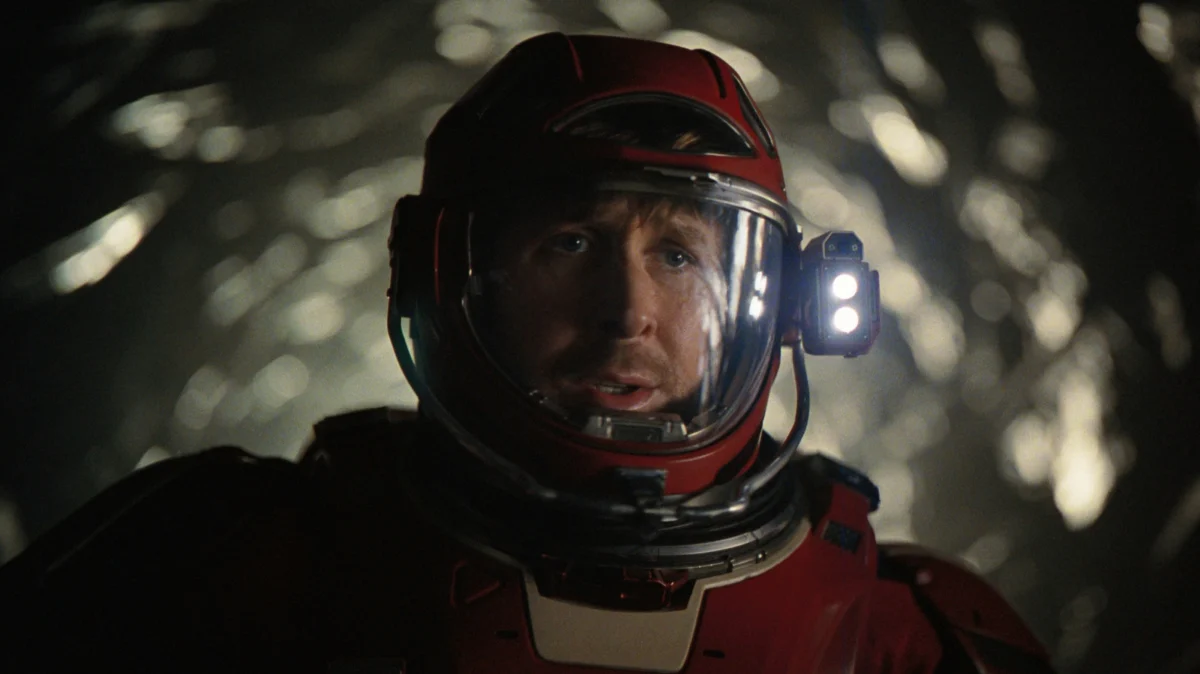
In the landscape of modern cinema, where the box office is perpetually dominated by established intellectual properties, sequels, and cinematic universes, the meteoric rise of Project Hail Mary stands as a defiant anomaly. Directed by the visionary duo Phil Lord and Chris Miller—known for their kinetic, genre-bending approach to storytelling in The LEGO Movie and Spider-Man: Into the Spider-Verse—and anchored by a deeply nuanced performance from Ryan Gosling, the film has captured the cultural zeitgeist in a way few non-franchise projects manage.
As the film continues its historic run, author Andy Weir, the architect of the source material, has stepped forward to offer his personal perspective on the adaptation. For an author who has seen his work translated to the screen with immense success—starting with the 2015 adaptation of The Martian—Weir’s endorsement carries significant weight. Recently, he identified the two specific moments in the film that he believes transcend the page, marking them as the definitive highlights of the cinematic experience.
The Creative Nexus: Two Moments of Cinematic Brilliance
In a recent interview with Space.com, Andy Weir provided a rare glimpse into his experience watching his literary creation breathe on the big screen. When asked to identify his favorite sequences, Weir bypassed the grand, sweeping shots of deep space or the heavy technical exposition that often defines his work, choosing instead to focus on the emotional and high-stakes core of the narrative.
The Genesis of Communication
Weir first highlighted the "first contact" sequence, where Ryland Grace (Ryan Gosling) and the alien entity known as Rocky initiate their tentative, often humorous, and ultimately profound attempts to bridge the gap between two entirely different biological existences.
"It’s kind of a tie," Weir noted. "The first contact stuff when Ryland and Rocky are trying to interact with each other and create a shared language. And the other one would be the fishing sequence when they have to get a sample from Adrian’s atmosphere; that’s really pulse-pounding."
The "first contact" scene is a masterclass in visual storytelling. Because the two characters occupy different atmospheric environments—Ryland in human-breathable air and Rocky in a pressurized, ammonia-heavy chamber—they are physically separated by a partition. This forced isolation becomes the film’s most compelling narrative device, requiring the audience to engage with a complex, non-verbal logic puzzle alongside the characters.
The "Fishing" Sequence: Science as Suspense
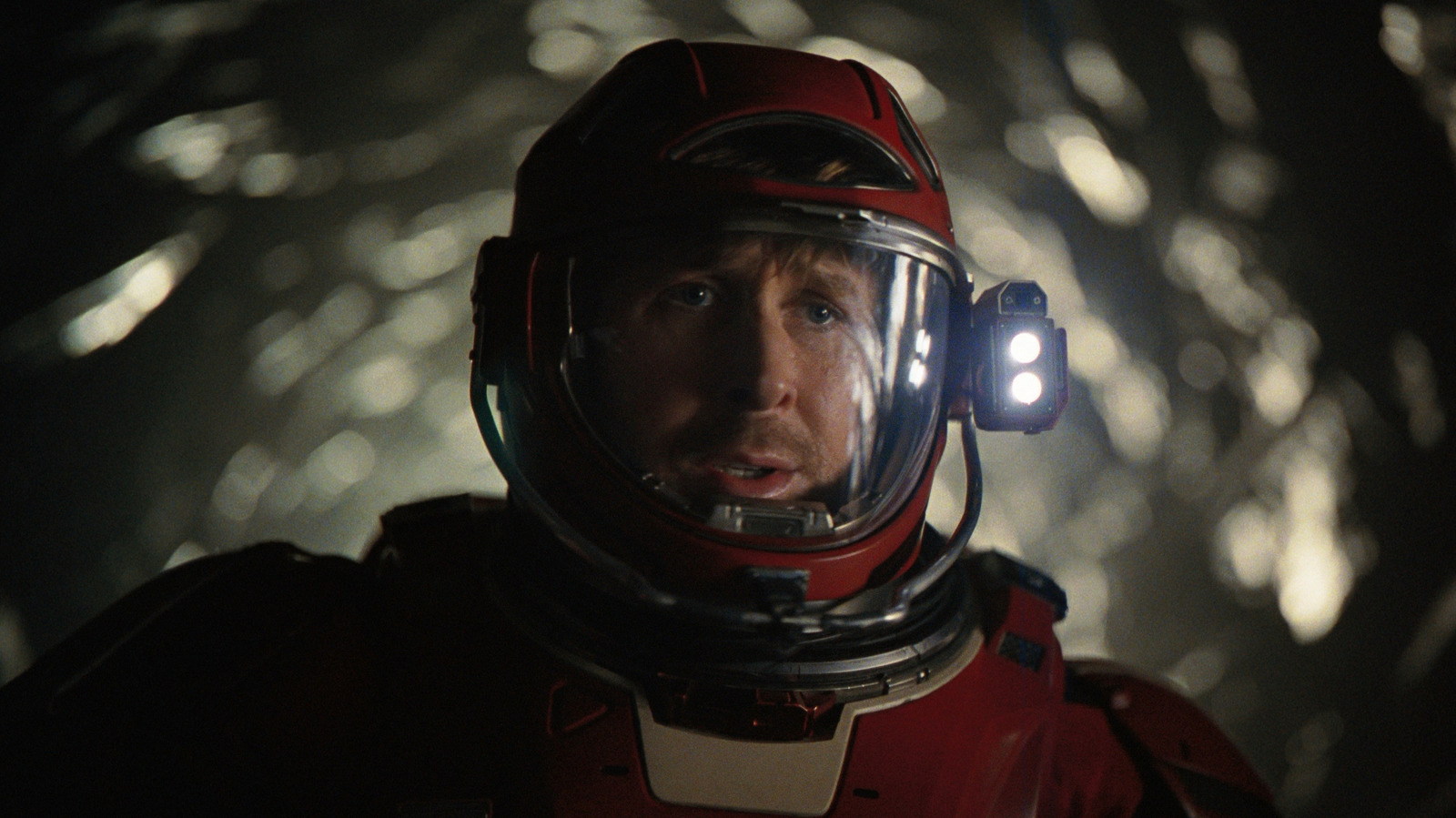
The second moment, the "fishing" sequence, represents the synthesis of Weir’s "hard science" approach and Lord and Miller’s kinetic directing style. Tasked with gathering a sample from the atmosphere of the planet Adrian to synthesize a cure for the Astrophage—the star-consuming pathogen threatening the galaxy—the duo must execute a maneuver of terrifying precision. It is a moment where the stakes are elevated from personal survival to the preservation of all life in the universe. It serves as the emotional and structural climax of their collaborative efforts, showcasing how the film successfully adapts Weir’s technical descriptions into visceral, high-stakes action.
A Chronology of Success: From Blog Posts to Blockbuster
The journey of Project Hail Mary to the silver screen is a testament to the changing dynamics of Hollywood storytelling.
- 2011: Andy Weir begins serializing The Martian on his personal blog, a project that eventually leads to global literary acclaim.
- 2015: Ridley Scott directs The Martian, proving that Weir’s brand of "competence porn"—stories about smart people solving impossible problems—is highly viable for the big screen.
- 2021: The novel Project Hail Mary is published, immediately hitting bestseller lists and garnering praise for its heart and humor.
- 2024-2025: Production under Amazon MGM Studios moves forward, with Lord and Miller attached to helm, ensuring a balance between intellectual rigor and emotional depth.
- March 2026: The film premieres to widespread critical acclaim, with reviewers citing it as one of the finest science fiction films of the decade.
- Present Day: The film continues its steady climb in global box office rankings, cementing its status as a "unicorn" of the current cinematic era.
Supporting Data: Why "Project Hail Mary" is a Box Office Unicorn
The success of Project Hail Mary is not merely anecdotal; the numbers reflect a significant shift in audience appetite. With a worldwide box office haul currently sitting at $639 million and growing, the film has outperformed several major franchise entries released in the same window.
Market Performance Metrics
- Sustainability: Unlike many modern blockbusters that experience a sharp decline after their opening weekend, Project Hail Mary has demonstrated "legs," with sustained attendance figures indicating strong word-of-mouth.
- Demographic Reach: Audience surveys indicate that the film’s appeal spans generations, bridging the gap between hardcore science fiction fans and general moviegoers drawn by Gosling’s star power.
- Streaming Strategy: Amazon MGM Studios’ decision to maintain an exclusive theatrical window, rather than rushing the title to Prime Video, has been cited by analysts as a key factor in maximizing the film’s perceived value and longevity.
The Visionary Approach: Official Responses and Creative Intent
The success of the film is largely attributed to the synergy between Weir’s source material and the creative instincts of Lord and Miller. In various press junkets, the directing duo has expressed that their primary goal was to capture the "optimism of intelligence."
"Andy wrote a story about the inherent goodness of curiosity," Phil Lord remarked during a panel discussion. "Our job was to make sure that the audience felt that same sense of wonder when Grace and Rocky look at each other for the first time."
Ryan Gosling, who has been widely praised for his performance as Ryland Grace, emphasized the challenge of acting against a character that—for much of the film—is a practical effect or a digital construct. "You aren’t just playing a character," Gosling noted. "You’re playing a translator. You’re translating science into hope, and that’s a very specific emotional frequency to maintain."
Implications for the Future of Sci-Fi
The triumph of Project Hail Mary holds several implications for the future of the science fiction genre in Hollywood.
1. The Power of Originality
For years, the industry mantra has been that "original" intellectual property is a financial liability. Project Hail Mary has effectively dismantled this narrative, proving that audiences are starved for stories that challenge them intellectually while providing the scale and polish of a blockbuster.
2. "Competence" as Entertainment
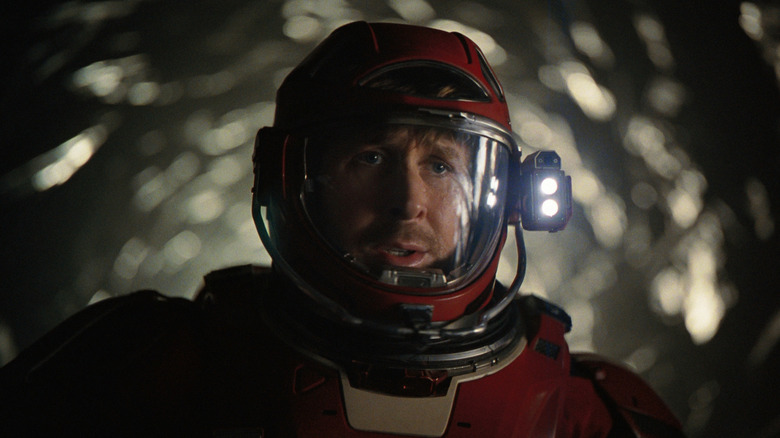
Weir’s style, which focuses on characters using their knowledge and skills to overcome insurmountable odds, has proven to be a reliable formula. Following the success of this film, studios are likely to greenlight more "competence-based" narratives that favor problem-solving over standard action-movie tropes.
3. The Awards Season Trajectory
Given the critical consensus and the film’s profound impact on audiences, industry pundits are already speculating about the film’s potential for awards season recognition. Beyond the technical categories—where the film is a lock for visual effects and sound design—there is mounting pressure to consider it for Best Picture and Best Adapted Screenplay.
4. A New Benchmark for Adaptation
Finally, the film sets a new bar for how authors can be involved in the adaptation process. Weir’s willingness to publicly praise the film—and his active engagement with the film’s narrative shifts—has created a positive feedback loop between the creator and the audience, bolstering the film’s legitimacy.
Conclusion
Project Hail Mary is more than just a box office success story; it is a rare alignment of talent, material, and timing. By grounding the vast, terrifying emptiness of space in the intimate, desperate friendship between a human teacher and an alien engineer, the film manages to be both a technical marvel and a deeply moving human (and non-human) experience. As Andy Weir noted, the "pulse-pounding" nature of the film is secondary to the heart of the story—the idea that even across the vastness of the cosmos, the desire to connect, learn, and survive is a universal constant.
As the film continues to draw crowds, it leaves behind a legacy that will likely influence science fiction cinema for the next decade, reminding us that sometimes, the greatest adventures are the ones that require us to reach out, learn a new language, and solve the problem together.











No comments yet. Be the first to join the conversation!