

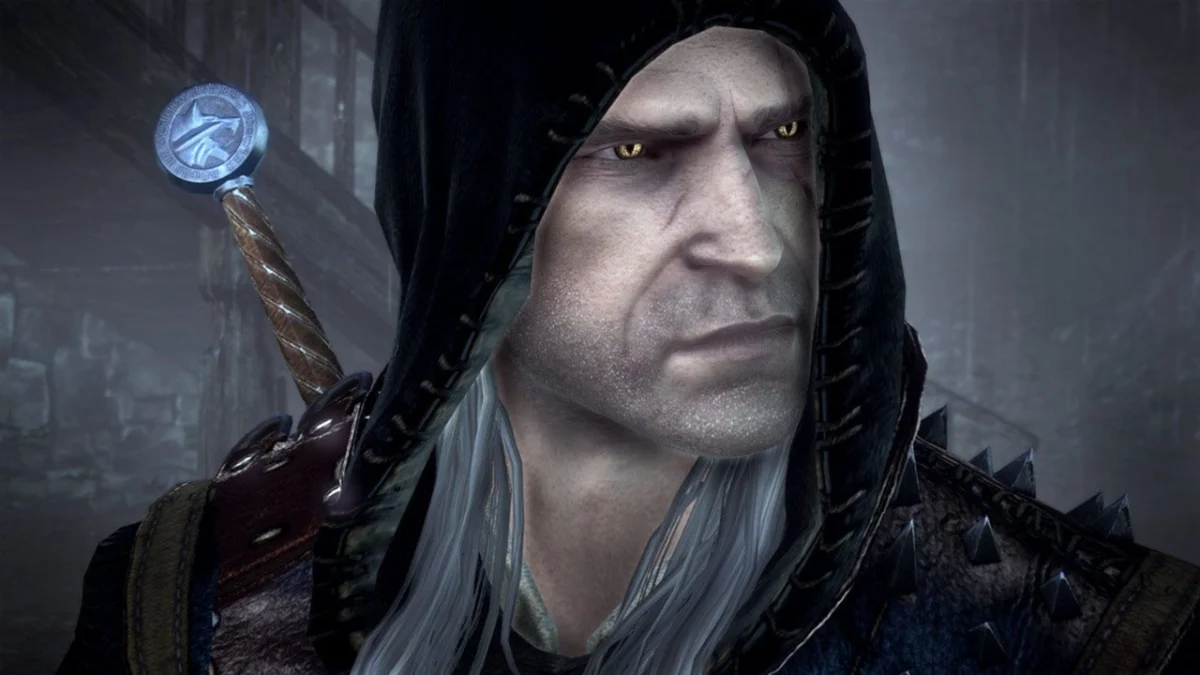
The Witcher franchise has evolved from a niche collection of Polish fantasy novels into a global multimedia juggernaut. At the heart of this transformation is CD Projekt Red, whose dedication to building a living, breathing "Continent" has redefined the role-playing genre. For newcomers and veterans alike, navigating the dense thicket of Witcher titles—ranging from sprawling open-world epics to intimate, card-based tactical experiences—can be an intimidating task.
With the franchise currently standing at a crossroads, between the enduring legacy of The Witcher 3: Wild Hunt and the highly anticipated Witcher 1 Remake and the upcoming mainline sequel, we have synthesized the essential Witcher gaming experiences. This ranking evaluates these titles based on their narrative depth, mechanical innovation, and accessibility on modern hardware as of 2026.
The Evolution of the Continent: A Chronology of Releases
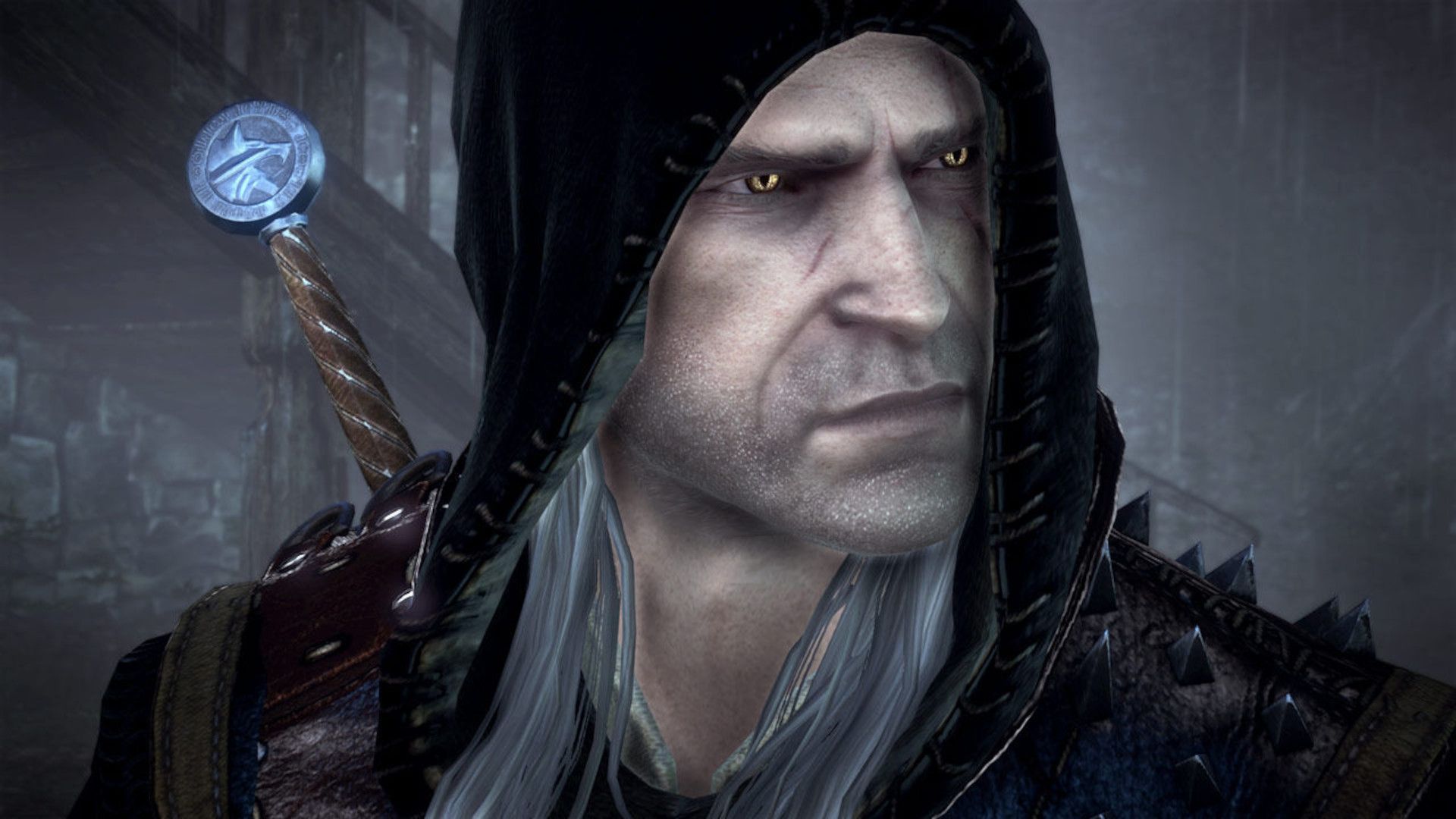
The history of The Witcher in gaming is one of gradual refinement. It began in 2007 with a modest, albeit ambitious, PC-exclusive RPG that introduced the world to the stoic, white-haired mutant Geralt of Rivia. Over the next two decades, the series expanded beyond the traditional RPG format, embracing spin-offs, board game adaptations, and innovative card-based narrative titles.
- 2007/2008: The Witcher / The Witcher Enhanced Edition – The gritty, rough-around-the-edges beginning.
- 2011: The Witcher 2: Assassin of Kings – A leap in production value, narrative complexity, and mechanical polish.
- 2014: The Witcher Adventure Game – A digital translation of the tabletop experience.
- 2015: The Witcher 3: Wild Hunt – A watershed moment for the open-world genre.
- 2018: Thronebreaker: The Witcher Tales – A narrative-heavy deck-building departure.
- 2018: Gwent: The Witcher Card Game – The standalone evolution of the beloved in-game mini-game.
- 2026: Reigns: The Witcher – A satirical, fast-paced narrative experiment.
The Ranking: Every Witcher Game, Analyzed
7. The Witcher: Enhanced Edition Director’s Cut
While historically significant, the original Witcher is the entry point only for the most dedicated lore enthusiasts. Released in 2007, it struggled with an experimental combat system and pacing that feels antiquated by modern standards. However, it laid the foundational moral grayness that would become the series’ trademark. With a full-scale remake currently in development by CD Projekt Red, most players are advised to wait for the modernized iteration rather than grappling with the 2008 mechanics.
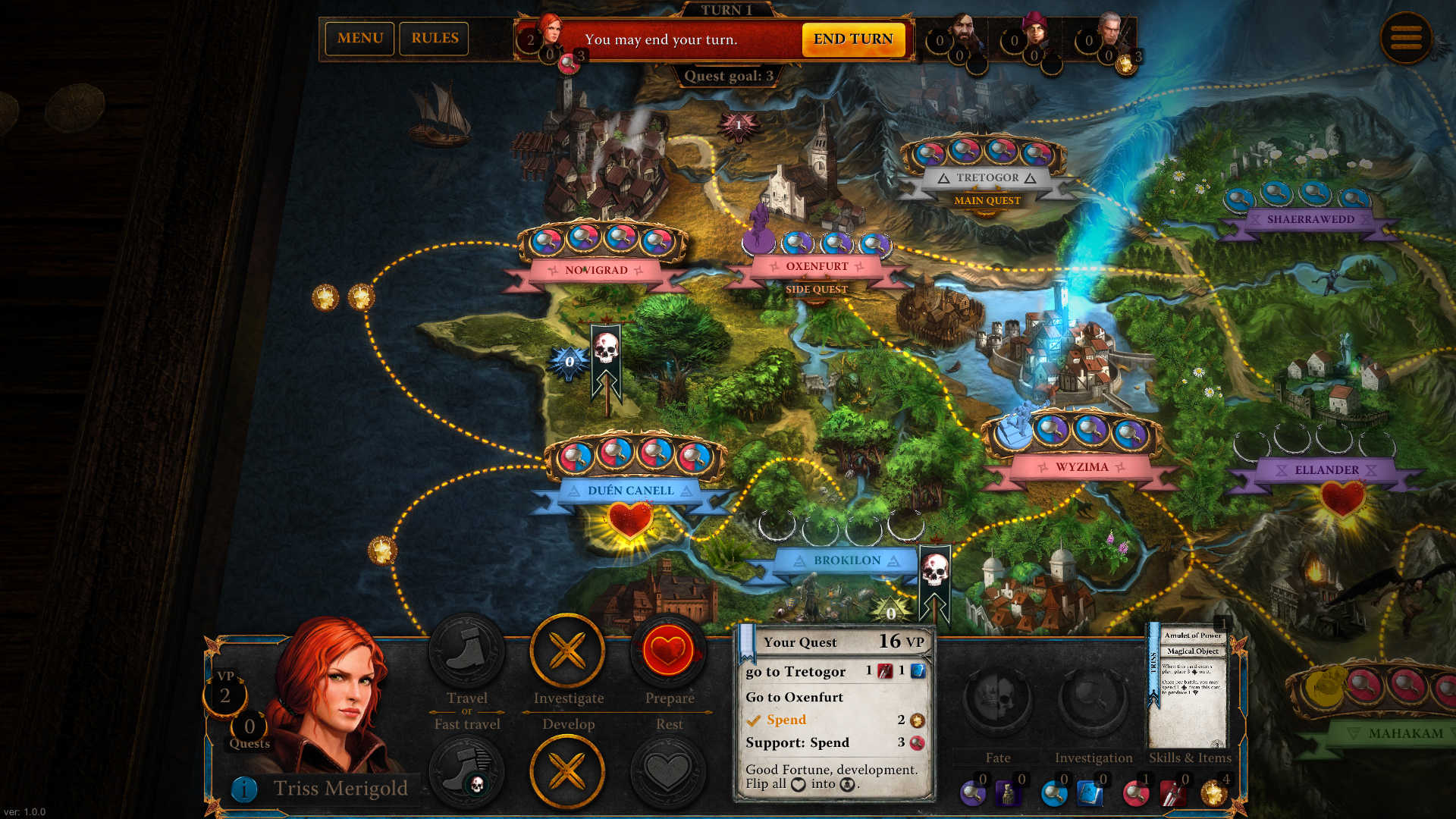
6. The Witcher Adventure Game
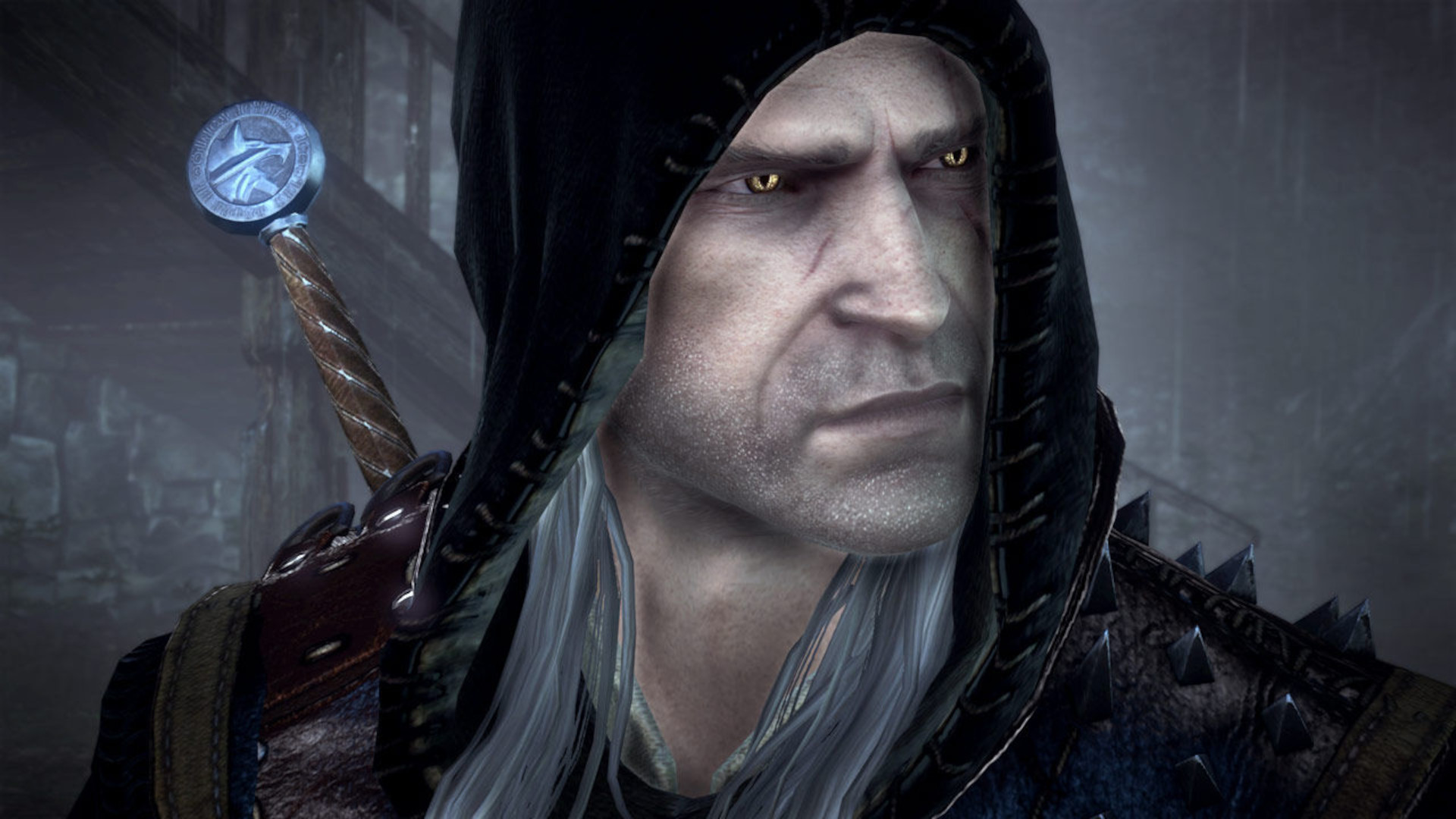
This title serves as a digital adaptation of the physical board game. It captures the essence of the Continent’s politics and monster-hunting lore, allowing players to choose from iconic characters like Geralt, Triss, Dandelion, or Yarpen Zigrin. While it offers a strategic alternative to the series’ action-heavy roots, its UI and mobile-centric aesthetic can feel dated. It remains a niche recommendation for those who prefer board-game mechanics over real-time combat.
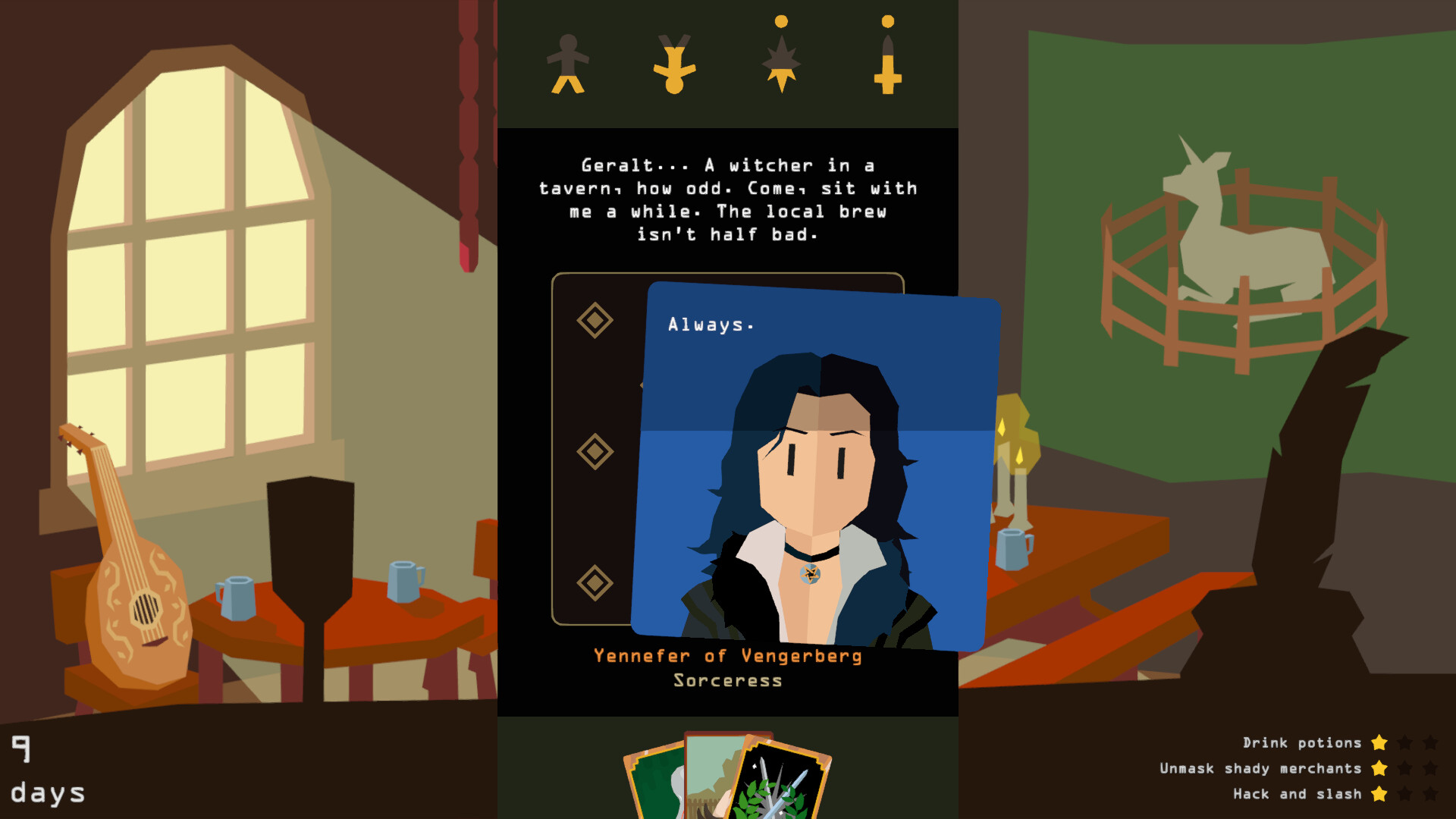
5. Reigns: The Witcher
The newest addition to the series, Reigns: The Witcher, brings a refreshing, lighthearted tone to a franchise often defined by grim misery. By utilizing the "Tinder-swipe" mechanics of the Reigns series, players navigate the world through the perspective of Jaskier the bard. It is the perfect "quick-play" title, stripping away the mechanical bloat of standard RPGs to focus on witty writing and consequence-heavy decision-making.
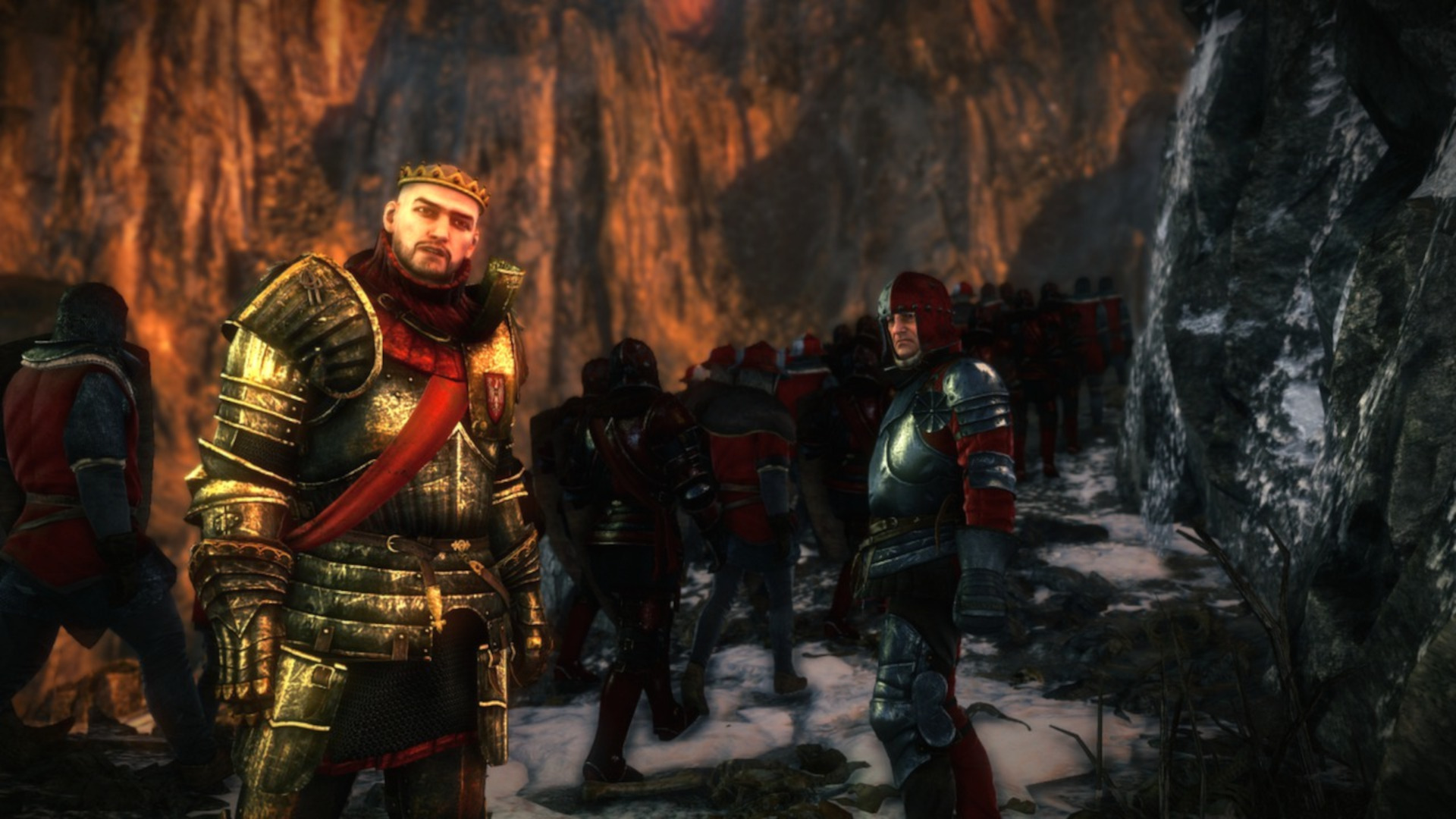
4. The Witcher 2: Assassin of Kings
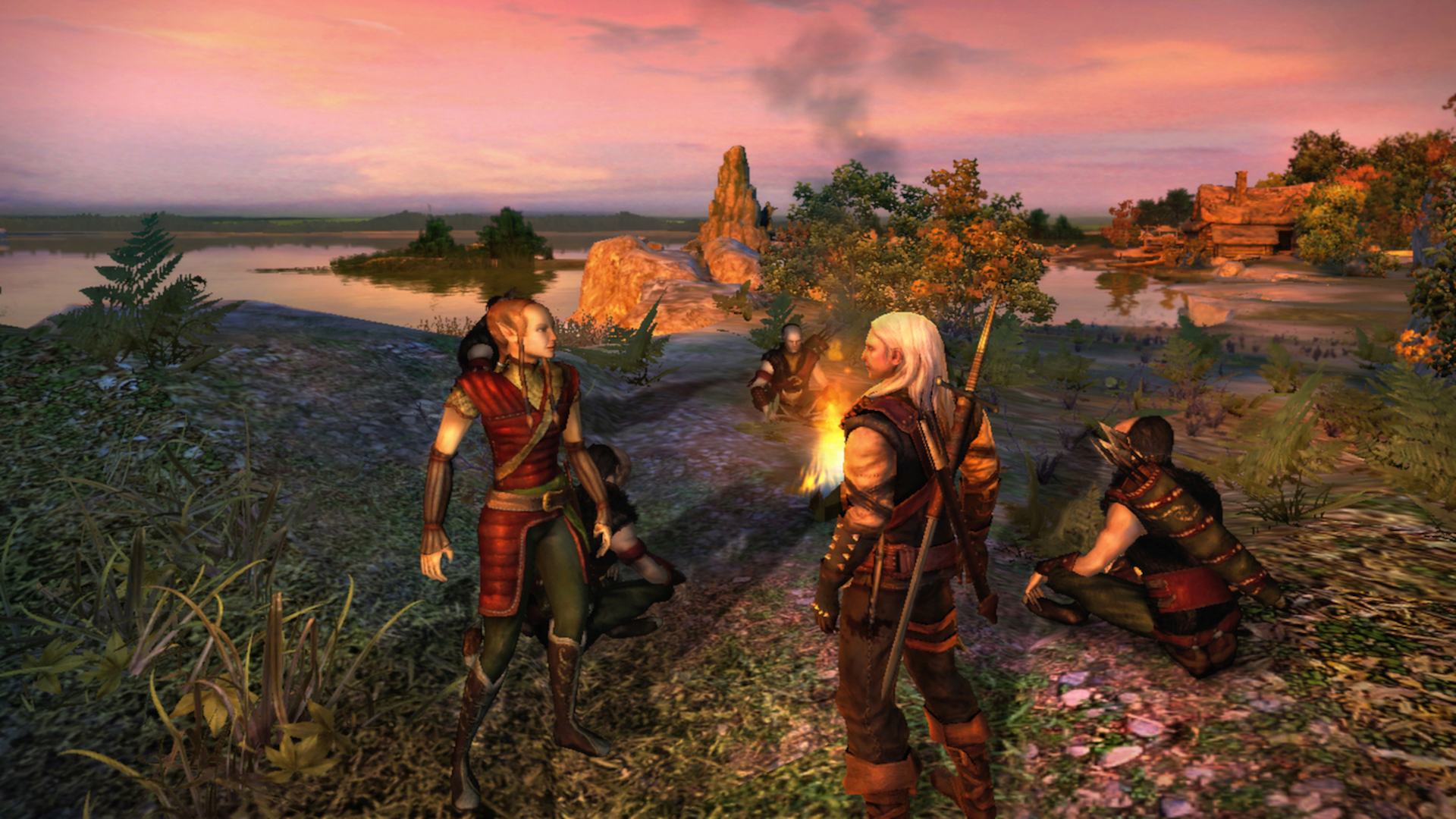
For many, The Witcher 2 represents the true "coming of age" for the franchise. By jettisoning the clunky design of the first game, CD Projekt Red crafted a tight, politically charged narrative that allowed for significant branching paths. Its combat was more challenging, its world more vibrant, and its story more mature. Despite its age, the game remains a masterclass in narrative design, though it remains notably absent from PlayStation platforms, tethering it to PC and Xbox consoles.
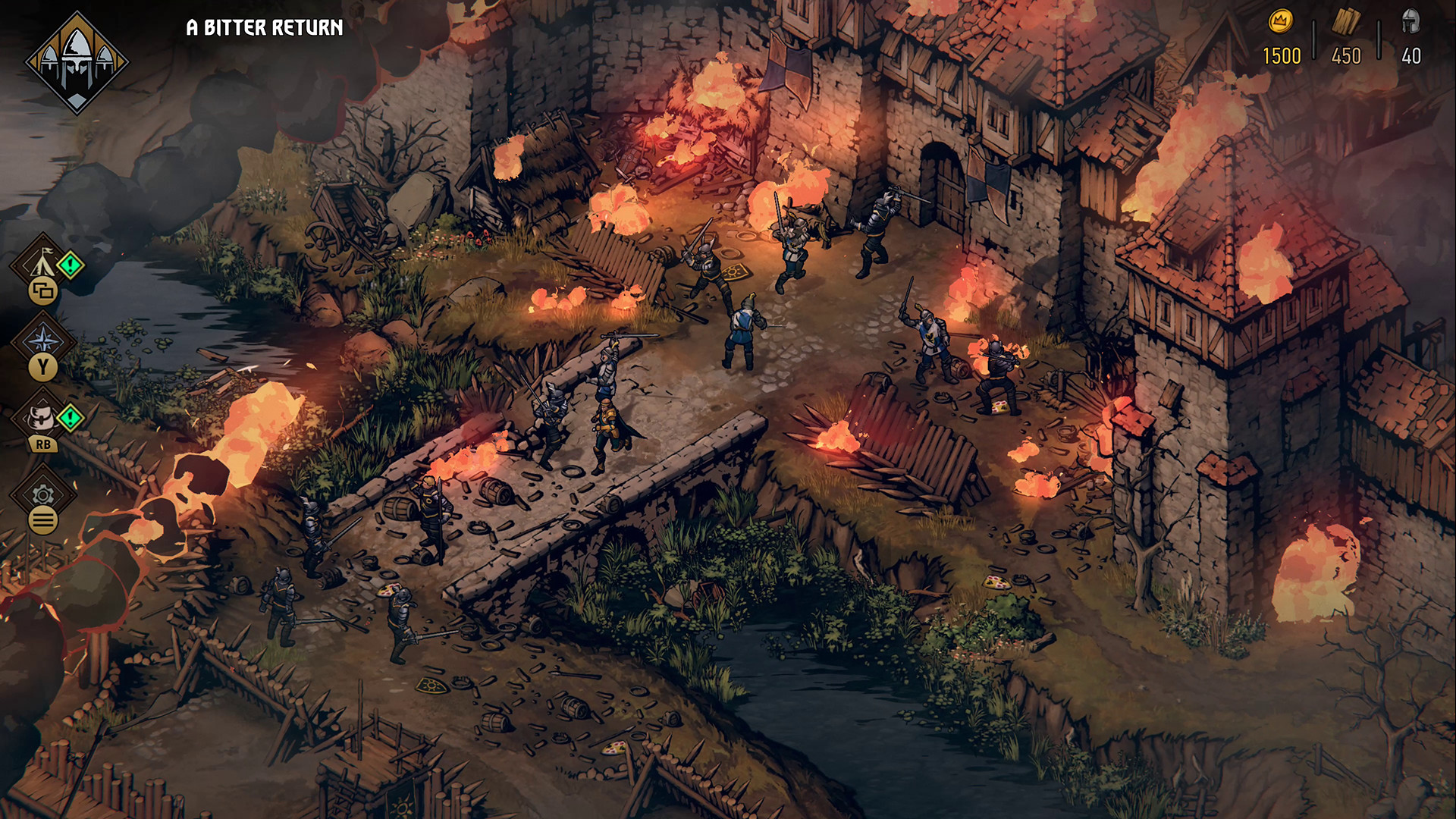
3. Thronebreaker: The Witcher Tales
Thronebreaker is perhaps the most underrated gem in the series. It combines deep, isometric exploration with a sophisticated Gwent-based combat system. Players assume the role of Queen Meve, managing a kingdom under siege. The narrative impact of your choices is profound, with consequences that ripple through the story for dozens of hours. It proves that the Witcher universe is not defined solely by Geralt, but by the complex, war-torn world he inhabits.
2. Gwent: The Witcher Card Game
Born from the legendary mini-game in The Witcher 3, Gwent evolved into a robust, standalone competitive card game. Even after CD Projekt Red transitioned the title to community-led "Gwentfinity" balancing in 2023, the game remains highly active. Its success lies in its simplicity—a "best of three" structure that prioritizes resource management over the typical "hit point" attrition of other trading card games.
1. The Witcher 3: Wild Hunt
Unsurprisingly, the 2015 masterpiece remains the pinnacle of the series. The Witcher 3 is more than just a game; it is a cultural touchstone. Whether it is the sprawling beauty of Velen, the political tension of Novigrad, or the melancholic splendor of Toussaint in the Blood and Wine expansion, the game offers an unparalleled sense of place. It perfected the "monster hunter" fantasy, blending investigative detective work with high-stakes combat. For anyone looking to experience the absolute best the series has to offer, Wild Hunt is the definitive destination.
Supporting Data: Why Consistency Matters
The success of these titles is not accidental. CD Projekt Red has maintained a rigorous standard of "Choice and Consequence," a philosophy that permeates every game on this list. Data suggests that The Witcher 3 maintains a higher player retention rate than nearly any other single-player RPG of its era. This is attributed to the "Witcher Effect"—the tendency of players to feel genuine emotional weight in their decisions, whether it involves saving a village from a curse or choosing which political leader to support.
Furthermore, the shift toward mobile-friendly and card-based titles like Thronebreaker and Reigns indicates a strategic expansion of the brand. By diversifying the gameplay loop, the developers have ensured that the Witcher intellectual property remains relevant even during long gaps between mainline, massive-scale RPG releases.
Official Responses and Future Outlook
CD Projekt Red has been transparent regarding their roadmap for the future. With the announcement of the Witcher 1 Remake (utilizing Unreal Engine 5), the studio is committed to bringing its earliest successes up to the technical standard set by Wild Hunt. Simultaneously, the development of the "Polaris" project (the next mainline Witcher title) suggests that the studio is looking to iterate on the open-world formula rather than reinvent it entirely.
"We want to respect the legacy of the previous titles while pushing the boundaries of what a narrative RPG can be in the modern era," a spokesperson for the studio noted in a recent investor briefing. This sentiment underscores the company’s dual focus: preserving the historical integrity of their back catalog while aggressively pursuing innovation for the next generation of hardware.
Implications for the Player
What does this hierarchy mean for you? If you are a newcomer, the path is clear: start with The Witcher 3. Its polish and accessibility make it the most welcoming entry point. For those who have already conquered the Continent, Thronebreaker offers the best narrative expansion of the lore, while Gwent remains the go-to for competitive, long-term engagement.
The Witcher franchise, at its core, is a story about the intersection of humanity and monstrosity. Whether you are playing a complex, 100-hour open-world epic or a simple, witty card game on your commute, the DNA of the series remains consistent. As we look toward the future of the series, these seven titles stand as a testament to one of the most successful adaptations in gaming history—a legacy that shows no sign of fading.











No comments yet. Be the first to join the conversation!