

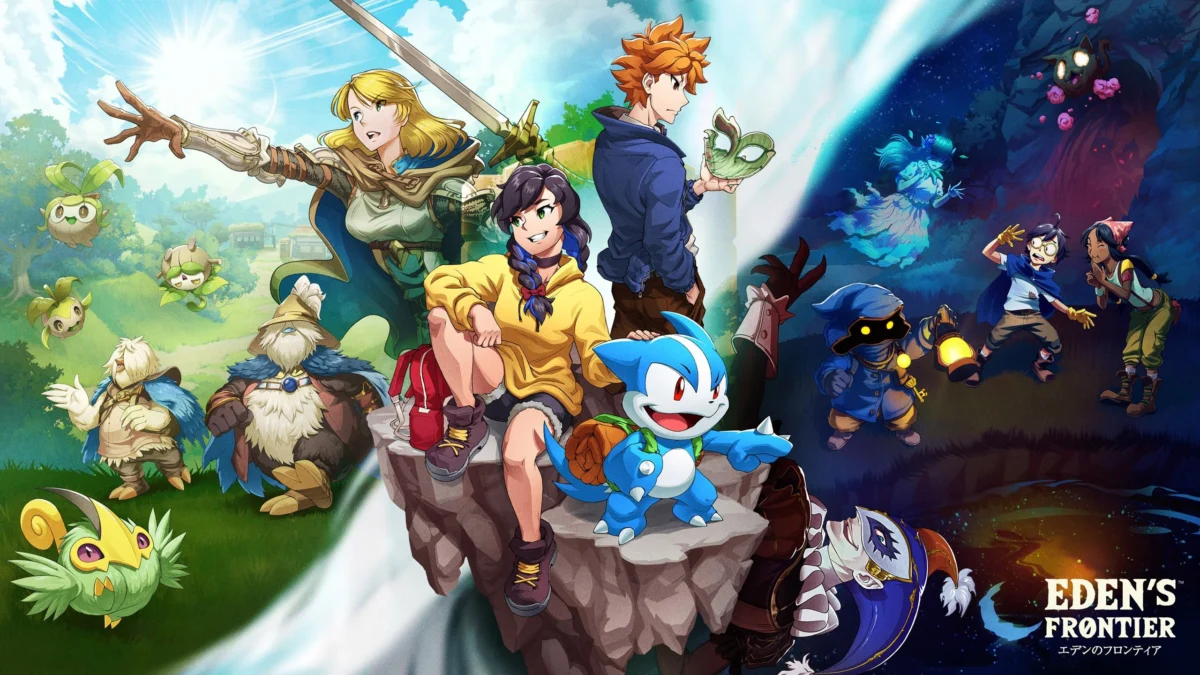
The landscape of indie game development has long served as a fertile ground for projects that blend nostalgia with modern ambition. At the recent gamescom latam, held in São Paulo, one title stood out amidst a crowded floor of innovative concepts: Eden’s Frontier. Developed by the Brazilian studio Frontiers Group Entertainment, the game is more than just a standalone project; it is the cornerstone of a sprawling multimedia franchise that includes an active webtoon series. As one of the most frequently visited booths at the Abragames pavilion, Eden’s Frontier offered attendees a glimpse into a 3D action RPG that manages to marry the aesthetic charm of 90s-era fantasy titles with the fluid, responsive combat mechanics demanded by modern audiences.
The Core Concept: A Multimedia Odyssey
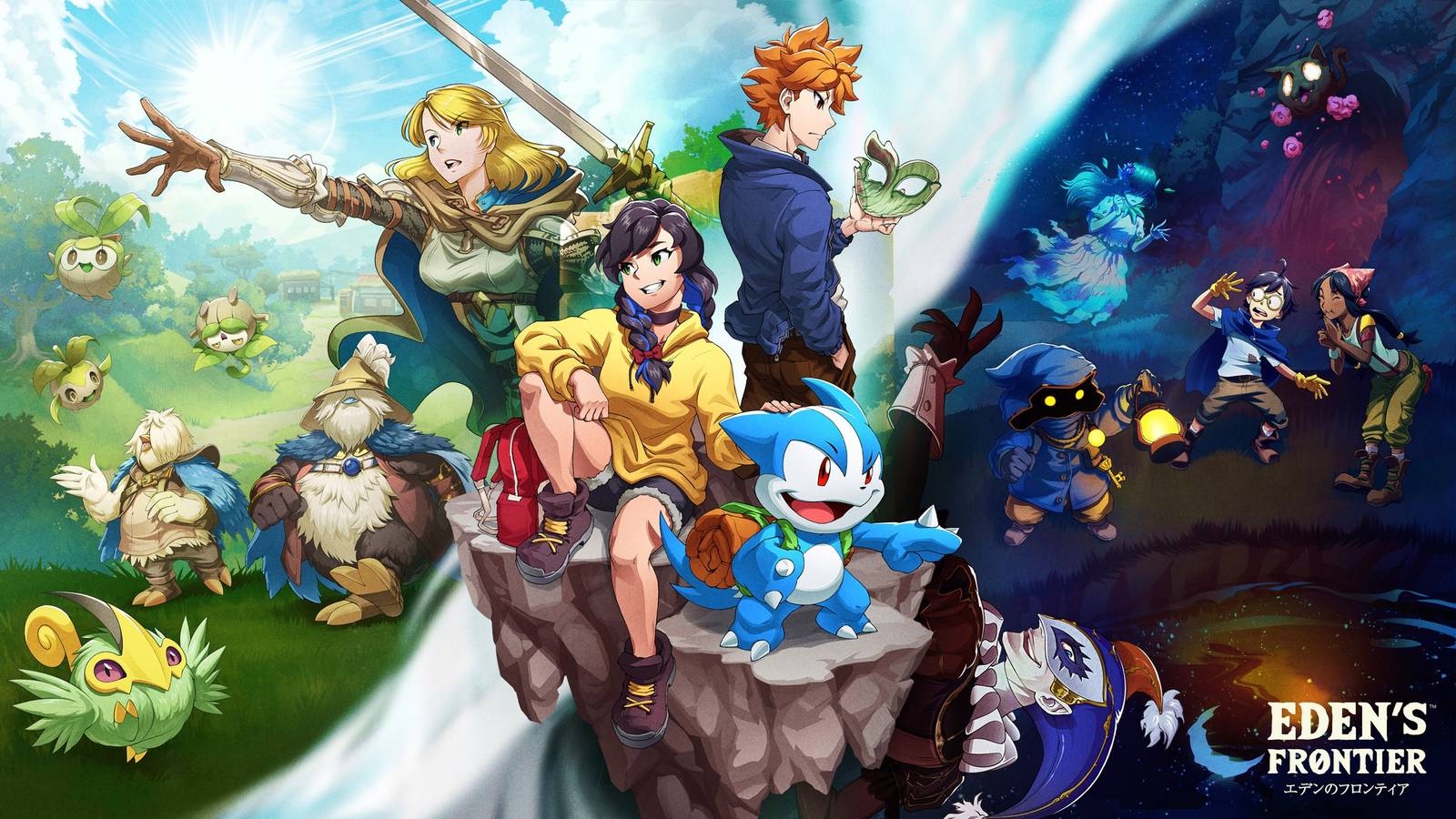
Eden’s Frontier is designed as an immersive, multi-platform narrative experience. For those unfamiliar with the source material, the franchise invites players and readers into an original fantasy world—a setting defined by vibrant color palettes, mysterious lore, and a sense of wide-eyed adventure. By maintaining a parallel webtoon, the developers have ensured that the world-building is not trapped behind the limitations of gameplay; rather, it is expanded through visual storytelling that complements the interactive experience.
The demo presented at gamescom latam focused on the early stages of the game’s narrative, specifically highlighting the journey of its primary protagonist, Blu. As a member of the "Bluveils"—a race of small, blue-skinned creatures—Blu’s character arc is defined by an internal struggle that acts as the primary catalyst for his quest. While his peers possess an innate ability known as "Spark," a mystical skill central to their daily survival and societal structure, Blu finds himself unable to harness this power. This deficiency serves as the "missing spark" of his identity, forcing him to leave the familiar behind and venture into the dangerous, unknown depths of the world’s dungeons.
Chronology of the Demo: A Descent into Mystery
The experience provided to event attendees followed a structured progression, beginning with an introduction to Blu’s plight and quickly transitioning into a vertical slice of dungeon exploration.
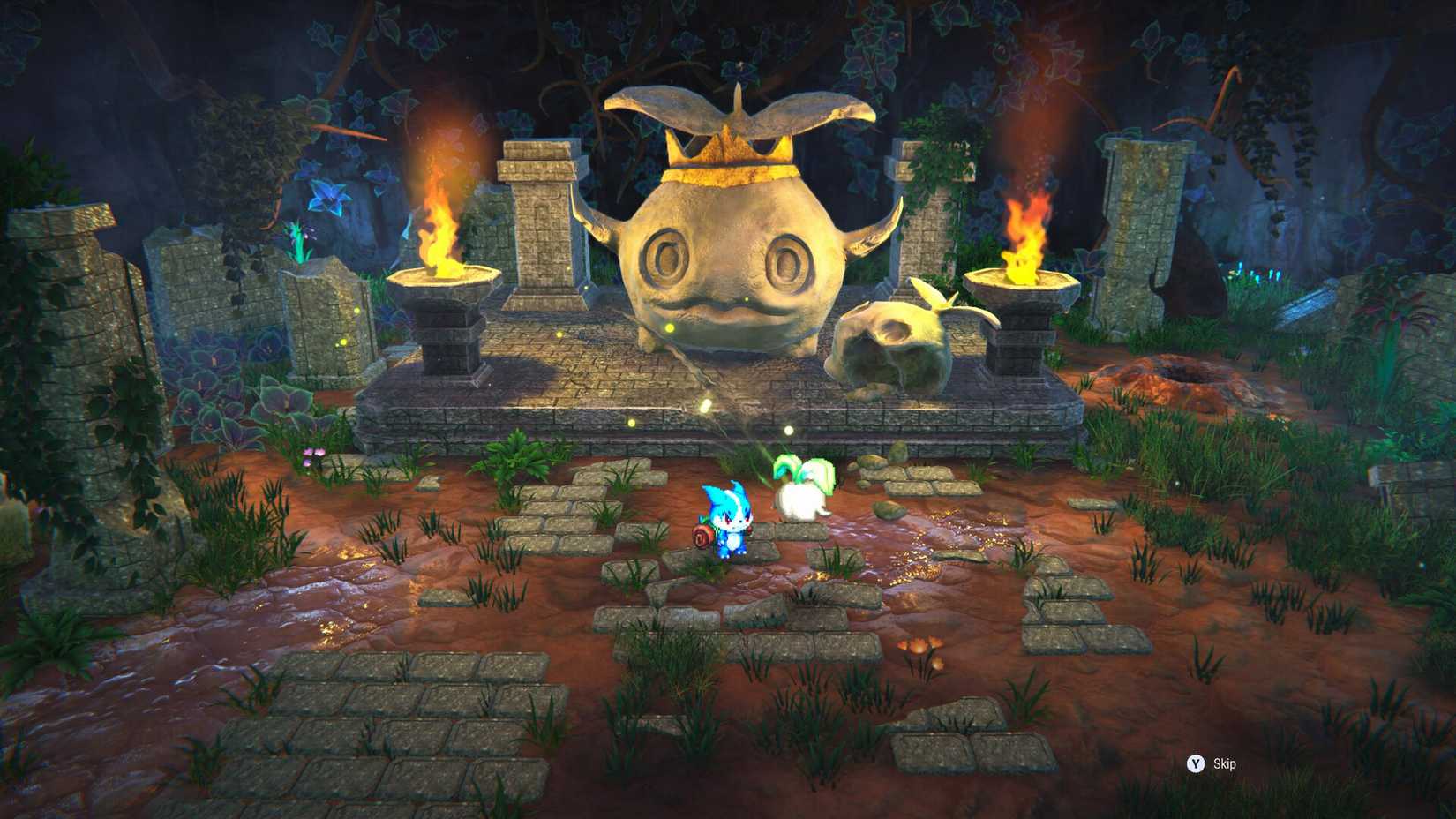
The demo begins in the outskirts of the world, serving as a tutorial for both movement and the game’s unique aesthetic style, which utilizes a distinctive blend of pixel-art character sprites set against fully rendered 3D environments. This visual choice is clearly intentional, evoking the "golden age" of JRPGs from the 90s and early 2000s while utilizing modern lighting and depth-of-field effects to keep the world feeling alive.
As players guide Blu deeper into the dungeon, the stakes shift from simple exploration to tactical survival. The pacing of the demo is deliberate; it introduces the player to the basic movement controls before throwing them into combat encounters that require more than just button-mashing. The climax of the demo involves a meeting with a mysterious, robed individual. This encounter serves to deepen the narrative mystery, hinting at the true nature of the "Spark" ability and establishing that Blu’s quest is not merely one of self-discovery, but a critical piece of a much larger, global conflict within the Eden’s Frontier universe.

Technical Analysis: The Mechanics of Combat
One of the most striking aspects of Eden’s Frontier is its combat system, which feels surprisingly polished for an early-stage build. The combat loop is built on a foundation of timing-based mechanics, demanding that the player be mindful of enemy attack patterns rather than overwhelming them with sheer force.
Precision and Evasion
The developers have implemented a robust "dash" mechanic that allows players to cancel combos mid-animation. This is a critical feature, as it enables the player to quickly retreat from an enemy’s counter-attack or reposition for a strike from the flank. In many action RPGs, the lack of animation canceling can lead to player frustration, but here, it feels like an essential tactical layer.
Defensive Versatility
Combat is not limited to offense and evasion. Blu is capable of reflecting projectiles—a move that requires precise timing when facing plant-based enemies that populate the demo’s dungeon. By guarding and pushing back against incoming attacks, players can turn an enemy’s strength against them. Furthermore, the game’s inventory management is streamlined, with consumable items mapped to directional buttons for rapid access. This design choice ensures that the flow of combat is never interrupted by clunky menu navigation, keeping the intensity high during challenging encounters.
Supporting Data and Developmental Scope
While the demo provided a focused look at combat, the developers at Frontiers Group Entertainment have outlined a much larger scope for the final release. Beyond the dungeon-crawling mechanics, the full game is slated to include:
- A Living World: The developers confirmed the inclusion of a dynamic day-and-night cycle, which will likely influence the behavior of enemies, the availability of resources, and perhaps even the accessibility of certain map regions.
- City Reconstruction: A central gameplay loop will involve the recruitment of various creatures, which will serve to rebuild and expand "Spiral City," the central hub of the game. This adds a layer of management-sim depth to the action-RPG core.
- Multiple Protagonists: Perhaps most ambitious is the confirmation that Blu is only the first of several playable protagonists. By utilizing different characters, the game aims to provide a multi-faceted view of the story, with each character offering unique combat styles and narrative perspectives.
Official Perspectives and Studio Vision
The reception at gamescom latam was overwhelmingly positive, with the booth consistently drawing a crowd of curious onlookers and potential players. The enthusiasm from the development team regarding their ability to bring a piece of Brazilian-made fantasy to a global stage was palpable.
"Our goal," a representative noted, "was to bridge the gap between the games we grew up playing and the modern, fluid action games we love today." By blending the nostalgic art style with a highly responsive engine, the team is positioning Eden’s Frontier as a "love letter" to the genre. The developers emphasized that while the demo focused on Blu, the world of Eden’s Frontier is designed to be "deep and layered," ensuring that the mystery of the Spark is only the tip of the iceberg.
Implications: A New Contender in the Indie Space
The success of the Eden’s Frontier demo holds significant implications for the Brazilian indie scene. As the market for high-quality, mid-budget action RPGs continues to grow, titles like this demonstrate that studios in Latin America are capable of producing projects with high production values and compelling, franchise-ready narratives.
While it is still early in the development lifecycle, the game avoids the common pitfalls of "ambition without execution." The combat is tight, the visual style is cohesive, and the promise of a larger narrative through the webtoon creates an immediate sense of investment for the player. However, the true test will be how the developers integrate the multi-protagonist system and whether they can maintain the "magic" of the early sections across a larger, open-ended world.
As the industry moves toward 2026 and beyond, Eden’s Frontier stands as a project to watch. It represents the potential of the medium to act as a holistic storytelling vehicle, where a game is not just a game, but a chapter in a much larger story. For fans of classic fantasy action RPGs, the prospect of returning to this world—and discovering the true secret of the Spark—is a compelling reason to keep this title on their radar. As development continues, the primary challenge for Frontiers Group Entertainment will be to scale their vision while maintaining the intimacy and precision that made their gamescom latam debut so memorable.











No comments yet. Be the first to join the conversation!