

In the modern gaming landscape, the "Metascore" has become a gatekeeper of cultural relevance. A low aggregate rating can effectively sentence a project to commercial obscurity, regardless of its creative ambitions or unique mechanics. However, as any veteran player knows, there is no universal truth that can override personal subjectivity. Masterpieces are occasionally ignored, and "interactive disasters" often provide the most profound, memorable experiences for those willing to look past a polished marketing campaign.
For many developers, a mixed review is not a reflection of a game’s total failure, but rather a snapshot of a specific moment in time—a result of technical hurdles, misaligned audience expectations, or simply being ahead of the curve. To honor the artistic medium, we must occasionally challenge the consensus. Here are ten action-adventure titles that faced harsh critical receptions but offer rewarding experiences for the open-minded player.
10. Ryse: Son of Rome
A Captivating Technical Demo
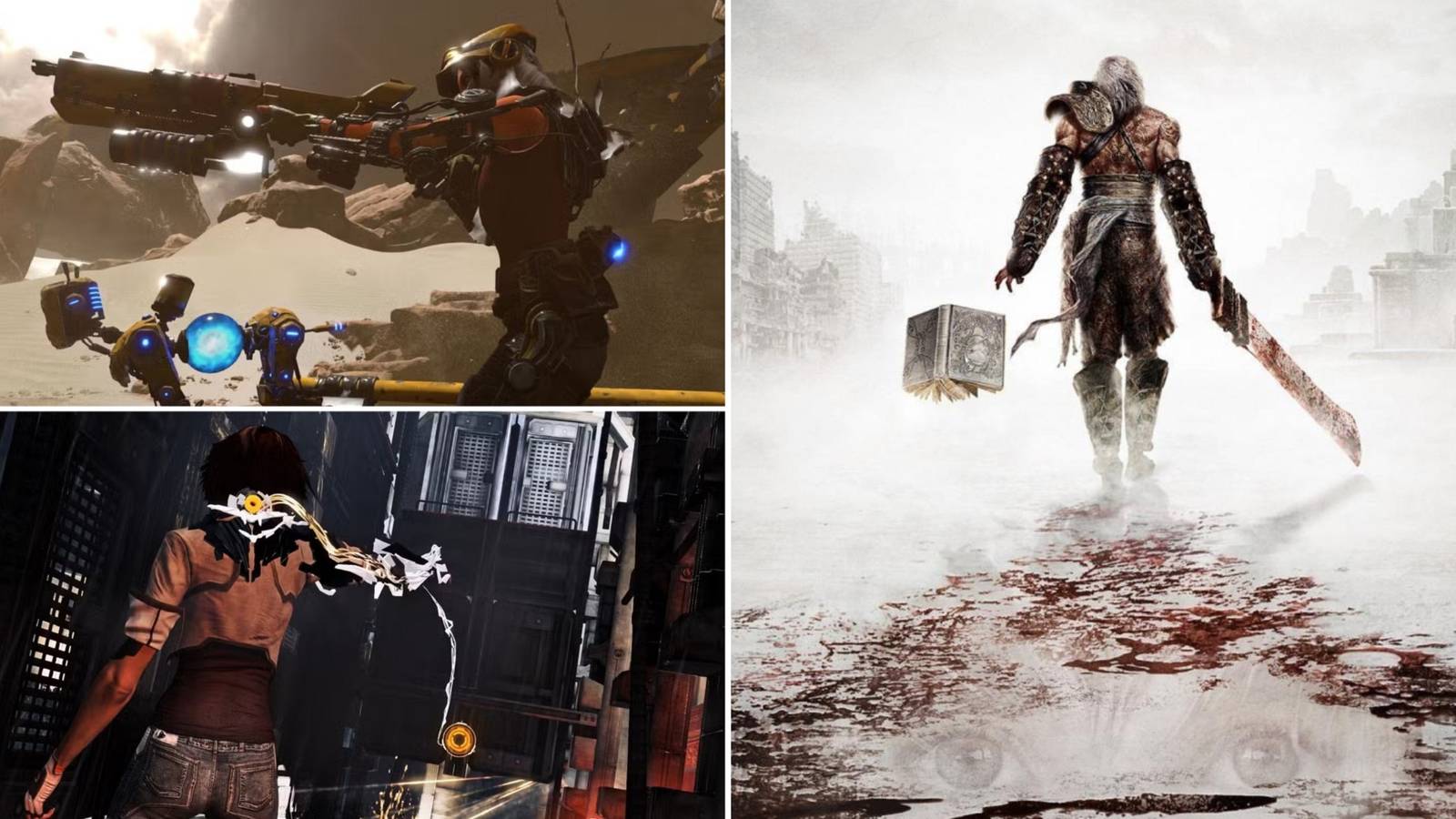
When the Xbox One launched, it faced a steep uphill battle for market dominance. Ryse: Son of Rome arrived at the center of this storm, often dismissed as little more than a high-fidelity tech demo for the then-new hardware. While critics were right to point out the repetitive nature of its combat loops, they often overlooked the sheer, visceral spectacle the game provided.
Ryse serves as a quintessential "power fantasy." It prioritizes aesthetic grandeur and cinematic pacing over deep mechanical complexity. For those seeking a short, punchy, and visually arresting experience, Ryse hits the mark. It is a blood-soaked, linear corridor of Roman history that succeeds in what it sets out to do: make the player feel like an unstoppable force of nature. Far from the "abject project" some reviews labeled it, Ryse remains a visually stunning achievement that holds up surprisingly well today.

9. The Order: 1886
Vindicated by Time
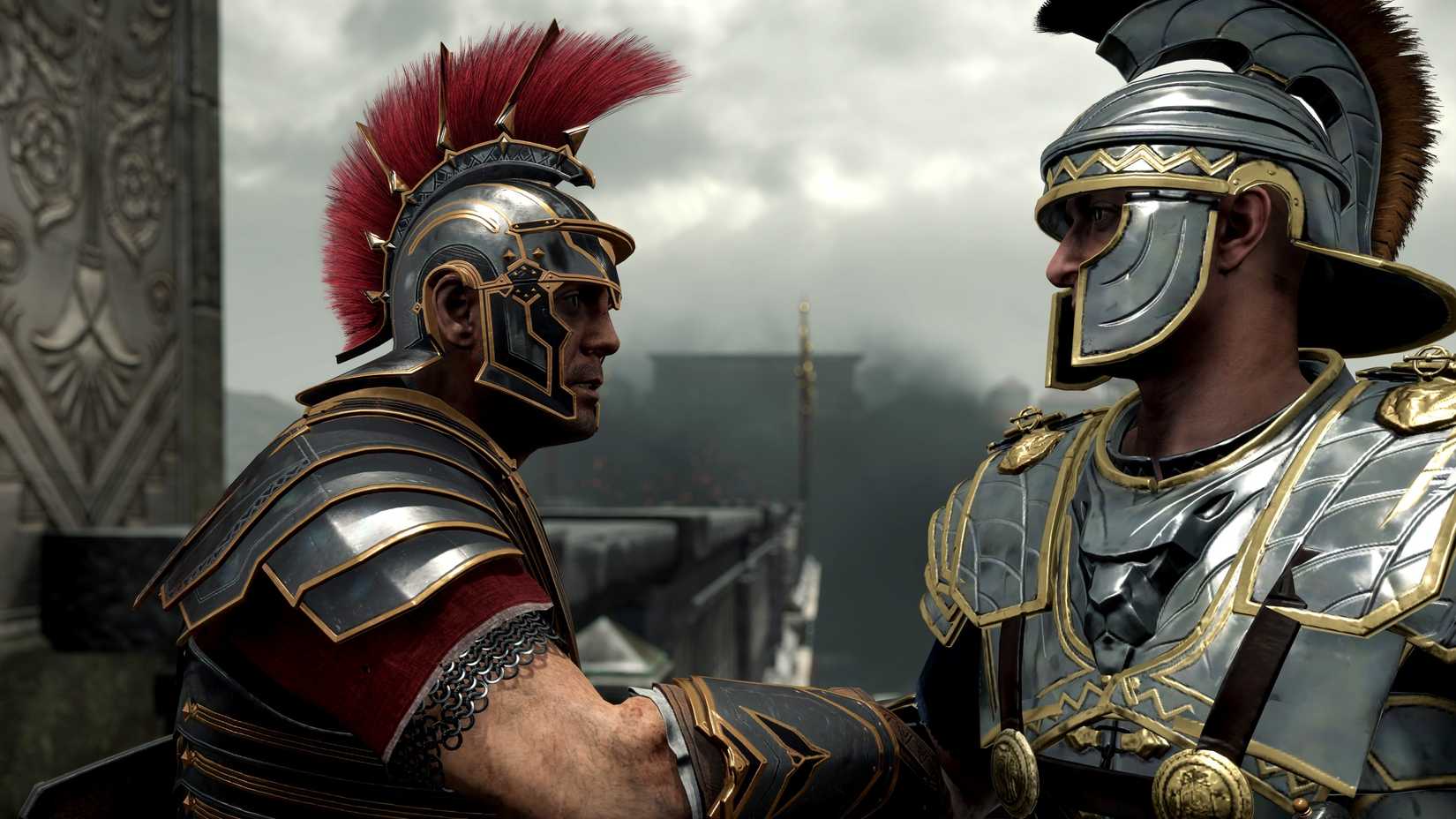
Perhaps no game of the early PS4 era is as emblematic of "misunderstood" as The Order: 1886. Upon release, the gaming press largely crucified the title for its brevity and focus on cinematic presentation over player agency. However, time has been kind to this Victorian-era steampunk experiment.
The industry has since moved toward a model that appreciates shorter, high-quality experiences, and The Order was simply ahead of that shift. With spectacular graphical fidelity that still rivals current-gen titles and a deeply atmospheric world, the game offers a narrative density that many open-world epics lack. It was never designed to be a thousand-hour service game; it was designed to be an immersive, interactive film. When approached with those expectations, it is a satisfying, tight, and highly polished third-person shooter.

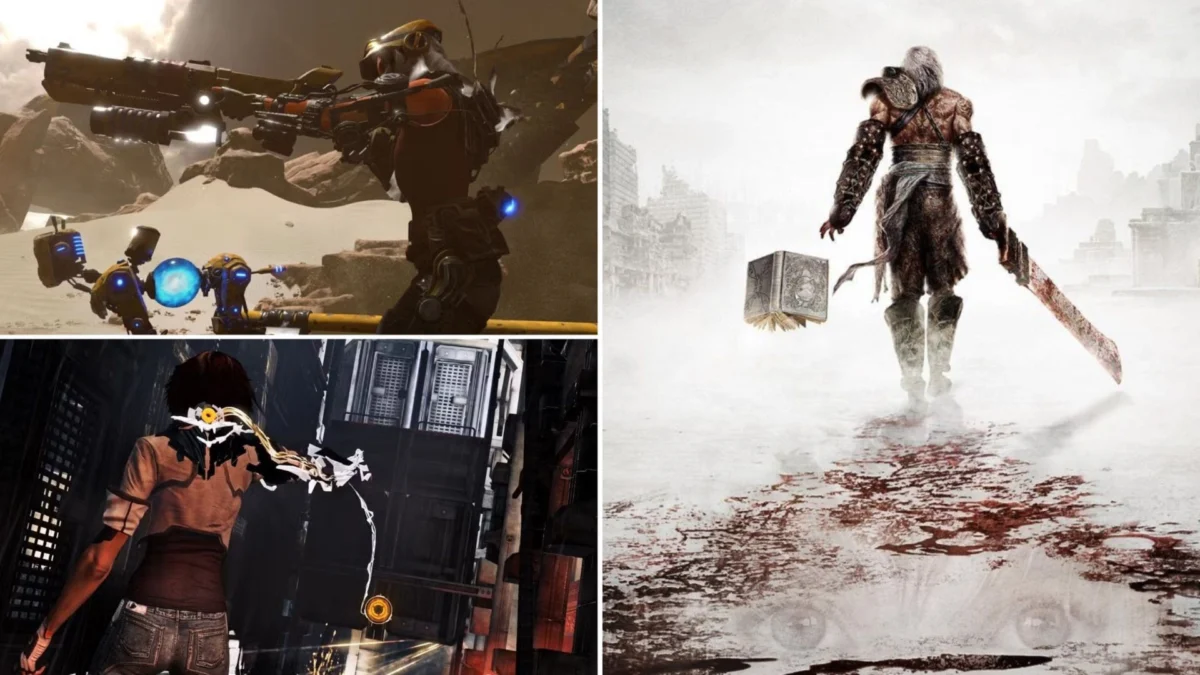
8. ReCore
The Power of Good Ideas
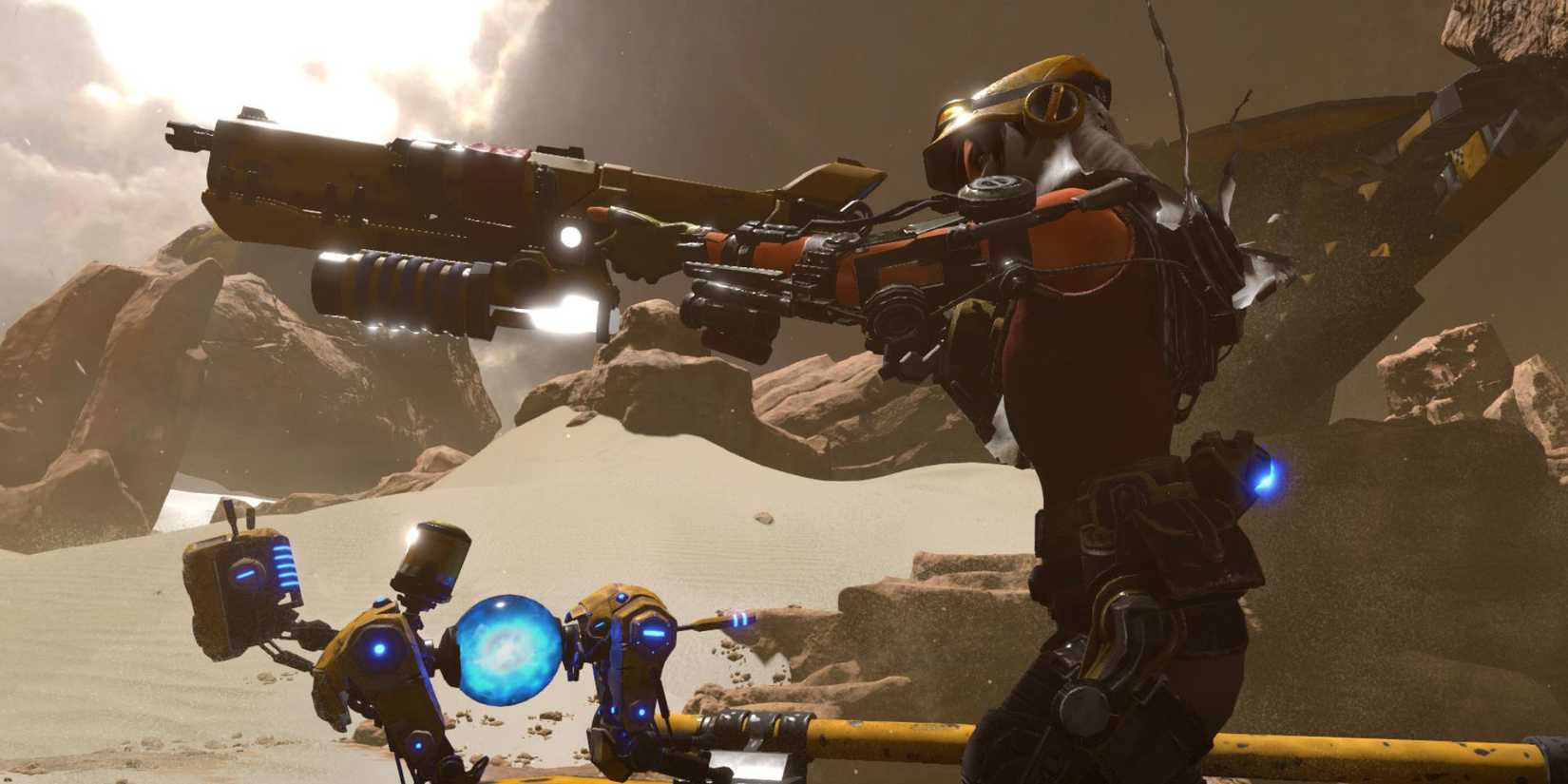
ReCore is a tragic example of a game hampered by its own launch state. A collaborative effort from the minds of Keiji Inafune and Armature Studio, the game introduced a brilliant concept: a post-apocalyptic world where robot companions dictate the flow of combat and exploration.
Unfortunately, technical instability at launch obscured its brilliance. Over the years, patches and the "Definitive Edition" update rectified the loading issues and expanded the content, but the initial bad word-of-mouth stuck. Today, ReCore stands as a hidden gem with a unique charm. The movement is fluid, the world is intriguing, and the gameplay loop of managing your core-bots remains distinct in a market saturated with generic action-adventures. It is a testament to the fact that a good idea, even when poorly executed at first, deserves a second chance.
7. Immortals of Aveum
A Magic Shooter That’s a Blast
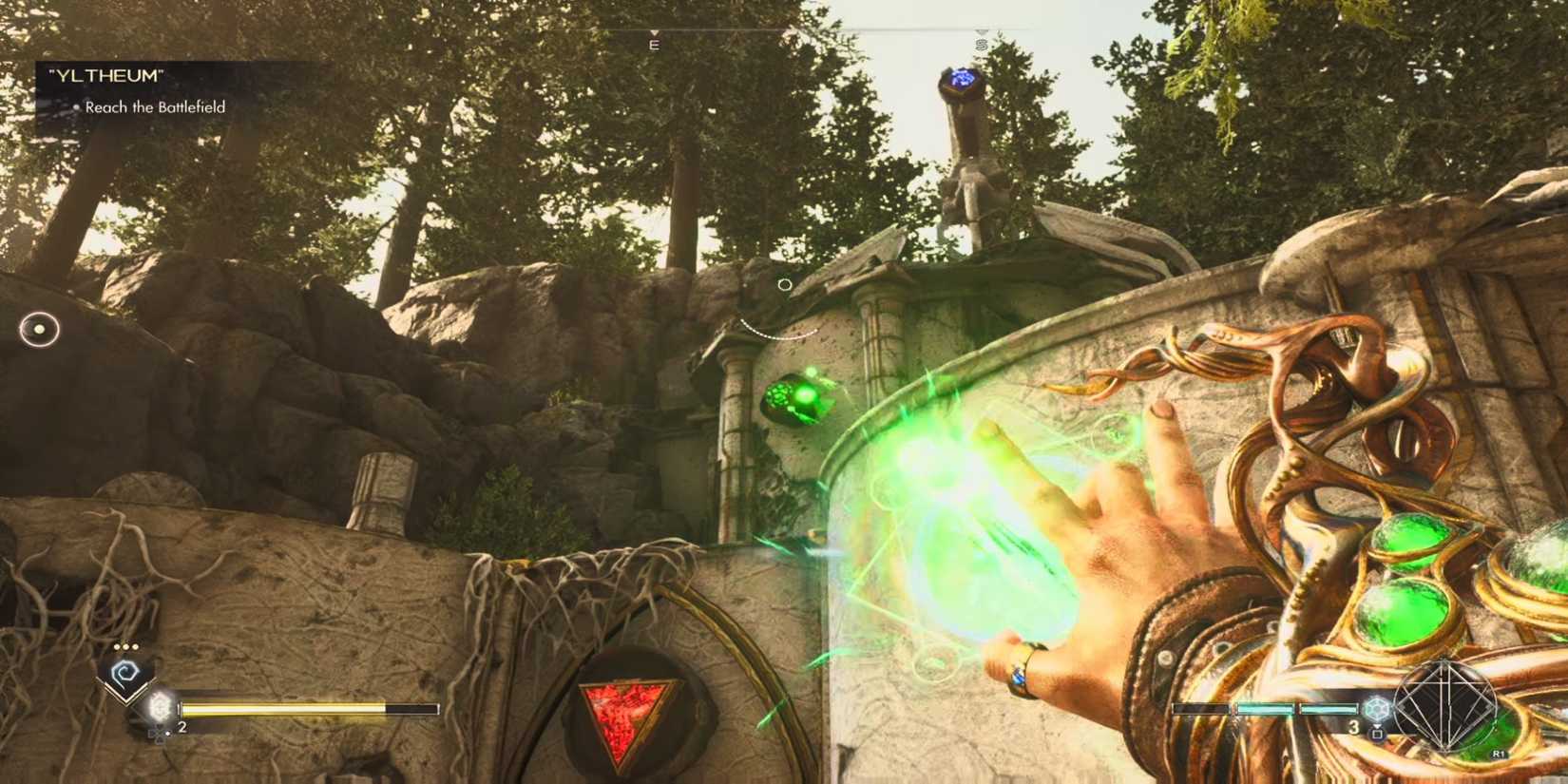
The "First-Person Magic Shooter" is a rare breed, often suffering from an identity crisis. Immortals of Aveum was criticized for its narrative and dialogue, but those who looked past the script discovered a core of pure, unadulterated fun. It is essentially Call of Duty with sorcerers, utilizing Unreal Engine 5 to create a sensory overload of particle effects and fluid combat.
If you enjoy the mechanical satisfaction found in GhostWire: Tokyo or Skyrim’s magic systems, Immortals is a revelation. It does not demand deep narrative investment; it demands skill and reflex. It is a rare, standalone action title in an era of endless sequels, and it is a crying shame that its gameplay, which is genuinely top-tier, was overshadowed by narrative critiques.
6. Evil West
Superficial and Engaging Entertainment
Evil West is a game that knows exactly what it is and refuses to apologize for it. It is a hyper-violent, vampire-hunting cowboy power trip. Critics often cited its repetitive structure and "old-school" design as flaws, but in a modern gaming landscape filled with bloated open worlds, that focus is its greatest strength.
Flying Wild Hog has a signature style—cinematic, arcade-like, and relentlessly focused on the "feel" of combat. By avoiding the trap of artificially large maps and forced RPG elements, Evil West keeps the player engaged from start to finish. It is the perfect antidote to the "open-world fatigue" that plagues so many contemporary titles.
5. Remember Me
Dontnod’s First Banger
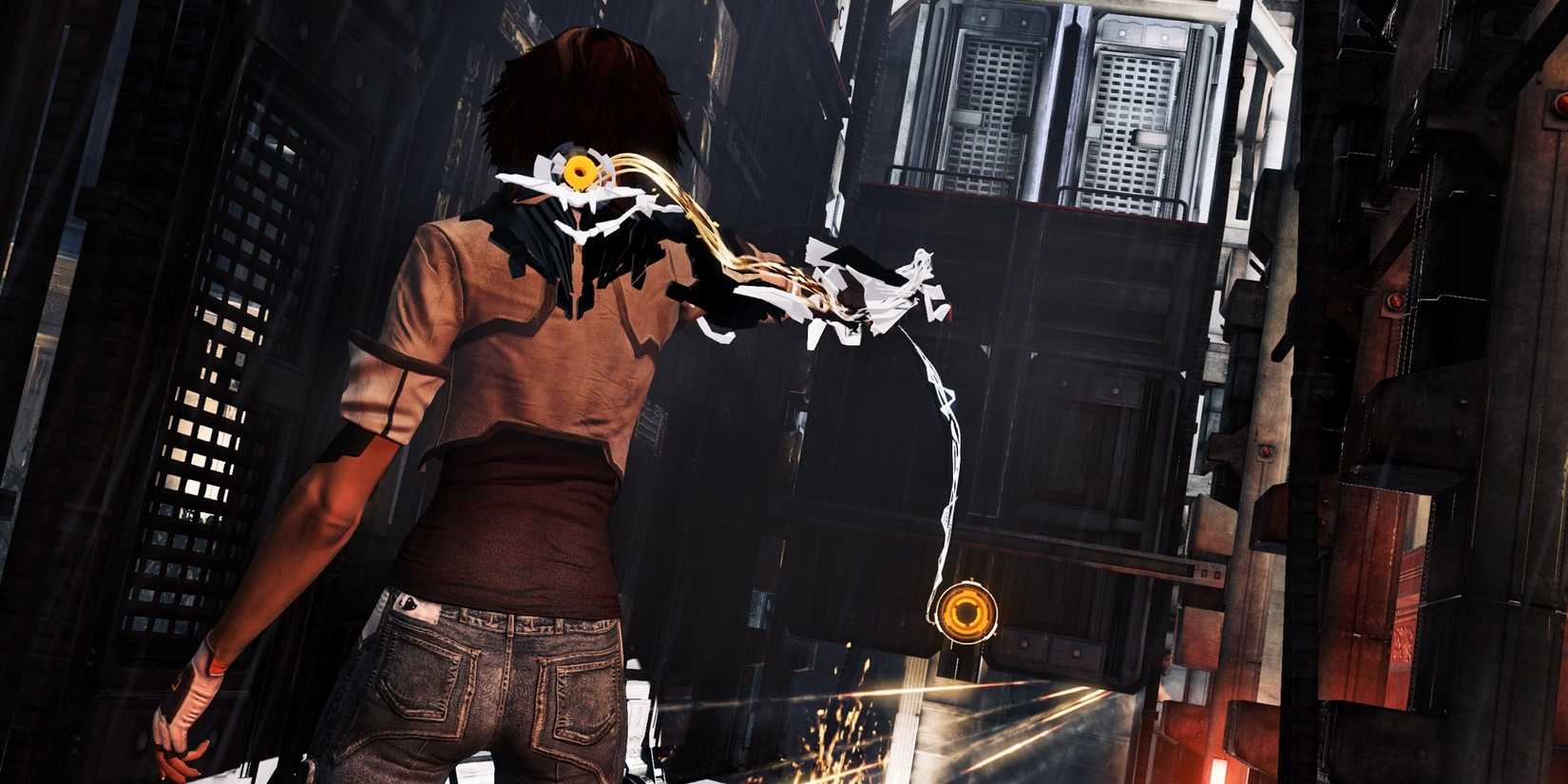
Before Life is Strange turned Dontnod into a household name, they released Remember Me. Set in a neon-drenched, dystopian future where memories can be traded as currency, the game featured a groundbreaking combo-customization system that allowed players to string together moves to suit their playstyle.
It was a bold, ambitious debut that was unfairly dismissed because it wasn’t a standard brawler or a standard platformer. It was a fusion of genres that required a learning curve. Looking back, the art direction, the premise, and the environmental storytelling were all years ahead of their time. It is a cult classic that deserves a modern remaster, not for its historical significance, but because its gameplay still feels fresh.

4. Mad Max
Straightforward Adrenaline
Mad Max (2015) is the anomaly of the open-world genre. Critics gave it middling scores for its "ubiquitous" design, yet the player community—the ones actually spending hours in the Wasteland—consistently praised it as one of the best automotive combat games ever made.
The game is a masterclass in worldbuilding. Every inch of the map feels like a genuine, oppressive post-apocalyptic nightmare. The vehicular combat is visceral, the explosions are constant, and the sense of progression as you upgrade your "Magnum Opus" car is immensely satisfying. It is an honest, straightforward adrenaline rush that understands the source material better than most high-budget licensed games.
3. Days Gone
A Surprising Undervaluation
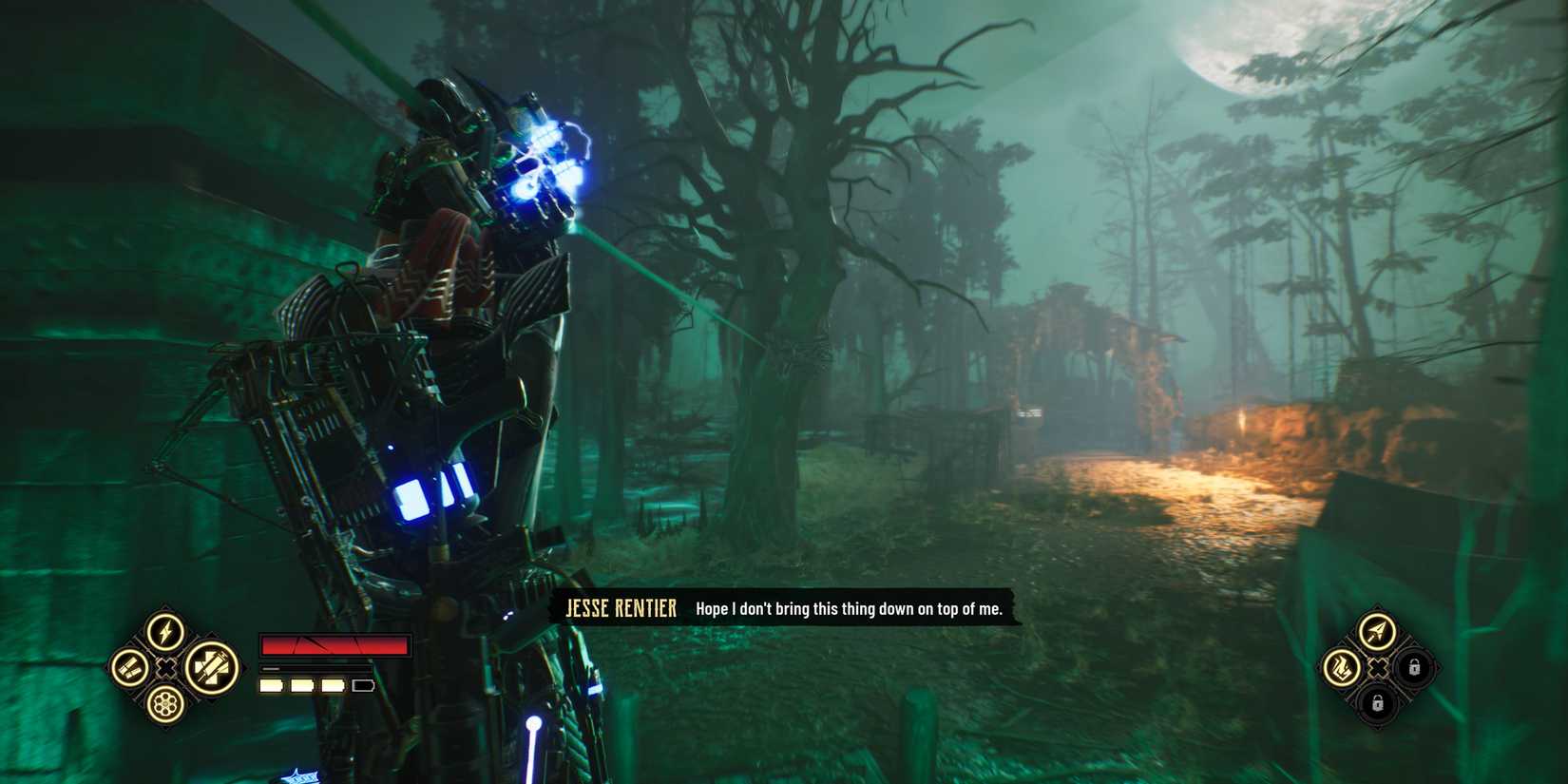
The reception of Days Gone remains one of the most baffling events in modern game journalism. As a PlayStation exclusive, it was expected to be a titan; instead, it was treated like a mid-tier release. In reality, Days Gone is one of the most mechanically robust post-apocalyptic survival games ever made.
The introduction of the "Horde" mechanic—where hundreds of Freakers act as a singular, terrifying entity—created moments of tension that few other games have managed to replicate. While it may not be "groundbreaking," it is a perfectly executed example of its genre. Its survival mechanics, resource management, and motorcycle customization are all top-shelf. The public has since vindicated the game, proving that the critics were likely suffering from "zombie fatigue" rather than judging the quality of the work itself.
2. Darksiders 3
Expectations More Than Met
Darksiders 3 suffered from the "Expectation Tax." Fans wanted Darksiders 2, a sprawling action-RPG, but Gunfire Games delivered a tighter, more deliberate experience inspired by the Souls-like genre.
Once you strip away the baggage of what the fans thought they wanted, you are left with a magnificent game. The combat is precise and demanding, the level design is intricate, and the progression system feels rewarding. It is a masterclass in adapting a franchise to a new mechanical framework without losing the soul of the property. Fury’s journey is a highlight of the series, and it is time we acknowledge Darksiders 3 as a bold, successful creative pivot.
1. Nier
A Misunderstood Masterpiece
Taking the top spot is the original Nier. Released in 2010 to a confused critical response, it was labeled "clunky" and "archaic." In hindsight, these critiques were surface-level observations of a game that was attempting to deconstruct the very nature of gaming.
Nier is a masterpiece of storytelling. It utilizes a meta-narrative that forces the player to engage with the game in ways they never expected. Its soundtrack is arguably the greatest in gaming history, and its characters possess a depth of emotion that is rarely matched in AAA titles. Yes, the combat can be repetitive, and the world is not as polished as its contemporaries, but those are minor concessions for a game that offers a life-changing experience. Nier was not just a game; it was a philosophical statement, and its legacy, cemented by Automata, proves that true art often takes time to be understood.
Implications for the Future
The existence of these titles highlights a growing divide between critical consensus and player satisfaction. As the industry moves toward data-driven development, the danger is that we prioritize "safe" mechanics that guarantee a high score over the risky, experimental ideas that define cult classics.
When we look at the trajectory of Days Gone or Nier, it is clear that time is the ultimate arbiter of quality. A game’s value should not be defined by its launch-day review score, but by its ability to resonate with players long after the hype has faded. These ten games were "badly reviewed" in their time, but they have earned their place in the pantheon of great adventures. They remind us that the best way to find your next favorite game isn’t to check the aggregate score—it’s to dive in, take the risk, and form your own opinion.











No comments yet. Be the first to join the conversation!