


The Xbox 360 era is frequently cited by industry historians as the period when Microsoft’s gaming division stood at its absolute zenith. It was a time of parity, where the "Green Team" traded blows with PlayStation in both hardware dominance and software innovation. More importantly, it was the final era where Xbox aggressively cultivated and championed the Role-Playing Game (RPG) genre. While modern titles like Starfield and Avowed have served as notable, albeit sporadic, pillars of the Xbox Series X|S catalog, the current generation lacks the consistent output of genre-defining RPGs that characterized the 360’s lifecycle.
During the seventh console generation, the Xbox 360 became a sandbox for developers to push boundaries, bridge the gap between PC-centric complexity and console accessibility, and experiment with bold narrative structures. From the rise of Xbox Live Arcade to the blockbuster triple-A RPG, these titles were defined by their refusal to play it safe.

A Legacy of Risk: The Evolution of the 360 RPG
The narrative of the Xbox 360 is one of high-stakes gambling. Developers were not just porting experiences; they were reimagining how players interacted with virtual worlds. Whether it was through the lens of a gritty post-apocalyptic wasteland or a sprawling space opera, the 360 provided the infrastructure for these ambitious visions to take root.
10. Crimson Alliance: The Arcade Experiment
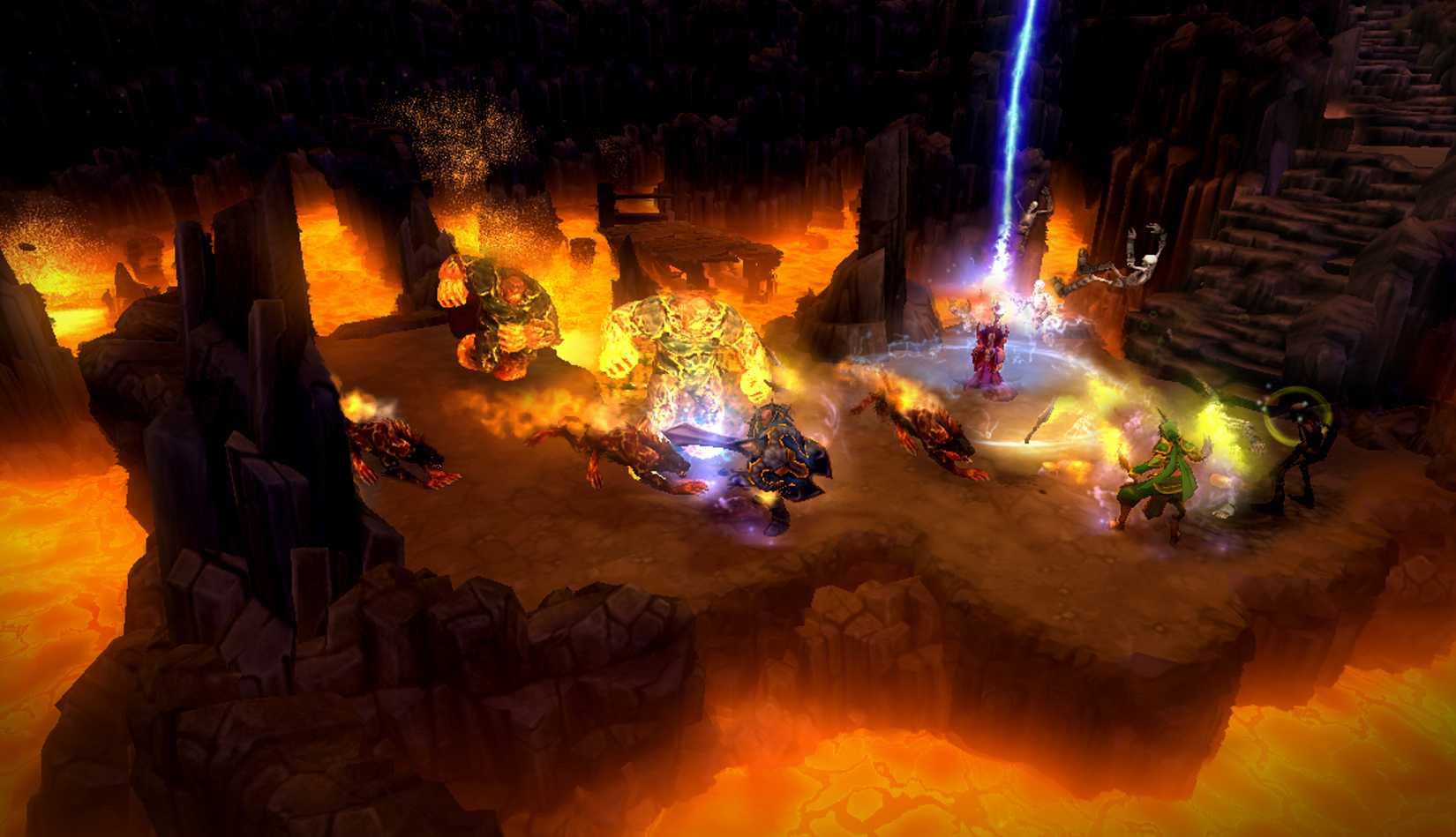
Before the era of massive live-service titles, Xbox Live Arcade (XBLA) served as an incubator for creative, smaller-scale projects. Crimson Alliance, a top-down, three-player co-op fantasy RPG, stands as a testament to this period. Echoing the addictive loot-grinding loops of Diablo, players chose between the wizard Direwolf, the assassin Moonshade, or the mercenary Gnox to liberate the land of Byzan.

The ambition here wasn’t just in the gameplay, but in the business model. Crimson Alliance was an early, daring foray into the "freemium" space on consoles. By offering a free download with gated character access, it tested the waters of digital-first monetization that would eventually become the industry standard.
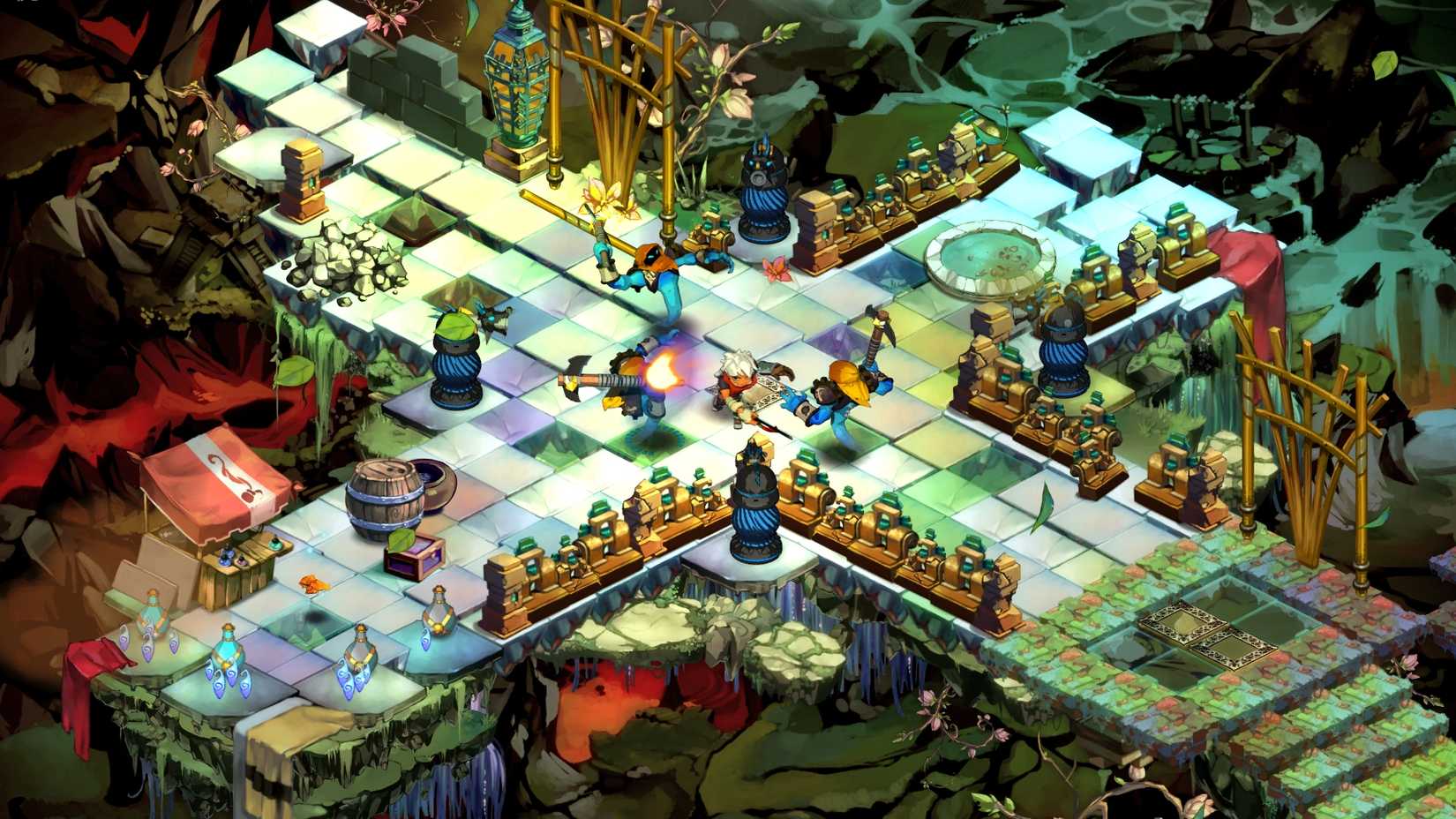
9. Bastion: Small Team, Massive Impact
Supergiant Games, a name now synonymous with the critically acclaimed Hades series, cut their teeth on the Xbox 360. Bastion was a masterclass in independent ambition. Developed by a core team of only seven people, it utilized a unique Wild West-inspired isometric aesthetic that was starkly different from the typical fantasy tropes of 2011. Its reactive narrator and evocative world-building proved that an RPG did not need a thousand developers to be "ambitious"—it only needed a singular, focused vision.

8. Too Human: The Controversial Visionary
Silicon Knights’ Too Human is often remembered for its turbulent development history and eventual commercial failure, but it remains a fascinating case study in ambition. Moving from a PlayStation 1 project to a GameCube title before finally landing on the 360, it sought to blend Norse mythology with high-tech cybernetics. Its innovative analog-stick-based combat and its scale as a planned trilogy showed a level of creative reach that, while ultimately overextending the studio, left an indelible mark on the landscape of action-RPGs.
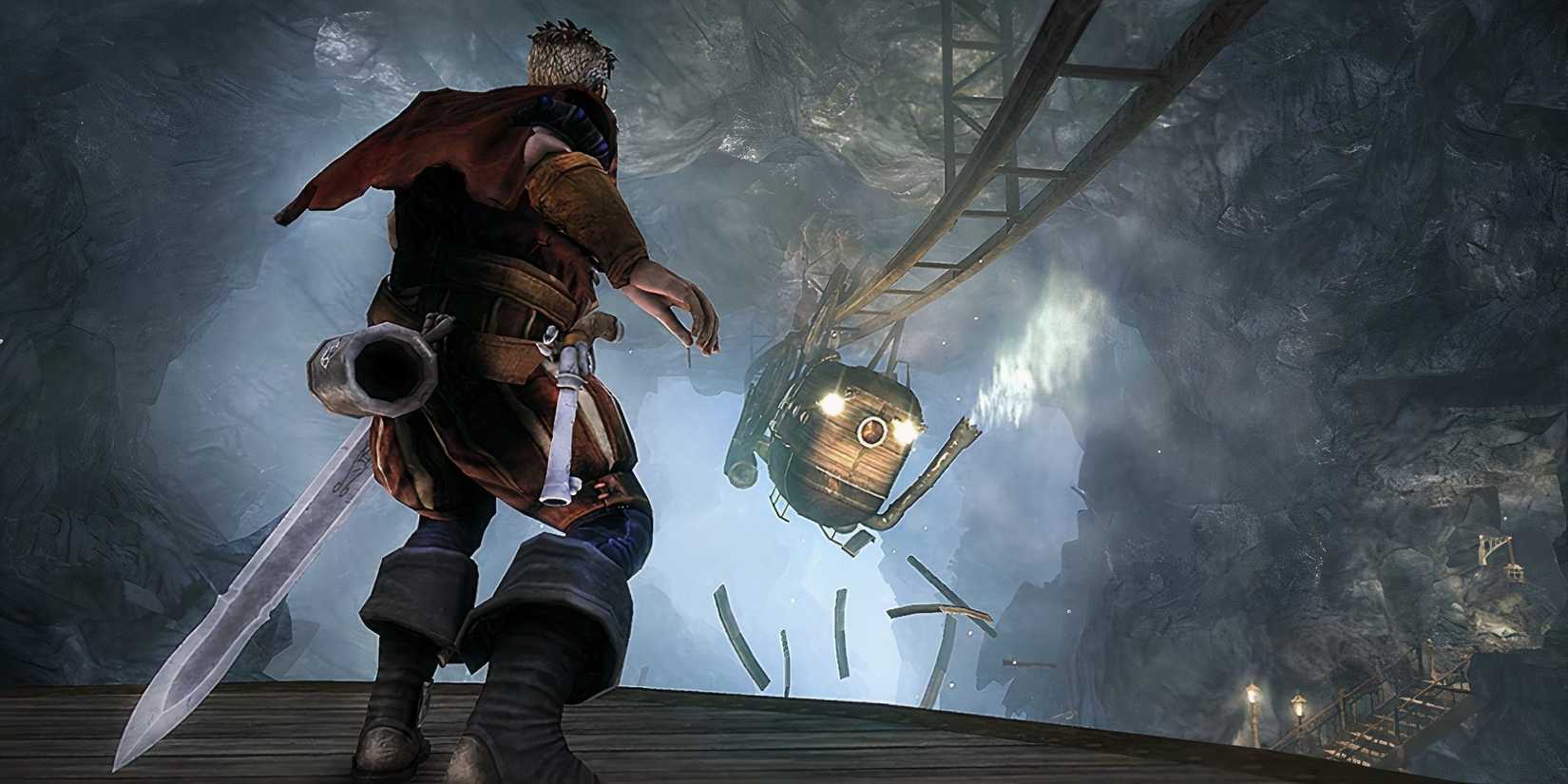
7. Fable III: The King’s Burden
The Fable series, led by the visionary Peter Molyneux, was always defined by lofty promises. While the first entry struggled to meet its own hype, Fable II and Fable III cemented the franchise’s legacy. Fable III was particularly ambitious in its narrative scope, forcing the player to evolve from a revolutionary rebel into a monarch tasked with making impossible moral choices for the survival of Albion. Its co-op integration—allowing friends to explore, marry, and build families within the same world—remained a benchmark for social RPG interaction for years.
6. South Park: The Stick of Truth
Adapting an adult animated series into a turn-based RPG was a risky maneuver that, on paper, should have failed to capture a mainstream audience. Instead, The Stick of Truth became a masterclass in genre fusion. By marrying the raunchy, satirical humor of the show with deep, satisfying turn-based mechanics, Obsidian Entertainment proved that even the most "niche" gameplay styles could achieve mass-market success if paired with the right intellectual property.
Mid-Generation Shifts: The Rise of Western RPGs
As the generation progressed, the focus shifted toward massive, multi-platform experiences that defined the "Golden Age" of the Xbox 360.
5. The Witcher 2: Assassins of Kings
Before Geralt of Rivia was a global household name, CD Projekt Red took a massive leap of faith by bringing The Witcher 2 to the Xbox 360. At the time, the series was largely a niche PC phenomenon. By successfully optimizing a complex, choice-heavy PC RPG for console hardware, CD Projekt Red proved that "hardcore" RPGs could thrive on home consoles. This port was the foundational stone for the unprecedented success of The Witcher 3: Wild Hunt.
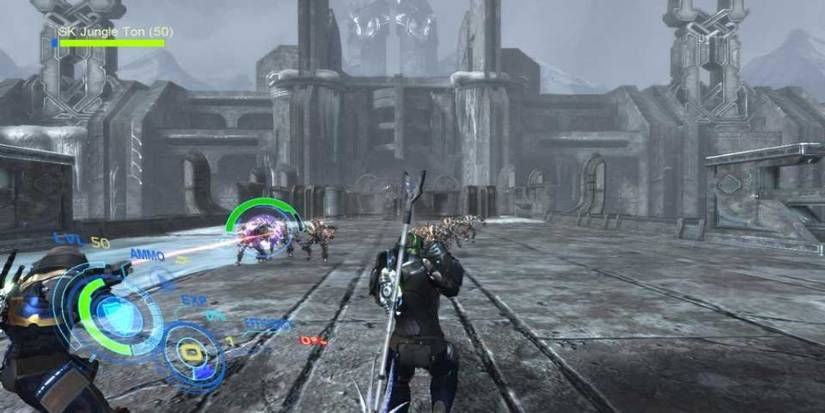
4. Defiance: The Multimedia Pioneer
Defiance was perhaps the most ambitious multimedia project of the era. Developed alongside a television show on the Syfy channel, it was a persistent-world MMO RPG that aimed to bridge the gap between broadcast television and interactive gaming. While the show eventually ended, the game’s survival and subsequent relaunch in 2025 demonstrate the longevity of the concepts explored in this experimental title.
3. Mass Effect 2: The Peak of Player Agency
BioWare’s Mass Effect 2 remains a gold standard for RPG sequels. Its ambition was structural: it introduced the concept of carrying over player decisions from the first game, creating a continuous, personalized narrative thread. The risks taken—including the shocking opening sequence that kills the protagonist and destroys the Normandy—forced players to adapt to a new paradigm. It shifted the genre toward cinematic storytelling, blending third-person shooter mechanics with deep, consequential dialogue trees.
2. Alpha Protocol: The Spy RPG
Obsidian Entertainment’s Alpha Protocol is often cited as a cult classic because of its uncompromising ambition. Rather than retreating into the safety of fantasy or sci-fi, it opted for a modern-day spy thriller setting. Its dialogue system, which prioritized quick, impactful decisions over static conversations, was years ahead of its time. While it struggled with technical polish, its narrative reactivity remains a "what-if" masterpiece that current RPG developers still look to for inspiration.
1. Fallout 3: The Bethesda Blueprint
The success of Fallout 3 is the most important story in the history of the 360. Bethesda took a beloved, isometric, turn-based franchise and completely overhauled it into a first-person/third-person open-world experience. Many fans were skeptical, fearing the soul of the series would be lost. Instead, Bethesda crafted a Maryland-based wasteland that was so dense, atmospheric, and rewarding that it transformed Fallout from a niche title into one of the most commercially successful franchises in gaming history.
Implications for the Modern Industry
The Xbox 360 era proves that ambition is not merely about graphics or map size; it is about the willingness to challenge the player and redefine genre expectations. The success of these titles provided the revenue and reputation that allowed for the massive games we play today.

As we look toward the future, the lessons of the 360 remain clear: the most successful RPGs are those that embrace risk, foster player choice, and aren’t afraid to step outside of established comfort zones. While the landscape of Xbox has changed, the "ambitious spirit" of the 360 continues to influence every developer attempting to build the next great world. Whether through the tactical depth of Alpha Protocol or the narrative continuity of Mass Effect, these games didn’t just entertain; they evolved the medium.











No comments yet. Be the first to join the conversation!