

Introduction
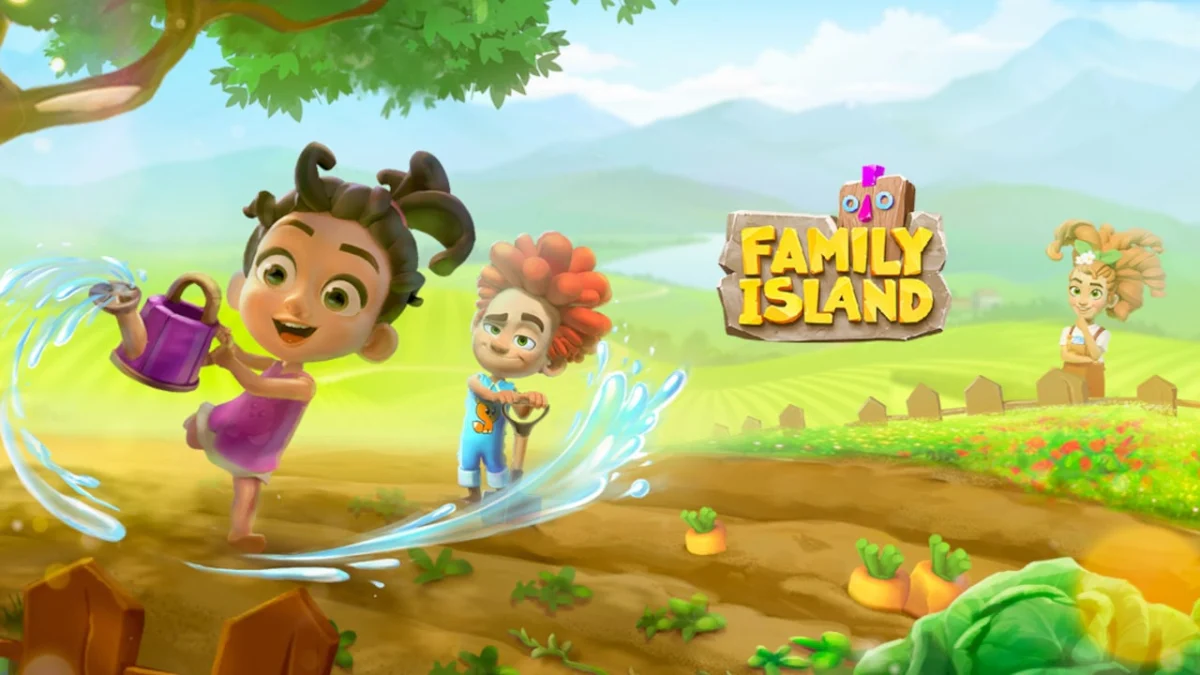
In the vast and ever-evolving landscape of mobile gaming, titles that blend resource management, exploration, and compelling narratives often capture the hearts of millions. Among these stands "Family Island," a captivating simulation game that transports players to a pristine, untouched Stone Age world. Here, players are tasked with helping a family of four — Bruce, Eva, and their children, Emily and Jack — survive and thrive after being stranded on a deserted island. From cultivating crops and constructing shelters to exploring uncharted territories and unraveling the island’s mysteries, every action in Family Island requires one crucial resource: energy.
Energy is the lifeblood of progress in Family Island, dictating the pace at which players can clear obstacles, gather materials, and advance their homestead. As such, the quest for "Family Island free energy" has become a central focus for its dedicated player base. This comprehensive guide delves deep into the myriad ways players can acquire this invaluable resource, from daily freebie links provided by the developers to strategic in-game actions that ensure a continuous flow of power. We aim to provide an exhaustive resource, regularly updated, to empower every islander in their journey through the prehistoric wilderness.
Family Island: A Prehistoric Journey into Resource Management
Family Island, developed by Melsoft Games, offers a unique blend of farming simulation, adventure, and family saga. Its vibrant graphics, engaging storyline, and continuous content updates have cemented its position as a favorite among mobile gamers seeking an escape into a simpler, yet challenging, world.
The Allure of the Stone Age Homestead
The premise of Family Island is deceptively simple: a family, lost at sea, finds themselves on a deserted island, devoid of modern conveniences. Players must guide them through the rigors of Stone Age life, starting from scratch. This involves clearing dense jungles, chopping down trees, mining rocks, and planting crops to ensure sustenance. The charm lies in the gradual transformation of a wild, untamed land into a bustling, self-sufficient homestead. Players are not merely building structures; they are crafting a home, a farm, and a future for Bruce, Eva, Emily, and Jack. The game’s narrative unfolds as the family explores new islands, encounters ancient ruins, and interacts with mysterious characters, adding layers of intrigue to the core resource management loop. Customization options, from various decorations to unique structures, allow players to imbue their island with personal flair, fostering a strong sense of ownership and accomplishment.
The Energy Economy: Fueling Your Island Empire
At the core of Family Island’s gameplay loop is its energy system. Almost every significant action, whether it’s clearing a small bush, harvesting a mature crop, or completing a quest objective, consumes a certain amount of energy. This finite resource acts as a gatekeeper, pacing player progress and encouraging strategic decision-making. Running out of energy brings activity to a halt, forcing players to either wait for regeneration, seek out free energy sources, or, for those inclined, purchase it through in-app purchases. Understanding how to efficiently acquire, manage, and conserve energy is paramount to sustained success and enjoyment in Family Island. Without a consistent supply of energy, even the most ambitious island plans remain just that – plans.
Main Facts: Unlocking Daily Family Island Free Energy
For many players, the most immediate and sought-after source of energy comes in the form of daily freebies distributed by the game’s developers. These links are a crucial lifeline, offering quick boosts that can significantly impact a player’s daily progress.
The Daily Freebie Pipeline
Melsoft Games, the developers behind Family Island, actively maintains a robust social media presence, primarily through their official Facebook page. It is here that the community team regularly posts special links that, upon clicking, reward players with valuable in-game resources, most notably energy, but often also coins, rubies, or other useful items. These daily offerings are a direct communication channel from the developers to their player base, serving as both a reward for loyalty and an incentive for daily engagement. The consistency of these posts means that diligent players can reliably count on a fresh batch of free energy almost every day, providing a steady supplement to their in-game efforts. The links are designed to be user-friendly, requiring only a simple click to claim the rewards, which are then automatically added to the player’s account.
How to Claim Your Daily Boost
Claiming your daily free energy from these links is straightforward:
- Access the Source: Navigate to the official Family Island Facebook page (or other official social media channels where links might be shared).
- Locate the Link: Look for recent posts containing a link, often accompanied by an image or announcement of the reward. These links are typically unique URLs designed to trigger an in-game reward.
- Click and Redeem: Simply click on the provided link. If you have Family Island installed on your device, the link will usually open the game directly and automatically credit your account with the specified free energy or other rewards. If the game isn’t open, it will often launch it for you.
- Confirmation: A pop-up notification within the game will confirm the successful receipt of your freebies.
It is crucial to note that these links are time-sensitive, usually expiring after 24-48 hours. Therefore, checking daily is highly recommended to avoid missing out on valuable resources. While specific live links cannot be provided in this static article, players are encouraged to bookmark the official Family Island Facebook page and visit it regularly.
Maximizing Your Daily Haul
To ensure you never miss a daily energy drop:
- Set Reminders: Incorporate a daily check of the official Facebook page into your routine.
- Enable Notifications: Follow the official Family Island page on social media and enable notifications to be alerted whenever new content, including freebie links, is posted.
- Verify Sources: Always ensure you are clicking links from the official Family Island social media pages to protect your account and device from malicious content. Unofficial fan pages or third-party websites may sometimes share links, but the safest and most reliable source remains the developers’ own channels.
- Share with Your Guild/Friends: If you’re part of an in-game guild or have friends who also play, sharing these links can benefit everyone, fostering a stronger community.
These daily free energy links are more than just a bonus; they are a fundamental part of the Family Island economy, offering a consistent, zero-cost method for players to keep their prehistoric adventure moving forward.
Chronology of Energy Acquisition: A Player’s Journey
Understanding how energy is acquired throughout a player’s progression in Family Island is crucial for effective long-term strategy. The methods and priorities for obtaining energy shift as a player moves from novice to veteran.
Early Game: Foundations and First Steps
In the initial stages of Family Island, new players are primarily focused on learning the game’s mechanics, clearing basic obstacles, and establishing their first farm and shelter. Energy acquisition at this point is often a mix of following introductory quests, which provide energy as rewards, and relying heavily on the passive regeneration system. Daily freebie links, once discovered, become a significant boost. The energy cap is relatively low, meaning passive regeneration fills up quickly. New players are encouraged to complete tutorial tasks, harvest readily available wild resources like berries and mushrooms, and make efficient use of their starting energy to unlock key areas and progress through the initial storyline. The early game emphasizes quick, small gains and understanding the rhythm of energy consumption.
Mid-Game: Strategic Management and Growth
As players advance, their island expands, and the complexity of tasks increases. Mid-game involves larger building projects, more extensive farming operations, and deeper exploration of new islands, all of which demand substantially more energy. At this stage, strategic energy management becomes paramount. Players begin to prioritize upgrading their house to increase their energy cap and regeneration rate. They also start to participate more actively in in-game events, which often offer substantial energy rewards. The focus shifts from simply acquiring energy to optimizing its use: planning sequences of actions to maximize efficiency, saving energy for high-reward tasks, and consistently checking for daily freebies. Feeding the family becomes a routine, cooked meals providing more significant energy boosts than raw ingredients.
Late Game: Sustaining Momentum and Optimization
In the late game, players have typically established a thriving island, with most core structures upgraded and many islands explored. The challenges now often involve highly energy-intensive tasks, such as clearing monumental obstacles, completing complex event chains, or acquiring rare resources. For veteran players, energy acquisition is a finely tuned process. They leverage every available method: consistently claiming daily links, maintaining a high-level house for maximum energy capacity, efficiently producing high-energy meals, and meticulously participating in all beneficial events. The emphasis is on sustaining a high volume of activity and optimizing resource chains to ensure a continuous flow of energy, allowing them to tackle the game’s most demanding content without interruption. Late-game players often have intricate systems for managing their resources, anticipating energy needs for future projects.
The Evolution of Freebie Distribution
The method and frequency of free energy distribution have also evolved over time. Developers constantly monitor player feedback and engagement data. Initially, freebies might have been simpler or less frequent. Over time, as the game’s complexity grew and player expectations diversified, the developers have likely refined their freebie strategy to include more varied rewards, timed events, and even community challenges that unlock collective energy boosts. This evolution reflects a dynamic relationship between the developers and the player base, where free energy acts as a flexible tool for balancing game difficulty, player satisfaction, and overall retention. Future updates might introduce new ways to earn energy, such as mini-games, daily login calendars with escalating rewards, or even collaborative tasks within guilds.
Supporting Data: Comprehensive Strategies for Sustainable Energy
Beyond the daily links, Family Island offers a rich tapestry of in-game mechanisms designed to provide players with energy. Mastering these methods is key to achieving self-sufficiency and uninterrupted progress.
Nutritional Power: The Family’s Feast
One of the most intuitive ways to replenish energy in Family Island is by feeding your family. Just like in real life, consuming food provides the energy needed for tasks. However, not all food is created equal. Raw ingredients like berries and mushrooms provide minimal energy. The true power lies in cooked meals. As players progress, they unlock various cooking stations (like the Campfire, Stone Oven, or more advanced kitchens) that allow them to combine raw ingredients into more potent dishes.
For example, early-game players might cook simple Berry Jelly, while advanced players can prepare elaborate dishes like Roasted Meat with Vegetables or even full feasts. These cooked meals provide significantly more energy per item, making them a cornerstone of mid-to-late game energy strategy. Prioritizing the construction and upgrading of cooking stations, and then maintaining a steady supply of ingredients, is a critical component of a sustainable energy economy. Players should always aim to cook the highest-energy-yielding meals they can afford to produce, as this maximizes the return on their collected ingredients.
Natural Harvest: Foraging for Fuel
The islands in Family Island are teeming with natural resources, many of which can provide a quick energy boost. Scattered across your home island and those you explore are various wild edibles:
- Mushrooms: These often appear in shaded areas or near trees and offer a small amount of energy when collected.
- Berries: Berry bushes are common and provide another quick, low-cost energy source.
- Wild Herbs/Roots: As you explore new areas, different types of forageable items may appear, each offering a modest energy gain.
While individual items provide minimal energy, collecting them regularly can add up, especially when combined with other methods. Players should make it a habit to scan their immediate surroundings for these resources before undertaking larger, energy-intensive tasks. Many of these natural resources respawn over time, making them a renewable source if you check back periodically. Strategically clearing areas to reveal more foraging spots can also be a viable tactic.
The Power of Patience: Regenerative Energy Mechanics
Family Island, like many mobile games, features a passive energy regeneration system. Energy slowly replenishes over time, even when you are not actively playing. This is a fundamental component of the game’s pacing:
- Passive Regeneration: A certain amount of energy is restored every few minutes. The exact rate can sometimes be influenced by in-game buffs or specific structures.
- Energy Cap: There is a maximum limit to how much energy you can passively accumulate. Once you hit this cap, no more energy will regenerate until you spend some.
This system encourages regular, short play sessions. Players who log in multiple times a day to spend their regenerated energy before hitting the cap will maximize their passive gains. Conversely, logging in only once a day after a long break means a significant amount of potential energy regeneration might have been wasted if the cap was reached early. Understanding your current regeneration rate and energy cap is vital for optimizing this passive income stream.
Home Improvement, Energy Enhancement: Upgrading Your House
Your family’s house is more than just a shelter; it’s a critical component of your energy infrastructure. Upgrading your house offers two significant benefits related to energy:
- Increased Energy Cap: Each upgrade to your house increases your maximum energy storage capacity. A higher cap means you can accumulate more passively regenerated energy before hitting the limit, allowing for longer periods between logins without "wasting" regeneration.
- Potential for Faster Regeneration: While not always explicitly stated for every upgrade level, improving core structures can sometimes indirectly influence or be tied to improved regeneration rates or other energy-related bonuses.
Prioritizing house upgrades, especially in the mid-game, is a sound long-term strategy. Investing resources into your house early pays dividends in consistent, higher energy ceilings, giving you more flexibility and power for sustained gameplay. It should be considered a foundational upgrade that underpins all other energy-intensive activities.
Personal Growth, Power Surge: Increasing Player Level
Every action you take in Family Island, from clearing obstacles to crafting items, earns you experience points (XP). Accumulating enough XP allows you to increase your player level. Each time you level up, you receive a variety of rewards, and these often include a substantial burst of energy.
- Significant Boosts: Unlike the small gains from foraging or passive regeneration, leveling up can provide a large chunk of energy, often enough to complete several significant tasks.
- Full Refill: Leveling up frequently results in a full refill of your energy bar, regardless of how much energy you had prior to leveling. This makes strategic leveling a powerful tool: if you’re close to a level-up, it can be beneficial to exhaust your current energy completely before completing the action that triggers the level-up, effectively getting a "free" full refill.
To leverage this, players should aim to complete quests and tasks that offer good XP rewards. Monitoring your XP bar and planning your actions around an impending level-up can be a highly efficient way to manage energy and maintain momentum.
Beyond the Basics: Event Rewards and Special Opportunities
Family Island regularly introduces time-limited events, special quests, and seasonal activities. These events are not only fun and engaging but are also prime opportunities to earn significant amounts of energy and other valuable resources.
- Event Quests: Completing specific tasks within an event often rewards energy.
- Leaderboard Rewards: Participating in competitive events might offer energy to top players.
- Daily Login Bonuses: Some events or ongoing features include daily login calendars that provide escalating rewards, often culminating in large energy payouts.
- Special Offers/Bundles: Occasionally, the game may offer limited-time bundles that include energy alongside other items, sometimes at a discounted rate. While these are paid options, they can be a consideration for players looking for a quick boost.
Staying updated on current events through in-game announcements and social media is crucial for tapping into these intermittent, yet powerful, energy sources. They often require focused play during their duration but offer excellent returns.
Smart Resource Management: The Art of Conservation
Finally, the best way to "get" more energy is to waste less of what you already have. Efficient energy usage is a skill that develops with experience:
- Plan Your Actions: Before you start clearing obstacles, have a clear goal in mind. Don’t randomly chop trees; instead, focus on clearing a path to a quest objective or a new resource node.
- Prioritize Tasks: Identify high-value actions (e.g., those that unlock new areas, complete quests, or yield rare resources) and allocate energy to them first. Low-value actions can wait for passive regeneration or excess energy.
- Use Tools Wisely: Certain tools can reduce the energy cost of actions. Ensure you are using the correct tool for the job.
- Avoid Over-Clearing: You don’t need to clear every single bush or rock immediately. Focus on what’s necessary for progression.
- Time Your Play: If you have a low energy cap, log in more frequently for shorter bursts to spend regenerated energy. If you have a high cap, you can afford longer play sessions.
By combining these proactive strategies, players can create a robust and sustainable energy economy that minimizes reliance on real-money purchases and maximizes enjoyment of their Family Island adventure.
Official Responses: The Developer’s Perspective on Energy Balance
The energy system in Family Island is not arbitrary; it’s a carefully designed mechanic intended to shape player experience, encourage engagement, and support the free-to-play business model. Understanding the developers’ philosophy provides insight into why energy works the way it does.
Balancing Engagement and Monetization
Melsoft Games, like many developers of successful free-to-play mobile games, operates within a delicate ecosystem where player engagement must be balanced with monetization. The energy system serves several strategic purposes:
- Pacing Progress: Energy limits the speed at which players can progress, preventing them from "burning out" on content too quickly. This ensures a longer, more sustained engagement with the game.
- Encouraging Daily Logins: Passive energy regeneration and daily freebie links incentivize players to return to the game multiple times a day, or at least once daily, boosting retention metrics.
- Monetization Driver: For players who wish to accelerate their progress beyond what free energy allows, purchasing energy (or rubies to exchange for energy) is an option. This is a core component of the free-to-play revenue model.
- Strategic Depth: The finite nature of energy forces players to think strategically about their actions, adding a layer of tactical decision-making to the gameplay.
While developers aim to provide ample free energy opportunities, they must also ensure that the option to purchase energy remains attractive enough for a segment of their player base to support ongoing development and content creation. Official communications often highlight the abundance of free ways to earn energy, demonstrating a commitment to player satisfaction while subtly acknowledging the game’s economic realities.
Community Engagement and Feedback
The Family Island development team actively monitors player feedback, particularly concerning energy availability and game balance. Social media channels, in-game surveys, and community forums are vital avenues for this. When players express concerns about energy scarcity or difficulty in progressing, developers take note. This feedback can influence:
- Adjustment of Freebie Frequency/Value: If players feel too restricted, developers might increase the frequency or value of daily free energy links.
- Event Design: New events are often designed with energy rewards in mind, ensuring they contribute to the overall energy economy.
- Quest Rewards: The energy rewards for completing quests can be tweaked to better align with player progression and difficulty spikes.
- Regeneration Rates/Caps: While less common, fundamental changes to passive regeneration rates or energy caps could be considered if a significant imbalance is detected.
The transparency in distributing daily freebies through official channels like Facebook is itself an "official response" – a clear signal that the developers value and actively support their player community, providing tangible benefits as a token of appreciation and an aid to gameplay.
The Role of Freebies in Player Retention
From a developer’s perspective, freebies like daily energy links are powerful tools for player retention. They create:
- Anticipation: Players look forward to checking for new rewards each day.
- Gratification: Receiving free resources provides a sense of accomplishment and immediate benefit.
- Loyalty: Consistent generosity from the developers fosters goodwill and encourages players to stick with the game long-term.
- Re-engagement: For players who might have taken a break, a compelling freebie offer can be the perfect incentive to log back in and rediscover their island.
In essence, the developer’s "official response" to the player’s need for energy is multifaceted: a carefully calibrated system that blends passive regeneration, strategic in-game rewards, and consistent external freebies, all designed to create an engaging, sustainable, and ultimately profitable game experience.
Implications: The Broader Impact of Family Island’s Energy System
The design and implementation of Family Island’s energy system have far-reaching implications, affecting everything from individual player engagement to the broader dynamics of the free-to-play mobile gaming market.
Player Engagement and Retention
The energy system is a primary driver of player engagement. By limiting continuous play, it encourages players to return frequently for shorter sessions, transforming gameplay into a daily habit. The cycle of logging in, spending energy, waiting for regeneration, and claiming freebies creates a rhythm that keeps the game top-of-mind. This daily interaction is crucial for long-term retention, as consistent logins translate into deeper investment in the game world and its ongoing narrative. The pursuit of "Family Island free energy" becomes a mini-game in itself, motivating players to explore various strategies and community channels.
The Free-to-Play Model and Microtransactions
Family Island’s energy system is a textbook example of how free-to-play (F2P) games balance accessibility with monetization. The game is free to download and play, offering a complete experience without mandatory purchases. However, the energy gate subtly encourages microtransactions. Players who wish to progress faster, clear obstacles immediately, or avoid waiting periods have the option to purchase energy or the premium currency (rubies) to expedite actions. This model allows a broad audience to enjoy the game while generating revenue from dedicated players who value convenience or accelerated progress. The availability of abundant free energy options ensures that the game remains fair and accessible, preventing it from feeling like a "pay-to-win" experience, which is critical for maintaining a positive community sentiment.
Community Building and Social Interaction
The quest for Family Island free energy also fosters a vibrant player community. Websites, forums, and social media groups dedicated to the game often feature discussions about the latest free energy links, optimal energy-saving strategies, and tips for efficient resource management. Players share their discoveries, help newcomers understand the mechanics, and celebrate their progress. This collective pursuit of efficiency and freebies strengthens the community bonds, transforming individual gameplay into a shared experience. Guides like this one contribute to that community by centralizing information and strategies, making it easier for players to maximize their enjoyment.
Future Outlook: Evolving Energy Mechanics
As Family Island continues to receive updates and new content, it is reasonable to expect that its energy mechanics may also evolve. Developers might introduce:
- New Energy Sources: Perhaps through new types of buildings, mini-games, or cooperative tasks that yield collective energy rewards.
- Dynamic Energy Costs: Certain tasks might have variable energy costs based on player level, current events, or specific buffs.
- Premium Energy Options: New subscription models or battle passes could offer enhanced energy benefits or exclusive energy-generating items.
- Energy Management Tools: In-game features that help players track their energy consumption, predict regeneration times, or optimize their resource use.
The continuous adaptation of the energy system will be key to keeping the game fresh, challenging, and engaging for its loyal player base, ensuring that the Stone Age adventure remains compelling for years to come.
Conclusion
Family Island offers a delightful escape into a prehistoric world, where survival, exploration, and family bonds intertwine. At the heart of this captivating experience lies the energy system, a fundamental mechanic that dictates the pace and progress of your island empire. While it serves as a natural limiter, it also provides a rich strategic layer, encouraging players to master resource management and seek out every available boost.
From the eagerly anticipated daily free energy links distributed by the developers on their official social media channels to the intricate web of in-game strategies — feeding your family, harvesting natural resources, patiently waiting for regeneration, upgrading your home, and leveling up your character — there are abundant ways to ensure a steady supply of power. By understanding and diligently applying these methods, players can navigate the challenges of the Stone Age with confidence, transforming their deserted island into a thriving homestead without constant reliance on in-app purchases. The journey through Family Island is one of perseverance and smart planning, and with this comprehensive guide, every player is equipped to unlock their full potential and truly master the art of sustainable Stone Age survival. Keep exploring, keep building, and may your energy bar always be full!












No comments yet. Be the first to join the conversation!