Neng Nana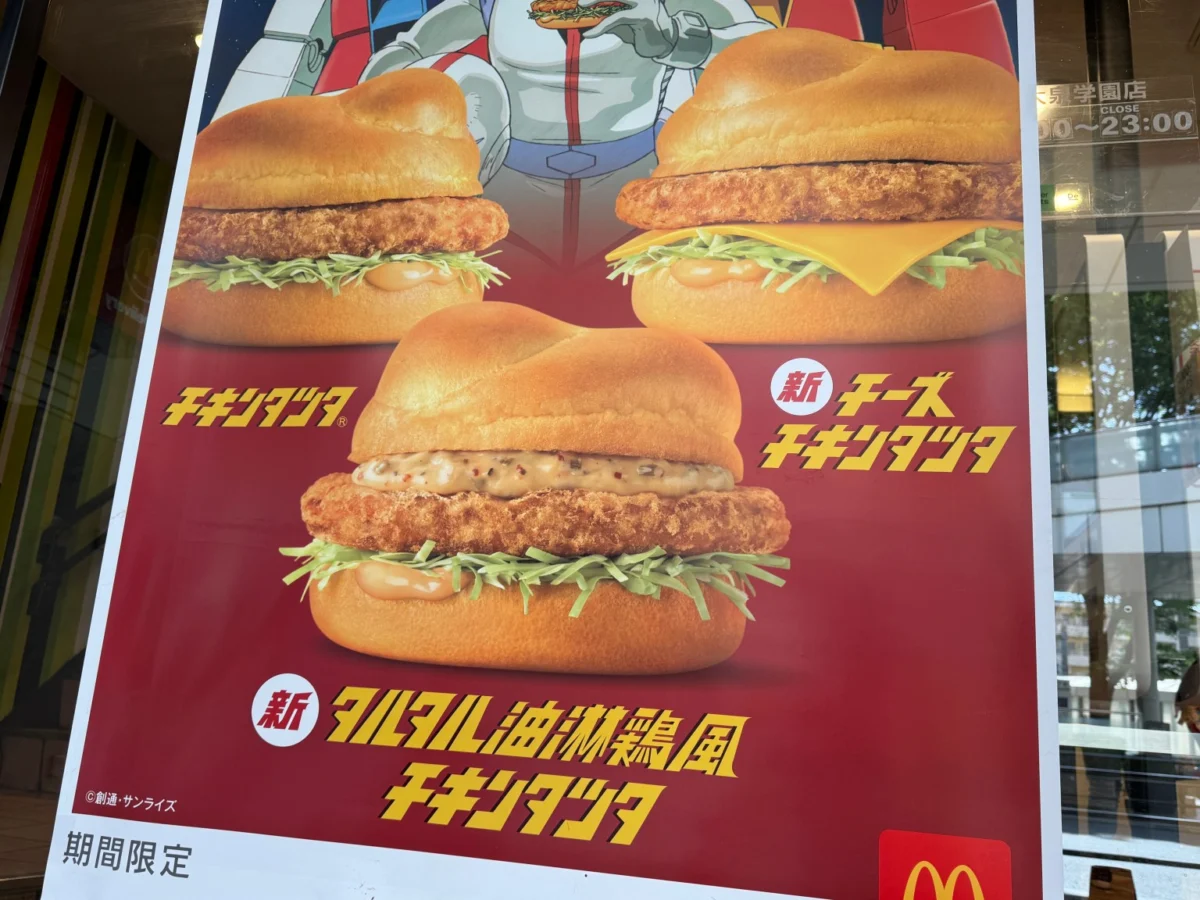
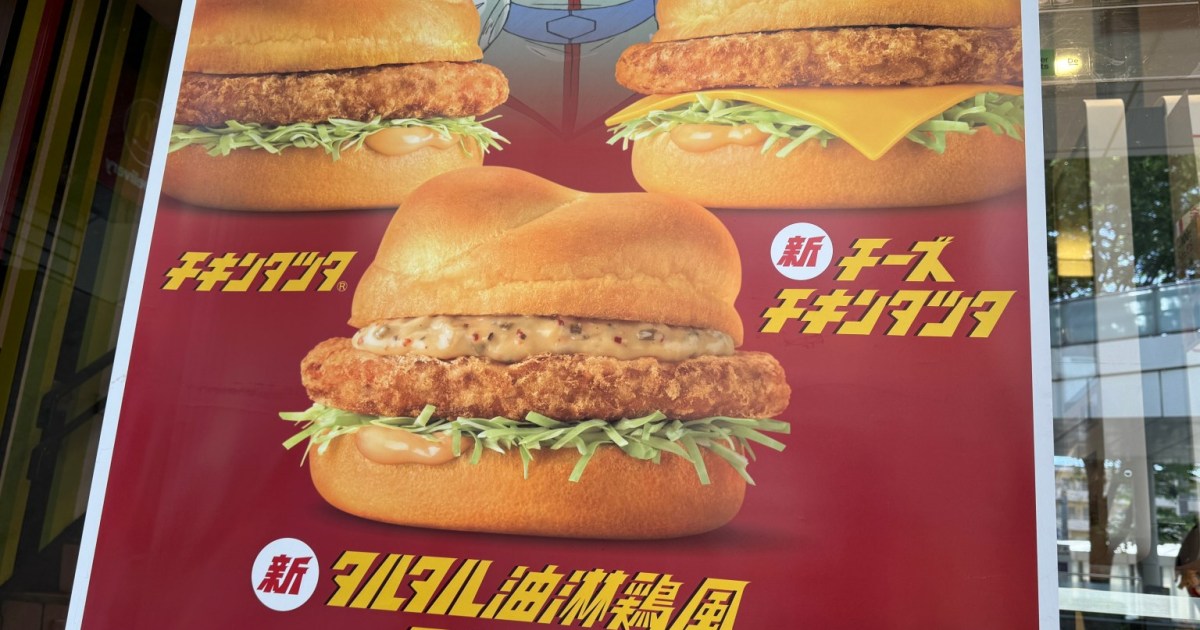
For fast-food enthusiasts and global travelers, few seasonal items command as much reverence as McDonald’s Japan’s "Chicken Tatsuta." A staple of the Japanese spring menu, this limited-edition sandwich has built a cult following thanks to its distinctively light, ginger-soy-infused chicken patty and its signature soft, steamed-style bun.
However, with the item typically vanishing from shelves by mid-May, fans outside of Japan—and even those within the country who miss the limited window—often find themselves longing for that specific umami-rich flavor profile. Now, a ingenious culinary "hack" has emerged, promising to bring the authentic taste of the Chicken Tatsuta to any kitchen, anywhere in the world, in under five minutes.
The Core Concept: Deconstructing the Tatsuta
The Chicken Tatsuta is not your standard breaded chicken sandwich. Its namesake comes from the Japanese cooking technique tatsuta-age, where ingredients are marinated in soy sauce, mirin, and ginger before being lightly coated in starch and deep-fried. This results in a delicate, crispy exterior and a succulent, flavorful interior that stands in stark contrast to the standard, heavily-breaded patties found in Western fast-food outlets.
Replicating this in a home kitchen usually requires sourcing specialized ingredients, marinating meat for hours, and managing the complexities of deep-frying. However, the viral hack pioneered by the team at SoraNews24 bypasses these barriers by utilizing the existing infrastructure of the McDonald’s menu itself. By cannibalizing two existing menu items—the Filet-O-Fish and the Chicken McNugget—home chefs can achieve a flavor profile that is remarkably close to the original.
Chronology of the Craze
The release of the 2026 iteration of the Chicken Tatsuta on April 15 sparked the usual wave of excitement across Japan. As social media feeds filled with images of the seasonal sandwich, the inevitable conversation turned to its temporary nature.
- April 15: McDonald’s Japan officially launches the Chicken Tatsuta, sparking a surge in demand and social media engagement.
- Late April: Recognizing the short window of availability, Yoshio Ueda of SoraNews24 begins experimenting with ways to replicate the sandwich’s specific flavor profile using accessible ingredients.
- May 1: The methodology for the "Tatsuta Hack" is published, providing a step-by-step guide for consumers.
- May 2-Present: The hack gains traction, with home cooks and food vloggers testing the method, confirming that the combination of ginger-soy seasoning and specific bun textures provides a near-identical sensory experience to the original product.
The Five-Minute Methodology: A Step-by-Step Guide
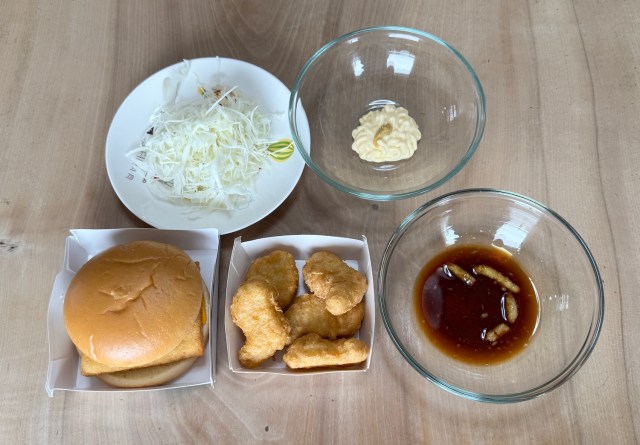
The genius of this recipe lies in its simplicity and reliance on "lazy-person" efficiency. To execute this, you require only a few basic components: a Filet-O-Fish, a standard box of Chicken McNuggets, fresh ginger, soy sauce, mayonnaise, mustard, and shredded cabbage.
1. Preparation of the Canvas
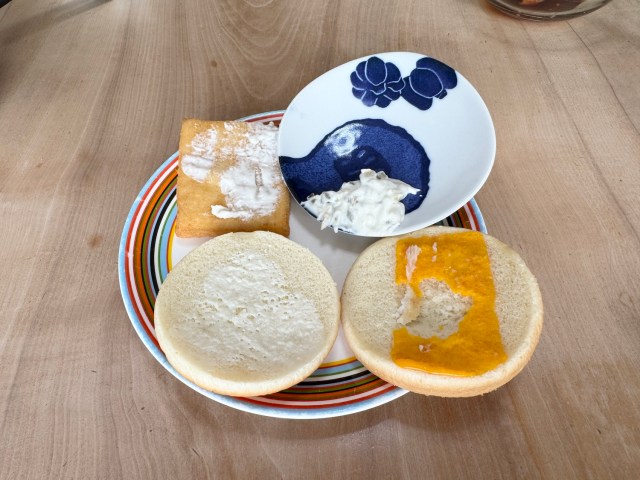
The Filet-O-Fish is the foundational element of this hack. While many might reach for a standard cheeseburger bun, the Filet-O-Fish bun is crucial because it is steamed, offering that signature fluffiness required to mimic the authentic Tatsuta experience. Simply discard the white fish fillet and the tartar sauce, leaving you with a perfectly steamed, ready-to-use bun set.
2. The "Tatsuta-fication" of Nuggets
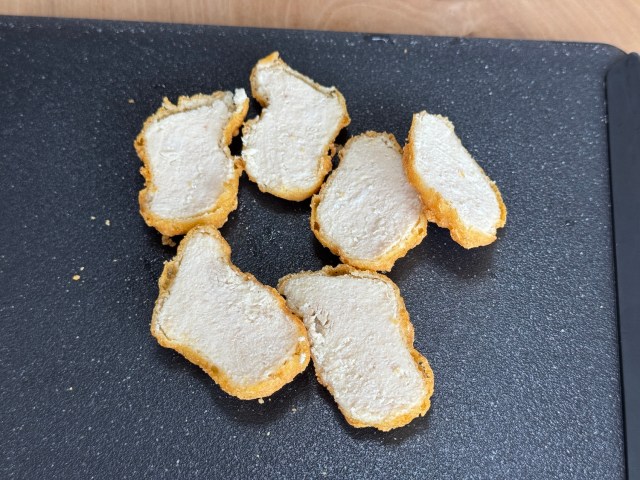
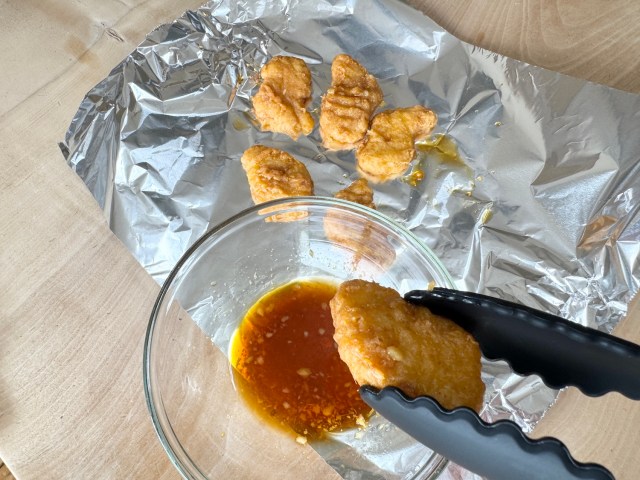
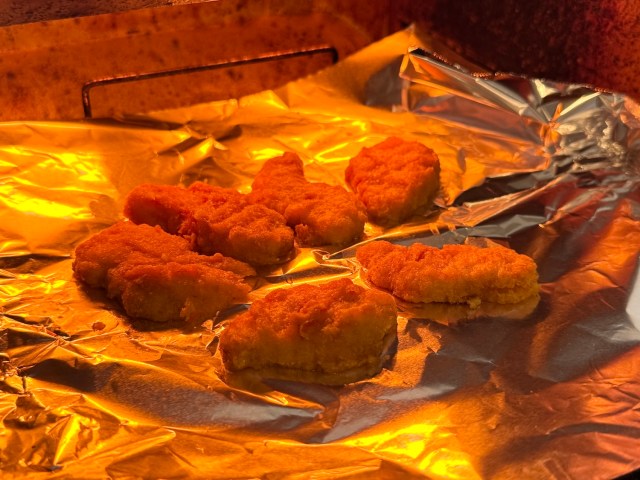
Take three Chicken McNuggets and slice them in half. While a nugget is not a whole-muscle chicken breast, its breading and internal texture serve as an excellent vehicle for the marinade. By applying a generous amount of freshly grated ginger and a splash of soy sauce to both sides of the nuggets, you effectively "upgrade" the flavor profile to match the tatsuta-age style.
3. Assembly and Integration
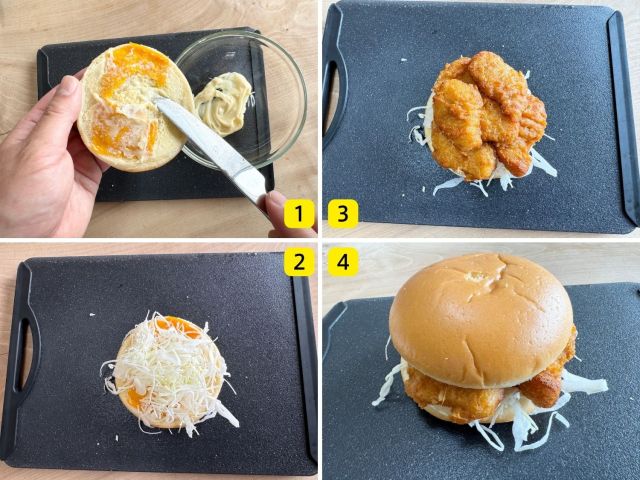
Lightly toast the buns to your personal preference. On the bottom bun, spread a mixture of mayonnaise and mustard—the acidic tang of the mustard cuts through the saltiness of the soy sauce perfectly. Add a layer of shredded cabbage, which provides the necessary crunch that the original sandwich features, then arrange the seasoned nuggets on top before sealing with the top bun.
Supporting Data: Why This Works
The reason this "hack" succeeds where other DIY attempts fail is due to the chemistry of the components.
- The Bun: As noted by food scientists and enthusiasts alike, the steamed-bun technique used by McDonald’s for the Filet-O-Fish is functionally identical to the bun used for the actual Chicken Tatsuta.
- The Flavor Profile: The ginger-soy combination is the primary "flavor anchor" of the Tatsuta. Because Chicken McNuggets are relatively neutral in their seasoning, they act as a "blank canvas," allowing the potent, sharp notes of the ginger and the saltiness of the soy sauce to become the dominant profile.
- Texture: While the McNugget is slightly firmer than the authentic Tatsuta patty, the addition of the fresh cabbage provides a structural integrity and a crispness that masks the texture differential.
In blind taste tests conducted during the internal trial phase, even discerning palates—including family members of the creators—found the results indistinguishable from the official product when consumed without the original side-by-side.
The Economic Implications: A Bonus Meal
Beyond the sandwich itself, this hack offers a unique economic advantage. By purchasing the Filet-O-Fish as part of a meal deal, the consumer is left with a surplus of ingredients. The white fish fillet, once removed from the bun, is not waste; it is a ready-to-eat protein.
When paired with the leftover French fries from the set, the user is left with a secondary, unintended meal of "Fish and Chips." This dual-value approach essentially turns a single purchase into two distinct, high-quality fast-food experiences. It is a rare instance of a "hack" that reduces food waste while maximizing the return on investment for the consumer.
Official Responses and Cultural Context
While McDonald’s has not issued an official statement endorsing the "Tatsuta Hack," the company has historically leaned into the excitement surrounding their seasonal menu. The Chicken Tatsuta, often promoted with high-profile tie-ins (including popular anime-themed packaging), is designed to create a sense of urgency.
Food industry analysts suggest that such hacks are indicative of the modern consumer’s desire for "limited-time" experiences in a globalized world. As one analyst noted, "The internet has turned the ‘exclusive’ into the ‘accessible.’ When a company creates a product that is only available in one region, they are essentially creating a challenge for the rest of the world to reverse-engineer."
Conclusion
The Chicken Tatsuta hack is more than just a clever way to bypass menu availability; it is a testament to the ingenuity of the modern fast-food consumer. By stripping away the branding and focusing on the core flavor components—the steamed bun, the ginger-soy infusion, and the crisp cabbage—it is possible to enjoy a piece of Japanese culinary culture from anywhere on the planet.
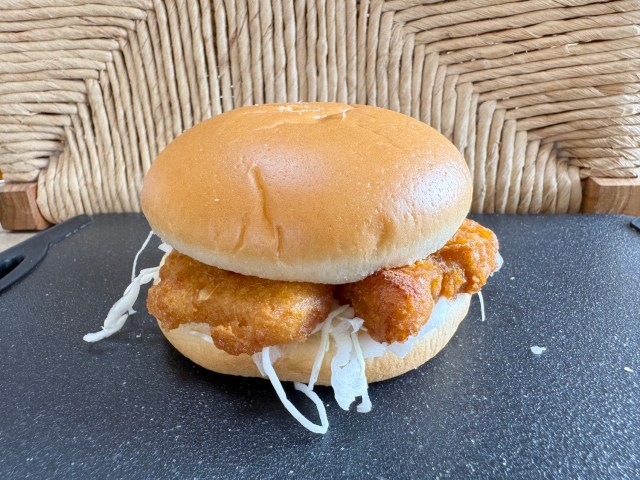
Whether you are in Tokyo, New York, or London, the ability to recreate this iconic sandwich proves that with a little bit of curiosity and a few simple pantry staples, the world’s most exclusive flavors can be brought directly to your own kitchen table. As the saying goes, if you can’t get to the restaurant, bring the restaurant to you.



 Asro
Asro